


Índice
- Pan de plátano y nueces: un clásico que nunca pasa de moda
- ¿Por qué me encanta tanto hornear pan de plátano?
- ¿Qué hace que este pan de plátano y nueces sea tan especial?
- ¿Cómo puedo obtener esa textura perfecta del pan de plátano?
- ¿Por qué agregar nueces al pan de plátano?
- ¿Cuál es el mejor momento para hornear pan de plátano?
- ¿Cómo puedes hacer tu propio pan de plátano y nueces?
- ¿Cómo puedes mantener tu pan de plátano perfectamente húmedo?
- ¿Qué hace que el pan de plátano sea tan reconfortante?
- ¿Por qué esta receta funciona siempre?
- Por qué volverás una y otra vez a esta receta
- Ir a la receta
Pan de plátano y nueces: un clásico que nunca pasa de moda
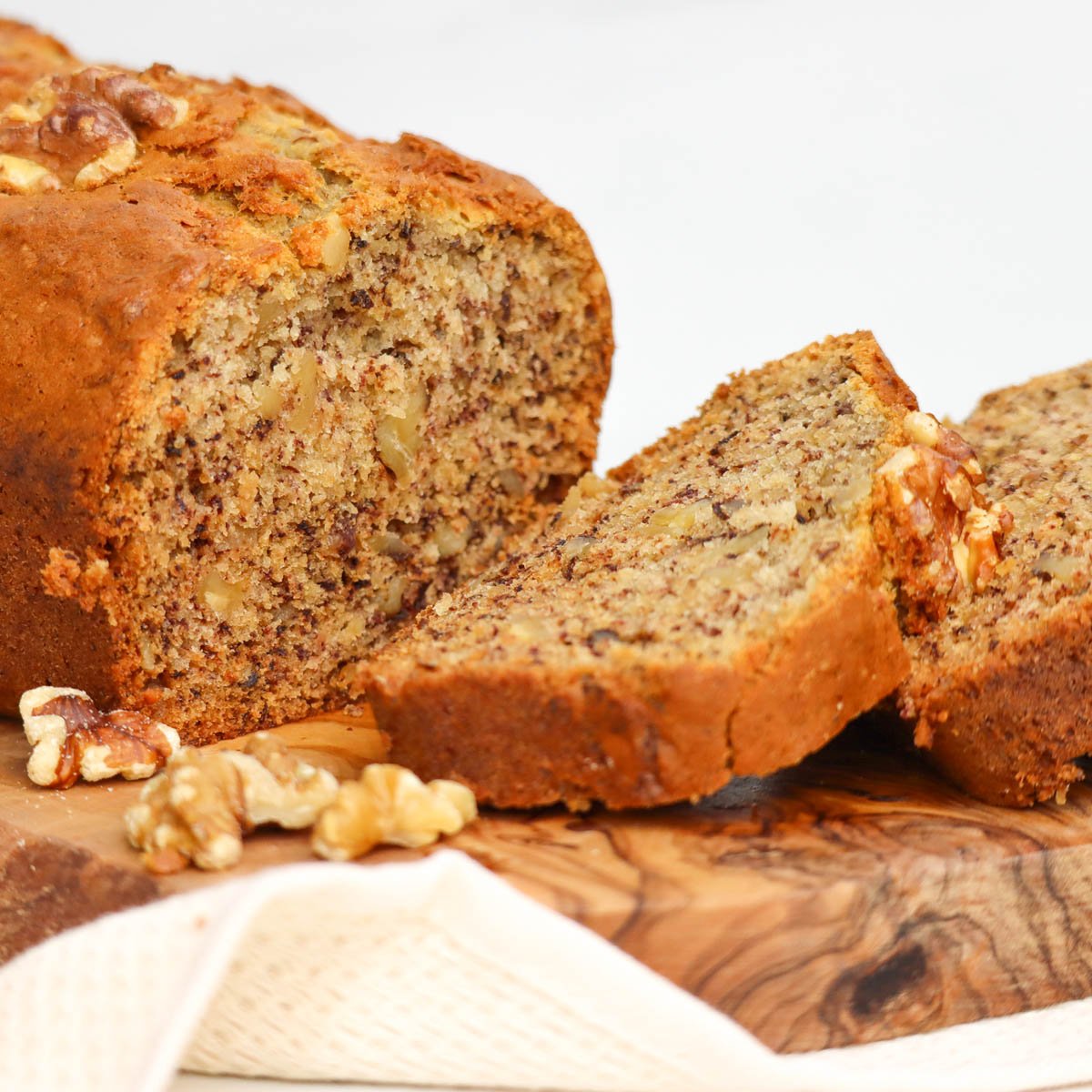
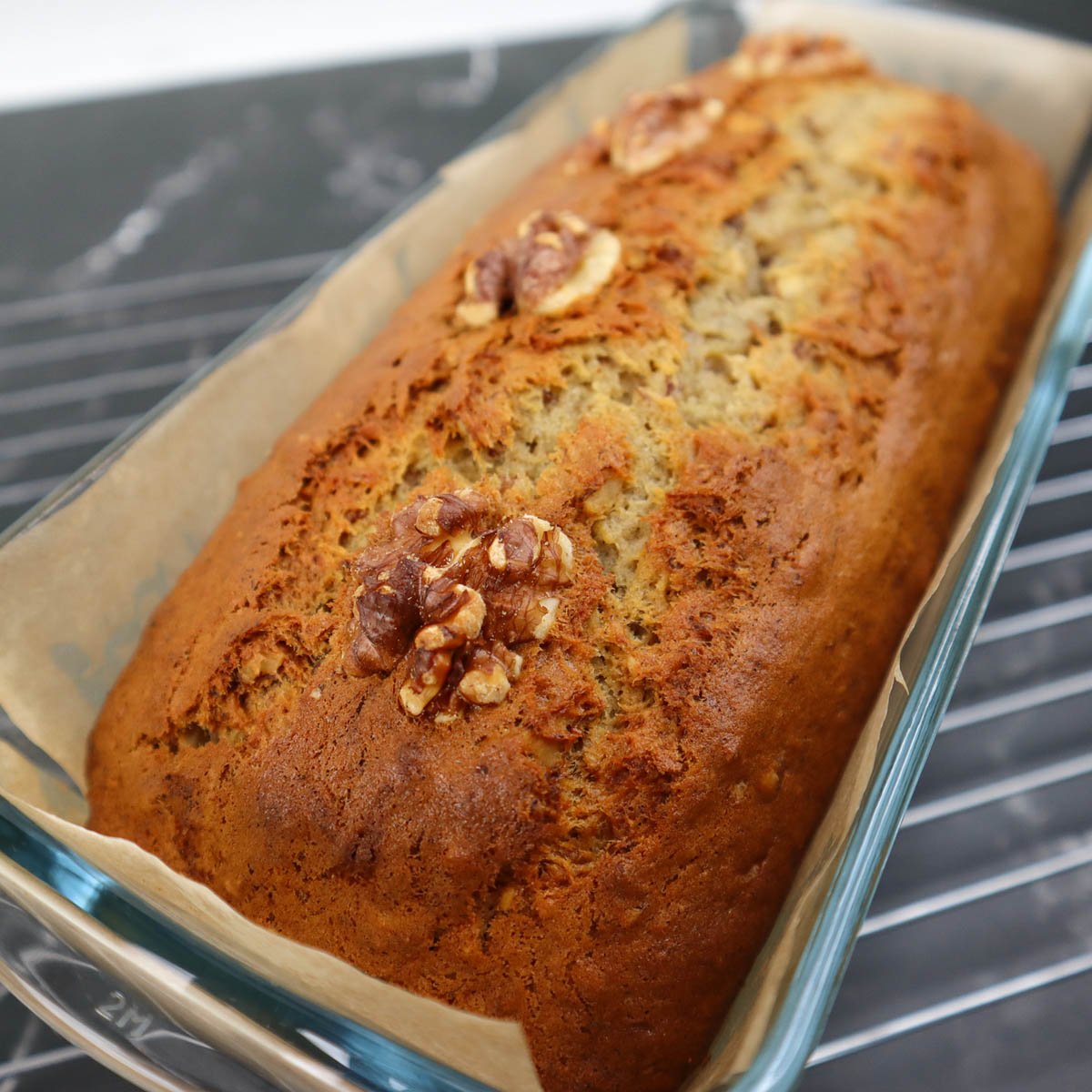
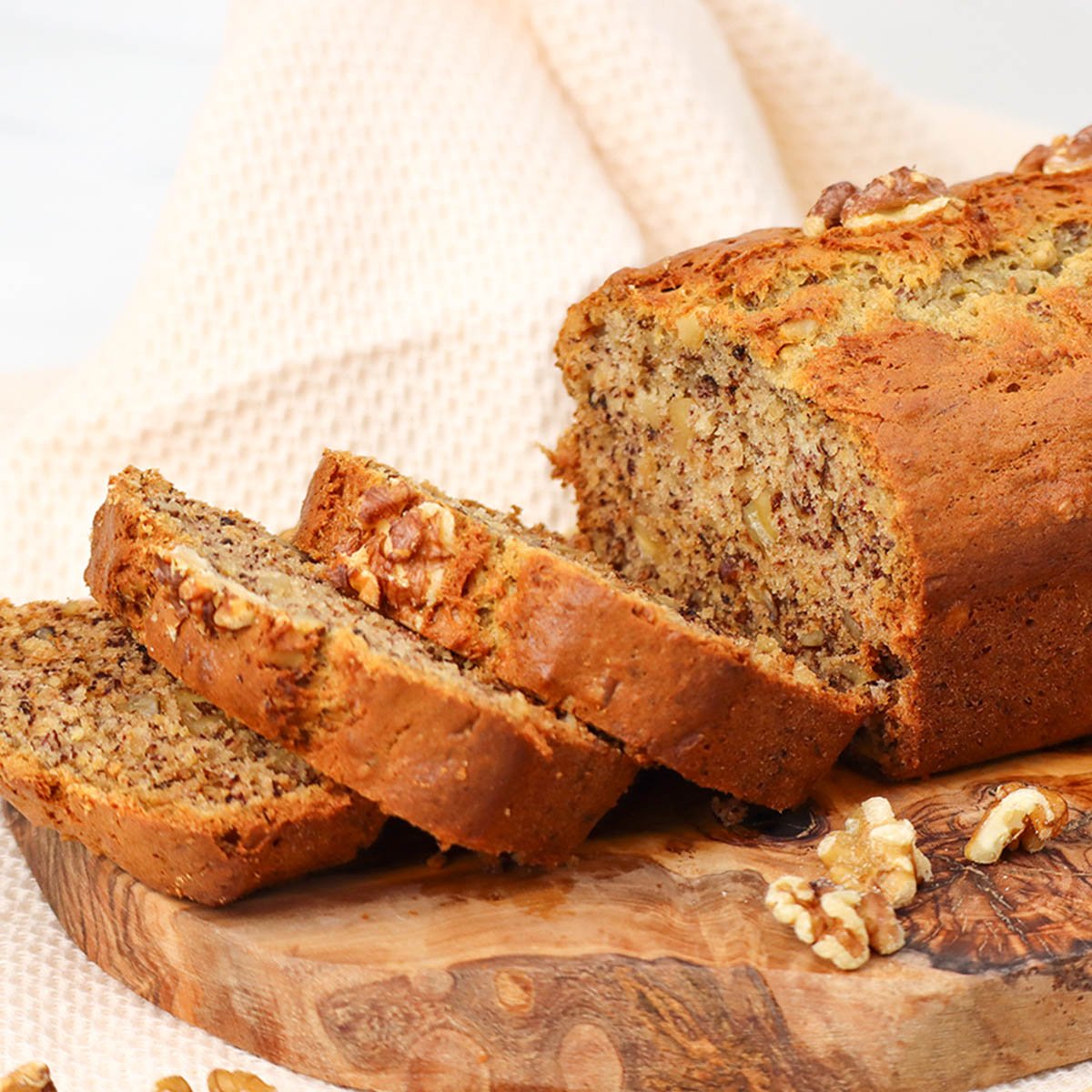
Hay pocos aromas de cocina tan reconfortantes como el del pan recién horneado. pan de plátano. Es dulce, con un toque a nuez y un aroma cálido y familiar, de esos que hacen que una casa se sienta como un hogar al instante. Pero para mí, la mejor versión de este clásico atemporal siempre ha sido el pan de plátano y nueces. La miga suave y húmeda del pan de plátano se combina con el toque crujiente y tostado de las nueces de una manera que resulta a la vez nostálgica y exquisita.
De pequeña, las nueces eran uno de los ingredientes favoritos de mi abuela para hornear. Le encantaba su sabor terroso y cómo le daban textura a pasteles y panes sencillos. Cuando empecé a hornear, esta fue la receta que me recomendó dominar primero, y es una a la que he recurrido infinidad de veces desde entonces. Ya sea para aprovechar los plátanos demasiado maduros un domingo por la mañana o para hornear un pan para compartir con amigos, el pan de plátano con nueces es mi postre favorito para reconfortarme.
¿Por qué me encanta tanto hornear pan de plátano?
Preparar pan de plátano tiene un efecto terapéutico. Es una receta que no exige perfección, es indulgente, fomenta la improvisación y premia la sencillez. Los plátanos demasiado maduros, esos que normalmente desecharías, se transforman en una base deliciosa. El proceso es rápido, familiar y sumamente gratificante.
A menudo, hornear pan de plátano es mucho más que la masa en sí; se trata de tomarse las cosas con calma. Aquí no hay prisa. Machacas los plátanos, derrites la mantequilla, revuelves la masa con una cuchara de madera y, antes de que te des cuenta, tu cocina huele a abrazo.
Creo que todo panadero necesita una receta de pan de plátano en su bolsillo. Y esta versión, con nueces picadas, es una de esas recetas que siempre cumple su función.
¿Qué hace que este pan de plátano y nueces sea tan especial?
Es sencillo, y los ingredientes se combinan en perfecto equilibrio. El puré de plátano le aporta humedad y dulzor natural, mientras que la mantequilla derretida le da una textura untuosa. Un toque de vainilla y una pizca de sal realzan el sabor, asegurando que no solo sea dulce, sino también profundamente aromático.
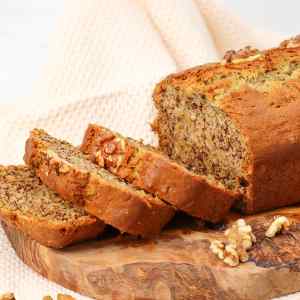
Y luego están las nueces. Son las protagonistas indiscutibles, aportando un toque crujiente, calidez y un sutil contraste terroso al dulzor del plátano. Me gusta picarlas en trozos grandes para que cada rebanada tenga una mezcla de texturas: algunos trozos grandes que le dan un toque crujiente y otros más pequeños que se integran en la masa al hornearse.
Si te sientes creativo, también puedes tostar las nueces primero. Es un pequeño paso adicional que realza su intenso sabor a nuez. El aroma por sí solo ya justifica el esfuerzo.
¿Cómo puedo obtener esa textura perfecta del pan de plátano?
Uno de los secretos para un buen pan de plátano reside en los propios plátanos. Cuanto más maduros estén, mejor. Me refiero a los plátanos con manchas marrones oscuras, incluso a los que parecen demasiado pasados. Esos son los que están repletos de azúcares naturales y humedad, la clave de ese sabor intenso a caramelo.
¿Otro consejo? No mezcles demasiado. Una vez que añadas la harina, remueve suavemente hasta que se integre. Mezclar en exceso activa el gluten de la harina, lo que puede hacer que el pan quede duro en lugar de tierno.
Por último, hablemos del horneado. El pan de plátano requiere tiempo, generalmente alrededor de una hora en el horno, pero vale la pena cada minuto. Yo siempre lo reviso a los 50 minutos, insertando un palillo en el centro. Si sale limpio o con algunas migas secas, está listo. Si todavía se ve un poco húmedo, déjalo otros 5 a 10 minutos.
Y aquí está mi truco secreto: si la parte superior empieza a dorarse demasiado rápido, cubre el pan ligeramente con papel de aluminio. Así se protege la corteza y el interior termina de cocinarse a la perfección.
¿Por qué agregar nueces al pan de plátano?
Aquí es donde se nota la influencia de mi abuela. Ella creía que un buen pan siempre debía tener algo especial: un toque crujiente, una textura agradable, una sorpresa. Las nueces eran su ingrediente favorito.
Las nueces aportan más que solo textura. Aportan un sutil amargor que complementa a la perfección el dulzor del plátano. Cada bocado se siente equilibrado: suave y dulce, con un toque crujiente tostado que te invita a volver a comer.
Además, ¡las nueces son muy buenas para la salud! Son ricas en ácidos grasos omega-3, antioxidantes y grasas saludables. Así que este pan de plátano no solo tiene un sabor increíble, sino que también es bastante nutritivo (aunque nunca necesito una excusa para comerme otra rebanada).
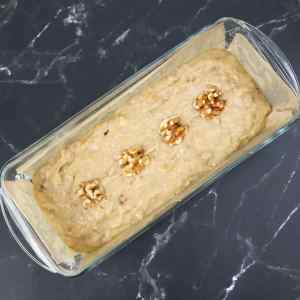
Si quieres darle un toque más especial, prueba a espolvorear unas nueces picadas por encima antes de hornear. Se tuestan de maravilla en el horno y le dan al pan un acabado rústico y dorado que luce tan bien como sabe.
¿Cuál es el mejor momento para hornear pan de plátano?
¿En serio? En cualquier momento.
No hay un momento inapropiado para el pan de plátano. Es perfecto para el desayuno con una taza de café, como merienda a media mañana o como postre después de la cena con una bola de helado de vainilla.
Me encanta hornear este pan los domingos por la tarde. Hay algo muy reconfortante en sacar un pan de plátano caliente del horno al final del fin de semana. Llena la casa con ese inconfundible aroma a repostería casera, dulce, mantecoso y lleno de promesas.
El lunes por la mañana, una rebanada gruesa de pan untada con mantequilla se convierte en la manera perfecta de comenzar la semana.
¿Cómo puedes hacer tu propio pan de plátano y nueces?
Lo mejor del pan de plátano es su infinita versatilidad. Una vez que domines la receta básica, puedes experimentar con ingredientes y sabores para darle tu toque personal. Aquí te presento algunas de mis formas favoritas de personalizar este clásico pan:
- Añade chispas de chocolate. Un puñado de chispas de chocolate negro o con leche lo convierte en un capricho digno de pastelería.
- Intercambia las nueces. Prueba nueces pecanas, avellanas o almendras para un sabor y una textura crujiente diferentes.
- Agregue frutos secos. Arándanos secos, pasas, o los dátiles picados añaden dulzura y masticabilidad.
- Dale un toque picante. Una pizca de canela, nuez moscada o pimienta de Jamaica aporta calidez y profundidad.
- Para rematar, espolvorea nueces picadas adicionales o un poco de azúcar moreno sobre la masa antes de hornear para lograr una hermosa corteza caramelizada.
- Rocíe con glaseado. Una vez frío, un glaseado sencillo de azúcar glas y jugo de limón le da un toque agridulce.
Esa es la belleza del pan de plátano: es sencillo, infalible e infinitamente versátil. Después de hornearlo un par de veces, empezarás a crear tu propia versión.
¿Cómo puedes mantener tu pan de plátano perfectamente húmedo?
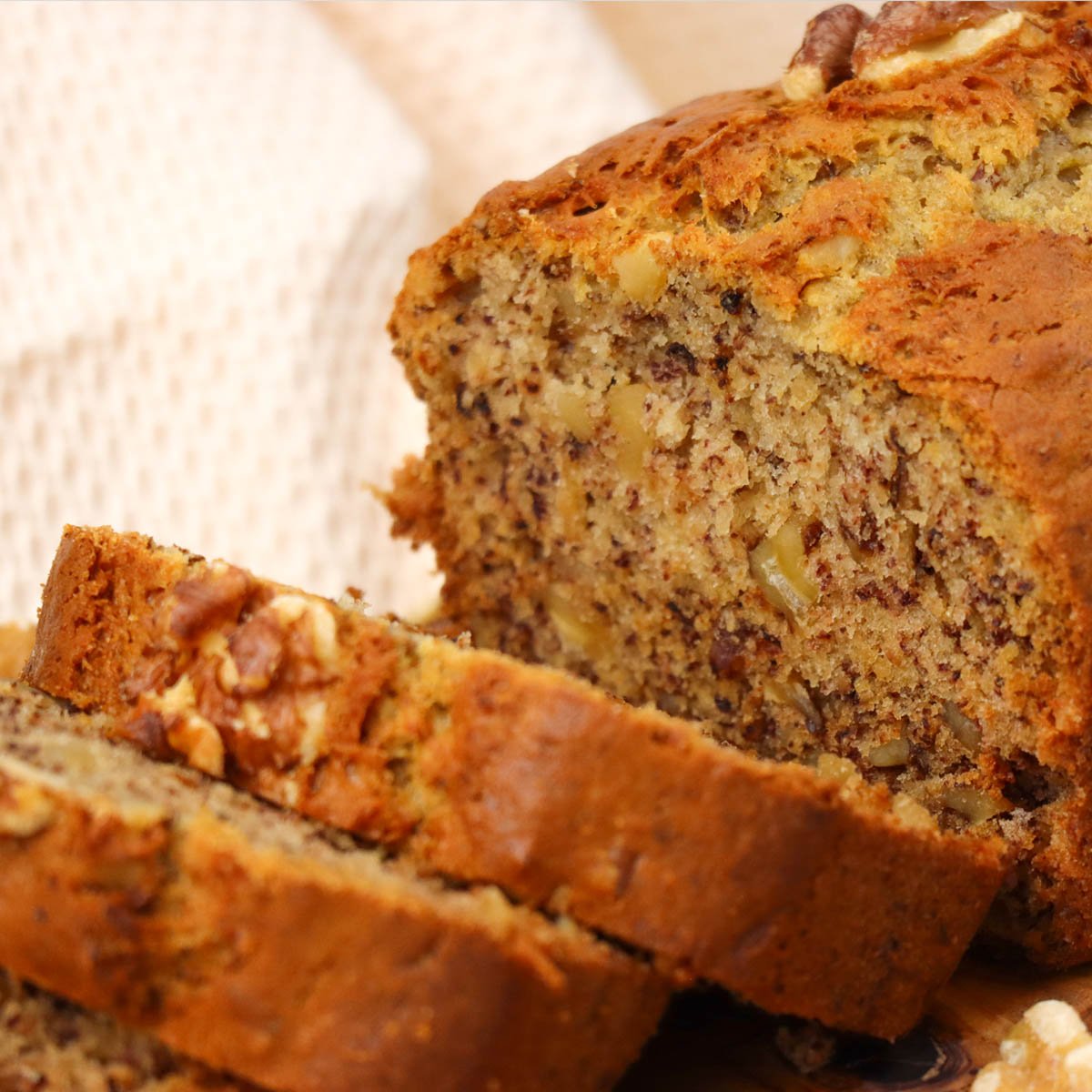
Una de las maravillas de un buen pan de plátano es esa miga irresistiblemente suave y tierna, de esas que se sienten casi mantecosas al cortarlas. Pero ¿cómo asegurar que se mantenga así, incluso después de unos días?
Esto es lo que he aprendido tras años horneando (¡y algunos panes de prueba y error!):
- Comience con plátanos muy maduros. Cuanto más oscuros y con más manchas tengan, mejor. Aportan hidratación y dulzor natural.
- No lo hornees demasiado. ¡Esto es clave! Saca el pan del horno justo cuando al insertar un palillo, este salga limpio o con algunas migas secas. Seguirá horneándose ligeramente mientras se enfría.
- Envuélvelo bien. Una vez enfriado, guárdelo bien envuelto en film transparente o dentro de un recipiente hermético. Esto ayuda a conservar la humedad.
- Almacene de manera inteligente. Mantenlo a temperatura ambiente hasta por 3 días o refrigerado hasta por una semana. De hecho, adquiere más sabor al reposar.
- Congelar en rodajas. Envuelve porciones individuales y congélalas hasta por 3 meses. Cuando necesites un capricho rápido, simplemente mete una rebanada en la tostadora o el microondas; siempre sabrá como recién horneada.
Hay algo increíblemente satisfactorio en tener pan de plátano casero listo en cualquier momento, especialmente cuando sigue estando suave y delicioso días después.
¿Qué hace que el pan de plátano sea tan reconfortante?
Tal vez sea nostalgia. Tal vez sea el aroma que inunda la cocina mientras se hornea. O tal vez sea simplemente la sensación de cada rebanada como un abrazo en forma de comida.
El pan de plátano es una de esas recetas excepcionales que unen generaciones. La aprendí de mi abuela, quien a su vez la aprendió de su madre. Y ahora, cada vez que horneo un pan, pienso en ella, en cómo se sentaba junto a la ventana de la cocina, esperando a que sonara el temporizador del horno, ansiosa por disfrutar de la primera rebanada caliente con la mantequilla derretida.
Los recuerdos gastronómicos como ese son muy emotivos. Convierten recetas sencillas en tradiciones. Por eso creo que el pan de plátano, especialmente este pan de plátano y nueces, siempre tendrá un lugar especial en mi cocina y en mi corazón.
¿Por qué esta receta funciona siempre?
Porque es simple. No requiere técnicas sofisticadas ni ingredientes caros. Es repostería casera auténtica en su máxima expresión.
Cada elemento tiene un propósito: los plátanos maduros para el dulzor, la mantequilla derretida para la riqueza, las nueces para la textura y el azúcar justo para que parezca un capricho sin ser demasiado dulce.
Además, es una receta que se prepara en un solo bol, lo que significa menos cacharros y menos complicaciones. No necesitas batidora ni sartén especial. Solo un bol, una cuchara y un poco de tiempo.
Y quizás ahí reside la verdadera magia del pan de plátano: demuestra que a veces las cosas más sencillas son las más satisfactorias.
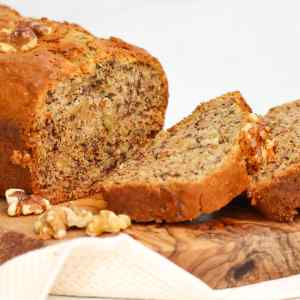
Pan de plátano y nueces

Utensilios
- Molde para pan de 8x4 pulgadas
- Tenedor o machacador de patatas
- Cuchara o espátula mezcladora
- Tazas/cucharas medidoras
Ingredientes
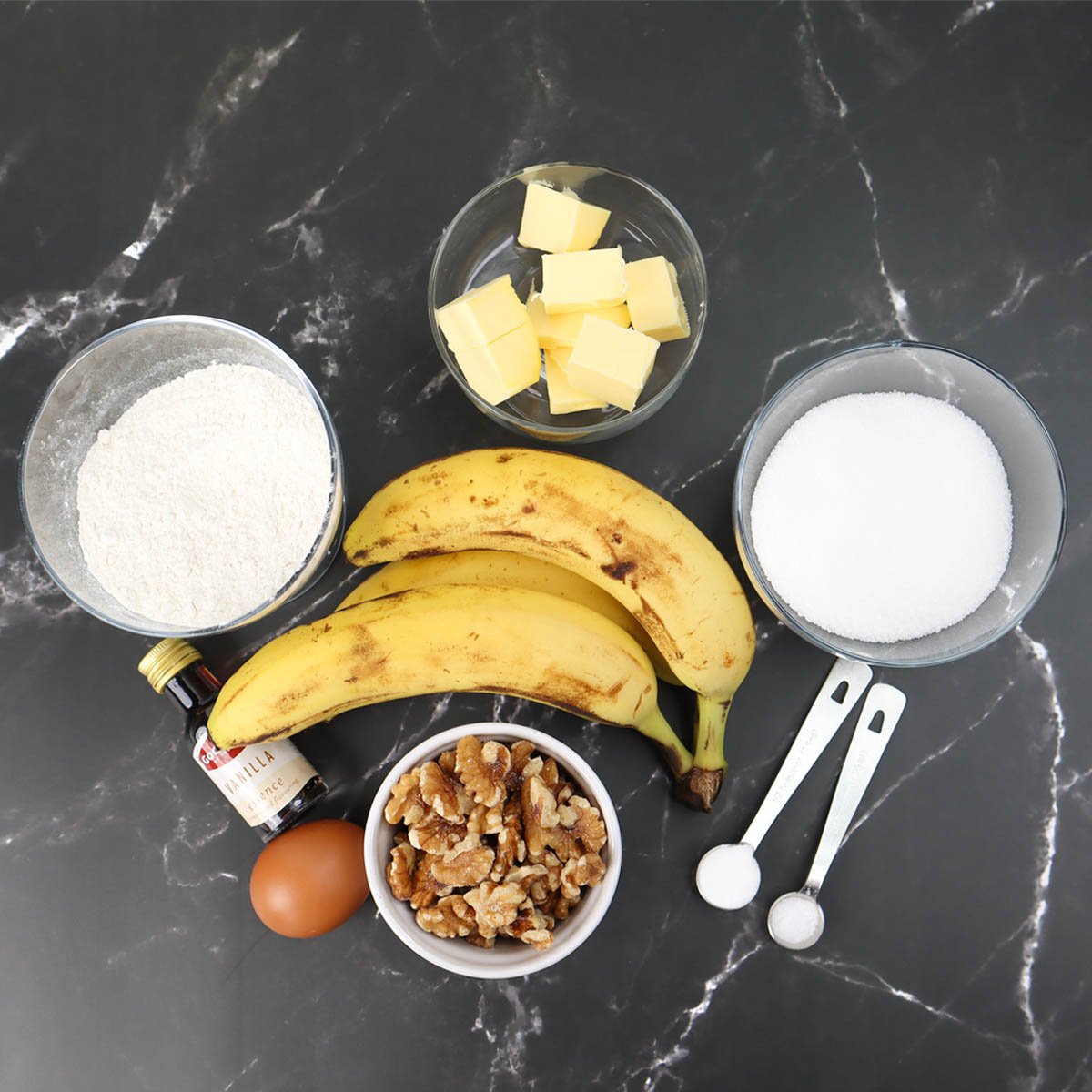
- 350 gramos plátanos muy maduros 2 a 3 plátanos medianos, machacados
- 76 gramos sin sal Derretido
- ½ cucharadita de bicarbonato sódico
- 1 pizca sal
- 150 gramos azúcar granulado Reducir a 100 g para menos dulzor, aumentar a 200 g para más.
- 1 Grande huevo vencido
- 1 cucharadita de extracto de vainilla
- 205 gramos harina de trigo harina de trigo
- 100 gramos nueces picado
Instrucciones
- Precaliente el horno a 175 °C (350 °F). Engrase o forre un molde para pan de 20 x 10 cm con papel vegetal.

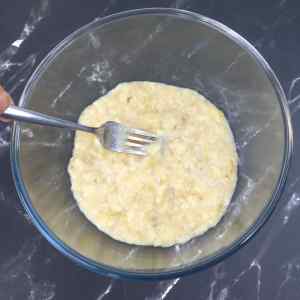
- En un tazón grande, triture los plátanos con un tenedor hasta que queden suaves.350 gramos de plátanos muy maduros

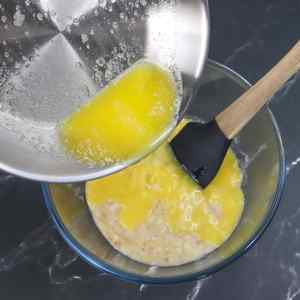
- Incorpore la mantequilla derretida revolviendo hasta que esté completamente combinada.76 gramos sin sal
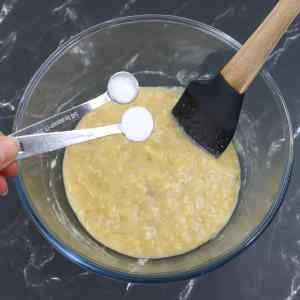
- Mezcla el bicarbonato de sodio y una pizca de sal.½ cucharadita de bicarbonato sódico, 1 pizca de sal
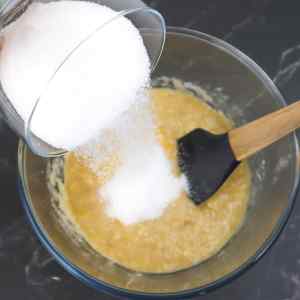
- Añade el azúcar, el huevo batido y el extracto de vainilla, revolviendo hasta que quede suave.150 gramos de azúcar granulada, 1 huevo grande, 1 cucharadita de extracto de vainilla
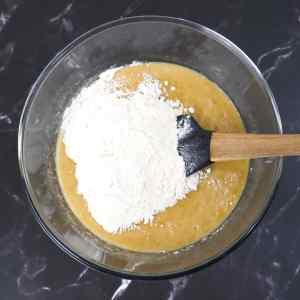
- Incorpore la harina con cuidado hasta que esté bien mezclada, evitando mezclar demasiado.205 gramos de harina común
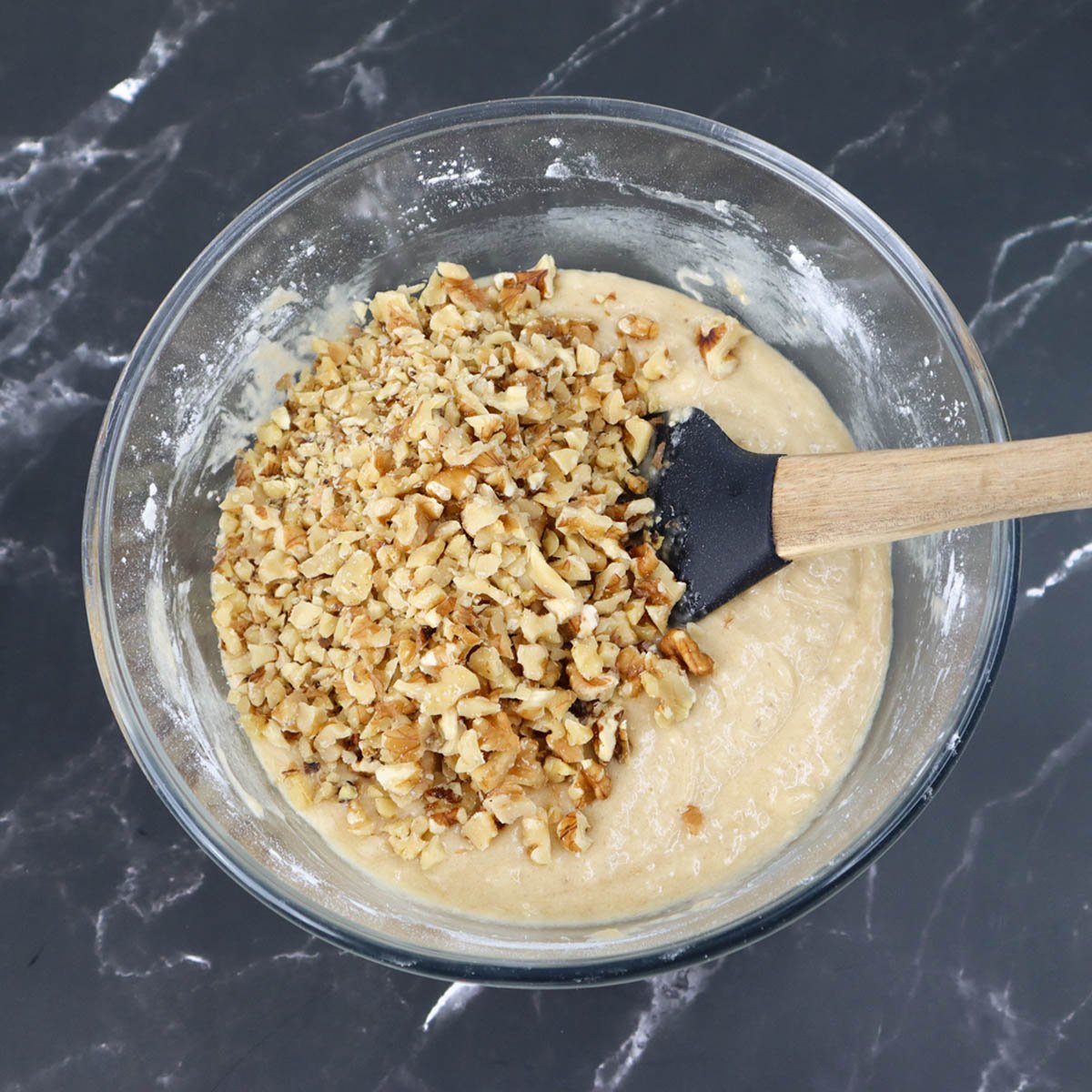
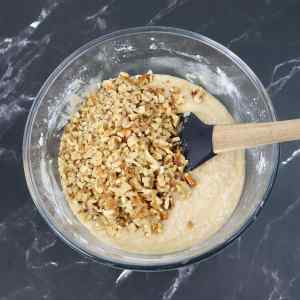
- Incorpore las nueces picadas y reserve algunos trozos para espolvorear por encima si lo desea.100 gramos de nueces
- Vierta la masa en el molde de pan preparado y extiéndala uniformemente.
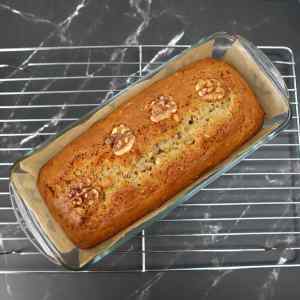
- Hornee durante 55-60 minutos. Compruebe el punto de cocción insertando un palillo en el centro; este debe salir limpio o con algunas migas secas. Si la superficie se dora demasiado rápido, cúbrala ligeramente con papel aluminio.
- Deje que el pan se enfríe en el molde durante 5 a 10 minutos y luego transfiéralo a una rejilla para que se enfríe por completo.

Notas
- Cuanto más maduros estén los plátanos, más dulce y sabroso será el pan.
- Tuesta las nueces antes de agregarlas para obtener un sabor a nuez más profundo.
- Para darle un toque extra de sabor, añade chispas de chocolate junto con las nueces.
- Este pan se conserva bien envuelto a temperatura ambiente durante 2 o 3 días, o refrigerado hasta por una semana.
- Congélelo en rodajas para tener un refrigerio fácil de llevar, solo descongélelo o tuéstelo cuando esté listo.
Información nutricional
Un comentario sobre “Banana and Walnut Bread”
Deja un comentario
Por qué volverás una y otra vez a esta receta
Por muchas tendencias de repostería que vayan y vengan, el pan de plátano sigue siendo un clásico. Es una de esas recetas que se sienten tan vigentes hoy como hace 50 años. Es sencilla, pero profundamente gratificante.
Ya sea que lo hornees para aprovechar los plátanos que te sobran, para llenar tu hogar de calidez o simplemente porque te apetece algo dulce, este pan de plátano y nueces siempre cumple con las expectativas.
Y si te enamoras de este pan (y creo que lo harás), sin duda querrás probar algunas de mis otras recetas. recetas de pasteles También mi Bizcocho Victoria, El mejor pastel de chocolate con dulce de leche alguna vez, pastel de goteo de fresa, pastel de zanahoria vegano y bizcocho de café y nueces Son todos auténticos deleites para el público, cada uno con su propia historia y encanto.
No olvides seguirnos en redes sociales, Para obtener aún más inspiración, consejos y recetas paso a paso para hornear. Tanto si eres principiante como si eres un repostero casero experimentado, siempre hay algo nuevo (y delicioso) por descubrir en la cocina.




Me encantó el pastel, pero creo que mejoraría con algunos cambios: más nueces y almendras tostadas, higos o dátiles secos triturados y copos de avena finos (la mitad del peso de la harina), y finalmente jengibre fresco rallado. Azúcar de coco o azúcar moreno orgánico. Más sano, más sabroso y más nutritivo.