





Table of Contents
- Caramel Sauce: The Quiet Luxury That Changes Everything
- What makes Caramel Sauce so much more than melted sugar?
- Why do sugar and water work better together when making caramel?
- What role does cream play in Caramel Sauce?
- Why is butter essential in Caramel Sauce?
- Does salt really make caramel taste better?
- How do you know when caramel is the right color?
- Why does homemade Caramel Sauce taste better than store-bought?
- How to use caramel sauce in your cooking
- Jump to Recipe
Caramel Sauce: The Quiet Luxury That Changes Everything
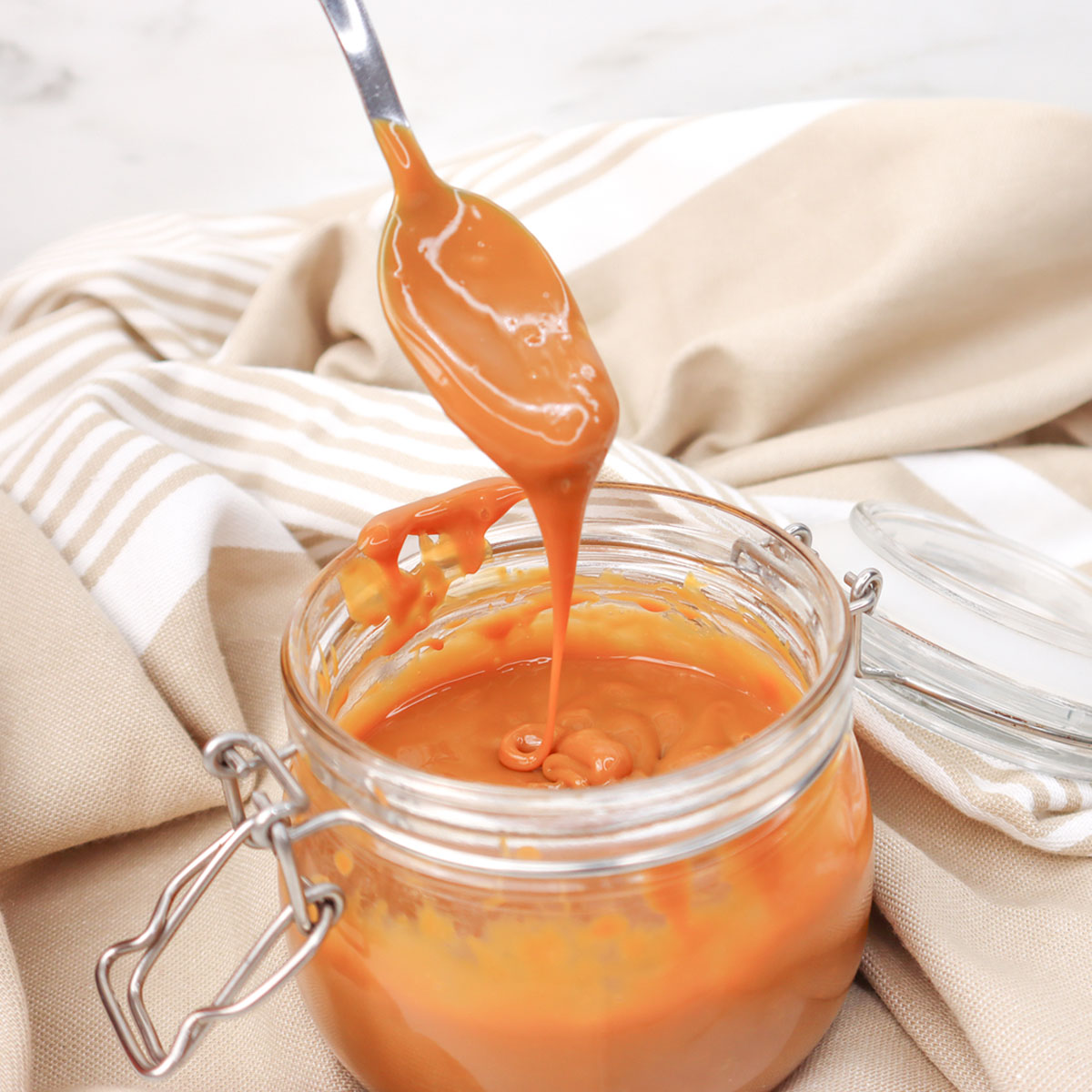
There are few things in the kitchen that feel as magical as a saucepan of sugar slowly turning amber. One moment it looks like cloudy syrup. The next, it smells faintly toasted, warm, and nostalgic. And just like that, you're standing at the edge of something extraordinary: Caramel sauce.
I have made this recipe hundreds of times. For pancakes on quiet mornings. For drizzling over apples on fall afternoons. For spooning straight from the jar when no one is watching. Caramel sauce, when done well, is not just a topping. It is a mood. A memory. A soft, golden luxury that transforms whatever it touches.
And the truth is, it doesn't require a pastry degree or a candy thermometer. It requires attention, patience, and a few simple ingredients that, when treated kindly, become something far greater than the sum of their parts.
What makes Caramel Sauce so much more than melted sugar?
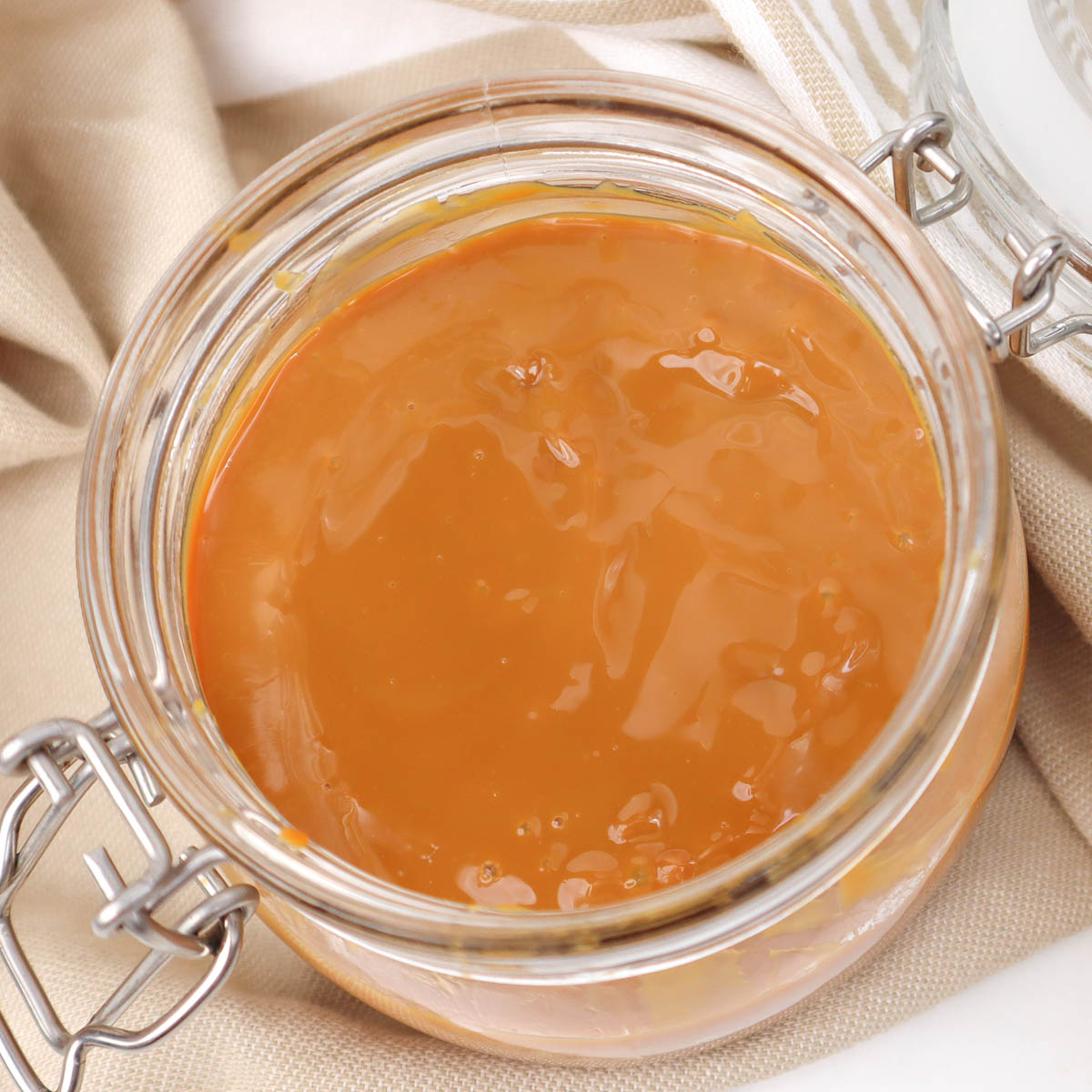
Sugar alone is flat. Sweet, yes, but one note. What gives caramel its depth is heat. As sugar melts and darkens, it undergoes a transformation that creates hundreds of flavor compounds. That's why caramel tastes nutty, warm, almost smoky, rather than simply sweet.
When you add cream and butter, something even better happens. The bitterness of the caramelized sugar softens. The richness of fat rounds everything out. The sauce becomes glossy, silky, and spoonable-something that clings to desserts instead of disappearing into them.
Caramel sauce is the rare thing that feels indulgent but not heavy. It's sweet without being cloying. Complex without being fussy. It makes even a bowl of plain yogurt feel like dessert.
Why do sugar and water work better together when making caramel?
Many people think caramel begins with dry sugar, but using a little water is one of the easiest ways to keep things under control.
Water helps dissolve the sugar evenly, so it melts without burning too quickly. It buys you time. It lets the sugar heat gently and evenly, so you don't get bitter patches or crystallized lumps.
When the water eventually boils away, the sugar is left behind-now ready to caramelize. At that point, all you do is watch. No stirring. No poking. Just be patient as the liquid turns from clear to straw colored to rich amber.
This is one of the quiet lessons of caramel sauce: sometimes, the best thing you can do in the kitchen is nothing at all.
What role does cream play in Caramel Sauce?
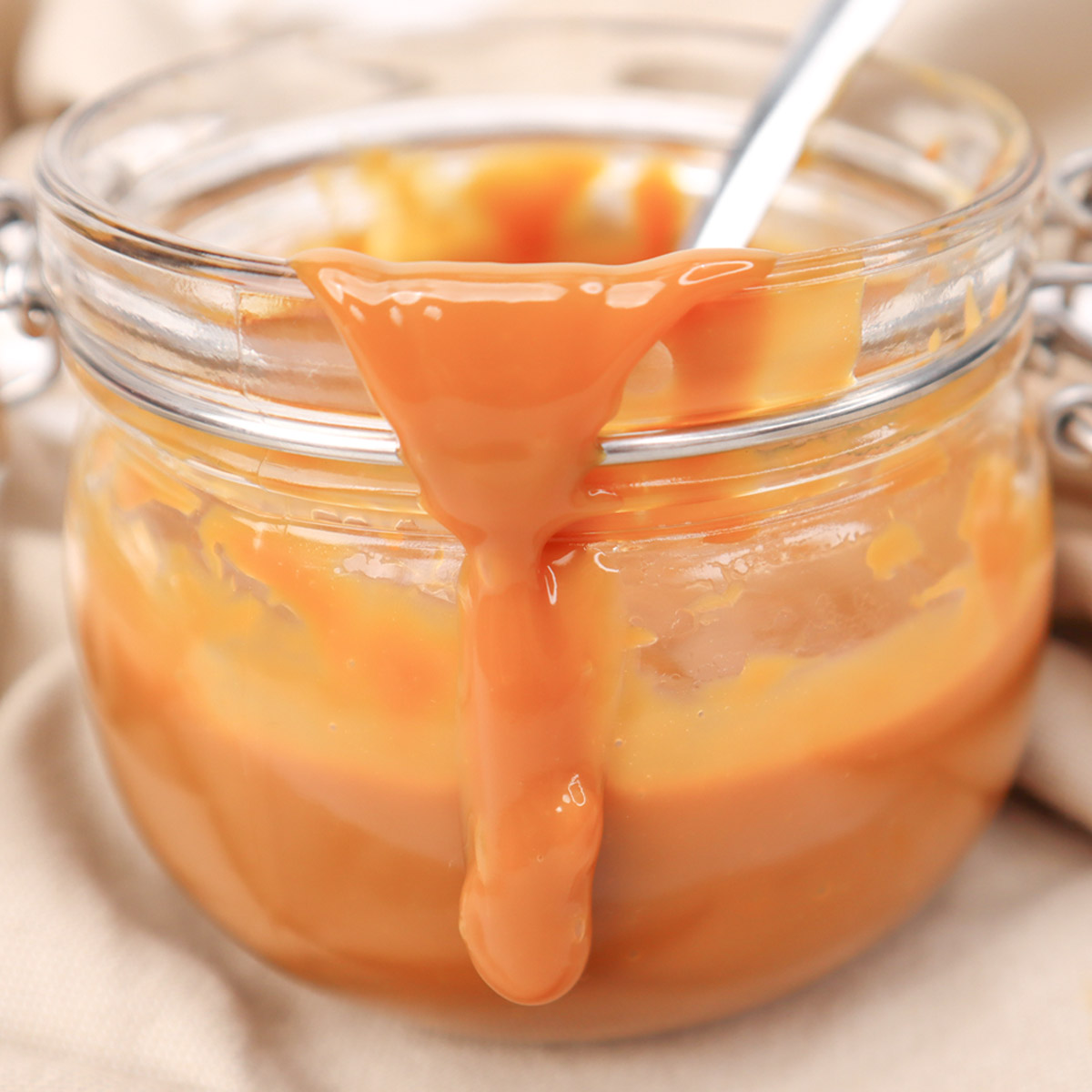
Cream is what turns caramel into sauce.
Without it, caramel is a brittle candy that hardens as it cools. With cream, it becomes smooth and pourable. Luxurious and glossy. It's the difference between a cracked sugar shell and something you can drizzle over warm waffles.
When cream hits hot caramel, it bubbles violently. That's normal. It's dramatic. It looks like a science experiment gone wrong, but it settles quickly. Whisk, keep calm, and let the mixture come together.
The cream doesn't just thin the caramel. It adds richness and softness. It makes the flavor feel rounded and full, instead of sharp and one-dimensional.
Why is butter essential in Caramel Sauce?
Butter is the quiet hero.
It adds body. It adds silkiness. It gives the sauce that soft, lingering mouthfeel that makes you want another spoonful.
Butter also stabilizes the caramel, helping prevent separation as it cools. That's why a good caramel sauce doesn't form an oily layer on top, it stays beautifully blended.
And flavor? Butter brings warmth. It bridges the gap between sweet sugar and creamy dairy, creating something that tastes comforting rather than sharp.
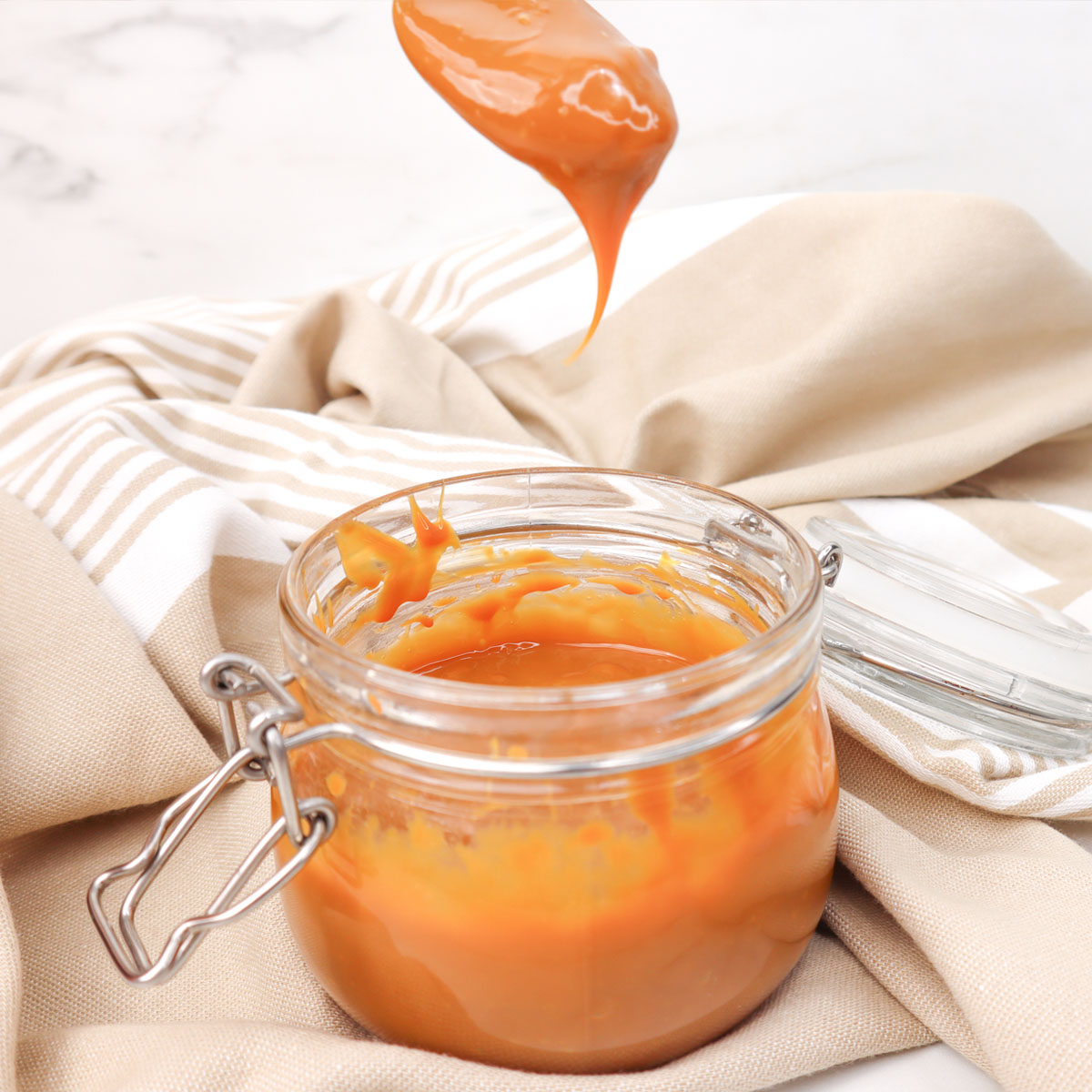
Does salt really make caramel taste better?
Yes. Always yes.
Salt doesn't make caramel salty, it makes it deeper. It cuts through the sweetness and sharpens the flavor, allowing the caramel notes to stand out instead of getting lost.
A pinch of sea salt turns caramel sauce from pleasant to unforgettable. It makes you taste the toasted sugar, the butter, the cream. It gives the sauce dimension.
This is why salted caramel became a classic. Not because it was trendy, but because it works.
How do you know when caramel is the right color?
Caramel waits for no one. One minute it's pale gold. The next, it's burnt.
You're looking for a deep amber color, like maple syrup, not coffee. It should smell warm and toasty, not bitter or sharp.
The moment it reaches that color, take it off the heat. Residual heat will continue cooking it, so stopping just in time is key.
Think of it like pulling toast from the toaster: slightly earlier than you think.
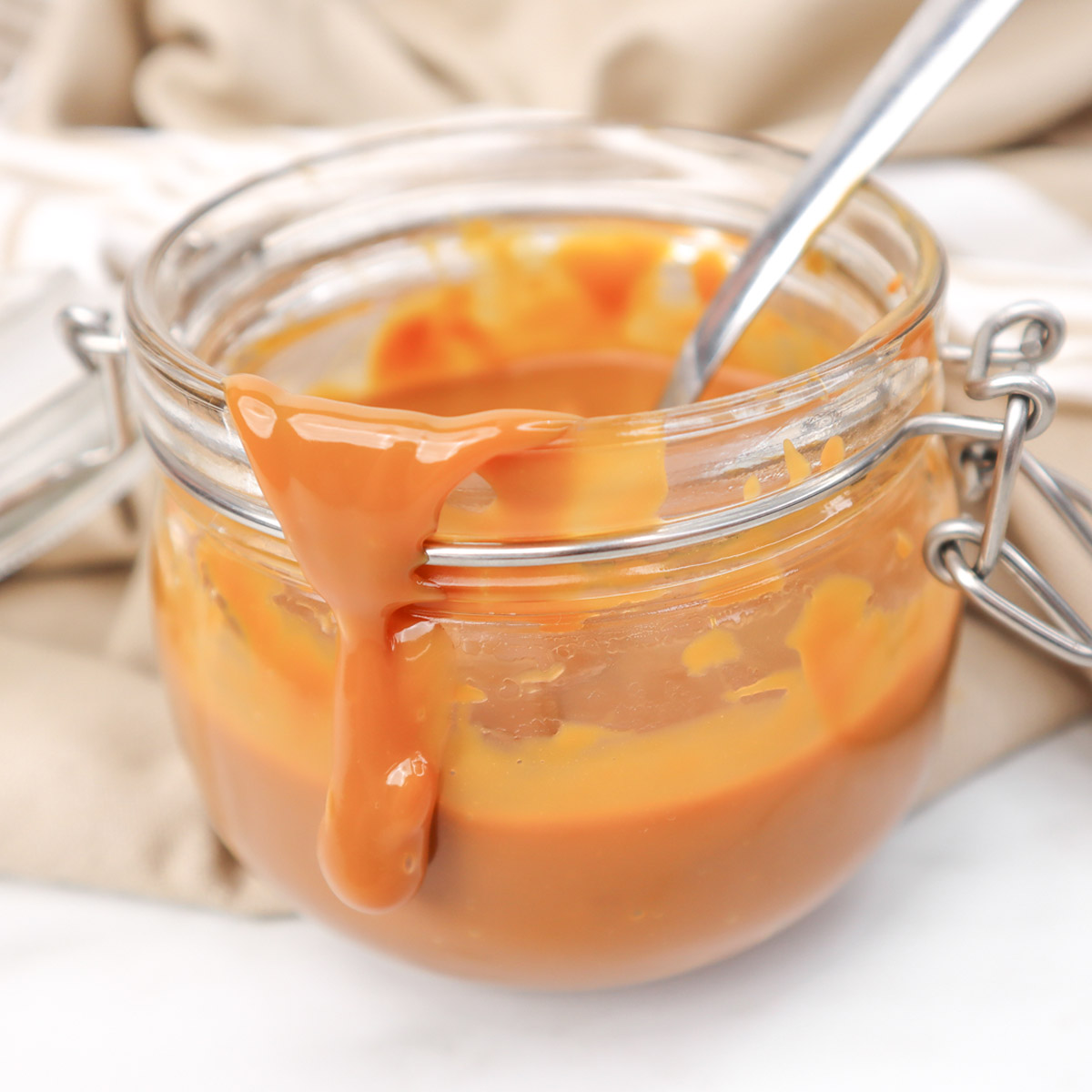
Why does homemade Caramel Sauce taste better than store-bought?
Store-bought caramel is often over-processed, overly thick, and dulled by preservatives. Homemade caramel sauce has brightness. It has warmth. It has personality.
When you make it yourself, you control the sweetness, the salt, the richness. You taste the real caramelization, not just sugar and thickeners.
It's not just better. It's more honest.
How to use caramel sauce in your cooking
Once you have a jar of caramel sauce in your fridge, it quietly starts improving everything.
- It turns oatmeal into dessert.
- It makes sliced apples feel special.
- It upgrades pancakes, waffles, ice cream, churros, yogurt, cakes, and coffee.
It's not just a sauce, it's a shortcut to indulgence.And the best part? It keeps beautifully. Make it once and enjoy it all week.
Caramel Sauce Recipe

Equipment
- Heavy-based saucepan
- Heatproof spatula or wooden spoon
- Heatproof bowl or jars for storing
- Oven mitts (the caramel gets very hot)
Ingredients
- 250 Grams White granulated sugar
- 75 Milliliters Water
- 200 Milliliters Double cream
- 60 Grams Unsalted butter
- 1 Teaspoon Vanilla extract
- ½ Teaspoon Sea salt
Instructions
- Add the sugar and water to a large, heavy-bottomed saucepan.250 Grams White granulated sugar, 75 Milliliters Water
- Place over low to medium heat and gently stir until the sugar fully dissolves into the water. The mixture will look cloudy but should feel smooth with no gritty sugar left.
- Once dissolved and starting to bubble, stop stirring completely and increase the heat to medium-high.
- Let the mixture boil undisturbed until it turns a deep amber color. This takes about 5-10 minutes depending on your pan and stove.
- When the caramel reaches the right color, carefully remove the pan from the heat.
- Slowly pour in the double cream while whisking continuously. The mixture will bubble and steam-this is normal.200 Milliliters Double cream
- Add the butter and whisk until fully melted and smooth.60 Grams Unsalted butter
- Stir in the vanilla extract, followed by the sea salt.1 Teaspoon Vanilla extract, ½ Teaspoon Sea salt
- Carefully pour the caramel into clean jars and allow it to cool at room temperature.
- Once cooled, refrigerate until ready to use.
Notes
- Watch the color: The caramel should be a rich amber. Too light will taste bland, too dark will be bitter.
- No stirring rule: Once boiling begins, do not stir or the sugar may crystallize.
- Warm cream: Slightly warming the cream before adding helps prevent clumping and extreme bubbling.
- Too thick? Reheat gently and whisk in a splash of cream to loosen it.
- Storage: Keep refrigerated for up to 2 weeks. Warm before using for a smooth pour.
- Flavor twist: Add a pinch of cinnamon or espresso powder for a deeper, richer caramel.
Nutrition
If you love recipes like this, you'll also enjoy exploring our other dessert favorites, from baked French toast with caramel sauce and chocolate waffles to churros and cozy chocolate chip cookies. You'll find them all on our website, along with step-by-step recipes designed to actually work in a real kitchen.
And if you want daily inspiration, behind-the-scenes cooking, and new recipes as soon as they're released, come find us on social media. That's where the kitchen conversation continues.
Because good food is better when it's shared, and caramel sauce is always worth talking about.


