


Índice
- Seu guia para clássicos e versões modernas do pão grego
- Pão Pita (pão achatado grego)
- Lagana (Pão achatado da segunda-feira limpa)
- Ladenia (pão achatado de tomate e cebola de Kimolos)
- Tsoureki (Pão Doce Grego de Páscoa)
- Christopsomo (Pão de Natal Grego)
- Vasilopita (Pão da Sorte do Ano Novo)
- Lazarakia (pãezinhos de Lázaro gregos)
- Horiatiko Psomi (Pão da Aldeia)
- Koulouri Thessalonikis (anéis de pão de gergelim)
- Kritsinia (palitos de pão gregos com gergelim)
- Stafidopsomo (Pães com Passas)
- Tiropsomo (Pão de Queijo Feta)
- Eliopsomo (Pão de Azeitona)
- Paximadi (Tostas de Cevada)
- Tiganopsomo (Pão Frito com Queijo Feta)
- Pão Spanakopita Twist (Espinafre e Queijo Feta Twist)
- Pão Pita sem Glúten (Adaptação Moderna)
- Loukoumades (bolinhas de massa com calda de mel)
- Como fazer uma bandeja de pão grego
- Perguntas frequentes sobre pão grego
- Qual é o pão grego mais popular?
- Qual pão grego é melhor para mergulhar?
- Como é chamado o pão doce grego?
- Posso fazer pão grego sem uma batedeira?
- Qual farinha é melhor para pão grego?
- Receita autêntica de pão pita grego
- Pão achatado tradicional de Lagana
- Ladenia com tomate tradicional
- Tsoureki grego tradicional
- Pão grego Christopsomo
- Vasilopita, o pão grego do Ano Novo.
- Lazarakia (pães de Lázaro da Páscoa grega)
- Pão da Aldeia (Horiatiko Psomi)
- Koulouri Tessalônica
- Palitos de pão gregos com gergelim (Kritsinia)
- Pão de Passas (Stafidopsomo)
- Pão de queijo feta grego (Tiropsomo)
- Pão de Azeitonas Grego (Eliopsomo)
- Tostas de cevada gregas autênticas (Paximadi)
- Tiganopsomo com queijo feta
- Pão Spanakopita Twist
- Pita Grega Sem Glúten
- Loukoumades (bolinhas de massa de mel)
A culinária grega possui uma rica tradição na produção de pão, desde os antigos pães achatados até os pães festivos de feriados. O pão é fundamental na cultura grega – seja um simples pão de aldeia servido em todas as refeições ou um pão doce e condimentado preparado para ocasiões especiais. Nesta seleção, exploramos mais de vinte tipos de pães gregos, incluindo clássicos tradicionais e criações modernas e inovadoras.
Seu guia para clássicos e versões modernas do pão grego
O pão grego é mais do que um acompanhamento. É história em um prato, desde simples pães de aldeia até pães ornamentados para festas que carregam tradições familiares. Nesta seleção, você encontrará mais de vinte tipos de pão grego: pães achatados macios, anéis de café da manhã com crosta de gergelim, pães de tomate ao estilo da ilha e pães doces comemorativos. Cada entrada está vinculada a uma receita confiável e bem testada e inclui ideias de acompanhamento, notas sobre ingredientes e contexto cultural.
Use este guia para planejar uma noite de mezze grego, assar um pão festivo para uma mesa festiva ou experimentar uma versão moderna com pão pita sem glúten ou spanakopita. Se você é novo no mundo dos pães gregos, comece com o pita. Padeiros experientes podem experimentar tsoureki, christopsomo e tostas de cevada.
Pão Pita (pão achatado grego)
A pita é o icônico pão achatado grego, macio e fofo, com um característico bolso interno. É um pão redondo fermentado com levedura que infla ao assar, criando uma bolsa de ar perfeita para rechear. Os gregos servem a pita com molhos como... tzatziki e homus, ou cortado em fatias com carnes grelhadas. Este pão achatado tem origens antigas e continua sendo um alimento básico na Grécia e na região do Mediterrâneo, apreciado por sua versatilidade e textura macia.
Além da mesa de jantar, o pão pita é mais famoso como a base para diversos pratos de comida de rua. Em Atenas e por toda a Grécia, os sanduíches de souvlaki e gyro são feitos com carne grelhada suculenta, tomates, cebolas e tzatziki enrolados em pão pita quente, muitas vezes com algumas batatas fritas por cima. O pão pita também é usado para acompanhar pratos salgados ou enrolado com recheios para lanches rápidos. Tradicionalmente, é assado em fornos quentes ou em uma chapa, o que o faz crescer e dourar lindamente. Para quem evita glúten, existem até opções com glúten. receitas de pão pita sem glúten que recriam a maciez e a praticidade deste clássico.
Receita autêntica de pão pita grego
Se você quiser fazer seu próprio pão pita grego autêntico, confira esta receita de pão pita grego autêntico do The Greek Foodie. Ela oferece um passo a passo para você conseguir pães pita fofinhos e perfeitos em casa. Com ingredientes simples e uma frigideira ou forno bem quente, você terá pães pita caseiros quentinhos, prontos para enrolar ou mergulhar em molhos!
Lagana (Pão achatado da segunda-feira limpa)
Lagana é um pão achatado grego tradicional, assado especialmente para a Segunda-feira Santa, o primeiro dia da Quaresma no calendário ortodoxo grego. Este pão achatado e oval geralmente é generosamente coberto com sementes de gergelim e se distingue por ser um azima Pão (sem fermento) em sua forma clássica. As famílias assam ou compram lagana apenas uma vez por ano para a festa da Segunda-feira Limpa, acompanhando frutos do mar e mezze no espírito quaresmal. O pão tem uma crosta levemente crocante e um interior arejado quando fresco. Muitas vezes contém azeite, o que a mantém úmida apesar da ausência de ovos ou laticínios (já que é tradicionalmente vegana durante a Quaresma).
A história da lagana remonta à antiguidade, mas ela continua sendo uma parte querida da cultura grega moderna durante a Quaresma. A receita leva ingredientes simples — farinha, água, fermento (versões modernas costumam usar fermento biológico), uma pitada de açúcar e sal — permitindo que o rico sabor do gergelim se destaque. Assar lagana enche a cozinha com um aroma tostado, e o pão achatado dourado resultante é delicioso mergulhado em taramasalata (pasta de ovas de peixe) ou apreciado puro.
Pão achatado tradicional de Lagana
Para experimentar esta delícia anual, use uma receita confiável como esta receita de pão achatado tradicional de Lagana do Souvlaki for the Soul, que ensina como criar a textura e a cobertura perfeitas.
Ladenia (pão achatado de tomate e cebola de Kimolos)
A ladenia é frequentemente chamada de "pizza grega" - um pão achatado rústico coberto com azeite, tomates maduros e cebolas. Originária da pequena ilha de Kimolos, no arquipélago das Cíclades, a ladenia é um prato puramente vegano que destaca ingredientes simples e de alta qualidade. A base do pão é semelhante à focaccia: uma massa macia e rica em azeite, prensada em uma forma. Em seguida, é coberta com fatias de tomate suculento e lascas de cebola, além de um fio de azeite extra virgem (na verdade, seu nome vem de Kimolos). senhora, palavra grega para "óleo"). Enquanto assa, os tomates assam e as cebolas caramelizam levemente, infundindo o pão com seus sucos doces.
Esta receita tradicional da ilha ganhou popularidade recentemente, à medida que mais pessoas descobrem seu encanto. A ladenia é melhor apreciada morna ou à temperatura ambiente, geralmente cortada em quadrados como aperitivo ou lanche. É totalmente à base de vegetais e era tradicionalmente um alimento da Quaresma ou do dia a dia em Kimolos, aproveitando os produtos frescos da ilha.
Ladenia com tomate tradicional
Imagine a ladenia como uma ancestral grega da pizza italiana – sem queijo ou molho pesado, mas absolutamente deliciosa. Se quiser provar essa iguaria do Egeu, siga a receita de ladenia com tomates tradicionais do livro Souvlaki for the Soul. Com instruções detalhadas, você poderá recriar o autêntico pão achatado Kimolos em casa.
Tsoureki (Pão Doce Grego de Páscoa)
O tsoureki é um pão de fermento macio e levemente adocicado, tradicionalmente feito para a Páscoa na Grécia. Sua característica mais marcante é o pão trançado, adornado com ovos cozidos tingidos de vermelho, aninhados na massa – um símbolo de nova vida e ressurreição. A massa rica do tsoureki é enriquecida com leite, manteiga, açúcar e ovos, e perfumada com temperos aromáticos como mahlep (ou mahaleb) – um tempero feito de caroços de cereja – e, frequentemente, resina de mástique ou raspas de laranja. O resultado é um pão dourado e fofo, com um sabor delicadamente adocicado e um aroma delicioso. Na época bizantina, era costume assar pães de Páscoa em formato de anel com um ovo vermelho no meio, uma tradição que continua presente no tsoureki até hoje.
Este pão trançado da Páscoa é semelhante a outros pães festivos, como o brioche ou a chalá, mas com um sabor inconfundivelmente grego. As famílias preparam a tsourekia durante a Semana Santa, e ela é partida e compartilhada após a missa da Ressurreição à meia-noite, na Páscoa. A trança do pão simboliza a Santíssima Trindade, e os ovos vermelhos representam o sangue de Cristo e o renascimento.
Tsoureki grego tradicional
O tsoureki é tão apreciado que os gregos agora o saboreiam o ano todo — variações como pães recheados com chocolate ou cobertos com amêndoas também aparecem no Natal ou no Ano Novo. Se você quiser assar um tsoureki autêntico, com seus sabores tradicionais e técnica de trançado, confira esta receita de Tsoureki Grego Tradicional do The Mediterranean Dish. Ela oferece um passo a passo (mesmo para quem está começando a fazer tsoureki) para alcançar aquela textura macia e fofa e a trança perfeita.
Christopsomo (Pão de Natal Grego)
Christopsomo, que se traduz como "pão de Cristo", é um pão doce e rico, assado na Grécia na véspera de Natal. Este pão redondo e doce é profundamente simbólico – é frequentemente decorado com uma cruz de massa na parte superior e outros padrões ornamentados (às vezes, as pessoas formam desenhos como flores, animais ou iniciais de família na massa). O Christopsomo geralmente é aromatizado com especiarias quentes, como canela, cravo, noz-moscada, anis e raspas de laranja, e pode incluir nozes ou outros ingredientes. passas. Antes do jantar de Natal, o chefe da família tradicionalmente faz o sinal da cruz sobre o Christopsomo e o corta em fatias, oferecendo uma oração por bênçãos para o ano que se inicia. Em muitas regiões, o pão é visto como um símbolo das esperanças da família por prosperidade e saúde.
Fazer Christopsomo é uma verdadeira demonstração de carinho: a massa é frequentemente amassada à mão e deixada a levedar lentamente, perfumando a casa com um aroma doce e especiado. Depois de assado, apresenta uma crosta dourada (muitas vezes pincelada com um pouco de azeite ou xarope) e um miolo macio, semelhante ao de um bolo. Uma noz inteira, com casca, é por vezes pressionada no centro do pão como parte da decoração, representando a fertilidade ou o nascimento de Jesus.
Pão grego Christopsomo
Cada pedaço de Christopsomo deve ser saboreado com reverência. Se você deseja vivenciar essa significativa tradição natalina grega, experimente a receita de Christopsomo da Dimitra. Ela ensina passo a passo como preparar a massa temperada e as belas decorações, para que você possa levar um pouco do espírito natalino grego para a sua mesa.
Vasilopita (Pão da Sorte do Ano Novo)
A vasilopita é o pão (ou às vezes bolo) grego do Ano Novo que esconde uma moeda da sorte. No dia de Ano Novo (Dia de São Basílio), as famílias cortam a vasilopita para abençoar a casa e ver quem encontra a moeda assada dentro – diz-se que essa pessoa terá boa sorte durante o ano. A vasilopita tradicional costuma ser um pão redondo, levemente adocicado, semelhante a um brioche ou tsoureki, aromatizado com laranja e, às vezes, mahlep. Outra versão popular se assemelha mais a um bolo denso. O que ambas têm em comum é o ritual: antes de cortar, uma cruz é desenhada na base do pão; a primeira fatia é para Jesus ou São Basílio, a segunda para a família e, em seguida, uma fatia para cada membro da família, em ordem de idade.
A vasilopita clássica, no estilo pão, é feita com leite, ovos, manteiga e aromatizada com raspas de frutas cítricas, enquanto a versão em bolo pode incluir baunilha e conhaque. A cobertura geralmente é polvilhada com açúcar de confeiteiro ou decorada com amêndoas sem pele formando o ano novo (por exemplo, “2025”). É uma delícia, mas a emoção está na busca pela moeda (embrulhada em papel alumínio antes de assar).
Vasilopita, o pão grego do Ano Novo.
Este pão festivo une comida, alegria e bênçãos. Se você quiser assar uma vasilopita para a sua celebração de Ano Novo, experimente a receita de Vasilopita de Ano Novo do Bowl of Delicious. Ela oferece instruções para uma vasilopita híbrida, úmida e com aroma de laranja, incluindo como inserir a moeda. Prepare-se para dar continuidade à tradição grega de brindar a um ano de boa sorte!
Lazarakia (pãezinhos de Lázaro gregos)
Lazarakia são pequenos pães doces e condimentados feitos para comemorar o Sábado de Lázaro (o dia anterior ao Domingo de Ramos). Esses pães peculiares têm o formato de homenzinhos envoltos em mortalhas – essencialmente, cada pão é moldado para se assemelhar à figura de São Lázaro envolto em vestes funerárias, muitas vezes com cravos-da-índia inteiros representando os olhos. Segundo a tradição, as famílias gregas assam Lazarakia para honrar o milagre de Jesus ressuscitando Lázaro dos mortos. Diferentemente da maioria dos pães festivos, os Lazarakia são veganos (quaresmais), não contendo ovos nem laticínios, já que o Sábado de Lázaro ocorre durante a Quaresma. Eles são tipicamente aromatizados com especiarias quentes como canela e cravo-da-índia, e às vezes recheados ou decorados com passas e nozes para dar um toque adocicado.
Lazarakia (pães de Lázaro da Páscoa grega)
Fazer Lazarakia é uma atividade divertida que geralmente envolve crianças, que ajudam a moldar as "bonecas" de massa. Cada pãozinho tem uma forma semelhante à de um humano: braços cruzados sobre o peito (formado pelo cruzamento de duas tiras de massa) e, às vezes, uma pequena "cabeça". Depois de assados, os pãezinhos ficam levemente doces, parecidos com pãezinhos de especiarias, e combinam muito bem com chá. Eles não são cobertos com glacê ou cobertura – a simplicidade é fundamental, refletindo a natureza solene, porém esperançosa, do dia. Se você quiser experimentar essas delícias simbólicas da Páscoa, siga esta receita autêntica de Lazarakia do My Greek Dish. Ela explica o processo de modelagem em detalhes e usa especiarias aromáticas para deixar sua cozinha com um aroma celestial. O resultado não é apenas delicioso, mas também uma maneira maravilhosa de vivenciar as tradições da Páscoa Ortodoxa Grega.
Horiatiko Psomi (Pão da Aldeia)
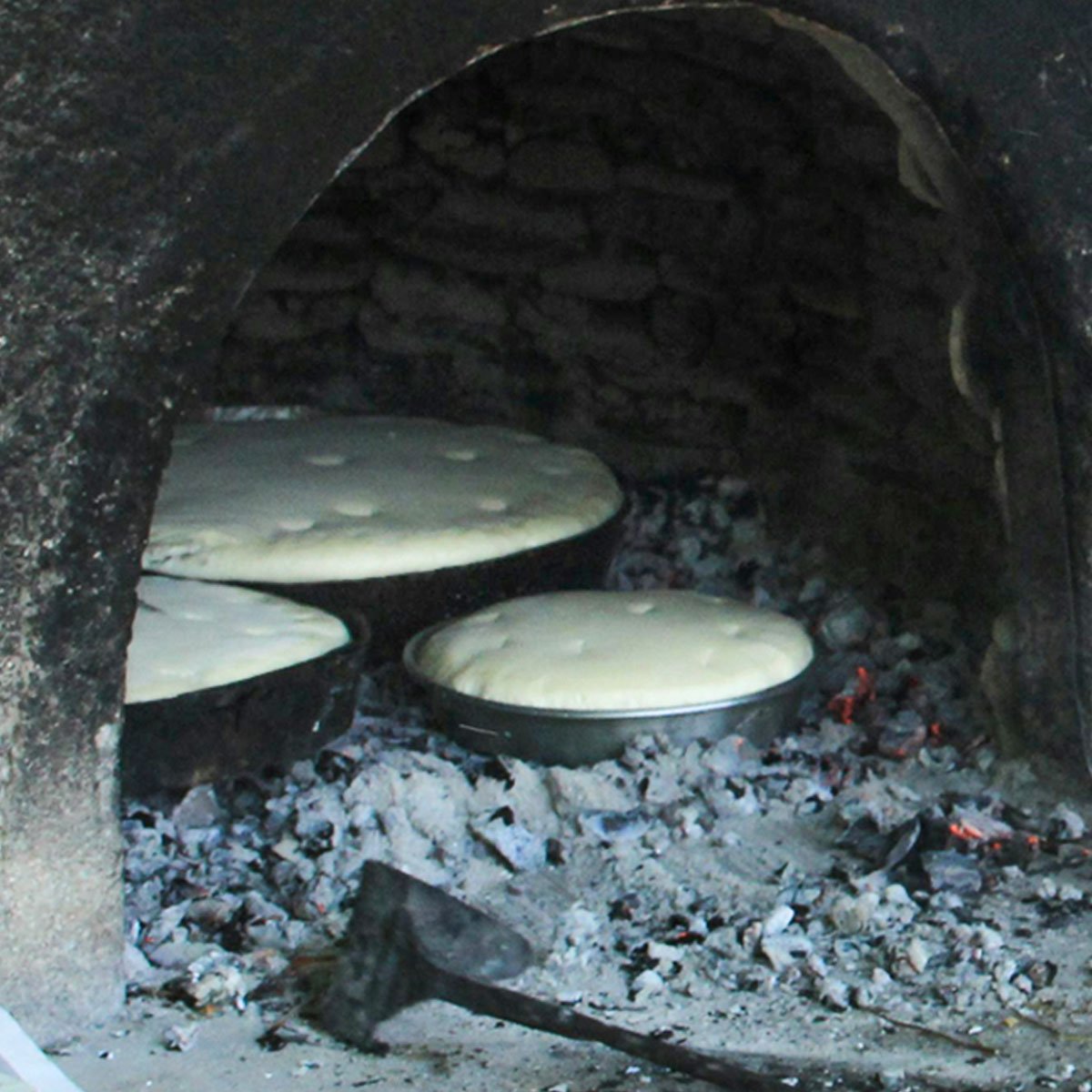
Horiatiko psomi significa literalmente "pão da aldeia" ou "pão do campo". Este é o pão rústico do dia a dia que alimentou gerações de gregos. É um pão crocante e substancioso, geralmente feito com uma combinação de farinha de trigo e, frequentemente, um pouco de farinha de cevada ou sêmola, o que lhe confere uma leve tonalidade dourada e um sabor robusto. O pão tradicional da aldeia costuma ser feito com fermento natural ou com uma pequena quantidade de fermento biológico, com um longo período de fermentação. A massa pode começar com... prozymi (fermento), às vezes até mesmo um fermento de grão-de-bico em tempos antigos, resultando em um pão com excelente profundidade de sabor. Depois de sovado, o pão redondo é comumente assado em forno a lenha, o que lhe confere uma crosta espessa e crocante.
A textura do horiatiko psomi é perfeita para mergulhar em azeite ou molhos – é macio e substancioso, com miolo aerado. É o pão servido em tabernas de vilarejos, trazido à mesa em fatias generosas para acompanhar saladas, sopas e pratos principais. Também se conserva bem; as fatias mais antigas costumam ser secas para fazer torradas ou usadas em receitas como... panzanella ou a salada grega com biscoitos (dakos).
Pão da Aldeia (Horiatiko Psomi)
Este é o tipo de pão que forma a base da dieta mediterrânea: simples, rústico e nutritivo. Se você adoraria assar um pão rústico crocante em casa, consulte a receita de Pão Rústico do blog My Greek Dish. Ela ensina como criar essa textura rústica, mesmo que você não tenha um forno a lenha. O resultado irá transportá-lo para uma cozinha no interior da Grécia, com o aroma de pão fresco perfumando o ar.
Koulouri Thessalonikis (anéis de pão de gergelim)
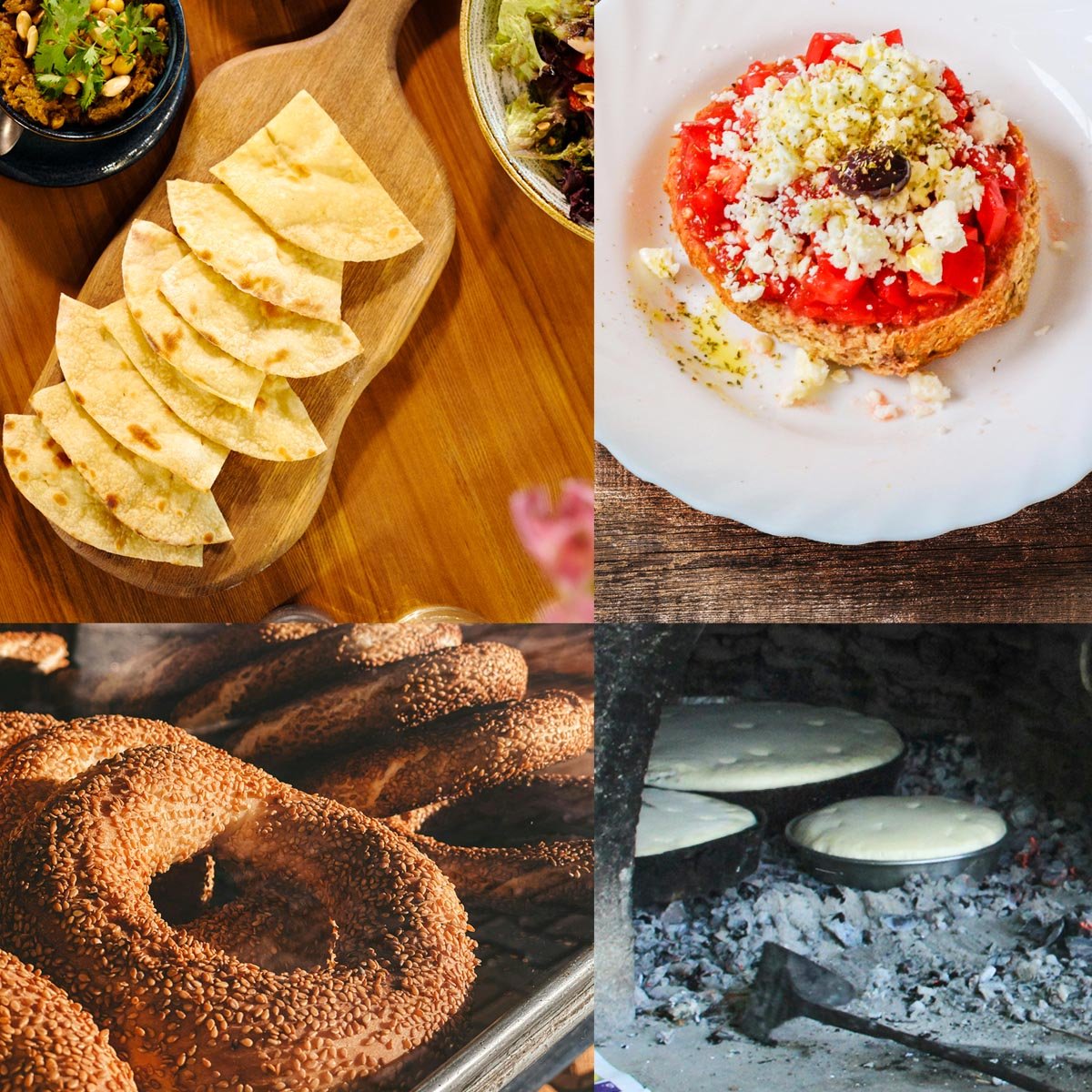
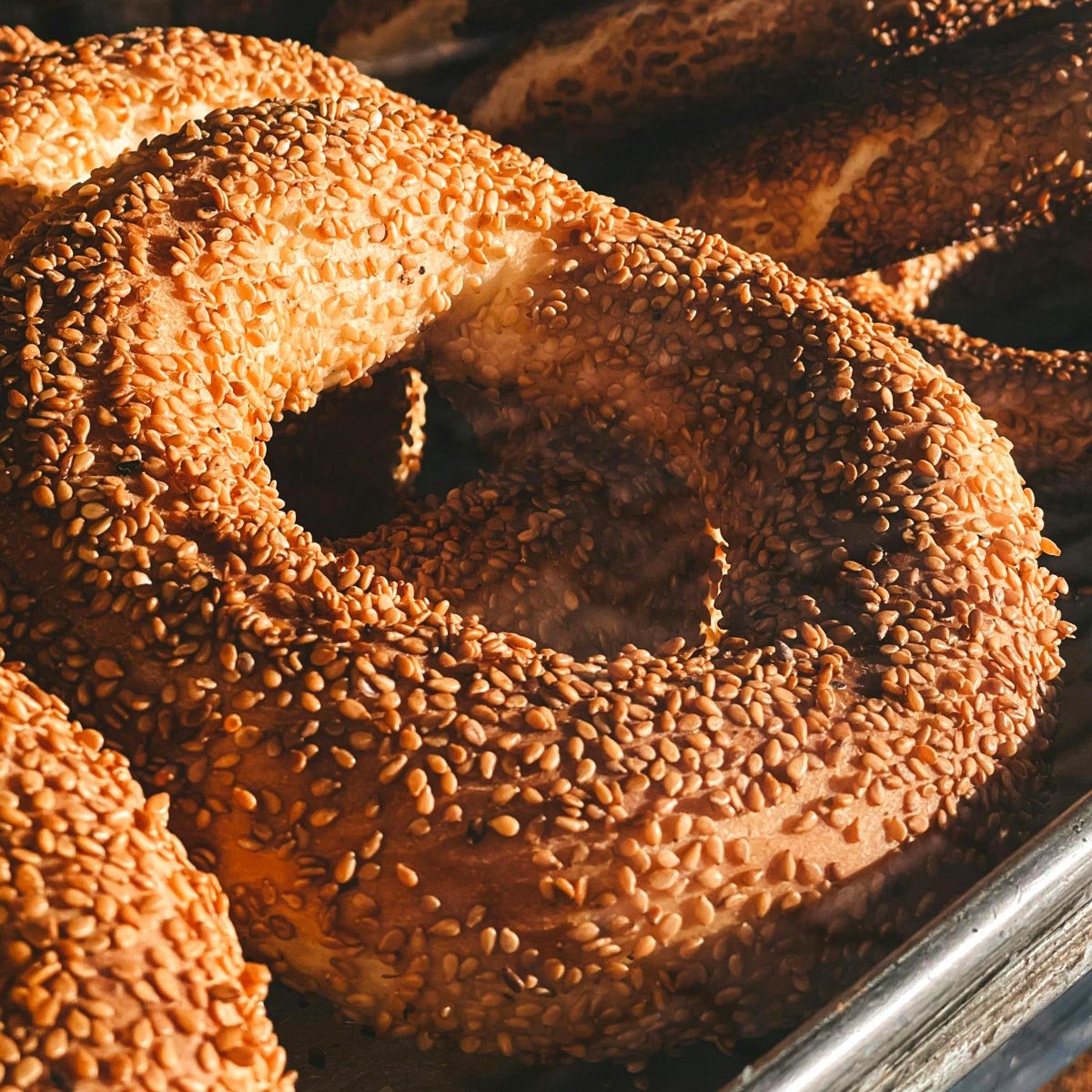
Se você caminhar pelas ruas da Grécia pela manhã, especialmente em Tessalônica ou Atenas, provavelmente encontrará vendedores ambulantes oferecendo produtos diversos. Koulouri Anéis de pão dourados com crosta de gergelim. Koulouri (plural koulouria) é um café da manhã grego muito apreciado: um pão circular que lembra um pouco um cruzamento entre um bagel e um pretzel (mas sem a fervura ou o tratamento com soda cáustica). Tem uma casca levemente crocante graças a uma generosa camada de sementes de gergelim e um interior macio e elástico. Tessalônica é particularmente famosa por seus koulouri, daí o nome "Koulouri Thessalonikis". Esses anéis não são muito grossos - geralmente são argolas finas com cerca de 12 a 15 centímetros de diâmetro. Têm um sabor suave, levemente adocicado e com um toque de fermento, o que os torna perfeitos para serem consumidos puros ou com um café.
A simplicidade do koulouri é parte do seu encanto: farinha, água, fermento, um toque de açúcar e muitas sementes de gergelim. No entanto, quando feito corretamente, é incrivelmente saboroso. Os gregos costumam apreciar o koulouri no café da manhã ou como um lanche no meio da manhã, e é comum ver pessoas saboreando um a caminho do trabalho ou da escola. Algumas variações modernas incluem adicionar especiarias ou cobrir com queijo, mas o clássico é simplesmente gergelim.
Koulouri Tessalônica
Para assar koulouri em casa, você pode usar uma receita que garanta a textura ideal: ligeiramente densa, mas ainda macia. Experimente a receita fácil de koulouri do Olive Tomato. Ela ensina como moldar a massa em anéis e obter aquele acabamento autêntico com crosta de gergelim. Em breve, você estará saboreando koulouri fresquinhas, tão boas quanto as de um vendedor ambulante grego!
Kritsinia (palitos de pão gregos com gergelim)
Kritsinia são palitos de pão crocantes gregos, geralmente cobertos com sementes de gergelim ou, às vezes, com outras sementes como girassol, linhaça ou anis. Frequentemente vendidos em padarias e supermercados por toda a Grécia, os kritsinia são um petisco popular que pode ser apreciado a qualquer hora do dia. Eles geralmente têm a espessura de um dedo e podem medir de 10 a 25 centímetros de comprimento. A textura é crocante, semelhante à dos grissini italianos, mas geralmente um pouco mais grossa e substanciosa. Algumas versões são feitas com farinha de trigo integral ou incluem um pouco de mel ou azeite para dar mais sabor. Como não contêm laticínios ou ingredientes perecíveis, os kritsinia se conservam bem e são perfeitos para levar consigo.
Palitos de pão gregos com gergelim (Kritsinia)
Na Grécia, você pode encontrar kritsini sendo oferecidos com seu café ou acompanhando uma tábua de queijos ou salada. As crianças adoram como um lanche saudável, e eles também são ótimos para mergulhar em pastas (experimente com tzatziki ou hummus). A própria palavra “kritsini” vem de... kritinos Significando "feito de cevada" em grego, já que algumas versões tradicionais eram feitas à base de cevada. Hoje em dia, são feitas com farinha de trigo comum ou integral. Para preparar uma fornada dessas delícias crocantes, experimente a receita de Palitos de Pão Gregos com Gergelim (Kritsinia) do livro The Mediterranean Dish. É uma receita fácil que resulta em palitos de pão maravilhosamente crocantes. Em menos de uma hora, você terá seus próprios palitos cobertos com gergelim prontos para mergulhar no seu molho favorito ou saborear puros como um lanche leve e sem culpa.
Stafidopsomo (Pães com Passas)
Stafidopsomo significa "pão de passas" em grego, e é um doce saudável frequentemente apreciado como um lanche no meio da manhã ou um café da manhã leve. Geralmente são pequenos pãezinhos individuais recheados generosamente com passas (stafides). O pão de passas grego é apenas levemente doce - a maior parte da doçura vem das próprias passas e, talvez, um toque de mel na massa. Muitas receitas também incluem canela, que combina perfeitamente com a explosão de doçura das passas. A massa pode ser feita com parte de farinha de trigo integral, tornando o stafidopsomo um produto assado relativamente saudável - na verdade, é comum encontrá-lo nas lancheiras das escolas gregas ou sendo vendido em redes de padarias como uma opção de "lanche saudável".
Pão de Passas (Stafidopsomo)
A textura do stafidopsomo é macia e fofa, muito parecida com a de um pãozinho tradicional, mas com um toque adocicado. Geralmente é encontrado em formato de nó ou em simples pãezinhos redondos. Você pode comê-los puros ou com um pouco de manteiga ou tahine. Esses pães de passas fornecem uma boa dose de energia graças aos açúcares naturais, e a adição de fibras da farinha integral e das frutas secas os torna bastante saciantes. Se você quiser recriá-los em casa (eles são uma ótima alternativa a doces ou muffins no café da manhã), experimente esta receita de Pão Grego de Passas (Stafidopsomo) do My Greek Dish. Ela ensina passo a passo como preparar a massa levemente adocicada com fermento e moldá-la em pãezinhos. Dar uma mordida em um stafidopsomo caseiro quentinho, com passas suculentas, é reconfortantemente delicioso e certamente lhe dará um gostinho da panificação caseira grega.
Tiropsomo (Pão de Queijo Feta)
Tiropsomo é um saboroso pão de queijo grego que qualquer amante de queijo vai adorar. O nome se traduz literalmente como "pão de queijo" (tiri significando queijo, psomi (significando pão). É essencialmente um pão rústico ou pão achatado enriquecido com pedaços de queijo feta por toda a massa ou, às vezes, recheado com uma mistura de feta. Conforme o pão assa, o feta salgado e cremoso amolece e impregna o pão com seu sabor. O resultado são bolsões de queijo derretido em cada fatia - é algo como a versão grega da focaccia recheada com queijo. Algumas receitas de tiropsomo incorporam iogurte grego ou azeite na massa para dar maciez, e você frequentemente encontrará um toque de orégano ou alecrim para complementar o queijo.
O tiropsomo é geralmente apreciado como aperitivo ou acompanhamento de refeições — imagine mergulhar um pedaço em uma tigela de sopa reconfortante ou servi-lo com azeitonas e tomates como parte de um almoço leve. É melhor comê-lo quente, quando o queijo feta ainda está macio. Em padarias gregas, você também pode encontrar pãezinhos individuais de tiropsoma (semelhantes a um pãozinho de queijo). Este pão demonstra a paixão dos gregos pelo queijo feta, incorporando-o diretamente em suas receitas.
Pão de queijo feta grego (Tiropsomo)
Para experimentar fazer tiropsomo em casa, confira a receita de Pão Grego com Feta (Tiropsomo) da Dimitra. Ela resulta em um pão macio e fofo com queijo feta por toda parte, e a Dimitra dá dicas para garantir que o queijo fique distribuído uniformemente. Uma mordida neste pão saboroso e você entenderá por que feta + pão é uma combinação perfeita.
Eliopsomo (Pão de Azeitona)
Eliopsomo – literalmente “pão de azeitona” – é um pão tradicional grego que combina dois elementos essenciais da vida grega: pão e azeitonas. Este pão aromático é geralmente feito com uma massa caseira, amassada com bastante azeitonas picadas (frequentemente azeitonas Kalamata ou pretas) e um bom fio de azeite. As azeitonas adicionam toques de sabor salgado por toda a massa macia, e o azeite deixa o pão úmido e tenro. Muitas versões também incluem ervas como alecrim, tomilho ou orégano, que combinam perfeitamente com as azeitonas. O aroma enquanto se assa um eliopsomo é incrível – como ter um olival grego na sua cozinha!
Este pão é frequentemente feito em formatos rústicos redondos ou, às vezes, como um pão achatado semelhante à focaccia. É maravilhoso puro, simplesmente fatiado e comido, ou servido com um pouco de queijo. O Eliopsomo também é ótimo para sanduíches (imagine com tomate fresco e queijo feta, que delícia!). Como as azeitonas fornecem o sal, o próprio pão não precisa de muito sal na massa. Cada mordida oferece um pedaço de pão macio com uma azeitona levemente salgada - um equilíbrio perfeito.
Pão de Azeitonas Grego (Eliopsomo)
Se você é um apreciador de azeitonas, com certeza vai querer assar um eliopsomo. Você pode seguir a receita de Pão de Azeitonas Grego (Eliopsomo) da Dimitra, que é simples e autêntica. Com a receita dela, você vai criar um pão crocante por fora, macio por dentro e repleto do sabor delicioso das azeitonas em cada mordida.
Paximadi (Tostas de Cevada)
Os paximadia são pães ou torradas tradicionais gregos, assados duas vezes – imagine fatias de pão bem duras e secas que podem ser armazenadas por longos períodos. Eram um alimento básico para os agricultores e marinheiros gregos no passado, devido à sua excelente durabilidade. Uma das variedades mais famosas é a torrada de cevada cretense (chamada de paximadia). Dakos (quando coberto com tomate e queijo feta, como na famosa salada cretense). Esses biscoitos são frequentemente feitos com cevada ou uma mistura de farinhas de cevada e trigo, o que lhes confere uma textura densa, alto teor de fibras e um sabor característico de nozes. A massa é primeiro assada em forma de pão, depois cortada e assada novamente em baixa temperatura para secar completamente.
Embora as paximadia sejam extremamente duras se mordidas puras, elas amolecem deliciosamente quando umedecidas — geralmente são mergulhadas rapidamente em água ou vinho antes de serem consumidas, ou cobertas com tomates picados suculentos e azeite, que as reidratam na medida certa. O resultado é uma base saborosa e nutritiva para diversos recheios. Elas também podem ser doces (como as torradas com sabor de canela e laranja), mas as de cevada pura são as mais comuns.
Tostas de cevada gregas autênticas (Paximadi)
Na culinária grega, você encontrará paximadi sendo usados no lugar de pão fresco em saladas ou acompanhando sopas. Eles também são apreciados com café (mergulhados como biscoitos). Se você quiser experimentar fazer paximadi autênticos, confira a receita de Torradas de Cevada Gregas Autênticas (Paximadi) no Olive Tomato. Ela ensina como moldar e assar a massa duas vezes para obter uma torrada bem crocante e repleta de sabor integral. Depois de preparar uma fornada, você pode criar seu próprio dakos: molhe as torradas, cubra com tomate fresco, queijo feta esfarelado, azeite e orégano – uma iguaria grega simples!
Tiganopsomo (Pão Frito com Queijo Feta)
Tiganopsomo é um pão achatado grego delicioso, frito na frigideira até ficar dourado e perfeito. Em grego, tiganopsomo Significa "pão de frigideira", e é exatamente assim que é feito: uma massa de pão simples, geralmente com um pouco de iogurte, é aberta e normalmente recheada ou polvilhada com queijo feta esfarelado, depois dobrada e frita em azeite até ficar crocante e fofa. O resultado é um pão saboroso e folhado por fora, com queijo feta quente e derretido por dentro. É como uma versão mais rápida, feita no fogão, de uma torta de queijo. Essa iguaria é originária do norte da Grécia, mas existem variações por todo o país (às vezes a massa é simplesmente frita sem recheio e o queijo é adicionado por cima depois).
Tiganopsomo com queijo feta
O tiganopsomo geralmente é servido como aperitivo ou mezze, cortado em fatias. Imagine um cruzamento entre um pão pita recheado e um queijo grelhado, mas com o sabor único do queijo feta e a crocância irresistível da massa frita. O ideal é comê-lo imediatamente, enquanto ainda está quente e crocante. Por ser tão saboroso, é comum prepará-lo em casa para aproveitar sobras de massa ou simplesmente para satisfazer a vontade de algo salgado. Se você quiser se deliciar, experimente fazer tiganopsomo com queijo feta usando a receita da Mia Kouppa. É surpreendentemente fácil: prepare uma massa rápida, incorpore o queijo feta e frite. Em poucos minutos, você terá um prato de tiganopsomo irresistível — mas cuidado, eles costumam desaparecer rapidinho!
Pão Spanakopita Twist (Espinafre e Queijo Feta Twist)
Esta criação moderna combina dois clássicos gregos: spanakopita (a tradicional torta de espinafre e feta) e pão! O pão trançado de spanakopita é um belo pão em formato de rosca, recheado com uma saborosa mistura de espinafre, ervas e feta, muito semelhante ao recheio da spanakopita. Uma versão popular, que ficou famosa entre os blogueiros de culinária, tem um formato trançado, onde camadas de massa envolvem o recheio verde, revelando espirais de espinafre quando assado. É essencialmente um pão recheado, mas apresentado de uma forma visualmente deslumbrante – geralmente como uma coroa torcida ou um pão para compartilhar. A massa costuma ser feita com fermento biológico e enriquecida com azeite, o que lhe confere uma textura macia e um sabor delicioso que complementa o recheio.
Pão Spanakopita Twist
Essa fusão de torta tradicional com pão é um sucesso em festas e reuniões familiares. É substanciosa e satisfatória, com todos os sabores da spanakopita — bastante espinafre, endro ou salsa, cebolinha e o sabor marcante do queijo feta — envoltos em uma massa folhada macia em vez de massa filo. O pão enrolado também é mais fácil de transportar e servir do que triângulos individuais de spanakopita, sendo perfeito para festas com pratos compartilhados. Para assar esse pão impressionante, você pode seguir a receita de Pão Enrolado de Spanakopita do Half Baked Harvest. Ela fornece instruções claras sobre como montar e enrolar o pão. O resultado não é apenas delicioso (quem resiste a queijo e espinafre em um pão?) mas também uma peça central deslumbrante para a sua mesa — um exemplo maravilhoso de uma releitura moderna dos sabores gregos.
Pão Pita sem Glúten (Adaptação Moderna)
O pão pita grego tradicional é feito com farinha de trigo, mas para aqueles que são intolerantes ou evitam o glúten, as cozinhas modernas desenvolveram receitas de pão pita sem glúten para que todos possam desfrutar deste alimento básico. Um pão pita sem glúten visa replicar a textura macia e flexível do original, muitas vezes usando uma mistura de farinhas como farinha de arroz, tapioca ou amido de batata, e talvez sorgo ou farinha de milho. Goma xantana ou casca de psyllium são normalmente adicionadas para imitar a elasticidade que o glúten forneceria, ajudando a massa a reter o ar e inchar. Embora os pães pita sem glúten nem sempre tenham um bolso grande, eles ainda podem ser enrolados ou dobrados e são maravilhosos para wraps ou servidos com molhos.
O processo para fazer pão pita sem glúten é semelhante: você prepara uma massa (geralmente um pouco mais pegajosa e macia do que a massa de trigo), deixa crescer, divide em porções e cozinha em uma frigideira quente ou pedra refratária. O resultado são pães achatados frescos e fofinhos, seguros para celíacos ou pessoas com sensibilidade ao glúten, mas ainda assim deliciosos. Muitas pessoas ficam agradavelmente surpresas com o resultado dessas alternativas: macios e até mesmo levemente elásticos, perfeitos para recheios de gyros ou souvlaki.
Pita Grega Sem Glúten
Se você precisa de uma receita confiável, experimente a receita de pão pita grego sem glúten do The Loopy Whisk. Ela foi testada minuciosamente para garantir que os pães pita cresçam e permaneçam flexíveis. Agora, mesmo uma dieta sem glúten não vai te impedir de saborear pão pita caseiro com seus pratos gregos favoritos!
Loukoumades (bolinhas de massa com calda de mel)
Para finalizar com chave de ouro, temos os loukoumades, muitas vezes descritos como rosquinhas de mel gregas. Embora não sejam um pão no sentido convencional, esses bolinhos de massa frita são uma parte apreciada da confeitaria grega e foram um dos itens solicitados em nossa seleção. Os loukoumades são pequenas bolas de massa fermentada, fritas até ficarem crocantes e douradas, e imediatamente embebidas ou regadas com uma calda de mel quente. Geralmente são servidos empilhados em uma travessa, cobertos de mel e frequentemente polvilhados com canela e nozes trituradas ou sementes de gergelim. O contraste de texturas é divino: a parte externa é levemente crocante, enquanto o interior permanece macio e aerado. Alguns dizem que os loukoumades remontam à Grécia Antiga (possivelmente oferecidos como prêmio aos vencedores das Olimpíadas), o que os torna um dos doces mais antigos de que se tem registro.
Na Grécia de hoje, você pode desfrutar de loukoumades em festivais, confeitarias ou zacharoplastia (Doçarias). O melhor é comê-los frescos e quentes, quando praticamente derretem na boca. Versões modernas incluem coberturas como calda de chocolate ou sorvete, mas a combinação clássica de mel e canela é imbatível. Fazer loukoumades em casa é bem simples: você prepara uma massa mole, deixa crescer e depois coloca colheradas ou pedacinhos da massa em óleo quente. Quando estiverem dourados e inchados, você os transfere para a calda e observa o brilho.
Loukoumades (bolinhas de massa de mel)
Se você está com vontade de saborear essas delícias doces e viciantes, siga a receita tradicional de Loukoumades do My Greek Dish. Ela oferece dicas para obter a textura perfeita e inclui as instruções para a calda de mel. Mas atenção: depois de provar os loukoumades caseiros, eles podem desaparecer mais rápido do que você imagina, pois todos vão querer "só mais um" desses bolinhos de mel deliciosos!
De pães crocantes típicos de vilarejo a pães doces festivos, a confeitaria grega oferece algo para todos os paladares. Esta coleção destaca como o pão na Grécia pode ser tanto alimento diário quanto o centro das celebrações. Seja preparando uma receita de família como o tsoureki para as festas de fim de ano ou experimentando um pão trançado de spanakopita, você estará participando de uma deliciosa herança cultural. Com as receitas acima, você pode trazer um pouco do sabor da Grécia para a sua própria cozinha. Καλή όρεξη - bom apetite e boas fornadas!
Como fazer uma bandeja de pão grego
- Base: um pão rústico de horiatiko psomi ou uma pilha de pão árabe quente.
- Acentos: azeitonas, fatias de tomate, pepino, queijo feta, alcaparras, orégano.
- Spreads: tzatziki, melitzanosalata, taramasalata, hummus.
- Cantinho Doce: fatias de tsoureki com mel e manteiga; uma tigela de nozes.
Perguntas frequentes sobre pão grego
Qual é o pão grego mais popular?
Pão pita é o pão grego mais conhecido em todo o mundo, graças aos giroscópios e ao souvlaki. Na Grécia, horiatiko psomi (pão da aldeia) é o pão da mesa de todos os dias.

Qual pão grego é melhor para mergulhar?
Esquentar Pão Pita e rústico horiatiko são ideais para azeite de oliva, molhos e ensopados saborosos. Paximadi fica perfeito quando umedecido e coberto para Dakos.
Como é chamado o pão doce grego?
Tsoureki é o clássico pão grego doce trançado, aromatizado com mahlep e laranja. Durante o Natal, procure cristópsomo, e no Ano Novo vasilopita.
Posso fazer pão grego sem uma batedeira?
Sim. A maioria das receitas aqui pode ser amassada à mão. Para massas enriquecidas como tsoureki, use ciclos curtos de amassamento com pausas para desenvolver o glúten.
Qual farinha é melhor para pão grego?
A farinha de trigo multiuso funciona para a maioria dos pães e pães achatados. Para horiatiko adicione semolina para dar cor e sabor. paximadi inclua farinha de cevada para autenticidade.
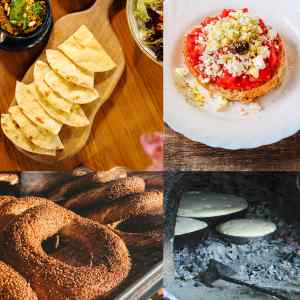
18 receitas tradicionais de pão grego

Utensílios
Ingredientes
- Receita autêntica de pão pita grego
- Pão achatado tradicional de Lagana
- Ladenia com tomate tradicional
- Tsoureki grego tradicional
- Pão grego Christopsomo
- Pão de Ano Novo Grego Vasilopita
- Lazarakia (pães de Lázaro da Páscoa grega)
- Pão da Aldeia (Horiatiko Psomi)
- Koulouri Tessalônica
- Palitos de pão gregos com gergelim (Kritsinia)
- Pão de Passas (Stafidopsomo)
- Pão de queijo feta grego (Tiropsomo)
- Pão de Azeitonas Grego (Eliopsomo)
- Tostas de cevada gregas autênticas (Paximadi)
- Tiganopsomo com queijo feta
- Pão Spanakopita Twist
- Pita Grega Sem Glúten
- Loukoumades (bolinhas de massa de mel)
Instruções
- Selecione suas receitas favoritas de pão grego!
- Organize todos os ingredientes necessários para o pão grego escolhido.
- Prepare sua receita de pão grego, sirva e aproveite.