


Daftar isi
- Panduan Anda untuk Roti Yunani Klasik dan Sentuhan Modern
- Roti Pita (Roti Pipih Yunani)
- Lagana (Roti Pipih Senin Bersih)
- Ladenia (Roti Datar Tomat & Bawang dari Kimolos)
- Tsoureki (Roti Manis Paskah Yunani)
- Christopsomo (Roti Natal Yunani)
- Vasilopita (Roti Keberuntungan Tahun Baru)
- Lazarakia (Roti Lazarus Yunani)
- Horiatiko Psomi (Roti Desa)
- Koulouri Thessaloniki (Cincin Roti Wijen)
- Kritsinia (Roti Stik Wijen Yunani)
- Stafidopsomo (Roti Gulung Kismis)
- Tiropsomo (Roti Keju Feta)
- Eliopsomo (Roti Zaitun)
- Paximadi (Kerupuk Jelai)
- Tiganopsomo (Roti Goreng dengan Keju Feta)
- Roti Spanakopita Twist (Bayam & Keju Feta)
- Roti Pita Bebas Gluten (Adaptasi Modern)
- Loukoumades (Bola Adonan Sirup Madu)
- Cara Membuat Piring Roti Yunani
- FAQ Roti Yunani
- Apa roti Yunani yang paling populer?
- Roti Yunani mana yang terbaik untuk dicelupkan?
- Apa nama roti manis Yunani?
- Bisakah saya membuat roti Yunani tanpa stand mixer?
- Tepung apa yang terbaik untuk roti Yunani?
- Resep roti pita Yunani asli
- Roti pipih Lagana tradisional
- Ladenia dengan tomat pusaka
- Tsoureki Yunani Tradisional
- Roti Christopsomo Yunani
- Vasilopita, roti Tahun Baru Yunani
- Lazarakia (Roti Lazarus Paskah Yunani)
- Roti Desa (Horiatiko Psomi)
- Koulouri Thessalonikis
- Roti Stik Wijen Yunani (Kritsinia)
- Roti Kismis (Stafidopsomo)
- Roti Keju Feta Yunani (Tiropsomo)
- Roti Zaitun Yunani (Eliopsomo)
- Rusk Jelai Yunani Asli (Paximadi)
- Tiganopsomo dengan keju feta
- Roti Spanakopita Twist
- Pita Yunani Bebas Gluten
- Loukoumades (Bola Adonan Madu)
Masakan Yunani memiliki tradisi pembuatan roti yang kaya, mulai dari roti pipih kuno hingga roti perayaan hari raya. Roti merupakan bagian penting dari budaya Yunani - baik itu roti desa sederhana yang disajikan di setiap hidangan atau roti manis berempah yang disiapkan untuk acara-acara khusus. Dalam rangkuman ini, kita akan menjelajahi lebih dari dua puluh jenis roti Yunani, baik klasik tradisional maupun kreasi modern yang kreatif.
Panduan Anda untuk Roti Yunani Klasik dan Sentuhan Modern
Roti Yunani lebih dari sekadar lauk. Roti ini menyimpan sejarah di atas piring, mulai dari roti desa sederhana hingga roti hari raya penuh hiasan yang mengusung tradisi keluarga. Dalam rangkuman ini, Anda akan menemukan lebih dari dua puluh jenis roti. roti Yunani: roti pipih lembut, roti sarapan berlapis wijen, roti tomat khas pulau, dan roti manis untuk perayaan. Setiap entri terhubung dengan resep tepercaya yang telah teruji dan mencakup ide penyajian, catatan bahan, dan konteks budaya.
Gunakan panduan ini untuk merencanakan malam mezze Yunani, memanggang roti meriah untuk meja hari raya, atau mencoba sentuhan modern dengan pita bebas gluten atau roti spanakopita. Jika Anda baru mengenal roti Yunani, mulailah dengan pita. Pembuat roti berpengalaman dapat mencoba tsoureki, christopsomo, dan kerupuk jelai.
Roti Pita (Roti Pipih Yunani)
Pita adalah roti pipih Yunani yang ikonik, lembut dan mengembang dengan kantong khas di dalamnya. Ini adalah roti pipih bundar yang difermentasi dengan ragi yang mengembang saat dipanggang, menciptakan kantong udara yang sempurna untuk diisi. Orang Yunani menyajikan pita bersama dengan saus celup seperti... kue lapis Dan bubur sumsum, atau dipotong-potong dengan daging panggang. Roti pipih ini memiliki asal-usul kuno dan tetap menjadi makanan pokok di Yunani dan wilayah Mediterania, dicintai karena keserbagunaannya dan teksturnya yang kenyal.
Di luar meja makan, pita paling terkenal sebagai pembungkus makanan jalanan yang digemari. Di Athena dan seluruh Yunani, sandwich souvlaki dan gyro dibuat dengan membungkus daging panggang yang juicy, tomat, bawang bombai, dan tzatziki dalam roti pita hangat, seringkali dengan beberapa kentang goreng di dalamnya. Roti pita juga digunakan untuk mengambil hidangan gurih atau digulung dengan isian untuk camilan cepat. Secara tradisional, roti ini dipanggang dalam oven panas atau di atas wajan datar, yang membuatnya mengembang dan berwarna cokelat keemasan. Bagi mereka yang menghindari gluten, bahkan ada pilihan roti pita bebas gluten. resep roti pita bebas gluten yang menghadirkan kembali kelembutan dan kenyamanan klasik dari produk ini.
Resep roti pita Yunani asli
Jika Anda ingin membuat pita Yunani otentik sendiri, lihat resep roti pita Yunani otentik ini dari The Greek Foodie. Resep ini menawarkan panduan langkah demi langkah untuk menghasilkan pita yang lembut dan sempurna di rumah. Dengan bahan-bahan sederhana dan wajan atau oven panas, Anda akan memiliki roti pita buatan sendiri yang hangat dan siap untuk dibungkus atau dicelupkan!
Lagana (Roti Pipih Senin Bersih)
Lagana adalah roti pipih tradisional Yunani yang khusus dipanggang untuk Senin Bersih, hari pertama Prapaskah dalam kalender Ortodoks Yunani. Roti pipih berbentuk oval ini biasanya ditaburi banyak biji wijen dan khas karena menjadi enzim Roti (tanpa ragi) dalam bentuk klasiknya. Keluarga memanggang atau membeli lagana hanya setahun sekali untuk pesta Senin Bersih, menemani hidangan laut dan mezze dalam semangat Prapaskah. Roti ini memiliki kulit yang agak renyah dan bagian dalam yang lapang saat masih segar. Seringkali mengandung minyak zaitun, yang membuatnya tetap lembap meskipun tanpa telur atau produk susu (karena secara tradisional vegan untuk masa Paskah).
Sejarah lagana berawal dari zaman kuno, tetapi tetap menjadi bagian yang dicintai dari budaya Yunani modern selama masa Paskah. Resepnya memiliki bahan-bahan sederhana - tepung, air, ragi (versi modern sering menggunakan ragi), sejumput gula, dan garam - sehingga rasa wijen yang kaya dapat menonjol. Memanggang lagana memenuhi dapur dengan aroma yang harum, dan roti pipih keemasan yang dihasilkan sangat lezat dicelupkan ke dalam taramasalata (saus telur ikan) atau dinikmati begitu saja.
Roti pipih Lagana tradisional
Untuk mencoba membuat sajian setahun sekali ini, gunakan resep yang dapat diandalkan seperti resep roti pipih Tradisional Lagana dari Souvlaki for the Soul, yang memandu Anda dalam menciptakan tekstur dan topping yang sempurna.
Ladenia (Roti Datar Tomat & Bawang dari Kimolos)
Ladenia sering disebut sebagai "pizza Yunani" - roti pipih sederhana yang diberi minyak zaitun, tomat matang, dan bawang bombai. Berasal dari pulau kecil Cycladic, Kimolos, ladenia adalah hidangan vegan murni yang menampilkan bahan-bahan sederhana dan berkualitas tinggi. Adonan rotinya mirip dengan focaccia: adonan lembut yang kaya minyak zaitun yang ditekan ke dalam wajan. Kemudian dilapisi dengan irisan tomat yang berair dan irisan bawang bombai, ditambah sedikit minyak zaitun extra virgin (bahkan, namanya berasal dari wanita, bahasa Yunani untuk "minyak"). Saat dipanggang, tomat akan terpanggang dan bawang bombai akan sedikit berkaramel, meresap ke dalam roti dengan sari manisnya.
Resep tradisional pulau ini baru-baru ini semakin populer karena semakin banyak orang menemukan pesonanya. Ladenia paling enak dinikmati hangat atau pada suhu ruangan, sering dipotong menjadi bentuk persegi sebagai hidangan pembuka atau camilan. Makanan ini sepenuhnya berbahan dasar tumbuhan dan secara tradisional merupakan makanan puasa atau makanan sehari-hari di Kimolos, yang memanfaatkan hasil bumi segar pulau tersebut.
Ladenia dengan tomat pusaka
Anggap saja ladenia sebagai nenek moyang pizza Italia dari Yunani - tanpa keju atau saus yang berat, tetapi sangat memuaskan. Jika Anda ingin mencicipi hidangan lezat dari Aegea ini, ikuti resep Ladenia dengan tomat heirloom dari Souvlaki for the Soul. Dengan instruksi yang detail, resep ini membantu Anda membuat roti pipih Kimolos otentik di rumah.
Tsoureki (Roti Manis Paskah Yunani)
Tsoureki adalah roti ragi lembut dan sedikit manis yang secara tradisional dibuat untuk Paskah di Yunani. Ciri khasnya yang paling mudah dikenali adalah roti yang dikepang dan dihiasi dengan telur rebus yang diwarnai merah yang diletakkan di dalam adonan - simbol kehidupan baru dan kebangkitan. Adonan tsoureki yang kaya diperkaya dengan susu, mentega, gula, dan telur, serta diberi aroma rempah-rempah seperti mahlep (mahaleb) - rempah yang terbuat dari biji ceri - dan seringkali getah damar atau kulit jeruk. Hasilnya adalah roti berwarna keemasan dan mengembang dengan rasa manis yang lembut dan aroma yang indah. Pada zaman Bizantium, sudah menjadi kebiasaan untuk memanggang roti Paskah berbentuk cincin dengan telur merah di tengahnya, sebuah tradisi yang berlanjut hingga saat ini dengan tsoureki.
Roti Paskah yang dikepang ini mirip dengan roti perayaan lainnya seperti brioche atau challah, namun memiliki cita rasa Yunani yang khas. Keluarga memanggang tsourekia selama Pekan Suci, dan roti ini dipatahkan dan dibagikan setelah kebaktian Kebangkitan tengah malam pada hari Paskah. Kepangan roti melambangkan Tritunggal Mahakudus, dan telur merah melambangkan darah Kristus dan kelahiran kembali.
Tsoureki Yunani Tradisional
Tsoureki sangat digemari sehingga orang Yunani kini menikmatinya sepanjang tahun - variasi seperti roti isi cokelat atau roti berlapis almond juga muncul saat Natal atau Tahun Baru. Jika Anda ingin memanggang tsoureki otentik, lengkap dengan cita rasa tradisional dan teknik mengepangnya, lihat resep Tsoureki Yunani Tradisional ini dari The Mediterranean Dish. Resep ini memberikan panduan langkah demi langkah (bahkan untuk pemula) untuk mencapai tekstur yang lembut dan empuk serta kepang yang indah.
Christopsomo (Roti Natal Yunani)
Christopsomo, yang diterjemahkan sebagai "roti Kristus," adalah roti manis yang kaya rasa yang dipanggang di Yunani pada Malam Natal. Roti bundar dan manis ini sangat simbolis - sering kali dihiasi dengan salib yang terbuat dari adonan di bagian atas dan pola-pola hiasan lainnya (kadang-kadang orang membuat desain seperti bunga, hewan, atau inisial keluarga di atas adonan). Christopsomo biasanya diberi bumbu rempah-rempah yang menghangatkan seperti kayu manis, cengkeh, pala, adas, dan kulit jeruk, dan mungkin juga mengandung kacang-kacangan atau kismis. Sebelum makan malam Natal, kepala keluarga secara tradisional membuat tanda salib di atas Christopsomo dan memotongnya, sambil memanjatkan doa memohon berkat di tahun mendatang. Di banyak daerah, roti ini dianggap sebagai simbol harapan keluarga akan kemakmuran dan kesehatan.
Membuat Christopsomo adalah sebuah pekerjaan yang membutuhkan cinta dan kesabaran - adonannya sering diuleni dengan tangan dan dibiarkan mengembang perlahan, memenuhi rumah dengan aroma manis dan beraroma rempah. Setelah dipanggang, roti ini memiliki kerak berwarna cokelat keemasan (sering diolesi sedikit minyak zaitun atau sirup) dan bagian dalam yang lembut seperti kue. Sebuah kenari utuh dengan cangkangnya terkadang ditekan ke tengah roti sebagai bagian dari hiasan, melambangkan kesuburan atau kelahiran Yesus.
Roti Christopsomo Yunani
Setiap potongan Christopsomo dimaksudkan untuk disantap dengan penuh penghormatan. Jika Anda ingin merasakan tradisi Natal Yunani yang bermakna ini, cobalah resep Christopsomo dari Dimitra. Resep ini memandu Anda dalam membuat adonan berbumbu dan hiasan yang indah, sehingga Anda dapat membawa sedikit semangat liburan Yunani ke meja Anda sendiri.
Vasilopita (Roti Keberuntungan Tahun Baru)
Vasilopita adalah roti (atau terkadang kue) Tahun Baru Yunani yang menyembunyikan koin keberuntungan. Pada Hari Tahun Baru (Hari Santo Basil), keluarga memotong vasilopita untuk memberkati rumah dan melihat siapa yang memenangkan koin yang dipanggang di dalamnya - orang tersebut dikatakan akan mendapatkan keberuntungan sepanjang tahun. Roti vasilopita tradisional seringkali berbentuk bulat, sedikit manis, mirip dengan brioche atau tsoureki, beraroma jeruk dan terkadang mahlep. Versi populer lainnya lebih mirip kue bolu padat. Yang sama adalah ritualnya: sebelum dipotong, salib diukir di bagian bawah roti, irisan pertama untuk Yesus atau Santo Basil, irisan kedua untuk seluruh keluarga, dan kemudian satu irisan untuk setiap anggota keluarga sesuai urutan usia.
Vasilopita klasik ala roti dibuat dengan susu, telur, mentega, dan diberi aroma kulit jeruk, sedangkan vasilopita ala kue mungkin mengandung vanili dan brendi. Bagian atasnya biasanya ditaburi gula bubuk atau dihias dengan almond yang sudah direbus membentuk angka tahun baru (misalnya, “2025”). Rasanya enak, tetapi keseruannya terletak pada pencarian koin (yang dibungkus dengan kertas timah sebelum dipanggang).
Vasilopita, roti Tahun Baru Yunani
Roti perayaan ini menghubungkan makanan dengan kesenangan dan berkah yang meriah. Jika Anda ingin memanggang vasilopita untuk perayaan Tahun Baru Anda, cobalah resep Roti Tahun Baru Vasilopita dari Bowl of Delicious. Resep ini memberikan petunjuk untuk membuat vasilopita hibrida kue-roti yang lembap dan beraroma jeruk, termasuk cara memasukkan koin. Bersiaplah untuk melanjutkan tradisi Yunani dalam mengiris roti untuk menyambut tahun yang penuh keberuntungan!
Lazarakia (Roti Lazarus Yunani)
Lazarakia adalah roti kecil manis berbumbu yang dibuat untuk memperingati Sabtu Lazarus (hari sebelum Minggu Palma). Roti unik ini berbentuk seperti manusia kecil yang dibungkus kain kafan – pada dasarnya, setiap roti dibentuk menyerupai sosok Santo Lazarus yang terbungkus kain kafan, seringkali dengan cengkeh utuh sebagai mata. Menurut tradisi, keluarga Yunani memanggang Lazarakia untuk menghormati mukjizat Yesus membangkitkan Lazarus dari kematian. Tidak seperti kebanyakan roti perayaan, Lazarakia adalah vegan (masa Prapaskah), tidak mengandung telur atau produk susu, karena Sabtu Lazarus jatuh selama masa Prapaskah. Biasanya diberi bumbu rempah hangat seperti kayu manis, cengkeh, dan kadang-kadang diisi atau dihias dengan kismis dan kacang-kacangan untuk menambah rasa manis.
Lazarakia (Roti Lazarus Paskah Yunani)
Membuat Lazarakia adalah aktivitas menyenangkan yang sering melibatkan anak-anak, yang membantu membentuk adonan menjadi "boneka". Setiap roti memiliki bentuk seperti manusia: lengan dilipat di dada (dibentuk dengan menyilangkan dua tali adonan) dan terkadang "kepala" kecil. Setelah dipanggang, roti ini sedikit manis, mirip dengan roti gulung berbumbu, dan cocok dipadukan dengan teh. Roti ini tidak diberi lapisan gula atau glasir - kesederhanaan adalah kuncinya, mencerminkan sifat khidmat namun penuh harapan dari hari itu. Jika Anda ingin mencoba suguhan simbolis untuk Paskah ini, ikuti resep Lazarakia otentik ini dari My Greek Dish. Resep ini menjelaskan proses pembentukannya secara detail dan menggunakan rempah-rempah harum untuk membuat dapur Anda berbau harum. Hasilnya tidak hanya lezat tetapi juga cara yang indah untuk terlibat dengan tradisi Paskah Ortodoks Yunani.
Horiatiko Psomi (Roti Desa)
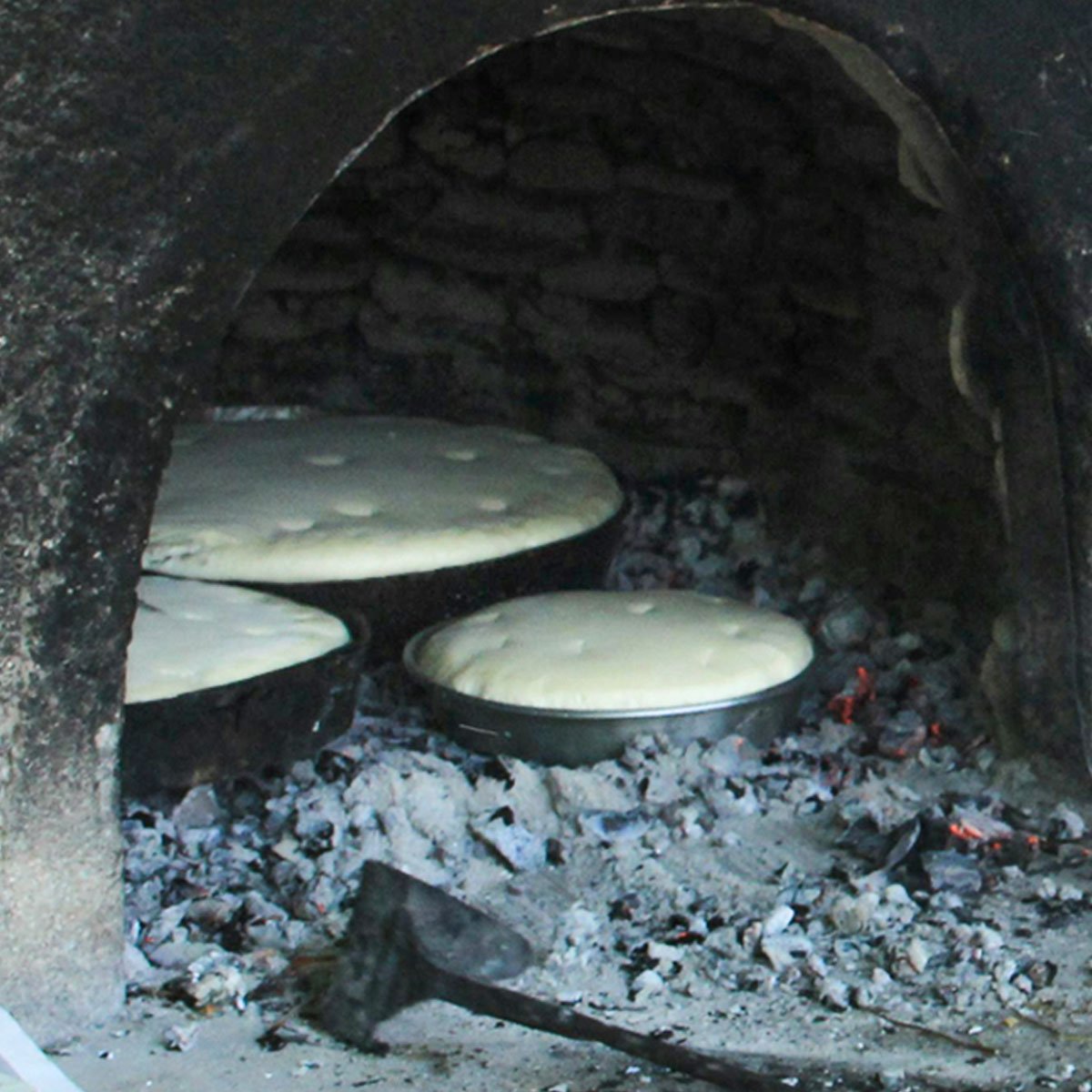
Horiatiko psomi secara harfiah berarti "roti desa" atau "roti pedesaan." Ini adalah roti sederhana sehari-hari yang telah menyehatkan generasi orang Yunani. Ini adalah roti yang renyah dan mengenyangkan, biasanya dibuat dengan kombinasi tepung terigu dan seringkali sedikit tepung barley atau semolina, yang memberikan warna keemasan muda dan rasa yang kuat. Roti desa tradisional seringkali berbahan dasar sourdough atau menggunakan sedikit ragi dengan proses pengembangannya yang lama. Adonan mungkin dimulai dengan... prozim (starter), terkadang bahkan starter buncis di masa lalu, menghasilkan roti dengan rasa yang sangat kaya. Setelah diuleni, roti bundar ini biasanya dipanggang dalam oven kayu bakar, yang menghasilkan kerak tebal dan renyah.
Tekstur horiatiko psomi sangat cocok untuk dicelupkan ke dalam minyak zaitun atau saus - kenyal dan padat, dengan remah yang berongga. Ini adalah roti yang disajikan di kedai-kedai di desa, dibawa ke meja dalam irisan tebal untuk menemani salad, sup, dan hidangan utama. Roti ini juga awet; irisan yang lebih tua sering dikeringkan untuk membuat biskuit kering atau digunakan dalam resep seperti panzanella atau salad Yunani dengan biskuit (dakos).
Roti Desa (Horiatiko Psomi)
Inilah jenis roti yang menjadi tulang punggung diet Mediterania - sederhana, bersahaja, dan bergizi. Jika Anda ingin memanggang roti desa yang renyah di rumah, lihat resep Roti Desa dari My Greek Dish. Resep ini memandu Anda untuk menciptakan tekstur bersahaja tersebut, bahkan jika Anda tidak memiliki oven berbahan bakar kayu. Hasilnya akan membawa Anda ke dapur pedesaan Yunani, dengan aroma roti segar yang memenuhi udara.
Koulouri Thessaloniki (Cincin Roti Wijen)
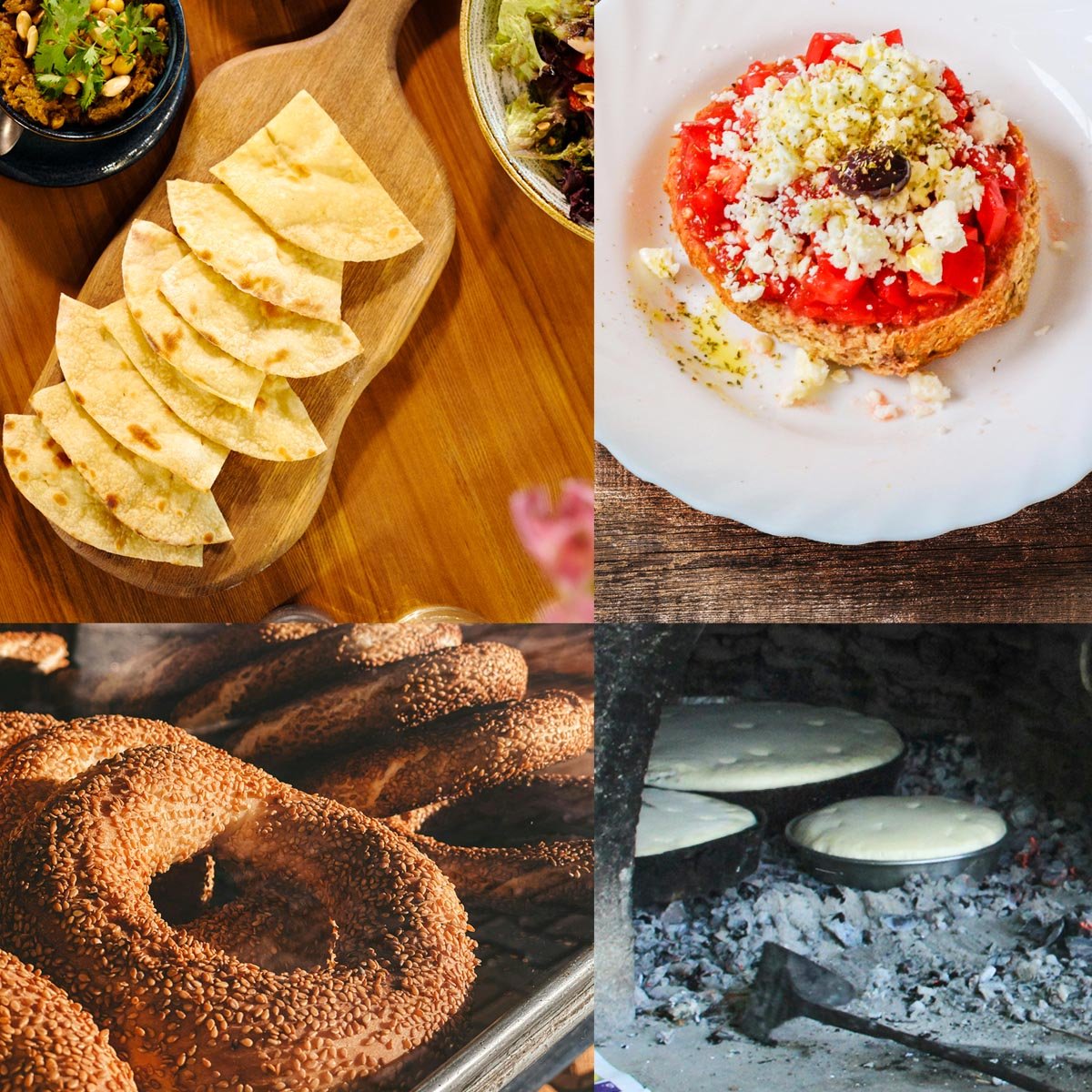
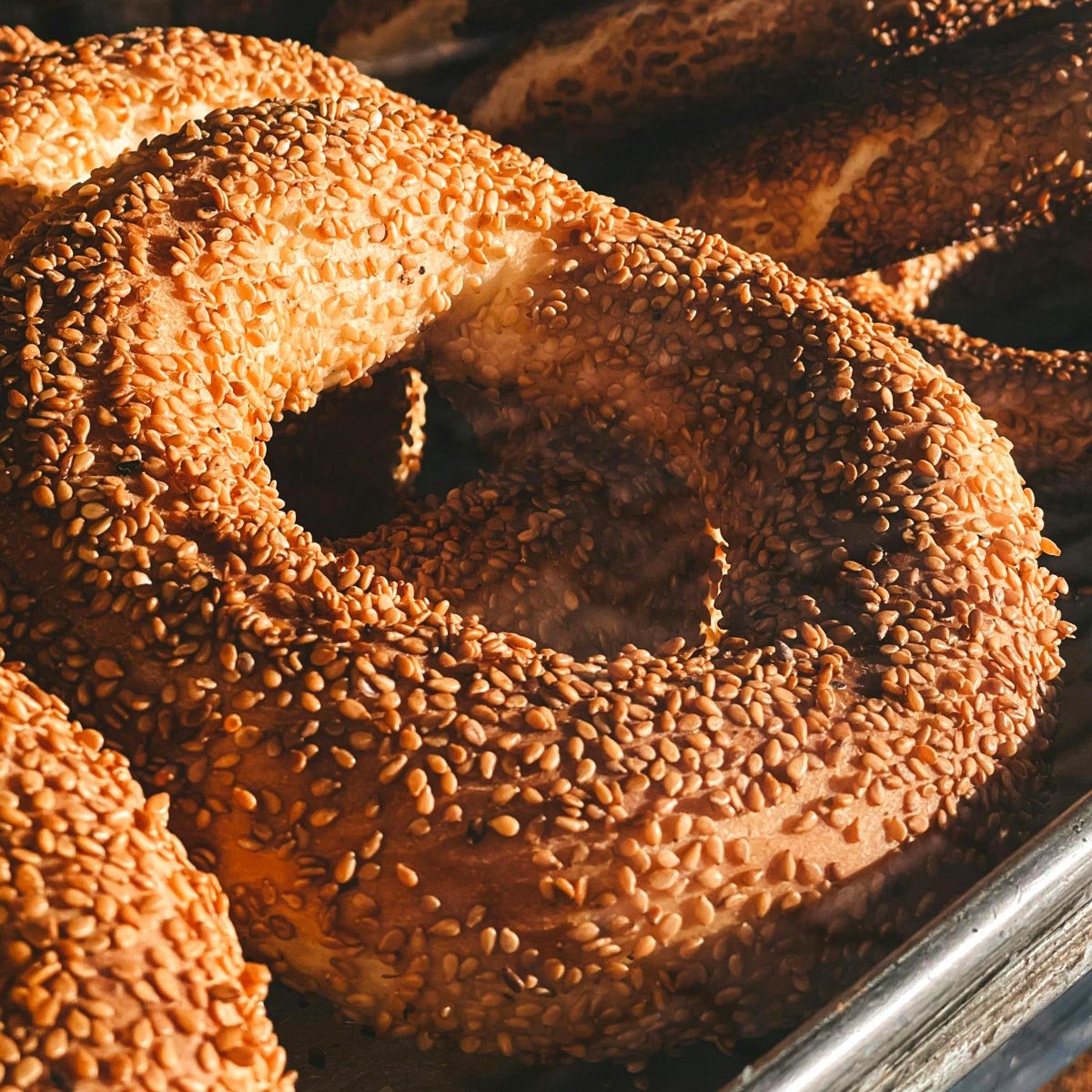
Jika Anda berjalan-jalan di jalanan Yunani pada pagi hari, terutama di Thessaloniki atau Athena, kemungkinan besar Anda akan menjumpai para pedagang yang menjual koulouri - Roti bundar berlapis wijen keemasan. Koulouri (jamak koulouria) adalah sarapan Yunani yang digemari banyak orang: roti bundar yang mirip perpaduan antara bagel dan pretzel (tetapi tanpa proses perebusan atau perlakuan alkali). Bagian luarnya sedikit renyah berkat lapisan biji wijen yang melimpah, dan bagian dalamnya lembut dan kenyal. Thessaloniki sangat terkenal dengan koulouri-nya, sehingga dinamakan "Koulouri Thessalonikis." Roti bundar ini tidak terlalu tebal - biasanya berbentuk lingkaran tipis dengan diameter sekitar 5-6 inci. Rasanya lembut, sedikit manis dan beraroma ragi, sehingga sangat cocok untuk dinikmati begitu saja atau dengan kopi.
Kesederhanaan koulouri adalah bagian dari daya tariknya: tepung, air, ragi, sedikit gula, dan banyak biji wijen. Namun, jika dibuat dengan benar, rasanya sangat memuaskan. Orang Yunani sering menikmati koulouri untuk sarapan atau camilan tengah pagi, dan umum untuk melihat orang-orang mengemilnya dalam perjalanan ke tempat kerja atau sekolah. Beberapa variasi modern termasuk menambahkan rempah-rempah atau taburan keju, tetapi yang klasik hanyalah wijen.
Koulouri Thessalonikis
Untuk memanggangnya di rumah, Anda bisa menggunakan resep yang menjamin tekstur yang tepat - sedikit padat tetapi tetap lembut. Cobalah resep Easy Koulouri dari Olive Tomato. Resep ini menunjukkan cara membentuk adonan menjadi cincin dan mendapatkan lapisan wijen yang autentik. Tak lama kemudian, Anda akan menikmati koulouria yang baru dipanggang, seenak yang dijual oleh pedagang kaki lima Yunani!
Kritsinia (Roti Stik Wijen Yunani)
Kritsinia adalah stik roti Yunani yang renyah, biasanya dilapisi biji wijen atau kadang-kadang biji lain seperti biji bunga matahari, biji rami, atau adas. Sering dijual di toko roti dan supermarket di seluruh Yunani, kritsinia adalah camilan populer yang dapat dinikmati kapan saja. Ukurannya biasanya sekitar setebal jari dan panjangnya bisa berkisar antara 4 hingga 10 inci. Teksturnya renyah - mirip dengan grissini Italia tetapi seringkali sedikit lebih tebal dan lebih padat. Beberapa versi dibuat dengan tepung terigu utuh atau menambahkan sedikit madu atau minyak zaitun untuk menambah rasa. Karena tidak mengandung susu atau bahan yang mudah rusak, kritsinia awet dan sangat cocok sebagai camilan praktis.
Roti Stik Wijen Yunani (Kritsinia)
Di Yunani, Anda mungkin akan ditawari kritsini bersama kopi Anda atau melihatnya disajikan bersama piring keju atau salad. Anak-anak menyukainya sebagai camilan sehat, dan juga cocok untuk dicelupkan ke dalam olesan (coba dengan tzatziki atau hummus). Kata "kritsini" sendiri berasal dari orang Kritinos Artinya "terbuat dari jelai" dalam bahasa Yunani, karena beberapa resep tradisional memang berbahan dasar jelai. Saat ini, roti ini dibuat dengan tepung serbaguna atau tepung gandum utuh. Untuk memanggang sendiri roti renyah ini, cobalah resep Greek Sesame Breadsticks (Kritsinia) dari The Mediterranean Dish. Ini adalah resep mudah yang menghasilkan roti renyah yang luar biasa. Dalam waktu kurang dari satu jam, Anda dapat memiliki roti berlapis wijen sendiri yang siap dicelupkan ke dalam saus favorit Anda atau dinikmati begitu saja sebagai camilan ringan tanpa rasa bersalah.
Stafidopsomo (Roti Gulung Kismis)
Stafidopsomo berarti "roti kismis" dalam bahasa Yunani, dan merupakan camilan sehat yang sering dinikmati sebagai kudapan tengah pagi atau sarapan ringan. Biasanya berupa roti gulung atau roti bundar kecil yang ditaburi kismis (stafides) dalam jumlah banyak. Roti kismis Yunani hanya sedikit manis - sebagian besar rasa manisnya berasal dari kismis itu sendiri dan mungkin sedikit madu dalam adonan. Banyak resep juga menyertakan kayu manis, yang sangat cocok dengan rasa manis kismis. Adonan dapat dibuat dengan sebagian tepung terigu utuh, sehingga stafidopsomo menjadi makanan panggang yang relatif sehat - bahkan, sering ditemukan di kotak bekal anak-anak sekolah Yunani atau dijual di toko roti sebagai pilihan "camilan sehat".
Roti Kismis (Stafidopsomo)
Tekstur stafidopsomo lembut dan mengembang, mirip dengan roti makan malam klasik tetapi lebih manis. Biasanya berbentuk simpul atau roti bundar sederhana. Anda bisa memakannya begitu saja atau diolesi sedikit mentega atau tahini. Roti kismis ini memberikan tambahan energi yang baik dari gula alami, dan tambahan serat dari tepung gandum utuh dan buah kering membuatnya cukup mengenyangkan. Jika Anda ingin membuatnya sendiri di rumah (roti ini merupakan alternatif yang bagus untuk kue kering atau muffin di pagi hari), cobalah resep Roti Kismis Yunani (Stafidopsomo) ini dari My Greek Dish. Resep ini memandu Anda dalam membuat adonan ragi yang sedikit manis dan membentuknya menjadi roti. Menggigit stafidopsomo hangat buatan rumah dengan kismis yang montok sangat lezat dan pasti akan memberi Anda cita rasa kue rumahan Yunani.
Tiropsomo (Roti Keju Feta)
Tiropsomo adalah roti keju Yunani gurih yang pasti disukai pecinta keju. Namanya secara harfiah berarti "roti keju" (tiri artinya keju, psomi (artinya roti). Pada dasarnya ini adalah roti tawar atau roti pipih sederhana yang diperkaya dengan potongan keju feta di seluruh adonan atau terkadang diisi dengan campuran feta. Saat roti dipanggang, feta yang asin dan lembut melunak dan meresap ke dalam roti. Anda akan mendapatkan kantung-kantung keju yang meleleh di setiap potongannya - ini sedikit mirip dengan focaccia isi keju versi Yunani. Beberapa resep tiropsomo menggabungkan yogurt Yunani atau minyak zaitun ke dalam adonan untuk kelembutan, dan Anda sering menemukan sedikit oregano atau rosemary untuk melengkapi keju.
Tiropsomo umumnya dinikmati sebagai hidangan pembuka atau pendamping makanan - bayangkan mencelupkan sepotong ke dalam semangkuk sup hangat atau menyajikannya dengan zaitun dan tomat sebagai bagian dari makan siang ringan. Paling enak dimakan hangat saat keju feta masih lembut. Di toko roti Yunani, Anda mungkin juga menemukan roti tiropsoma individual (konsepnya mirip dengan roti keju). Roti ini menunjukkan kecintaan orang Yunani pada keju feta, dengan memasukkannya langsung ke dalam proses pembuatan roti mereka.
Roti Keju Feta Yunani (Tiropsomo)
Untuk mencoba membuat tiropsomo sendiri, lihat resep Roti Feta Yunani (Tiropsomo) dari Dimitra. Hasilnya adalah roti yang lembut dan mengembang dengan keju feta di seluruh bagiannya, dan dia memberikan tips untuk memastikan keju terdistribusi secara merata. Satu gigitan roti gurih ini dan Anda akan mengerti mengapa feta + roti adalah kombinasi yang sempurna.
Eliopsomo (Roti Zaitun)
Eliopsomo - secara harfiah berarti "roti zaitun" - adalah roti tradisional Yunani yang menggabungkan dua makanan pokok kehidupan Yunani: roti dan zaitun. Roti harum ini biasanya menggunakan adonan roti ala desa yang diuleni dengan banyak zaitun cincang (seringkali zaitun Kalamata atau zaitun hitam) dan sedikit minyak zaitun. Zaitun menambahkan cita rasa asin yang menyegarkan di seluruh bagian roti yang lembut, dan minyak zaitun membuat roti menjadi lembap dan empuk. Banyak versi juga menyertakan rempah-rempah seperti rosemary, thyme, atau oregano, yang sangat cocok dipadukan dengan zaitun. Aroma saat memanggang eliopsomo sungguh luar biasa - seperti kebun zaitun Yunani di dapur Anda!
Roti ini sering dibuat dalam bentuk bulat sederhana atau terkadang sebagai roti pipih mirip focaccia. Rasanya enak dimakan begitu saja, cukup diiris dan dimakan, atau disajikan dengan sedikit keju. Eliopsomo juga cocok untuk dijadikan sandwich (bayangkan dengan tomat segar dan keju feta, lezat!). Karena zaitun memberikan rasa asin, roti itu sendiri tidak membutuhkan banyak tambahan garam dalam adonannya. Setiap gigitan memberikan Anda potongan roti yang kenyal dengan zaitun yang sedikit asin - keseimbangan yang sempurna.
Roti Zaitun Yunani (Eliopsomo)
Jika Anda penggemar zaitun, Anda pasti ingin memanggang eliopsomo. Anda dapat mengikuti resep Roti Zaitun Yunani (Eliopsomo) dari Dimitra, yang sederhana dan otentik. Dengan resepnya, Anda akan membuat roti yang renyah di luar, lembut di dalam, dan penuh dengan kelezatan zaitun di setiap gigitan.
Paximadi (Kerupuk Jelai)
Paximadia adalah roti panggang dua kali tradisional Yunani atau biskuit kering - bayangkan roti ini sangat keras dan kering, sehingga dapat disimpan dalam jangka waktu lama. Roti ini merupakan makanan pokok bagi petani dan pelaut Yunani di masa lalu karena daya tahannya yang sangat baik. Salah satu varietas yang paling terkenal adalah biskuit kering jelai Kreta (disebut dakos (jika diberi topping tomat dan feta, seperti pada salad Kreta yang terkenal). Rusk ini sering dibuat dengan jelai atau campuran tepung jelai dan gandum, yang memberikan tekstur padat, kandungan serat tinggi, dan rasa kacang yang khas. Adonan dipanggang terlebih dahulu hingga membentuk roti, lalu dipotong dan dipanggang kembali pada suhu rendah hingga benar-benar kering.
Meskipun paximadia sangat keras jika digigit begitu saja, teksturnya akan melunak dengan nikmat saat dibasahi - seringkali dicelupkan sebentar ke dalam air atau anggur sebelum dimakan, atau diberi potongan tomat segar dan minyak zaitun yang cukup untuk menghidrasinya kembali. Hasilnya adalah tekstur kenyal yang memuaskan dan dasar yang sehat untuk berbagai topping. Paximadia juga bisa manis (seperti biskuit rasa kayu manis dan jeruk), tetapi yang polos dari jelai adalah yang paling umum.
Rusk Jelai Yunani Asli (Paximadi)
Dalam masakan Yunani, Anda akan melihat paximadi digunakan sebagai pengganti roti segar dalam salad atau sebagai pendamping sup. Paximadi juga dinikmati bersama kopi (dicelupkan seperti biscotti). Jika Anda ingin mencoba membuat paximadi otentik, lihat resep Authentic Greek Barley Rusks (Paximadi) di Olive Tomato. Resep tersebut memandu Anda dalam membentuk dan memanggang adonan dua kali untuk mendapatkan roti kering yang keras dan kaya akan kebaikan biji-bijian utuh. Setelah Anda memiliki satu batch, Anda dapat membuat dakos sendiri: rendam roti kering, beri topping tomat segar, keju feta yang dihancurkan, minyak zaitun, dan oregano - hidangan lezat Yunani yang sederhana!
Tiganopsomo (Roti Goreng dengan Keju Feta)
Tiganopsomo adalah roti pipih Yunani yang lezat, digoreng hingga berwarna keemasan sempurna. Dalam bahasa Yunani, tiganopsomo Artinya "roti wajan penggorengan," dan memang begitulah cara pembuatannya - adonan roti sederhana, seringkali dengan sedikit yogurt di dalamnya, digulung dan biasanya diisi atau ditaburi keju feta yang dihancurkan, kemudian dilipat dan digoreng dalam minyak zaitun hingga renyah dan mengembang. Hasilnya adalah roti gurih dan berlapis di bagian luar dengan keju feta hangat dan meleleh di dalamnya. Ini seperti versi pai keju yang lebih cepat dan dimasak di atas kompor. Hidangan ini berasal dari Yunani utara, tetapi variasinya ada di seluruh negeri (kadang-kadang adonannya hanya digoreng tanpa isian dan keju ditambahkan di atasnya setelahnya).
Tiganopsomo dengan keju feta
Tiganopsomo biasanya disajikan sebagai hidangan pembuka atau mezze, dipotong menjadi beberapa bagian. Bayangkan perpaduan antara pita isi dan keju panggang - tetapi dengan cita rasa unik keju feta dan kerenyahan adonan goreng yang tak tertahankan. Hidangan ini paling enak disantap segera, selagi panas dan renyah. Karena rasanya yang sangat lezat, hidangan ini sering dibuat di rumah tangga sebagai cara untuk menghabiskan sisa adonan atau hanya untuk memuaskan keinginan akan sesuatu yang gurih. Jika Anda ingin mencoba sesuatu yang lezat, cobalah membuat Tiganopsomo dengan Feta menggunakan resep Mia Kouppa. Cara membuatnya sangat mudah: buat adonan cepat, campurkan keju feta, dan goreng. Dalam beberapa menit Anda akan mendapatkan sepiring tiganopsomo yang tak tertahankan - hati-hati, hidangan ini cenderung cepat habis!
Roti Spanakopita Twist (Bayam & Keju Feta)
Kreasi modern ini menggabungkan dua hidangan favorit Yunani: spanakopita (pai bayam dan keju feta klasik) dan roti! Roti spanakopita berbentuk spiral ini berupa roti bundar atau cincin yang diisi dengan campuran bayam, rempah-rempah, dan keju feta yang gurih, mirip dengan isian spanakopita. Salah satu versi populer yang dipopulerkan oleh para blogger makanan melibatkan bentuk spiral atau kepang di mana lapisan adonan membungkus isian hijau, memperlihatkan pusaran bayam saat dipanggang. Pada dasarnya ini adalah roti isi, tetapi disajikan dengan cara yang menakjubkan secara visual - seringkali sebagai karangan bunga spiral atau roti yang bisa dipisah-pisah, cocok untuk dibagikan. Bagian rotinya biasanya berupa adonan ragi yang diperkaya dengan minyak zaitun, yang memberikan tekstur lembut dan rasa yang enak yang melengkapi isiannya.
Roti Spanakopita Twist
Perpaduan antara pai dan roti tradisional ini sangat populer di pesta dan acara keluarga. Hidangan ini mengenyangkan dan memuaskan, dengan semua cita rasa spanakopita - banyak bayam, dill atau peterseli, daun bawang, dan keju feta yang tajam - yang dibungkus dengan roti yang lembut, bukan adonan phyllo. Roti gulung ini juga lebih mudah dibawa dan disajikan daripada spanakopita berbentuk segitiga, sehingga cocok untuk acara makan bersama. Untuk memanggang roti yang mengesankan ini, Anda dapat mengikuti resep Spanakopita Bread Twist dari Half Baked Harvest. Resep ini memberikan instruksi yang jelas tentang cara merakit dan menggulung roti. Hasilnya tidak hanya lezat (siapa yang bisa menolak keju dan bayam yang dibungkus roti?) tetapi juga menjadi pusat perhatian di meja Anda - contoh yang luar biasa dari sentuhan modern pada cita rasa Yunani.
Roti Pita Bebas Gluten (Adaptasi Modern)
Pita tradisional Yunani terbuat dari tepung terigu, tetapi bagi mereka yang intoleran gluten atau menghindari gluten, dapur modern telah mengembangkan resep roti pita bebas gluten agar semua orang dapat menikmati makanan pokok ini. Pita bebas gluten bertujuan untuk meniru tekstur lembut dan fleksibel dari pita aslinya, seringkali menggunakan campuran tepung seperti tepung beras, tapioka atau tepung kentang, dan mungkin tepung sorgum atau jagung. Xanthan gum atau sekam psyllium biasanya ditambahkan untuk meniru elastisitas yang diberikan gluten, membantu adonan memerangkap udara dan mengembang. Meskipun pita bebas gluten mungkin tidak selalu memiliki kantong yang besar, pita ini masih dapat digulung atau dilipat dan sangat cocok untuk dijadikan wrap atau disajikan dengan saus.
Proses pembuatan pita bebas gluten serupa - Anda membuat adonan (biasanya sedikit lebih lengket dan lembut daripada adonan gandum), membiarkannya mengembang, lalu membagi dan memasaknya di atas wajan panas atau batu oven. Hasilnya adalah roti pipih yang mengembang sempurna, aman untuk penderita penyakit celiac atau orang yang sensitif terhadap gluten, namun tetap lezat. Banyak orang terkejut dengan betapa enaknya alternatif ini - lembut dan bahkan sedikit kenyal, sempurna untuk isian gyros atau souvlaki.
Pita Yunani Bebas Gluten
Jika Anda membutuhkan resep yang terpercaya, cobalah resep Roti Pita Yunani Bebas Gluten dari The Loopy Whisk. Resep ini telah diuji secara menyeluruh untuk memastikan roti pita mengembang dan tetap lentur. Kini, bahkan diet bebas gluten pun tidak akan menghalangi Anda untuk menikmati roti pita buatan sendiri dengan hidangan Yunani favorit Anda!
Loukoumades (Bola Adonan Sirup Madu)
Kita akhiri dengan sesuatu yang manis: loukoumades, yang sering digambarkan sebagai donat madu Yunani. Meskipun bukan roti dalam pengertian konvensional, kue goreng ini merupakan bagian yang sangat disukai dari kue-kue Yunani dan diminta dalam rangkuman kami. Loukoumades adalah bola-bola kecil adonan beragi, digoreng hingga renyah dan berwarna keemasan, kemudian segera direndam atau dilumuri sirup madu hangat. Biasanya disajikan bertumpuk di atas piring, lengket dengan madu dan sering ditaburi kayu manis dan kacang kenari cincang atau biji wijen. Kontras teksturnya sangat nikmat - bagian luarnya sedikit renyah, sedangkan bagian dalamnya tetap lembut dan berongga. Beberapa orang mengatakan loukoumades berasal dari Yunani kuno (mungkin diberikan kepada pemenang Olimpiade sebagai hadiah), menjadikannya salah satu kue kering tertua yang tercatat.
Di Yunani saat ini, Anda mungkin menikmati loukoumades di festival, toko kue, atau operasi zakaroplasti (toko kue). Kue ini paling enak dimakan selagi hangat dan masih baru, saat hampir meleleh di mulut. Variasi modernnya termasuk topping seperti saus cokelat atau es krim, tetapi madu dan kayu manis klasik tetap tak tertandingi. Membuat loukoumades di rumah cukup mudah: Anda menyiapkan adonan yang agak lembek, membiarkannya mengembang, lalu masukkan sesendok atau potongan kecil ke dalam minyak panas. Setelah mengembang dan berwarna keemasan, pindahkan ke sirup dan lihatlah kue tersebut berkilauan.
Loukoumades (Bola Adonan Madu)
Jika Anda mendambakan camilan manis yang bikin ketagihan ini, ikuti resep Loukoumades Tradisional dari My Greek Dish. Resep ini memberikan tips untuk mendapatkan tekstur yang sempurna dan menyertakan petunjuk pembuatan sirup madu. Hati-hati - begitu Anda mencicipi loukoumades buatan sendiri, camilan ini mungkin akan habis lebih cepat dari yang Anda duga, karena semua orang akan meminta "satu lagi" pangsit madu yang lezat ini!
Dari roti desa yang renyah hingga roti manis yang meriah, kue Yunani menawarkan sesuatu untuk setiap selera. Koleksi ini menyoroti bagaimana roti di Yunani dapat menjadi makanan sehari-hari sekaligus pusat perayaan. Baik Anda memanggang resep keluarga seperti tsoureki untuk hari raya atau mencoba roti spanakopita yang sedang tren, Anda ikut serta dalam warisan kuliner yang lezat. Dengan resep yang ter taut di atas, Anda dapat membawa cita rasa Yunani ke dapur Anda sendiri. Καλή όρεξη - selamat menikmati dan selamat memanggang!
Cara Membuat Piring Roti Yunani
- Basis: sepotong horiatiko psomi pedesaan atau setumpuk pita hangat.
- Aksen: zaitun, potongan tomat, mentimun, feta, caper, oregano.
- Sebaran: tzatziki, melitzanosalata, taramasalata, hummus.
- Sudut manis: irisan tsoureki dengan madu dan mentega; semangkuk kenari.
FAQ Roti Yunani
Apa roti Yunani yang paling populer?
Roti pita adalah roti Yunani yang paling dikenal di seluruh dunia, berkat gyros dan souvlaki. Di Yunani, horiatiko psomi (roti desa) adalah roti meja sehari-hari.

Roti Yunani mana yang terbaik untuk dicelupkan?
Hangat pita dan pedesaan horiatiko cocok untuk minyak zaitun, saus, dan semur. Paximadi sempurna setelah dibasahi dan diberi topping dakos.
Apa nama roti manis Yunani?
Tsoureki adalah roti Yunani kepang manis klasik, beraroma mahlep dan jeruk. Selama Natal, carilah kristopsomo, dan pada Tahun Baru vasilopita.
Bisakah saya membuat roti Yunani tanpa stand mixer?
Ya. Kebanyakan resep di sini bisa diuleni dengan tangan. Untuk adonan yang diperkaya seperti tsoureki, gunakan siklus uleni pendek dengan jeda untuk mengembangkan gluten.
Tepung apa yang terbaik untuk roti Yunani?
Tepung serbaguna cocok untuk sebagian besar roti dan roti pipih. Untuk horiatiko tambahkan semolina untuk warna dan rasa pedas. Untuk paximadi sertakan tepung jelai untuk keasliannya.
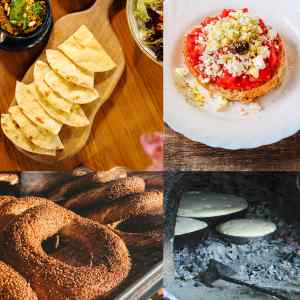
18 Resep Roti Tradisional Yunani

Peralatan
Bahan-bahan
- Resep roti pita Yunani asli
- Roti pipih Lagana tradisional
- Ladenia dengan tomat pusaka
- Tsoureki Yunani Tradisional
- Roti Christopsomo Yunani
- Roti Tahun Baru Yunani Vasilopita
- Lazarakia (Roti Lazarus Paskah Yunani)
- Roti Desa (Horiatiko Psomi)
- Koulouri Thessalonikis
- Roti Stik Wijen Yunani (Kritsinia)
- Roti Kismis (Stafidopsomo)
- Roti Keju Feta Yunani (Tiropsomo)
- Roti Zaitun Yunani (Eliopsomo)
- Rusk Jelai Yunani Asli (Paximadi)
- Tiganopsomo dengan keju feta
- Roti Spanakopita Twist
- Pita Yunani Bebas Gluten
- Loukoumades (Bola Adonan Madu)
Petunjuk
- Pilih resep roti Yunani favorit Anda!
- Siapkan semua bahan yang dibutuhkan untuk roti Yunani pilihan Anda.
- Siapkan resep roti Yunani Anda, sajikan, dan nikmati.