







Inhaltsverzeichnis
- Zitronentörtchen: Ein Sommertee-Favorit
- Warum eignen sich Zitronentörtchen so gut zum Backen im Sommer?
- Welche Zutaten benötigt man für Zitronentörtchen?
- Wie gelingt es, den Teig zusammenzubringen, ohne ihn zu überarbeiten?
- Warum ist das Kühlen des Teigs für Zitronentörtchen so wichtig?
- Man könnte auch hausgemachte Zitronencreme zubereiten.
- Keine Zeit für selbstgemachtes Gebäck
- Wie passen Zitronentörtchen auf eine moderne Teetafel?
- Machen Sie Zitronentörtchen zu Ihrem Lieblingsrezept
- Zum Rezept springen
Zitronentörtchen: Ein Sommertee-Favorit
Ich habe im Laufe der Jahre unzählige Desserts gebacken, aber nichts verschwindet schneller vom Tisch als ein Tablett mit Zitronenquark Törtchen. Sie sind zart, ohne aufdringlich zu wirken, elegant, ohne einschüchternd zu sein, und sie bieten diese perfekte Balance aus Süße und Zitrusfrische, die die Leute mitten im Gespräch innehalten lässt, um nach dem Rezept zu fragen. Ich habe angefangen, diese Törtchen für meine sommerlichen Teepartys zu backen, weil ich etwas Klassisches und gleichzeitig Erfrischendes wollte, und sie wurden schnell zu dem Gebäck, auf das jeder wartet.
Wenn Sie ein Dessert suchen, das beeindruckend aussieht, aber überraschend einfach zuzubereiten ist, dann sind Zitronentörtchen vielleicht genau das Richtige für Sie.

Warum eignen sich Zitronentörtchen so gut zum Backen im Sommer?
Ist Ihnen schon mal aufgefallen, wie manche Desserts sofort mit einer bestimmten Jahreszeit verbunden sind? Für mich gehören Zitronentörtchen zu warmen Nachmittagen, gemütlichen Gartentischen und langen Gesprächen bei einer Tasse Tee. Der spritzige Zitrusgeschmack harmoniert perfekt mit deftigen Speisen und macht sie so zum idealen Dessert nach Sandwiches, Gebäck oder einem reichhaltigen Mittagessen.
Als ich diese Leckereien zum ersten Mal in mein sommerliches Teeparty-Menü aufnahm, wollte ich nichts Aufwendiges kreieren. Ich wünschte mir einfach ein leichtes, unbeschwertes Gebäck. Zitrone hat diese besondere Wirkung: Sie erfrischt den Gaumen und bringt Schwung in die Runde.
Wenn Sie eine Feier planen, fragen Sie sich Folgendes: Wünschen Sie sich ein Dessert, das erfrischend statt schwer im Magen liegt? Genau da kommen Zitronentörtchen ins Spiel.
Welche Zutaten benötigt man für Zitronentörtchen?
Wenn man ein Tablett mit ordentlich geformten Törtchen sieht, nimmt man oft an, die Zutatenliste sei lang oder kompliziert. In Wirklichkeit liegt das Geheimnis aber in der Kombination einiger weniger, einfacher Zutaten.
Mehl bildet die Struktur des Teigs, während gekühlte Butter für die zarten, blättrigen Schichten sorgt. Ich betone immer wieder, wie wichtig es ist, die Butter kalt zu halten; das macht den Unterschied zwischen einer knusprigen und einer festen Kruste aus. Etwas Puderzucker verleiht dem Gebäck eine dezente Süße, ohne die Füllung zu überdecken, und eine Prise Salz rundet den Geschmack ab, sodass es nicht fad schmeckt.
Dann kommt die Zitronencreme, das wahre Herzstück der Zitronentörtchen. Ihre cremige Konsistenz und der intensive Zitrusgeschmack bilden einen wunderschönen Kontrast zum buttrigen Boden. Wenn Sie die glänzende Creme in die Törtchenförmchen füllen, verleihen Sie ihnen Frische, Farbe und Ausgewogenheit.
Deshalb frage ich Sie: Wählen Sie Zutaten, die sich gegenseitig ergänzen, oder machen Sie Ihr Backrezept unnötig kompliziert? Manchmal sind die einfachsten Kombinationen die einprägsamsten.

Wie gelingt es, den Teig zusammenzubringen, ohne ihn zu überarbeiten?
Eine der häufigsten Bedenken, die ich höre, betrifft den Teig. Man befürchtet, er sei zu empfindlich oder zu kompliziert, aber in Wahrheit beruht die Zubereitung von Zitronentörtchen auf einem sehr unkomplizierten Teig.
Wichtig ist, den Teig schonend zu behandeln. Verreibt man Butter mit den Fingerspitzen im Mehl, entsteht eine krümelige Konsistenz, die später zu einer zarten Kruste wird. Eigelb bereichert den Teig und verleiht ihm Geschmack und Geschmeidigkeit. Beim Untermischen von Eiswasser geht es nicht darum, den Teig wie Brotteig zu kneten, sondern lediglich darum, die Zutaten besser zu verbinden.
Wenn ich jemandem beibringe, diese Törtchen zu backen, bitte ich ihn immer, langsam zu arbeiten und auf die Konsistenz zu achten. Fühlt sich der Teig weich, aber nicht klebrig an? Dann ist der richtige Zeitpunkt zum Aufhören. Zu langes Kneten kann den Teig zäh machen, und Zitronentörtchen sollten immer zart sein.
Wenn Sie schon einmal Schwierigkeiten mit Gebäck hatten, haben Sie schon einmal versucht, sich weniger auf Perfektion und mehr auf das Gefühl zu konzentrieren?

Warum ist das Kühlen des Teigs für Zitronentörtchen so wichtig?
Ich weiß, das Kühlen des Teigs kann wie eine unnötige Verzögerung wirken, besonders wenn man es kaum erwarten kann, zu backen. Aber meiner Erfahrung nach ist es genau dieser Schritt, der durchschnittliche Ergebnisse von wirklich wunderschönen Zitronentörtchen unterscheidet.
Durch das Ruhenlassen des Teigs kann sich das Gluten entspannen, wodurch er sich leichter ausrollen lässt, ohne zusammenzufallen. Außerdem bleibt die Butter fest, was dazu beiträgt, dass das Gebäck im Ofen seine Form behält. Immer wenn ich diesen Schritt auslasse oder zu schnell ausführe – und ja, das ist mir schon passiert –, verlieren die Teigtaschen ihre sauberen Ränder.
Betrachten Sie das Kühlen als einen Vorteil. Anstatt mit klebrigem Teig oder unförmigen Tarteböden zu kämpfen, arbeiten Sie mit etwas Ruhigem und Kooperativem.
Deshalb eine Frage an Sie: Geben Sie Ihrem Teig genügend Zeit zum Ruhen, oder versuchen Sie, ihn direkt in den Ofen zu schieben?
Man könnte auch hausgemachte Zitronencreme zubereiten.
Eines der Geheimnisse der besten Zitronentörtchen ist natürlich die Creme selbst. Zwar tut es im Notfall auch gekaufte Zitronencreme, aber selbstgemachte verleiht den Törtchen eine besondere Geschmacksfülle und Frische. Wenn ich meine Creme mit frischen Zitronen, Eiern, Zucker und Butter zubereite, ist das Ergebnis herrlich spritzig, cremig und lebendig – ein wahrer Genuss im Kontrast zum buttrigen Teig. Außerdem kann man bei selbstgemachter Zitronencreme Süße und Konsistenz selbst bestimmen und sie so ganz nach dem eigenen Geschmack anpassen. Falls Sie noch nie selbst Zitronencreme zubereitet haben: Es ist einfacher, als Sie vielleicht denken, und macht aus diesen Törtchen etwas ganz Besonderes.

Keine Zeit für selbstgemachtes Gebäck
Nicht jeder hat Zeit, Teig selbst zuzubereiten, und das ist völlig in Ordnung. Fertiger Mürbeteig kann da eine echte Erleichterung sein, besonders für spontane Teepartys oder geschäftige Sommernachmittage. Wichtig ist, eine hochwertige Marke zu wählen und den Teig vorsichtig zu behandeln: Vor dem Ausrollen sollte er Zimmertemperatur annehmen, und man sollte ihn nicht zu lange kneten, damit die Törtchen schön zart bleiben. Selbst mit Fertigteig lassen sich hausgemachte Zitronencreme schichten und wunderschöne, aromatische Törtchen zaubern, die beeindrucken – ganz ohne zusätzlichen Aufwand. Der perfekte Kompromiss, wenn man den Geschmack von Selbstgemachtem genießen, aber gleichzeitig Zeit sparen möchte.

Wie passen Zitronentörtchen auf eine moderne Teetafel?
Wenn ich Sommerfeste veranstalte, achte ich auf Ausgewogenheit. Ich möchte etwas Butteriges, etwas Fruchtiges und etwas Schokoladiges, aber Zitronentörtchen gehören immer dazu, weil sie dem Buffet eine frische Note verleihen.
Sie passen natürlich hervorragend zu Tee, aber auch zu frischen Beeren, leichten Biskuitkuchen oder sogar herzhaften Häppchen. Gäste greifen oft zuerst zu ihnen, weil sie leicht und erfrischend und nicht zu reichhaltig sind.
Was ich am meisten liebe, ist ihre Vielseitigkeit. Man kann sie ganz leger auf einem Holzbrett servieren oder auf einer Etagere arrangieren, um eine traditionellere Teeparty-Atmosphäre zu schaffen.
Wenn Sie selbst eine Feier planen würden, welche Art von Dessert würde Ihre Tafel perfekt abrunden?

Zitronentörtchen

Zutaten
- 300 Gramm Einfaches Mehl plus ein kleines Extra zum Ausrollen des Teigs
- ¼ Teelöffel Salz
- 2 Esslöffel Puderzucker
- 150 Gramm Ungesalzene Butter gekühlt
- 1 Groß Eigelb
- 3-4 Esslöffel Eiswasser
- 1 Esslöffel Milch
- 24 Teelöffel Zitronenquark
Anleitungen
- Die gekühlte Butter in kleine Würfel schneiden und beiseitestellen. In einer großen Rührschüssel das Mehl sieben. Die Butterwürfel hinzufügen und mit den Fingerspitzen in das Mehl einreiben, bis die Mischung feinen Semmelbröseln ähnelt.300 Gramm Weizenmehl, 150 Gramm ungesalzene Butter
- Salz und Puderzucker einrühren, bis alles gut vermischt ist. In der Mitte eine Mulde formen, dann Eigelb und Eiswasser hineingeben. Mit einem Spatel oder den Händen vorsichtig vermengen, bis sich der Teig zu einer weichen Kugel formt.¼ Teelöffel Salz, 2 Esslöffel Puderzucker, 1 großes Eigelb, 3-4 Esslöffel Eiswasser
- Den Teig nur ein paar Mal leicht durchkneten, bis er sich zusammenfügt, dann zu einer Scheibe flachdrücken. Fest in Frischhaltefolie einwickeln und etwa 1 Stunde im Kühlschrank kühlen.
- Nehmen Sie den gekühlten Teig aus dem Kühlschrank und lassen Sie ihn einige Minuten bei Zimmertemperatur ruhen, damit er sich leichter ausrollen lässt.
- Heizen Sie den Backofen auf 180°C vor und fetten Sie zwei Muffinformen leicht mit Butter ein oder besprühen Sie sie mit Öl.

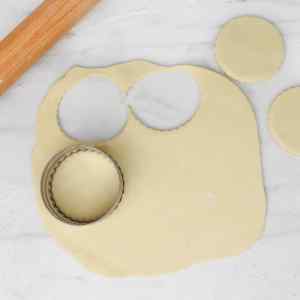
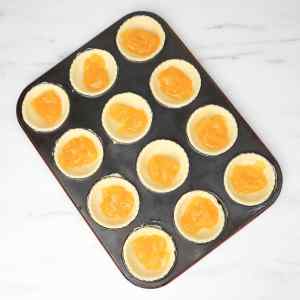
- Teilen Sie den Teig in zwei Portionen. Rollen Sie jeweils eine Portion auf einer leicht bemehlten Arbeitsfläche aus. Stechen Sie mit einem runden Ausstecher Kreise aus und drücken Sie diese vorsichtig in die Muffinform, um kleine Törtchen zu formen.

- Geben Sie jeweils etwa 1 Teelöffel Zitronencreme in die Mitte jedes Törtchenbodens.24 Teelöffel Zitronencreme
- Den restlichen Teig ausrollen und mit einem kleinen Herzausstecher (oder einer anderen gewünschten Form) Verzierungen ausstechen. Je ein Teigstück auf jedes Törtchen legen.
- Bestreichen Sie die Ränder und die Oberseite des Gebäcks leicht mit Milch, um eine goldene Oberfläche zu erzielen.1 Esslöffel Milch
- Im vorgeheizten Backofen bei mittlerer Schiene 15-18 Minuten backen, oder bis der Teig leicht goldbraun und durchgebacken ist.
- Die Törtchen aus dem Ofen nehmen und einige Minuten in den Förmchen abkühlen lassen, bevor sie auf ein Kuchengitter gesetzt werden. Nach dem vollständigen Abkühlen die Oberseite leicht mit Puderzucker bestäuben und servieren.




Notizen
- Alles kühl halten: Kalte Butter hilft dabei, ein zartes, blättriges Gebäck zu erhalten, daher sollte man zügig mit den Händen arbeiten.
- Den Teig nicht zu lange kneten: Nur so lange mischen, bis alles vermengt ist, damit der Teig nicht zäh wird.
- Leichtes Rollen: Wenn der Teig Risse bekommt, lassen Sie ihn ein paar Minuten ruhen – etwas wärmerer Teig lässt sich besser ausrollen.
- Saubere Kanten: Wenn Ihre Küche warm ist, kühlen Sie die gefüllten Törtchen 10 Minuten vor dem Backen, damit sie ihre Form besser behalten.
- Hausgemachte Zitronencreme: Selbstgemachte Zitronencreme schmeckt am besten, aber gekaufte tut es auch, wenn es mal schnell gehen muss.
- Lagerung: Die abgekühlten Törtchen können 1 Tag lang in einem luftdichten Behälter bei Zimmertemperatur oder bis zu 3 Tage im Kühlschrank aufbewahrt werden.
Ernährung
Machen Sie Zitronentörtchen zu Ihrem Lieblingsrezept
Zitronentörtchen sind aus gutem Grund ein Klassiker: Sie sind einfach, umwerfend und stecken voller spritzig-frischem Geschmack. Wenn Sie diese lieben, sollten Sie unbedingt auch unsere anderen süßen Leckereien probieren, wie zum Beispiel unsere hausgemachte Zitronencreme., Marmelade Torten, Erdbeere & Vanille Cupcakes, Und Erdbeergebäck-Tüten. Jedes Rezept wurde entwickelt, um Ihrer Küche einen Hauch von hausgemachter Magie zu verleihen. Vergessen Sie nicht, einen Blick auf unsere anderen Rezepte zu werfen. sozialen Medien Für weitere Inspirationen, Tipps und Schritt-für-Schritt-Anleitungen, die das Backen noch unterhaltsamer machen!