


Table of Contents
- A Soft and Fluffy Breakfast Worth Making Again
- Why Gentle Mixing and Heat Control Matter
- Best Toppings and Serving Ideas
- Finish with Maple Syrup and Butter
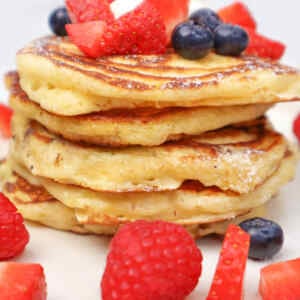
- Add Fresh Fruit on Top
- Troubleshooting the Batter and Cooking
- If the Pancakes Feel Too Dense
- If They Brown Too Quickly
- If the Pan Cooks Unevenly
- What to Serve with Pancakes
- Frequently Asked Questions
- Can I make buttermilk pancakes without buttermilk?
- Why are my buttermilk pancakes dense?
- Should buttermilk pancake batter be thick?
- What heat is best for buttermilk pancakes?
- Can I freeze buttermilk pancakes?
- How do I keep pancakes warm while cooking the rest?
- Jump to Recipe
A Soft and Fluffy Breakfast Worth Making Again
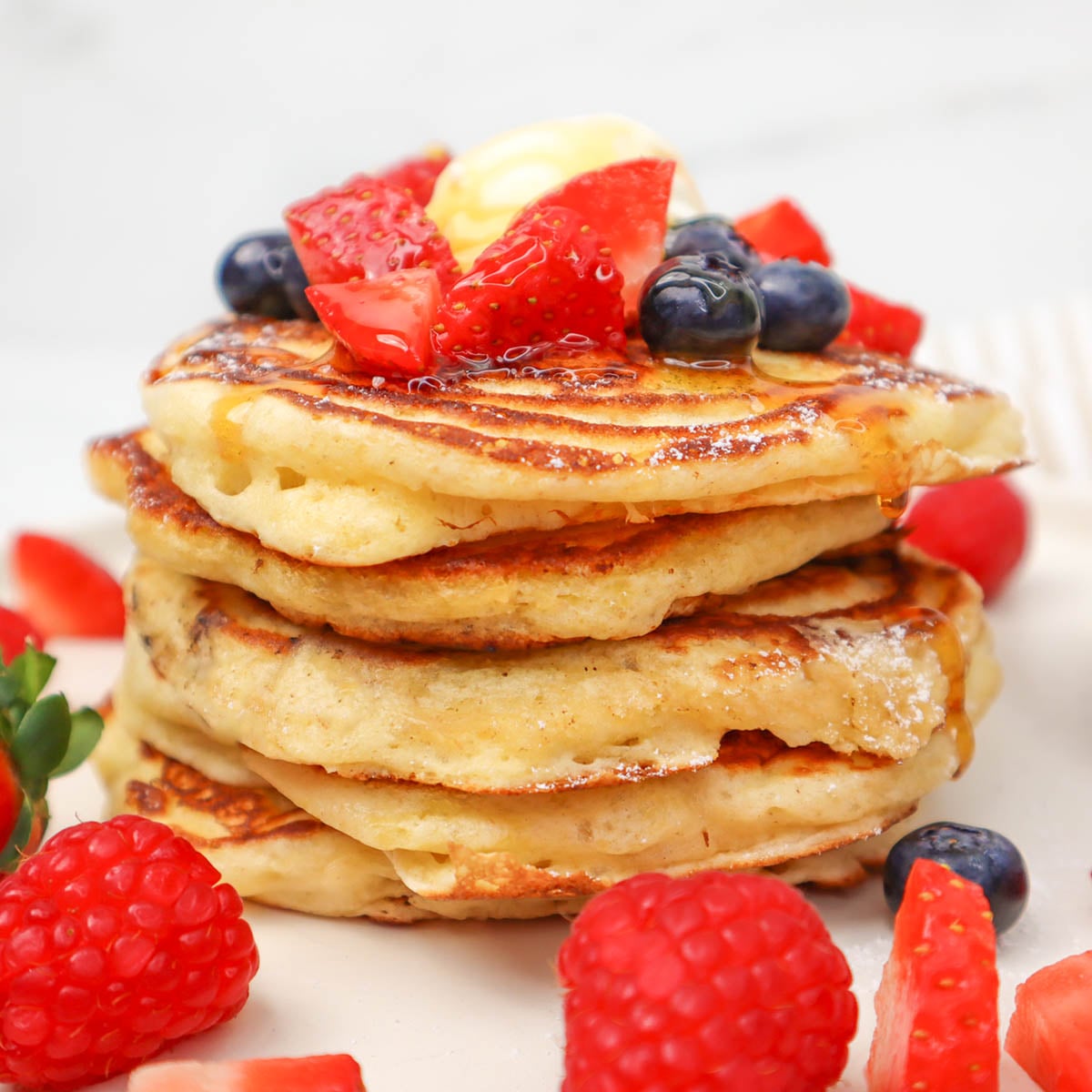
A warm stack of pancakes can make an ordinary morning feel much more inviting. As these cook in the pan, the butter gives off a rich, familiar aroma, while the vanilla adds a gentle sweetness that makes the kitchen smell especially comforting. Each one comes out with a tender middle and golden surface, ready to soak up whatever you serve on top.
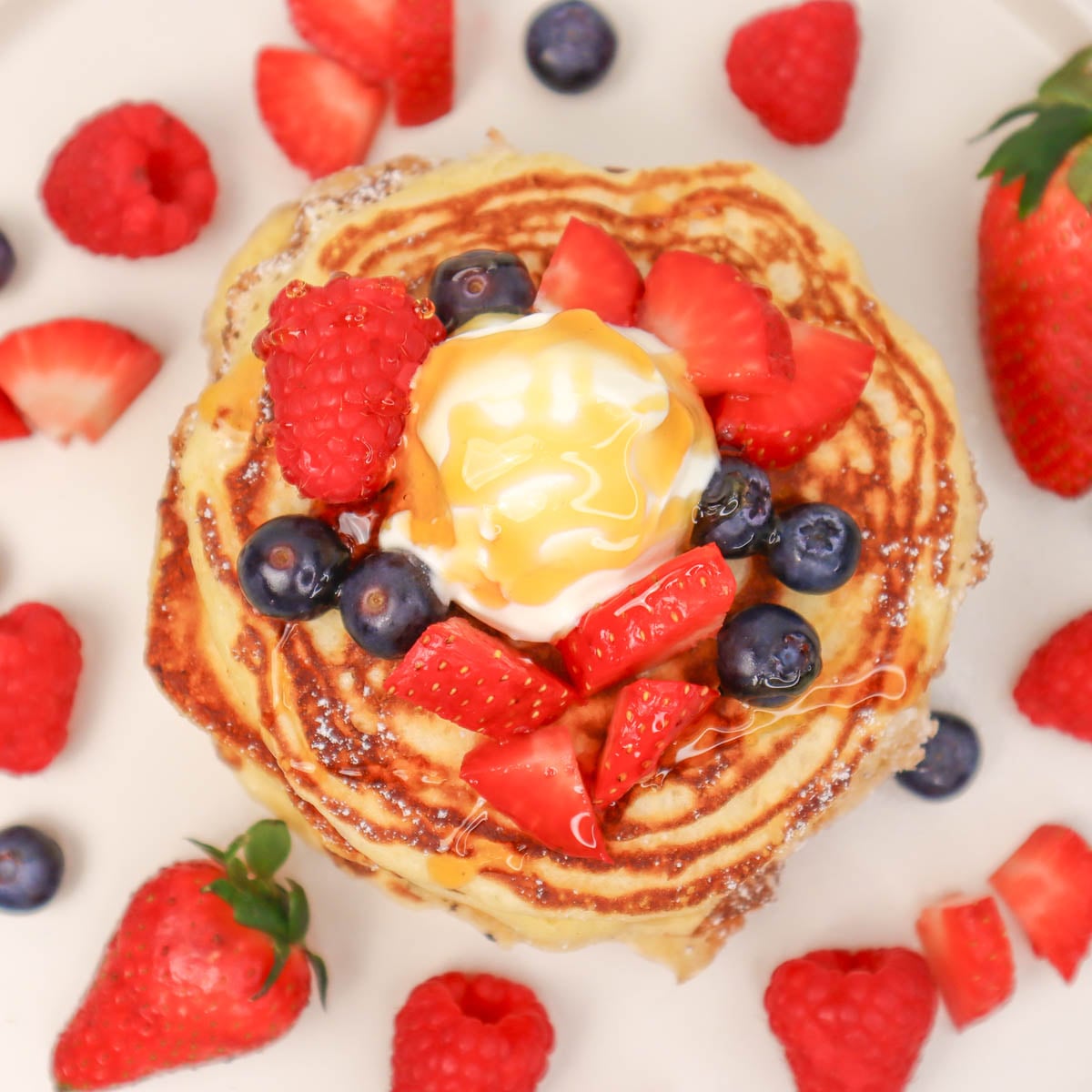
This is the kind of breakfast I return to when I want something simple, reliable, and satisfying. The batter is easy to bring together, and the buttermilk gives it a thick, smooth texture before it even reaches the pan. Once cooked, the pancakes feel soft and fluffy without being too heavy, with a buttery flavor that works beautifully with sweet toppings.
What I like most is how approachable the whole method feels. There is nothing complicated here, just a few staple ingredients and a little care when mixing and cooking. I always remember that a few lumps in the batter are perfectly fine, because they help keep the final texture light.
Served warm, these pancakes feel generous and comforting in the best way. Whether you finish them with maple syrup, fresh fruit, or a dusting of powdered sugar, they are easy to love and even easier to make again.
Why Gentle Mixing and Heat Control Matter
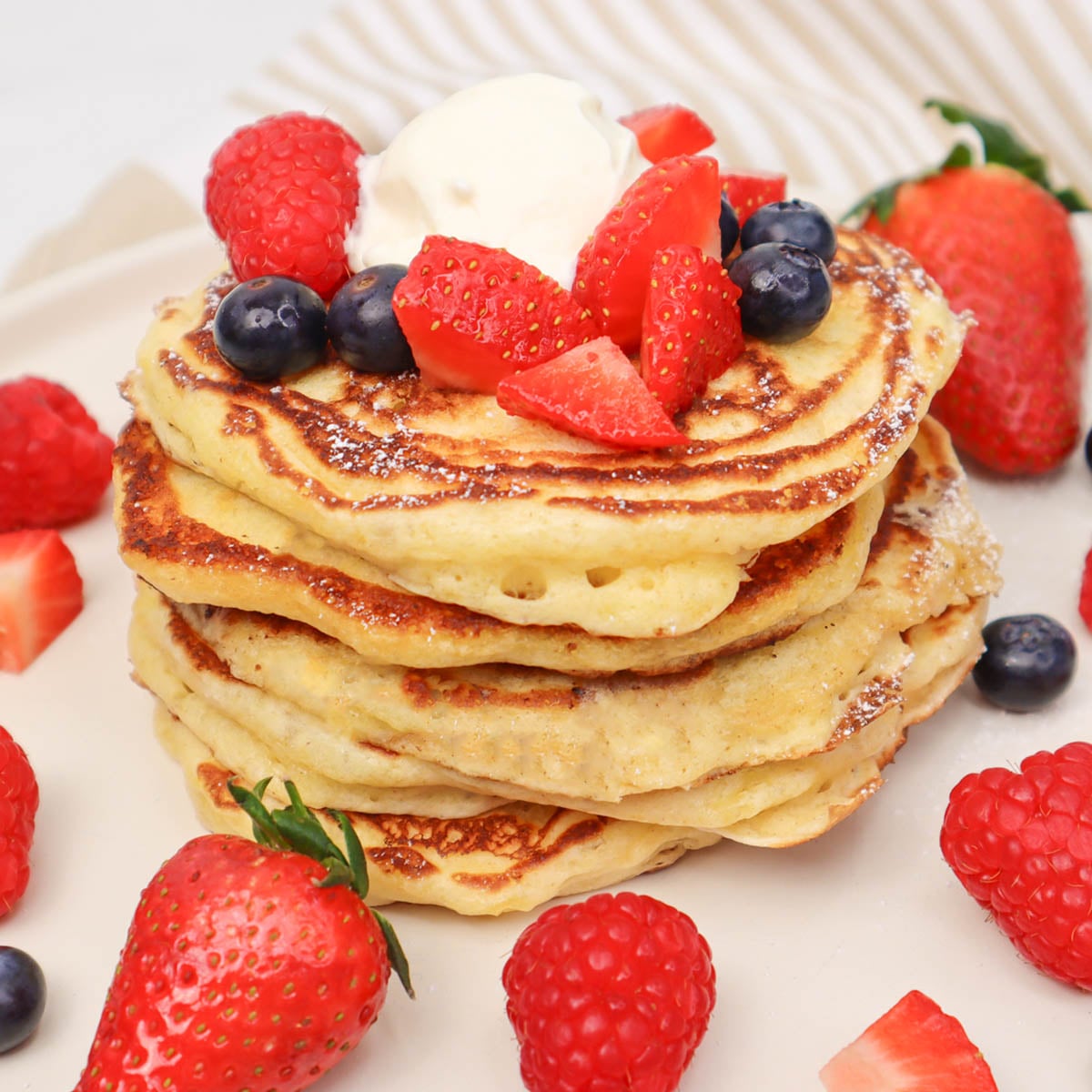
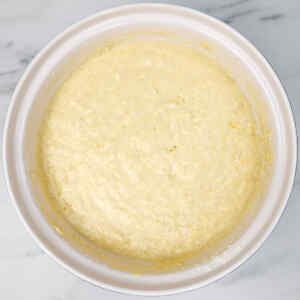
The texture of this recipe depends on two small but important choices. The first is how the batter is mixed. Once the wet ingredients are added to the dry ingredients, the mixture only needs to be folded until just combined. The batter will be thick, and a few lumps are completely fine. That matters because overmixing can make the pancakes heavier, while gentler folding helps them stay soft and fluffy once cooked.
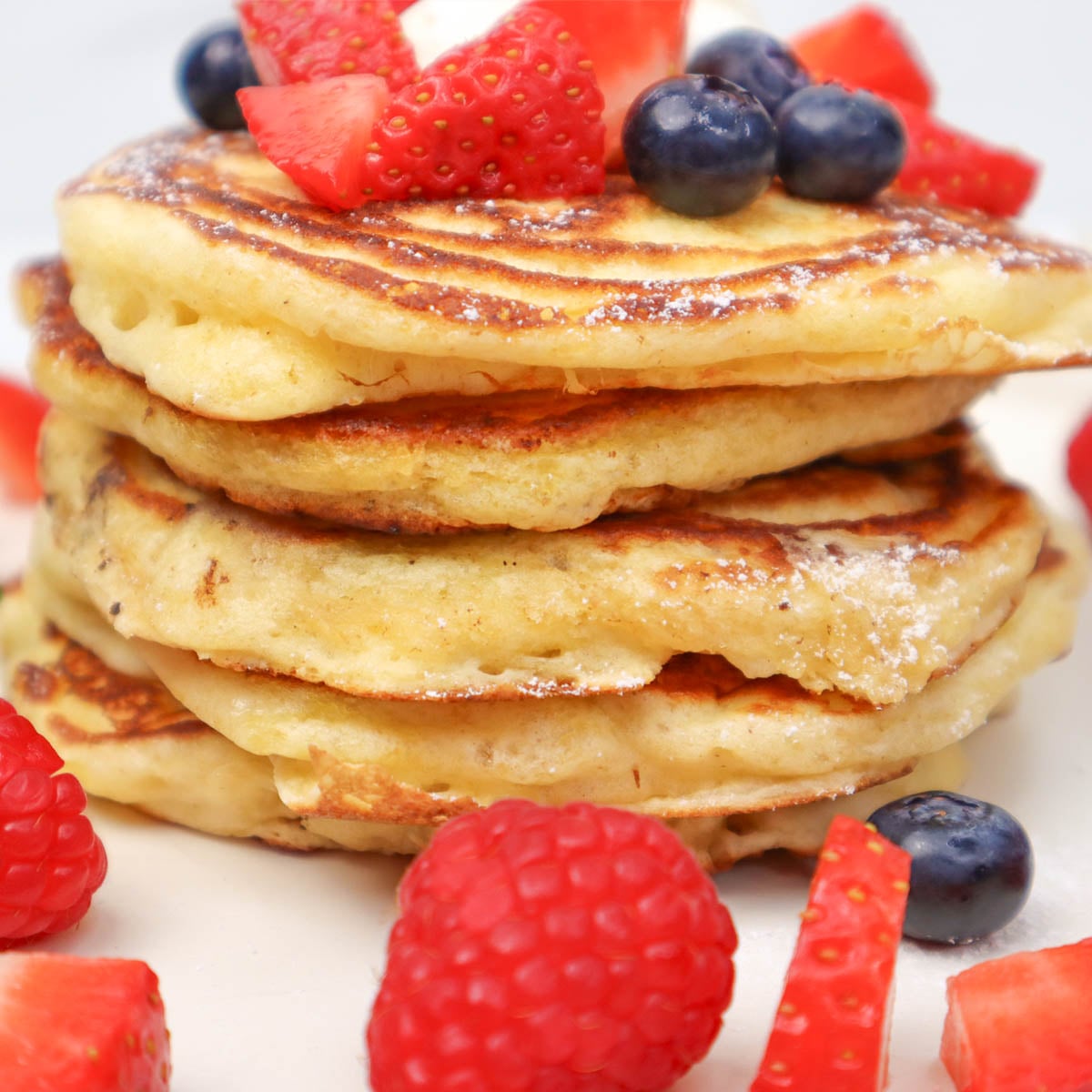
The second key point is the heat. Medium-low heat gives the center time to cook through while the outside turns golden rather than too dark. This is especially helpful with a thicker batter like this one. The visual cues are simple and useful here. The underside should look golden brown before flipping, and the second side should finish with the same even color. That steady heat gives you a better chance of a soft center and a properly cooked middle.
Butter in the pan also helps with both flavor and even cooking. Melting about a teaspoon at a time and spreading it lightly with a paper towel gives the frying pan a more even surface. If needed, wiping and re-greasing the pan between batches can help keep the color and texture more consistent from the first pancake to the last.
Best Toppings and Serving Ideas
Finish with Maple Syrup and Butter
A drizzle of maple syrup and a little extra butter make these feel especially warm and generous. It is a simple finish that suits the soft texture beautifully.
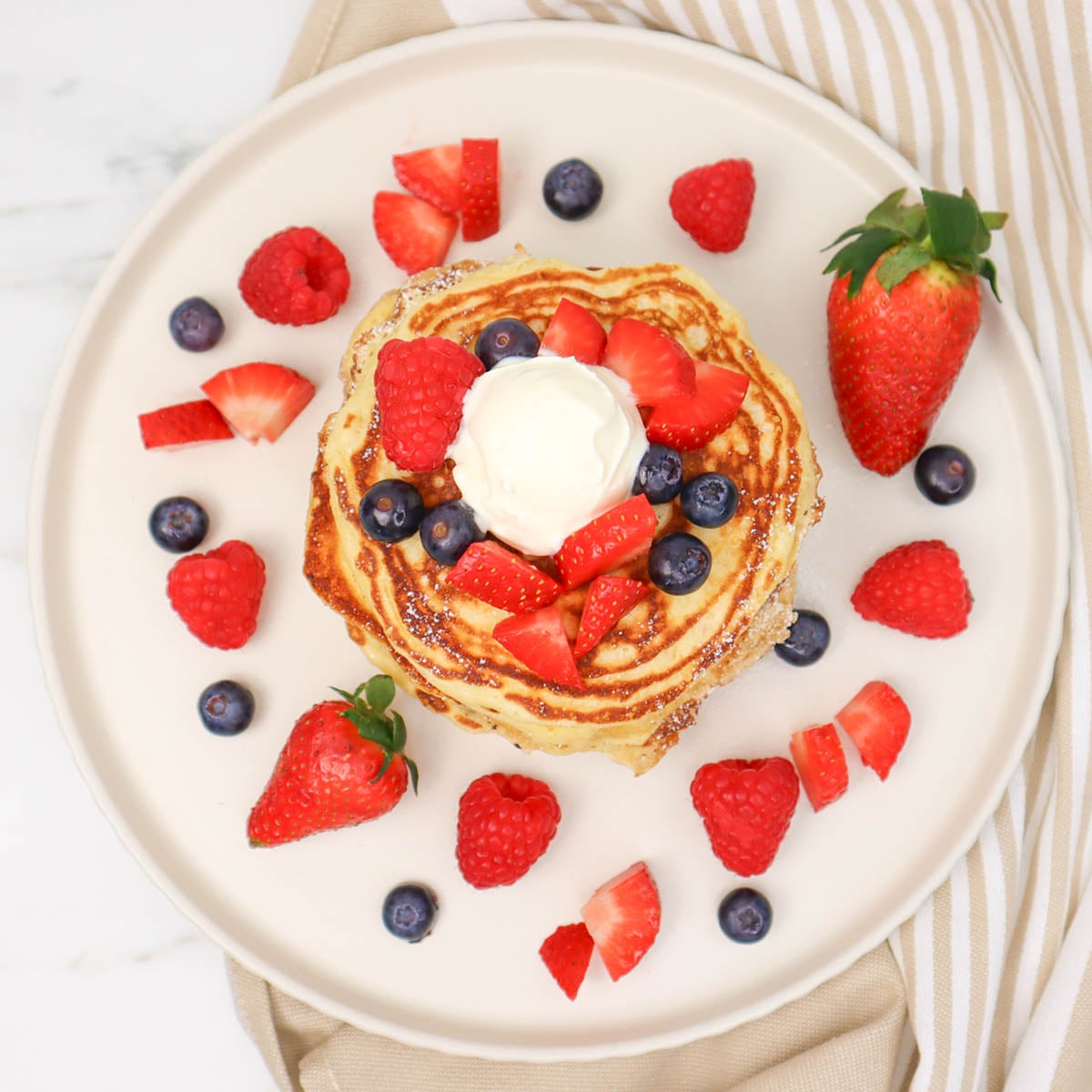
Add Fresh Fruit on Top
Fresh fruit is an easy way to keep the serving light and bright. It adds color and freshness without changing the character of the recipe.
Troubleshooting the Batter and Cooking
If the Pancakes Feel Too Dense
Be careful not to overmix the batter. Fold it gently until just combined, even if a few lumps are still there.
If They Brown Too Quickly
Lower the heat slightly and keep the pan at medium-low. This gives the inside more time to cook before the outside darkens too much.
If the Pan Cooks Unevenly
Wipe and re-grease the pan between batches if needed. That can help keep the color and texture more even across the full batch.
What to Serve with Pancakes
These pancakes work well with simple toppings that let their buttery flavor stay central. I like serving them with maple syrup, fresh fruit, or a light dusting of powdered sugar when I want something classic and easy. They also fit nicely into a larger breakfast spread, especially when you want something warm, soft, and comforting on the table.
Buttermilk Pancakes

Equipment
- Whisk or fork
Ingredients
- 1¾ cups all-purpose flour (plain flour)
- 2 tablespoons caster sugar
- 2 teaspoons baking powder
- ⅛ teaspoon salt
- 3 tablespoons unsalted butter
- 1 teaspoon vanilla extract
- 2 medium eggs
- 1 cup buttermilk
- butter for frying
Instructions
- Melt the butter in a small pan or in the microwave, then set aside to cool slightly.3 tablespoons unsalted butter
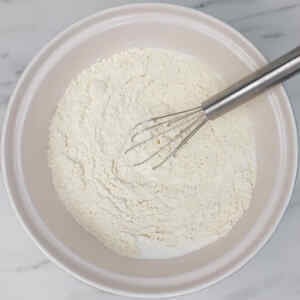
- In a large mixing bowl, combine the flour, sugar, baking powder, and salt. Stir briefly to mix.1¾ cups all-purpose flour, 2 tablespoons caster sugar, 2 teaspoons baking powder, ⅛ teaspoon salt

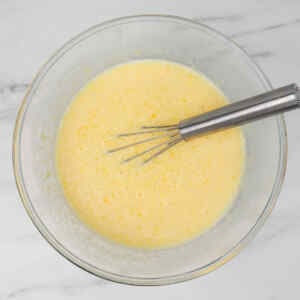
- In a separate bowl, add the melted butter, vanilla extract, eggs, and buttermilk. Use a whisk to mix until it's well combined.1 teaspoon vanilla extract, 2 medium eggs, 1 cup buttermilk
- Pour the wet ingredients into the dry ingredients. Gently fold the mixture together until just combined. The batter will be thick-avoid overmixing.
- Heat a frying pan over medium-low heat. Add about 1 teaspoon of butter and allow it to melt, then spread it evenly across the pan using a paper towel.butter
- Spoon about ⅔ of a cup of batter into the center of the pan. Gently spread it into a circle.
- Cook for 1–2 minutes, or until the underside is golden brown. Flip the pancake and cook for another 1 minute, or until the second side is golden.
- Remove from the pan and repeat with the remaining batter, adding more butter to the pan as needed.
- Serve the pancakes warm and enjoy.
Notes
- Do not overmix: A few lumps in the batter are fine and help keep the pancakes light and fluffy.
- Heat control: Keep the heat at medium-low to prevent burning while allowing the inside to cook through.
- Even cooking: Wipe and re-grease the pan between batches if needed for consistent results.
- Serving idea: Serve with maple syrup, fresh fruit, or a dusting of powdered sugar.
- Batch cooking: Keep cooked pancakes warm in a low oven while you finish the rest.
Nutrition
Frequently Asked Questions
Can I make buttermilk pancakes without buttermilk?
Yes. You can make a quick buttermilk substitute by adding 1 tablespoon of lemon juice or white vinegar to 1 cup of milk. Let it sit for 5 minutes before using. The flavor will be slightly milder than real buttermilk, but it still helps make the pancakes soft and fluffy.
Why are my buttermilk pancakes dense?
Dense pancakes are usually caused by overmixing the batter or cooking at too high a heat. Stir the wet and dry ingredients together gently, and stop when a few small lumps remain. The batter should look thick, not perfectly smooth.
Should buttermilk pancake batter be thick?
Yes. Buttermilk pancake batter should be thick but still spoonable. If it is very stiff or hard to spread in the pan, add a small splash of buttermilk and fold it in gently. Avoid making the batter too thin, or the pancakes may spread too much.
What heat is best for buttermilk pancakes?
Medium-low heat works best. It gives the pancakes time to cook through before the outside gets too dark. If the pancakes brown quickly but stay wet in the middle, lower the heat and give the pan a minute to cool slightly.
Can I freeze buttermilk pancakes?
Yes. Let the pancakes cool completely, then freeze them in a single layer before moving them to a freezer bag or airtight container. Reheat from frozen in a toaster, oven, or microwave until warmed through.
How do I keep pancakes warm while cooking the rest?
Place the cooked pancakes on a baking sheet in a low oven, around 200°F (95°C), while you finish the batch. Keep them in a single layer if possible so they stay soft without becoming soggy.


