Articoli correlati



Indice
- La tua guida ai classici del pane greco e alle rivisitazioni moderne
- Pane pita (pane piatto greco)
- Lagana (pane piatto del lunedì pulito)
- Ladenia (focaccia con pomodoro e cipolla di Kimolos)
- Tsoureki (pane dolce pasquale greco)
- Christopsomo (pane natalizio greco)
- Vasilopita (Pane portafortuna di Capodanno)
- Lazarakia (panini greci di Lazzaro)
- Horiatiko Psomi (Pane del villaggio)
- Koulouri Thessalonikis (Anelli di pane al sesamo)
- Kritsinia (grissini greci al sesamo)
- Stafidopsomo (panini all'uvetta)
- Tiropsomo (pane al formaggio feta)
- Eliopsomo (Pane alle olive)
- Paximadi (biscotti d'orzo)
- Tiganopsomo (pane fritto con feta)
- Spanakopita Bread Twist (torsolo di spinaci e feta)
- Pane pita senza glutine (adattamento moderno)
- Loukoumades (palline di pasta allo sciroppo di miele)
- Come preparare un piatto di pane greco
- Domande frequenti sul pane greco
- Qual è il pane greco più popolare?
- Quale pane greco è il migliore da intingere?
- Come si chiama il pane dolce greco?
- Posso fare il pane greco senza una planetaria?
- Quale farina è migliore per il pane greco?
- Ricetta autentica del pane pita greco
- Pane piatto tradizionale di Lagana
- Ladenia con pomodorini
- Tsoureki greco tradizionale
- Pane greco Christopsomo
- Vasilopita, il pane greco di Capodanno.
- Lazarakia (panini pasquali greci di Lazzaro)
- Pane del villaggio (Horiatiko Psomi)
- Koulouri Thessalonikis
- Grissini greci al sesamo (Kritsinia)
- Pane all'uvetta (Stafidopsomo)
- Pane greco al formaggio feta (Tiropsomo)
- Pane greco alle olive (Eliopsomo)
- Autentici biscotti d'orzo greci (Paximadi)
- Tiganopsomo con feta
- Spanakopita Bread Twist
- Pita greca senza glutine
- Loukoumades (palline di pasta al miele)
La cucina greca vanta una ricca tradizione nella panificazione, dalle antiche focacce ai pani festivi. Il pane è un elemento centrale della cultura greca, che si tratti di una semplice pagnotta di paese servita a ogni pasto o di un pane dolce e speziato preparato per le occasioni speciali. In questa rassegna, esploriamo oltre venti tipi di pane greco, tra classici tradizionali e creative rivisitazioni moderne.
La tua guida ai classici del pane greco e alle rivisitazioni moderne
Il pane greco è più di un contorno. È storia su un piatto, dalle semplici pagnotte di paese ai pani decorati delle feste che portano con sé tradizioni familiari. In questa raccolta troverete oltre venti tipi di pane greco. pane greco: soffici focacce, anelli per la colazione con crosta di sesamo, pane al pomodoro in stile isolano e dolci pagnotte per le feste. Ogni ricetta rimanda a una ricetta affidabile e collaudata e include idee per servire, note sugli ingredienti e contesto culturale.
Usa questa guida per organizzare una serata greca a base di mezze, preparare un pane festivo per la tavola delle feste o provare un tocco moderno con la pita senza glutine o una variante rivisitata della spanakopita. Se non hai mai assaggiato il pane greco, inizia con la pita. I fornai esperti possono cimentarsi con tsoureki, christopsomo e fette biscottate d'orzo.
Pane pita (pane piatto greco)
La pita è l'iconico pane piatto greco, morbido e soffice con una caratteristica tasca interna. È un pane piatto rotondo lievitato con lievito che si gonfia durante la cottura, creando una sacca d'aria perfetta per il ripieno. I greci servono la pita accompagnata da salse come tzatziki e hummus, o tagliato a spicchi con carni alla griglia. Questo pane piatto ha origini antiche e rimane un alimento base in Grecia e nel bacino del Mediterraneo, amato per la sua versatilità e la consistenza gommosa.
Oltre che a tavola, la pita è famosa soprattutto come involucro per gli amati cibi di strada. Ad Atene e in tutta la Grecia, i panini souvlaki e gyros si preparano avvolgendo carne grigliata succosa, pomodori, cipolle e tzatziki in pane pita caldo, spesso con l'aggiunta di qualche patatina fritta. Il pane pita viene anche usato per raccogliere piatti salati o arrotolato con ripieni per spuntini veloci. Tradizionalmente viene cotto in forni caldi o su una piastra, il che lo fa gonfiare e dorare magnificamente. Per chi evita il glutine, esistono anche ricette di pane pita senza glutine che ricreano la morbidezza e la piacevolezza di questo classico.
Ricetta autentica del pane pita greco
Se desiderate preparare la vostra autentica pita greca, date un'occhiata a questa ricetta di The Greek Foodie. Offre istruzioni dettagliate per ottenere pita soffici e perfette a casa. Con ingredienti semplici e una padella o un forno ben caldi, avrete delle calde pita fatte in casa pronte da avvolgere o intingere!
Lagana (pane piatto del lunedì pulito)
La Laganà è un pane piatto tradizionale greco, preparato appositamente per il Lunedì Puro, il primo giorno di Quaresima nel calendario greco-ortodosso. Questa pagnotta piatta e ovale è solitamente ricoperta generosamente di semi di sesamo ed è caratteristica per essere un azima Pane (azzimo) nella sua forma classica. Le famiglie preparano o acquistano il laganà solo una volta all'anno per la festa del Lunedì Puro, accompagnando frutti di mare e mezze nello spirito quaresimale. Il pane ha una crosta leggermente croccante e un interno arioso quando è fresco. Spesso contiene olio d'oliva, che la mantiene umida nonostante l'assenza di uova o latticini (dato che è tradizionalmente vegana per la Quaresima).
La storia della lagana risale all'antichità, ma rimane un piatto amatissimo nella cultura greca moderna durante la Quaresima. La ricetta prevede ingredienti semplici: farina, acqua, lievito (le versioni moderne spesso lo prevedono), un pizzico di zucchero e sale, permettendo così al ricco sapore di sesamo di risaltare. La cottura della lagana riempie la cucina di un aroma tostato e il pane piatto dorato che ne risulta è delizioso intinto nella taramasalata (salsa a base di uova di pesce) o gustato al naturale.
Pane piatto tradizionale di Lagana
Per cimentarti nella preparazione di questa delizia annuale, usa una ricetta affidabile come questa ricetta del pane piatto tradizionale Lagana di Souvlaki for the Soul, che ti guiderà nella creazione della consistenza e della guarnizione perfette.
Ladenia (focaccia con pomodoro e cipolla di Kimolos)
La ladenia è spesso chiamata la "pizza greca": una focaccia rustica condita con olio d'oliva, pomodori maturi e cipolle. Originaria della piccola isola cicladica di Kimolos, la ladenia è un piatto puramente vegano che mette in mostra ingredienti semplici e di alta qualità. La base del pane è simile alla focaccia: un impasto morbido e ricco di olio d'oliva pressato in una teglia. Viene poi farcito con fette di pomodoro succoso e striscioline di cipolla, oltre a un filo d'olio extravergine d'oliva (infatti, il suo nome deriva da ragazza, che in greco significa "olio"). Durante la cottura, i pomodori arrostiscono e le cipolle caramellano leggermente, infondendo il pane con i loro succhi dolci.
Questa ricetta tradizionale dell'isola ha recentemente guadagnato popolarità, man mano che sempre più persone ne scoprono il fascino. La Ladenia si gusta al meglio tiepida o a temperatura ambiente, spesso tagliata a cubetti come antipasto o spuntino. È completamente a base vegetale e tradizionalmente a Kimolos era un piatto quaresimale o quotidiano, che utilizzava i prodotti freschi dell'isola.
Ladenia con pomodorini
Pensate alla ladenia come a un'antenata greca della pizza italiana: senza formaggio né salse pesanti, ma assolutamente deliziosa. Se volete assaggiare questa prelibatezza egea, seguite la ricetta della ladenia con pomodori antichi di Souvlaki for the Soul. Con istruzioni dettagliate, vi aiuterà a ricreare a casa l'autentica focaccia di Kimolos.
Tsoureki (pane dolce pasquale greco)
Lo tsoureki è un pane lievitato morbido e leggermente dolce, tradizionalmente preparato per Pasqua in Grecia. La sua caratteristica più riconoscibile è la forma a treccia, ornata da uova sode tinte di rosso e adagiate nell'impasto: un simbolo di nuova vita e resurrezione. Il ricco impasto dello tsoureki è arricchito con latte, burro, zucchero e uova, e profumato con aromi come il mahlep (mahaleb), una spezia ricavata dai noccioli di ciliegia, e spesso con resina di lentisco o scorza d'arancia. Il risultato è un pane dorato e soffice, dalla dolcezza delicata e dal profumo inebriante. In epoca bizantina, era consuetudine cuocere pani pasquali a forma di anello con un uovo rosso al centro, una tradizione che continua ancora oggi con lo tsoureki.
Questo pane pasquale intrecciato è simile ad altri pani festivi come la brioche o la challah, ma ha un sapore decisamente greco. Le famiglie preparano la tsourekia durante la Settimana Santa e la spezzano e la condividono dopo la messa di mezzanotte della Resurrezione a Pasqua. La treccia del pane simboleggia la Santissima Trinità, mentre le uova rosse rappresentano il sangue di Cristo e la rinascita.
Tsoureki greco tradizionale
Lo tsoureki è così amato che i greci lo gustano ormai tutto l'anno: varianti come quelle ripiene di cioccolato o ricoperte di mandorle compaiono anche a Natale e Capodanno. Se desiderate preparare un autentico tsoureki, completo dei suoi sapori tradizionali e della sua tecnica di intreccio, consultate questa ricetta tradizionale greca di tsoureki tratta da The Mediterranean Dish. Offre una guida passo passo (anche per chi è alle prime armi) per ottenere quella consistenza morbida e soffice e la sua splendida treccia.
Christopsomo (pane natalizio greco)
Il Christopsomo, che si traduce in "pane di Cristo", è un ricco pane festivo cotto in Grecia la vigilia di Natale. Questo pane rotondo e dolce è profondamente simbolico: è spesso decorato con una croce fatta di pasta sulla parte superiore e altri motivi ornamentali (a volte si formano disegni come fiori, animali o iniziali di famiglia nell'impasto). Il Christopsomo è solitamente aromatizzato con spezie calde come cannella, chiodi di garofano, noce moscata, anice e scorza d'arancia e può includere noci o uvetta. Prima del pranzo di Natale, il capofamiglia tradizionalmente si fa il segno della croce sul Christopsomo e lo affetta, offrendo una preghiera per la benedizione nell'anno a venire. In molte regioni, il pane è visto come un simbolo delle speranze della famiglia per la prosperità e la salute.
Preparare il Christopsomo è un atto d'amore: l'impasto viene spesso lavorato a mano e lasciato lievitare lentamente, riempiendo la casa di un dolce aroma speziato. Una volta cotto, presenta una crosta dorata (spesso spennellata con un filo d'olio d'oliva o sciroppo) e una mollica morbida, simile a quella di una torta. Talvolta, come decorazione, si inserisce al centro della pagnotta una noce intera con il guscio, simbolo di fertilità o della Natività.
Pane greco Christopsomo
Ogni pezzo di Christopsomo va gustato con riverenza. Se desiderate vivere questa significativa tradizione natalizia greca, provate la ricetta del Christopsomo di Dimitra. Vi guiderà passo passo nella preparazione dell'impasto speziato e delle splendide decorazioni, permettendovi di portare un po' di spirito natalizio greco sulla vostra tavola.
Vasilopita (Pane portafortuna di Capodanno)
La vasilopita è il pane (o a volte torta) greco di Capodanno che nasconde una moneta portafortuna. Il giorno di Capodanno (San Basilio), le famiglie tagliano la vasilopita per benedire la casa e scoprire chi ha trovato la moneta all'interno: si dice che quella persona avrà fortuna per tutto l'anno. La vasilopita tradizionale è spesso una pagnotta rotonda, leggermente dolce, simile alla brioche o al tsoureki, profumata all'arancia e a volte al mahlep. Un'altra versione popolare è più simile a una torta densa. Ciò che le accomuna è il rituale: prima di tagliarla, si incide una croce sul fondo della pagnotta, la prima fetta è per Gesù o San Basilio, la seconda per la famiglia e poi una fetta per ogni membro della famiglia in ordine di età.
La vasilopita classica, simile al pane, è preparata con latte, uova, burro e aromatizzata con scorza di agrumi, mentre la versione tipo torta può includere vaniglia e brandy. La superficie è tipicamente spolverata di zucchero a velo o decorata con mandorle pelate che compongono il nuovo anno (ad esempio, "2025"). È deliziosa da mangiare, ma il vero divertimento sta nella ricerca della moneta (avvolta nella carta stagnola prima della cottura).
Vasilopita, il pane greco di Capodanno.
Questo pane festivo unisce il cibo alla gioia delle feste e agli auguri. Se desiderate preparare una vasilopita per il vostro Capodanno, provate la ricetta della Vasilopita di Capodanno di Bowl of Delicious. Troverete le istruzioni per una vasilopita soffice e profumata all'arancia, un ibrido tra pane e torta, compreso come inserire la moneta. Preparatevi a perpetuare la tradizione greca di tagliare la fetta per dare inizio a un anno di buona fortuna!
Lazarakia (panini greci di Lazzaro)
Le lazarakia sono piccole e dolci focaccine speziate che si preparano per commemorare il Sabato di Lazzaro (il giorno prima della Domenica delle Palme). Questi deliziosi panini hanno la forma di omini avvolti in sudari: in pratica, ogni panino riproduce la figura di San Lazzaro avvolto nelle bende funerarie, spesso con chiodi di garofano interi al posto degli occhi. Secondo la tradizione, le famiglie greche preparano le lazarakia per onorare il miracolo della resurrezione di Lazzaro da parte di Gesù. A differenza della maggior parte dei pani festivi, le lazarakia sono vegane (e quindi adatte al periodo quaresimale), non contenendo uova né latticini, poiché il Sabato di Lazzaro cade durante la Quaresima. Sono tipicamente aromatizzate con spezie calde come cannella e chiodi di garofano, e talvolta farcite o guarnite con uvetta e frutta secca per addolcirle.
Lazarakia (panini pasquali greci di Lazzaro)
Preparare le Lazarakia è un'attività divertente che spesso coinvolge i bambini, i quali aiutano a dare forma alle "bamboline" di pasta. Ogni panino ha una forma antropomorfa: braccia incrociate sul petto (ottenute incrociando due cordoni di pasta) e a volte una piccola "testa". Dopo la cottura, i panini sono leggermente dolci, simili ai panini speziati, e si abbinano bene al tè. Non sono glassati né ricoperti di glassa: la semplicità è fondamentale, a riflettere la natura solenne ma al tempo stesso piena di speranza di questa giornata. Se volete provare queste delizie simboliche per Pasqua, seguite questa autentica ricetta delle Lazarakia di My Greek Dish. Spiega in dettaglio il processo di modellatura e utilizza spezie profumate per rendere la vostra cucina un luogo incantevole. Il risultato non è solo delizioso, ma anche un modo meraviglioso per entrare in contatto con le tradizioni della Pasqua ortodossa greca.
Horiatiko Psomi (Pane del villaggio)
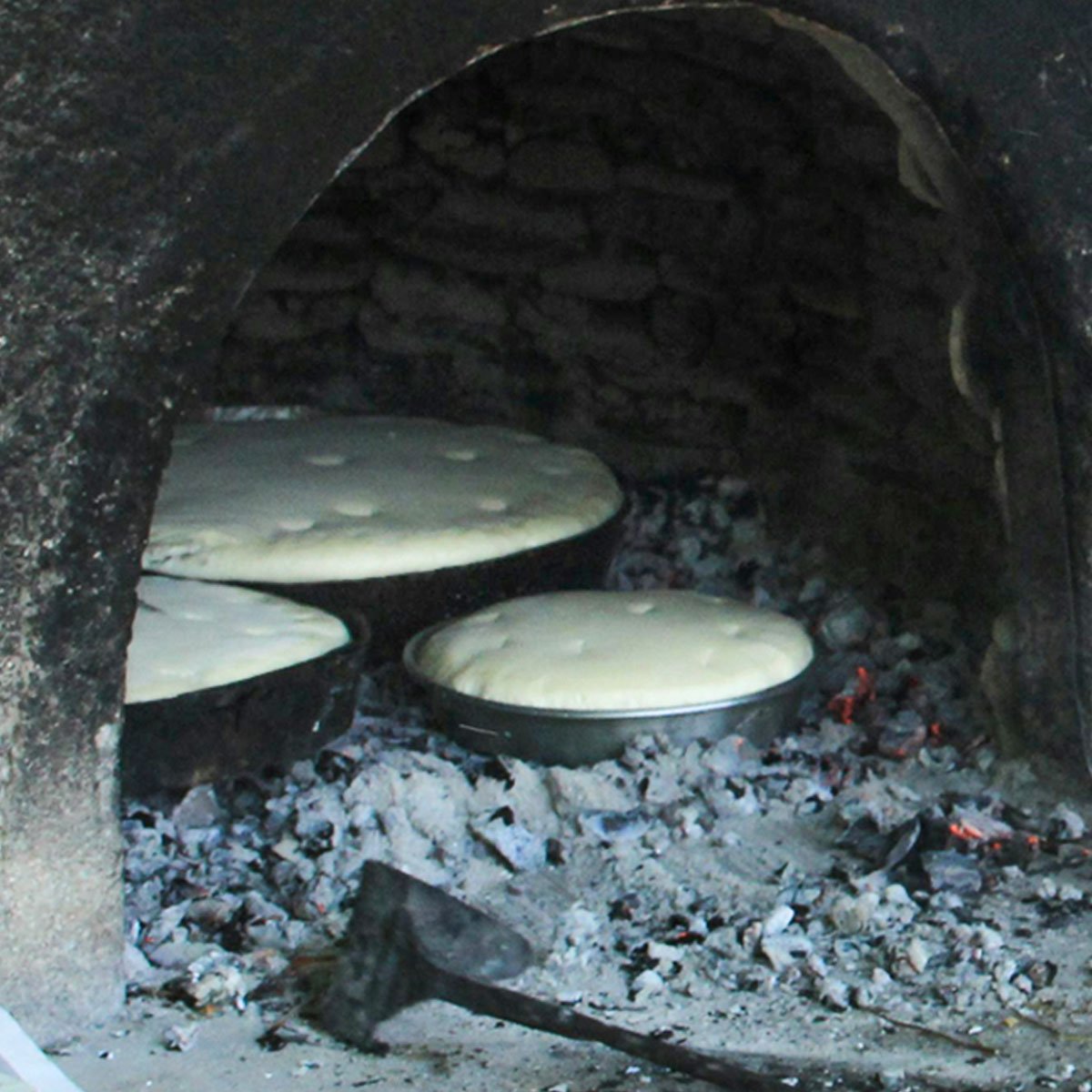
Horiatiko psomi significa letteralmente "pane del villaggio" o "pane di campagna". Si tratta del pane rustico di tutti i giorni che ha nutrito generazioni di greci. È un pane croccante e sostanzioso, solitamente fatto con una combinazione di farina di frumento e spesso un po' di farina d'orzo o di semola, che gli conferisce una leggera tinta dorata e un sapore robusto. Il pane tradizionale del villaggio è spesso a base di lievito madre o utilizza una piccola quantità di lievito con una lunga lievitazione. L'impasto potrebbe iniziare con un prozimi (lievito madre), a volte anche con i ceci in passato, che dava origine a una pagnotta dal sapore intenso e intenso. Dopo l'impasto, la pagnotta rotonda viene comunemente cotta nel forno a legna, che le conferisce una crosta spessa e croccante.
La consistenza dell'horiatiko psomi è perfetta per essere intinta nell'olio d'oliva o nelle salse: è consistente e consistente, con una mollica alveolata. È il pane servito nelle taverne dei villaggi, portato in tavola a fette generose per accompagnare insalate, zuppe e secondi piatti. Si conserva anche bene; le fette più vecchie vengono spesso essiccate per fare fette biscottate o utilizzate in ricette come panzanella o l'insalata greca con i biscotti (dakos).
Pane del villaggio (Horiatiko Psomi)
Questo è il tipo di pane che costituisce la base della dieta mediterranea: semplice, rustico e nutriente. Se desiderate preparare a casa una pagnotta croccante come quelle del villaggio, consultate la ricetta del Pane del Villaggio di My Greek Dish. Vi guiderà nella creazione di quella consistenza rustica, anche se non avete un forno a legna. Il risultato vi trasporterà in una cucina di campagna greca, con il profumo del pane appena sfornato che pervade l'aria.
Koulouri Thessalonikis (Anelli di pane al sesamo)
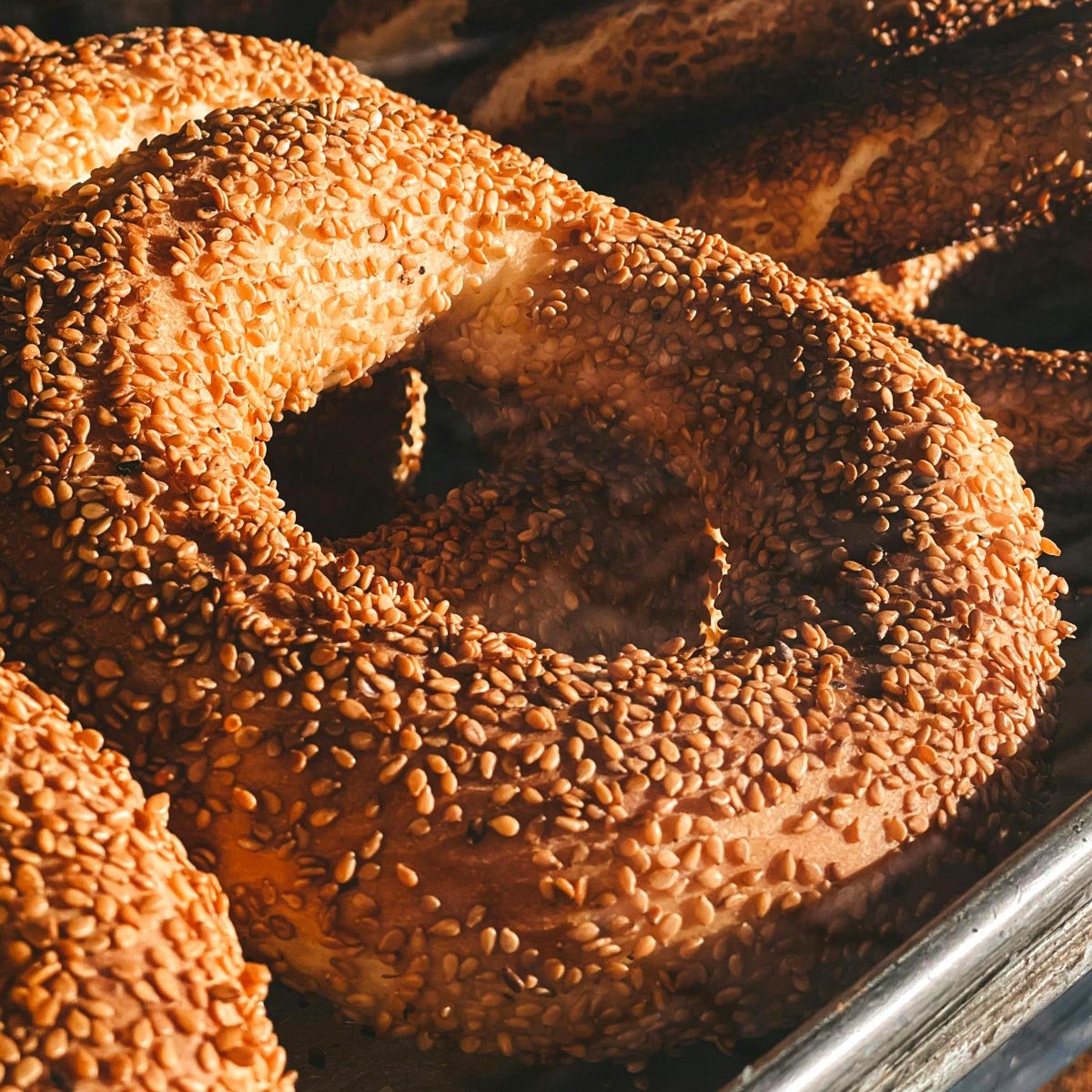
Se cammini per le strade della Grecia al mattino, soprattutto a Salonicco o ad Atene, è probabile che tu incontri venditori che vendono koulouri - Anelli di pane dorati ricoperti di semi di sesamo. Il koulouri (plurale koulouria) è una colazione greca molto apprezzata, ideale da consumare al volo: un pane circolare, una via di mezzo tra un bagel e un pretzel (ma senza bollitura o trattamento con liscivia). Ha una crosta leggermente croccante grazie a una generosa copertura di semi di sesamo e un interno morbido e gommoso. Salonicco è particolarmente famosa per i suoi koulouri, da cui il nome "Koulouri di Salonicco". Questi anelli non sono molto spessi: di solito sono sottili anelli di circa 12-15 cm di diametro. Hanno un sapore delicato, leggermente dolce e lievitato, che li rende perfetti da sgranocchiare da soli o con un caffè.
La semplicità del koulouri è parte del suo fascino: farina, acqua, lievito, un pizzico di zucchero e tanti semi di sesamo. Eppure, se preparato a regola d'arte, è incredibilmente appagante. I greci spesso gustano il koulouri a colazione o come spuntino di metà mattina, ed è comune vedere persone che ne mangiano uno mentre vanno al lavoro o a scuola. Alcune varianti moderne prevedono l'aggiunta di spezie o di formaggio, ma la versione classica è semplicemente al sesamo.
Koulouri Thessalonikis
Per prepararli in casa, potete usare una ricetta che garantisca la giusta consistenza: leggermente densa ma comunque tenera. Provate la ricetta Easy Koulouri di Olive Tomato. Vi mostrerà come dare all'impasto la forma di anelli e ottenere quella tipica crosta di sesamo. Presto potrete gustare dei koulouri appena sfornati, buoni come quelli di un venditore ambulante greco!
Kritsinia (grissini greci al sesamo)
Le kritsinia sono croccanti grissini greci, solitamente ricoperti di semi di sesamo o talvolta di altri semi come girasole, lino o anice. Spesso vendute in panetterie e supermercati in tutta la Grecia, le kritsinia sono uno snack popolare che può essere gustato in qualsiasi momento della giornata. Hanno in genere uno spessore di circa un dito e possono variare dai 10 ai 25 centimetri di lunghezza. La consistenza è croccante, simile ai grissini italiani, ma spesso un po' più spessa e corposa. Alcune versioni sono fatte con farina integrale o contengono un po' di miele o olio d'oliva per un sapore extra. Poiché non contengono latticini né ingredienti deperibili, le kritsinia si conservano bene e sono perfette come spuntino da portare con sé.
Grissini greci al sesamo (Kritsinia)
In Grecia, potresti ricevere un kritsini con il caffè o vederli accompagnare un tagliere di formaggi o un'insalata. I bambini li apprezzano come spuntino salutare e sono ottimi anche da intingere nelle salse (provali con tzatziki o hummus). La parola "kritsini" deriva da kritinos Il termine "grissini" significa "fatti d'orzo" in greco, poiché alcuni grissini tradizionali erano a base di orzo. Oggi, vengono preparati con farina 00 o integrale. Per preparare una teglia di queste delizie croccanti, provate la ricetta dei grissini greci al sesamo (Kritsinia) di The Mediterranean Dish. È una ricetta facile che permette di ottenere grissini meravigliosamente croccanti. In meno di un'ora potrete avere i vostri grissini ricoperti di sesamo pronti da intingere nella vostra salsa preferita o da gustare al naturale per uno spuntino leggero e senza sensi di colpa.
Stafidopsomo (panini all'uvetta)
Stafidopsomo significa "pane all'uvetta" in greco ed è una delizia genuina spesso gustata come spuntino di metà mattina o colazione leggera. Si tratta in genere di piccoli panini o focaccine individuali generosamente farciti con uvetta (stafides). Il pane greco all'uvetta è solo leggermente dolce: la maggior parte della dolcezza proviene dall'uvetta stessa e, a volte, da un tocco di miele nell'impasto. Molte ricette includono anche la cannella, che si sposa perfettamente con la dolcezza dell'uvetta. L'impasto può essere preparato con una parte di farina integrale, rendendo lo stafidopsomo un prodotto da forno relativamente sano; infatti, è comune trovarlo nelle merende scolastiche greche o venduto nelle catene di panetterie come opzione di "spuntino salutare".
Pane all'uvetta (Stafidopsomo)
Lo stafidopsomo ha una consistenza morbida e soffice, simile a quella di un classico panino, ma con un tocco di dolcezza. Si presenta spesso a forma di nodo o in semplici panini rotondi. Si può gustare al naturale oppure spalmato con un po' di burro o tahina. Questi pani all'uvetta forniscono una piacevole carica di energia grazie agli zuccheri naturali, e l'aggiunta di fibre provenienti dalla farina integrale e dalla frutta secca li rende molto sazianti. Se desiderate prepararli a casa (sono un'ottima alternativa a pasticcini o muffin per la colazione), provate questa ricetta di pane greco all'uvetta (stafidopsomo) di My Greek Dish. Vi guiderà passo passo nella preparazione dell'impasto lievitato leggermente dolce e nella sua forma. Addentare uno stafidopsomo caldo, appena sfornato e con uvetta succosa, è un'esperienza deliziosa e confortante che vi farà assaporare il gusto autentico della cucina greca casalinga.
Tiropsomo (pane al formaggio feta)
Il Tiropsomo è un saporito pane al formaggio greco che tutti gli amanti del formaggio adoreranno. Il nome si traduce letteralmente in "pane al formaggio" (tiri che significa formaggio, psomatofite (che significa pane). Si tratta essenzialmente di una pagnotta rustica o di una focaccia arricchita con pezzi di feta nell'impasto o talvolta farcita con un composto a base di feta. Durante la cottura, la feta, salata e cremosa, si ammorbidisce e insaporisce il pane. Il risultato sono delle tasche di formaggio fuso in ogni fetta: è un po' come la versione greca di una focaccia ripiena di formaggio. Alcune ricette di tiropsomo prevedono l'aggiunta di yogurt greco o olio d'oliva all'impasto per renderlo più morbido, e spesso si trova un pizzico di origano o rosmarino per esaltare il sapore del formaggio.
Il tiropsomo si gusta comunemente come antipasto o come accompagnamento ai pasti: immaginate di intingerne un pezzo in una ricca zuppa o di servirlo con olive e pomodori come parte di un pranzo leggero. È ottimo se consumato caldo, quando la feta è ancora morbida. Nei panifici greci si possono trovare anche dei panini individuali di tiropsomo (simili ai panini al formaggio). Questo pane testimonia la passione dei greci per la feta, che viene incorporata direttamente nell'impasto dei loro prodotti da forno.
Pane greco al formaggio feta (Tiropsomo)
Per provare a preparare il tiropsomo in casa, date un'occhiata alla ricetta di Dimitra per il pane greco con feta (Tiropsomo). Il risultato è un pane morbido e soffice con feta distribuita uniformemente, e Dimitra fornisce anche consigli per assicurarsi che il formaggio sia distribuito in modo omogeneo. Un solo morso di questo pane saporito e capirete perché feta e pane sono un abbinamento perfetto.
Eliopsomo (Pane alle olive)
L'eliopsomo, letteralmente "pane alle olive", è un pane tradizionale greco che unisce due elementi fondamentali della vita greca: il pane e le olive. Questa fragrante pagnotta è solitamente preparata con un impasto rustico, impastato con abbondante olio d'oliva tritato (spesso olive Kalamata o nere) e un generoso filo d'olio d'oliva. Le olive donano un sapore salmastro che si diffonde nell'impasto morbido, mentre l'olio rende il pane umido e soffice. Molte versioni includono anche erbe aromatiche come rosmarino, timo o origano, che si sposano splendidamente con le olive. Il profumo che si sprigiona durante la cottura dell'eliopsomo è incredibile: sembra di avere un uliveto greco in cucina!
Questo pane viene spesso preparato in pagnotte rotonde rustiche o talvolta come una focaccia. È delizioso da solo, semplicemente affettato e mangiato, oppure servito con un po' di formaggio. L'Eliopsomo è ottimo anche per preparare dei panini (immaginatelo con pomodoro fresco e feta, che bontà!). Grazie alla sapidità delle olive, l'impasto non necessita di molto sale. Ogni morso offre un pezzo di pane dalla consistenza elastica con un'oliva leggermente salata: un equilibrio perfetto.
Pane greco alle olive (Eliopsomo)
Se siete amanti delle olive, vorrete sicuramente preparare un eliopsomo. Potete seguire la ricetta di Dimitra per il pane greco alle olive (eliopsomo), semplice e autentica. Con la sua ricetta, otterrete una pagnotta croccante fuori, morbida dentro e ricca del delizioso sapore delle olive in ogni morso.
Paximadi (biscotti d'orzo)
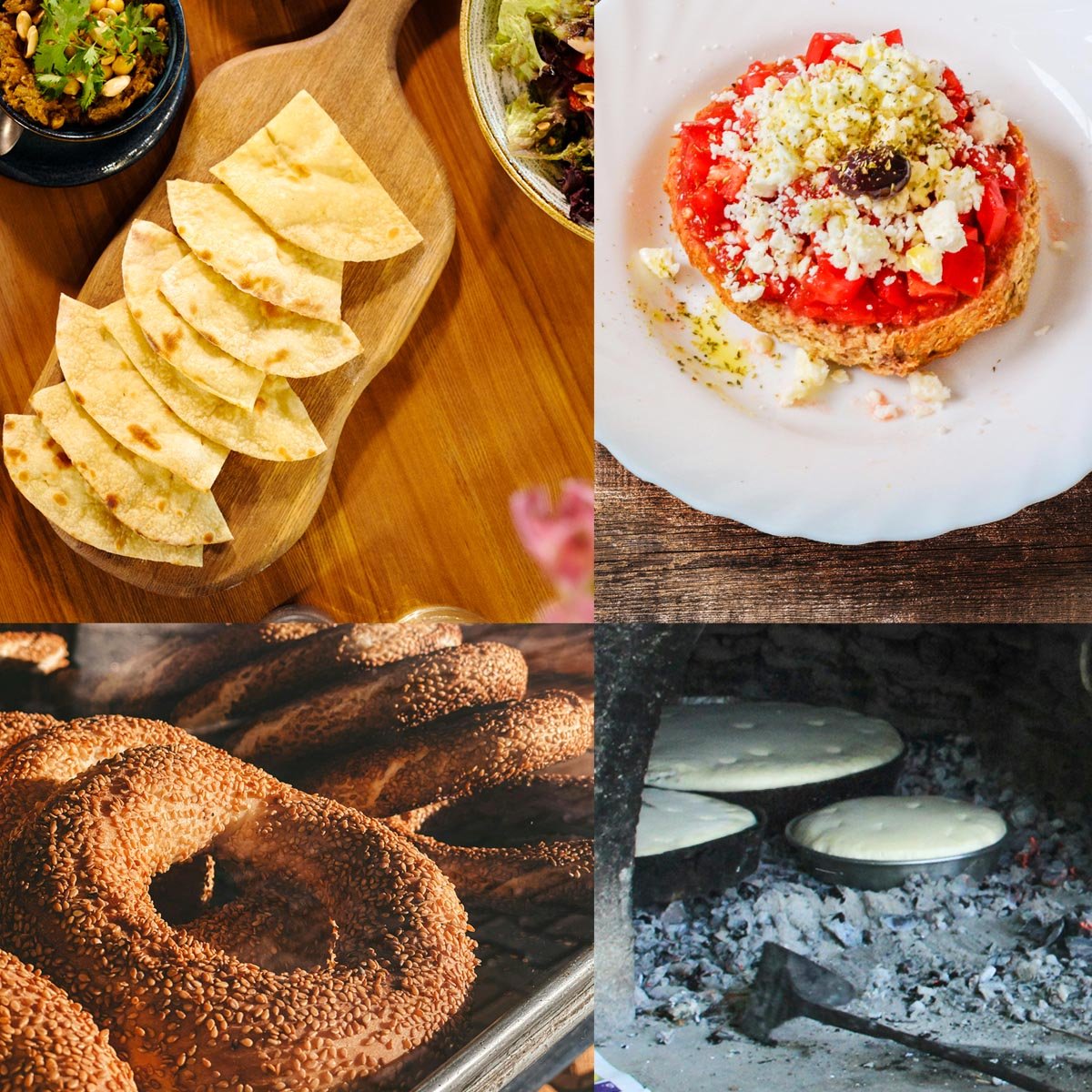
I paximadia sono pani o fette biscottate tradizionali greci, cotti due volte: pensateli come fette di pane molto dure e asciutte che possono essere conservate a lungo. Erano un alimento base per i contadini e i marinai greci in passato grazie alla loro eccellente conservabilità. Una delle varietà più famose è la fetta biscottata d'orzo cretese (chiamata dakos (conditi con pomodoro e feta, come nella famosa insalata cretese). Questi biscotti sono spesso preparati con orzo o con un mix di farine di orzo e grano, che conferisce loro una consistenza densa, un alto contenuto di fibre e un caratteristico sapore di nocciola. L'impasto viene prima cotto a forma di pagnotta, poi tagliato e cotto nuovamente a bassa temperatura per asciugarlo completamente.
Sebbene le paximadia siano estremamente dure se morse così come sono, si ammorbidiscono deliziosamente se inumidite: spesso vengono immerse brevemente in acqua o vino prima di essere mangiate, oppure condite con succosi pomodori a pezzetti e olio d'oliva, che le reidratano a sufficienza. Il risultato è una base nutriente e piacevolmente consistente, perfetta per i condimenti. Possono essere anche dolci (come le fette biscottate al gusto di cannella e arancia), ma le più comuni sono quelle semplici a base di orzo.
Autentici biscotti d'orzo greci (Paximadi)
Nella cucina greca, i paximadi vengono usati al posto del pane fresco nelle insalate o come accompagnamento alle zuppe. Si gustano anche con il caffè (inzuppati come i biscotti). Se volete provare a preparare i paximadi autentici, date un'occhiata alla ricetta dei Paximadi d'Orzo Greci Autentici su Olive Tomato. Vi guiderà nella preparazione e nella doppia cottura dell'impasto per ottenere quei biscotti croccanti e ricchi di tutte le proprietà benefiche dei cereali integrali. Una volta pronta una teglia, potete creare i vostri dakos: mettete a bagno i biscotti, conditeli con pomodoro fresco, feta sbriciolata, olio d'oliva e origano: una semplice prelibatezza greca!
Tiganopsomo (pane fritto con feta)
Il tiganopsomo è una focaccia greca decadente che viene fritta in padella fino a raggiungere la perfetta doratura. In greco, tiganopsomo Significa "pane in padella", ed è esattamente così che si prepara: un semplice impasto per il pane, spesso con un po' di yogurt, viene steso e in genere farcito o cosparso di feta sbriciolata, poi piegato e fritto in olio d'oliva fino a diventare croccante e gonfio. Il risultato è un pane saporito e friabile all'esterno con feta calda e filante all'interno. È come una versione più veloce, da preparare sul fornello, di una torta salata al formaggio. Questa specialità è originaria della Grecia settentrionale, ma ne esistono varianti in tutto il paese (a volte l'impasto viene semplicemente fritto senza ripieno e il formaggio viene aggiunto sopra in seguito).
Tiganopsomo con feta
Il tiganopsomo viene solitamente servito come antipasto o mezze, tagliato a spicchi. Immaginate un incrocio tra una pita ripiena e un toast al formaggio, ma con il sapore unico della feta e l'irresistibile croccantezza della pasta fritta. È meglio mangiarlo subito, caldo e croccante. Essendo così gustoso, viene spesso preparato in casa per utilizzare gli avanzi di pasta o semplicemente per soddisfare la voglia di qualcosa di saporito. Se avete voglia di concedervi un peccato di gola, provate a preparare il tiganopsomo con la feta seguendo la ricetta di Mia Kouppa. È sorprendentemente facile: preparate un impasto veloce, incorporate la feta e friggete. In pochi minuti avrete un piatto di irresistibile tiganopsomo: attenzione, tende a sparire in un batter d'occhio!
Spanakopita Bread Twist (torsolo di spinaci e feta)
Questa creazione moderna unisce due classici della cucina greca: la spanakopita (la classica torta salata con spinaci e feta) e il pane! La spanakopita è una deliziosa pagnotta o ciambella ripiena di un saporito composto di spinaci, erbe aromatiche e feta, proprio come il ripieno della spanakopita. Una versione molto apprezzata, resa famosa dai food blogger, prevede una forma intrecciata, con strati di pasta che avvolgono il ripieno verde, mostrando spirali di spinaci una volta cotta. Si tratta essenzialmente di un pane ripieno, ma presentato in modo visivamente accattivante, spesso come una ghirlanda intrecciata o una pagnotta da condividere. L'impasto è solitamente a base di lievito arricchito con olio d'oliva, che gli conferisce una consistenza morbida e un sapore delizioso che si sposa perfettamente con il ripieno.
Spanakopita Bread Twist
Questa fusione tra torta tradizionale e pane è un successo assicurato a feste e riunioni di famiglia. È sostanziosa e appagante, con tutti i sapori della spanakopita - spinaci in abbondanza, aneto o prezzemolo, cipollotti e il gusto deciso della feta - racchiusi in un pane soffice al posto della pasta fillo. La torsione di pane è anche più facile da trasportare e servire rispetto ai singoli triangoli di spanakopita, il che la rende perfetta per i pranzi in compagnia. Per preparare questa imponente pagnotta, potete seguire la ricetta della Spanakopita Bread Twist di Half Baked Harvest. Fornisce istruzioni chiare su come assemblare e attorcigliare la pagnotta. Il risultato non è solo delizioso (chi può resistere al formaggio e agli spinaci racchiusi nel pane?), ma anche un centrotavola spettacolare: un meraviglioso esempio di rivisitazione moderna dei sapori greci.
Pane pita senza glutine (adattamento moderno)
La pita greca tradizionale è fatta con farina di grano, ma per chi è intollerante al glutine o lo evita, le cucine moderne hanno sviluppato ricette di pita senza glutine, in modo che tutti possano gustare questo alimento base. Una pita senza glutine mira a replicare la consistenza morbida ed elastica dell'originale, spesso utilizzando una miscela di farine come farina di riso, tapioca o fecola di patate, e forse sorgo o farina di mais. In genere vengono aggiunti gomma di xantano o bucce di psillio per imitare l'elasticità che il glutine fornirebbe, aiutando l'impasto a intrappolare l'aria e a gonfiarsi. Anche se le pita senza glutine non sempre hanno una tasca grande, possono comunque essere arrotolate o piegate e sono ottime per i wrap o servite con salse.
Il procedimento per preparare la pita senza glutine è simile: si prepara un impasto (di solito un po' più appiccicoso e morbido rispetto a quello di grano), lo si lascia lievitare, poi lo si divide e lo si cuoce su una padella calda o su una pietra refrattaria. Il risultato sono delle focacce appena sfornate e gonfie, sicure per chi soffre di celiachia o intolleranza al glutine, ma comunque deliziose. Molti rimangono piacevolmente sorpresi da quanto bene vengano queste alternative: morbide e persino leggermente gommose, perfette come ripieno per gyros o souvlaki.
Pita greca senza glutine
Se cercate una ricetta affidabile, provate la ricetta del pane pita greco senza glutine di The Loopy Whisk. È stata testata a fondo per garantire che le pite si gonfino e rimangano morbide. Ora, anche una dieta senza glutine non vi impedirà di gustare il pane pita fatto in casa con i vostri piatti greci preferiti!
Loukoumades (palline di pasta allo sciroppo di miele)
Concludiamo con una nota dolce: i loukoumades, spesso descritti come ciambelle greche al miele. Pur non essendo pane nel senso convenzionale del termine, queste frittelle di pasta sono una parte preziosa della pasticceria greca e ci sono state richieste nella nostra selezione. I loukoumades sono piccole palline di pasta lievitata, fritte fino a diventare croccanti e dorate, poi immediatamente immerse o irrorate in uno sciroppo di miele caldo. Vengono tipicamente serviti ammucchiati su un piatto, appiccicosi di miele e spesso cosparsi di cannella e noci tritate o semi di sesamo. Il contrasto di consistenze è divino: l'esterno è leggermente croccante, mentre l'interno rimane morbido e soffice. Alcuni sostengono che i loukoumades risalgano all'antica Grecia (forse venivano offerti come premio ai vincitori olimpici), il che li rende uno dei dolci più antichi di cui si abbia notizia.
In Grecia oggi, potresti gustare i loukoumades alle feste, nelle pasticcerie o zacaroplastica (pasticcerie). Sono migliori se mangiati freschi e caldi, quando si sciolgono letteralmente in bocca. Le varianti moderne includono guarnizioni come salsa al cioccolato o gelato, ma il classico miele e cannella è imbattibile. Preparare i loukoumades in casa è piuttosto semplice: si prepara un impasto morbido, lo si lascia lievitare, poi si lasciano cadere cucchiaiate o pezzetti nell'olio bollente. Una volta gonfi e dorati, si trasferiscono nello sciroppo e si guardano brillare.
Loukoumades (palline di pasta al miele)
Se avete voglia di questi deliziosi dolcetti, seguite la ricetta tradizionale dei Loukoumades di My Greek Dish. Troverete consigli per ottenere la consistenza perfetta e le istruzioni per preparare lo sciroppo di miele. Attenzione: una volta assaggiati i loukoumades fatti in casa, potrebbero sparire più velocemente di quanto pensiate, perché tutti ne chiederanno "solo un altro"!
Dai croccanti pani di campagna ai dolci pani delle feste, la pasticceria greca offre qualcosa per tutti i palati. Questa raccolta mette in luce come il pane in Grecia possa essere sia nutrimento quotidiano che elemento centrale delle celebrazioni. Che si tratti di preparare una ricetta di famiglia come i tsoureki per le feste o di cimentarsi con la trendy spanakopita, si partecipa a una deliziosa tradizione. Con le ricette linkate qui sopra, potete portare un assaggio di Grecia nella vostra cucina. Καλή όρεξη - buon appetito e buona cottura!
Come preparare un piatto di pane greco
- Base: una pagnotta rustica di horiatiko psomi o una pila di pita calda.
- Accenti: olive, spicchi di pomodoro, cetriolo, feta, capperi, origano.
- Spread: tzatziki, melitzanosalata, taramasalata, hummus.
- Angolo dolce: fette di tsoureki con miele e burro; una ciotola di noci.
Domande frequenti sul pane greco
Qual è il pane greco più popolare?
Pane pita è il pane greco più conosciuto al mondo, grazie al gyros e al souvlaki. A casa in Grecia, horiatiko psomi (pane del villaggio) è il pane quotidiano da tavola.

Quale pane greco è il migliore da intingere?
Caldo pita e rustico horiatiko sono ideali per olio d'oliva, salse e stufati saporiti. Paximadi è perfetto una volta inumidito e ricoperto per dakos.
Come si chiama il pane dolce greco?
Tsoureki è il classico pane greco dolce intrecciato, profumato con mahlep e arancia. Durante il periodo natalizio cercatelo cristoforo, e a Capodanno vasilopita.
Posso fare il pane greco senza una planetaria?
Sì. La maggior parte delle ricette qui sono adatte all'impasto a mano. Per impasti arricchiti come lo tsoureki, usate cicli di impasto brevi con pause per sviluppare il glutine.
Quale farina è migliore per il pane greco?
La farina multiuso funziona per la maggior parte delle pagnotte e delle focacce. Per horiatiko aggiungere semola per colore e morso. Per paximadi includere farina d'orzo per autenticità.
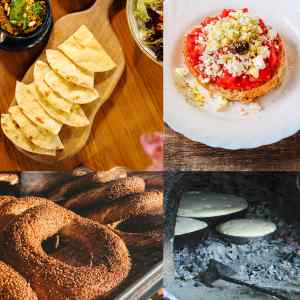
18 ricette tradizionali di pane greco

Attrezzatura
Ingredienti
- Ricetta autentica del pane pita greco
- Pane piatto tradizionale di Lagana
- Ladenia con pomodorini
- Tsoureki greco tradizionale
- Pane greco Christopsomo
- Vasilopita, pane greco di Capodanno
- Lazarakia (panini pasquali greci di Lazzaro)
- Pane del villaggio (Horiatiko Psomi)
- Koulouri Thessalonikis
- Grissini greci al sesamo (Kritsinia)
- Pane all'uvetta (Stafidopsomo)
- Pane greco al formaggio feta (Tiropsomo)
- Pane greco alle olive (Eliopsomo)
- Autentici biscotti d'orzo greci (Paximadi)
- Tiganopsomo con feta
- Spanakopita Bread Twist
- Pita greca senza glutine
- Loukoumades (palline di pasta al miele)
Istruzioni
- Seleziona le tue ricette preferite di pane greco!
- Organizza tutti gli ingredienti necessari per il pane greco che hai scelto.
- Preparate la ricetta del pane greco, servitelo e gustatelo.