
Articoli correlati
-
 Muffin per la colazione all'uvetta
-
 Toast alla cannella ispirato alla Disney
-
Colazione a base di uova in buca ispirate alla Disney
-
21 deliziosi contorni per la colazione
-
French Toast con pasta madre
-
Porridge di mele e cannella con noci pecan e sciroppo d'acero
-
Porridge alla cannella con pesche al forno
-
La ricetta del porridge perfetto


Indice
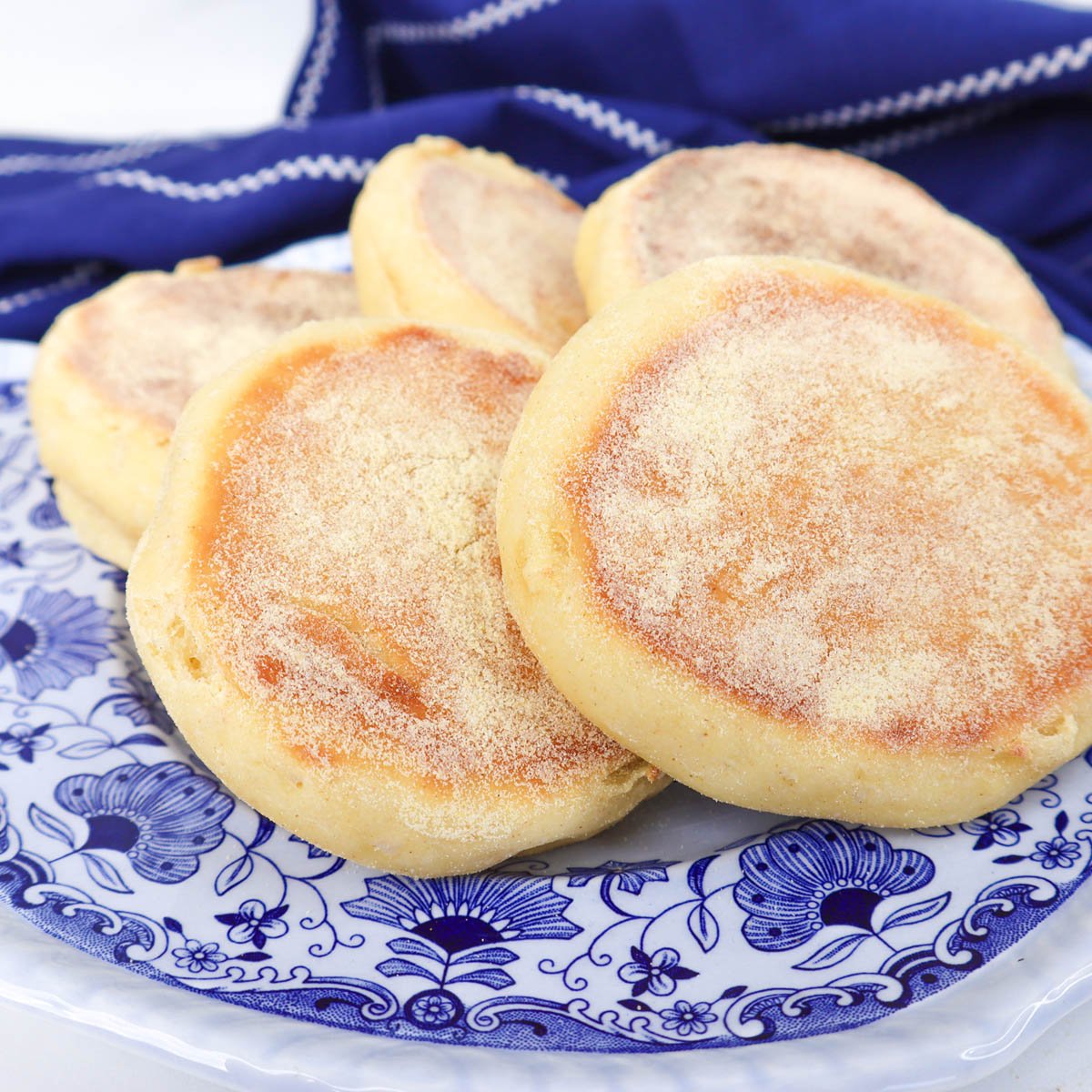
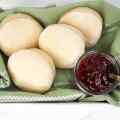
Muffin inglesi fatti in casa
C'è qualcosa di innegabilmente confortante nel svegliarsi con il profumo di muffin inglesi caldi e dorati che tostano dolcemente, pronti per essere spalmati generosamente con burro che si scioglie in ogni angolo. Quando ero bambino, facevano spesso parte della colazione del fine settimana: leggermente croccanti fuori, morbidi e soffici dentro, sempre con il giusto equilibrio tra rustico e raffinato.
Per anni ho pensato che i muffin inglesi fossero uno di quegli alimenti che era meglio lasciare ai professionisti o agli scaffali dei supermercati. Ma quando ho iniziato a sperimentare con impasti per il pane e semplici ricette a base di lievito, mi sono resa conto che questi semplici alimenti base per la colazione sono molto più facili da preparare di quanto si possa pensare. E la ricompensa: muffin inglesi appena sfornati, ancora caldi dalla teglia.
Sono diventati un elemento essenziale nella mia cucina, non solo per la colazione ma anche per la preparazione dei pasti. Ne preparo una grande quantità la domenica e poi li congelo per riscaldarli durante la settimana. Il mio modo preferito di gustarli? Una versione casalinga dei muffin con uova e pancetta in stile McDonald's. C'è qualcosa di profondamente appagante nel preparare la propria versione a casa, più sana, più fresca e altrettanto confortante.

Cosa rende i muffin inglesi così speciali?
Quando si pensa al pane per la colazione, la scelta è ampia: toast, bagel, croissant. Ma cosa rende speciali i muffin inglesi?
Per me, è tutta una questione di consistenza e versatilità. Si trovano in quel punto d'equilibrio perfetto tra morbido e strutturato. L'interno ha quella tenera masticabilità che ci si aspetta da un buon pane, mentre l'esterno diventa croccante al punto giusto quando tostato. Questo equilibrio li rende la base perfetta per tutto, dal burro e marmellata a uova in camicia e salsa olandese.
I muffin inglesi sono anche incredibilmente versatili. Si possono servire dolci o salati, a colazione o a pranzo, e persino usare come mini basi per la pizza. C'è un motivo per cui sono amati da generazioni: sono allo stesso tempo nostalgici e incredibilmente pratici.
Quando li prepari da zero, apprezzi ancora di più la loro semplicità. Pochi ingredienti di base, farina, lievito, latte e zucchero, si trasformano in qualcosa che sembra uscito direttamente da un panificio. E la cosa migliore è che non hai nemmeno bisogno di accendere il forno.
Qual è il segreto per ottenere muffin inglesi perfetti ogni volta?
Nel corso degli anni, ho imparato alcuni piccoli ma importanti trucchi che fanno la differenza tra una buona partita e una partita eccezionale.
- Usare latte caldo, non caldo. Se fa troppo caldo, può uccidere il lievito; se fa troppo freddo, il lievito non si attiverà correttamente. L'ideale è una temperatura piacevolmente tiepida, intorno alla temperatura corporea.
- Lasciate che il lievito fiorisca. Aspettare dai 5 ai 7 minuti affinché si formi una leggera schiuma sulla superficie del composto di latte assicura che il lievito sia attivo e pronto a lavorare.
- Impastare pazientemente. L'impasto deve essere morbido ma elastico e impastare aiuta a sviluppare il glutine che conferisce ai muffin inglesi la loro caratteristica consistenza masticabile.
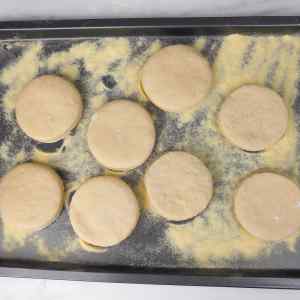
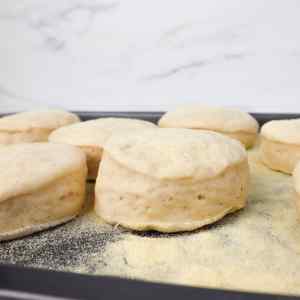
- Non omettere la semola. Spolverare le teglie e la superficie con semola fine prima della lievitazione conferisce loro la classica crosta leggermente croccante ed evita che si attacchino.
- Cuocere a fuoco lento e a fuoco basso. Il segreto sta nel calore costante e delicato. Se i muffin si dorano troppo velocemente, rimarranno crudi all'interno. Regolate la temperatura secondo necessità e abbiate fiducia nel processo.
Una volta pronte, trasferitele su una griglia e resistete alla tentazione di mangiarle subito. Lasciatele raffreddare leggermente in modo che la consistenza si assesti e il sapore si intensifichi. Poi, quando finalmente ne spezzerete una (usando una forchetta, ovviamente, non un coltello, perché volete quegli angoli e quelle fessure perfette), capirete perché quelle fatte in casa valgono così tanto.

Come si servono i muffin inglesi?
È qui che inizia il divertimento. I muffin inglesi sono una tela bianca su cui dare libero sfogo alla creatività. Ho provato innumerevoli guarnizioni, ma torno sempre ad alcune delle mie preferite.
Per qualcosa di semplice, burro e marmellata sono sempre un'ottima scelta. Il calore del muffin scioglie il burro all'istante e la marmellata si insinua in ogni fessura: la colazione perfetta.
Se avete voglia di qualcosa di più sostanzioso, provate a preparare un classico muffin con uova e pancetta. Adoro cuocere un uovo fino a quando non si rapprende, farcirlo con pancetta croccante e una fetta di formaggio tra due metà di un muffin inglese. È un piatto nutriente, appagante e ideale per la preparazione dei pasti in anticipo. Spesso ne preparo una teglia, li congelo singolarmente e poi ne scongelo uno ogni mattina per una colazione veloce ma comunque speciale.
Per un brunch del fine settimana più raffinato, niente batte le uova alla Benedict. Muffin inglesi tostati con uova in camicia, prosciutto e salsa olandese: un piatto ricco, cremoso e incredibilmente buono. È un piatto da ristorante, preparato comodamente a casa.
E naturalmente, sono una base perfetta per mini pizze veloci o anche per uno spuntino dolce con un filo di miele o Nutella. Una volta che inizierai a prepararle regolarmente, troverai infiniti modi per utilizzarle.

Perché preparare i muffin inglesi da zero?
Forse ti starai chiedendo: perché impegnarsi a prepararli da soli quando puoi facilmente comprarne una confezione al supermercato?
Per me, la differenza è abissale. I muffin inglesi comprati al supermercato possono risultare secchi o troppo uniformi, mentre quelli fatti in casa hanno un fascino fresco e leggermente rustico. La consistenza è più morbida, il sapore più complesso, e c'è una soddisfazione particolare nel sapere esattamente cosa contengono.
C'è anche qualcosa di profondamente rilassante nel processo stesso. Mescolare, impastare e osservare la lievitazione ha un ritmo che infonde un senso di radicamento. È un piccolo atto di consapevolezza che ti connette a generazioni di panettieri casalinghi che preparavano il pane non solo per nutrirsi, ma per il semplice piacere di farlo.
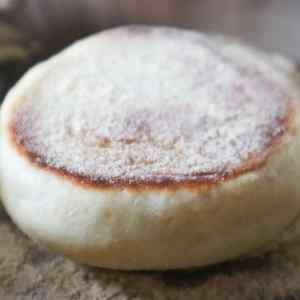
E una volta che ne avrete assaggiato uno ancora caldo di padella, con il suo interno morbido e fumante e i bordi leggermente croccanti, capirete perché quello fatto in casa vince sempre.

Muffin inglesi

Attrezzatura
- Tagliabiscotti (7,5 cm)
- Padella o piastra a fondo spesso
Ingredienti
- 400 Grammi farina bianca forte più extra per spolverare
- 1 cucchiaino zucchero semolato fine
- 5 Grammi lievito ad azione rapida
- 250 ml latte intero riscaldato
- semola fine per spolverare
Istruzioni
- Scalda delicatamente il latte in un pentolino finché non è appena tiepido al tatto. Provalo con un dito, dovrebbe risultare gradevole al tatto, non bollente.
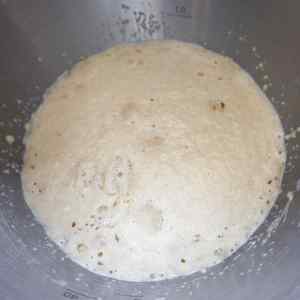
- Versate il latte caldo in una ciotola e aggiungete lo zucchero e il lievito. Lasciate riposare per circa 5-7 minuti, finché non si forma una leggera schiuma in superficie. Questo significa che il lievito è attivo e pronto.

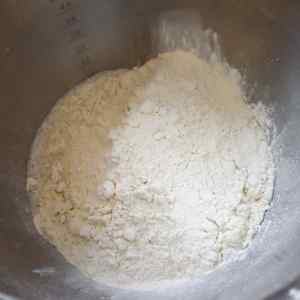
- Aggiungere la farina e il sale nella ciotola con il composto di lievito.
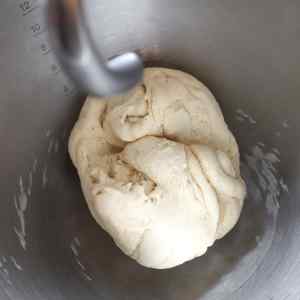
- Mescolate fino a ottenere un impasto granuloso, quindi impastate su una superficie leggermente infarinata per circa 8-10 minuti, o fino a ottenere un impasto liscio ed elastico. Potete anche impastare con una planetaria dotata di gancio per impastare.
- Stendete l'impasto su una superficie leggermente infarinata fino a uno spessore di circa 1 cm. Con un tagliapasta da 7,5 cm ricavate 8 dischi, stendendo nuovamente gli scarti se necessario.
- Disponete i dischi su una teglia spolverata di semola fine. Cospargete con altra semola, coprite con un canovaccio pulito e lasciate lievitare in un luogo caldo per circa 1 ora, o fino al raddoppio del volume. Per un sapore ancora più intenso, lasciate lievitare l'impasto in frigorifero per tutta la notte.
- Scaldare una padella antiaderente o una piastra a fuoco medio. Trasferire delicatamente i muffin sulla padella e cuocerli per circa 6-7 minuti per lato, o fino a quando non saranno dorati e sodi al tatto. Cuocere a più riprese, regolando la fiamma se necessario per evitare che si dorino troppo in fretta prima di essere cotti.
- Trasferisci i muffin su una griglia e lasciali raffreddare leggermente. Servili caldi, tagliati a metà e tostati con burro, marmellata o i tuoi ingredienti preferiti.

Note
- Controlla il tuo lievito: Se il composto non fa schiuma dopo 10 minuti, il lievito potrebbe essere inattivo. Per ottenere risultati ottimali, ricomincia con lievito fresco.
- Texture perfetta: Il segreto per ottenere quella caratteristica consistenza gommosa all'interno è impastare abbastanza a lungo da formare il glutine, quindi non bisogna avere fretta.
- Non saltare la semola: Conferisce ai muffin la loro classica crosta leggermente croccante.
- Lento e lento: Se i muffin diventano dorati troppo in fretta, abbassa la fiamma in modo che abbiano il tempo di cuocersi in modo uniforme.
- Conservazione: Conserva gli avanzi in un contenitore ermetico fino a 3 giorni, oppure congelali fino a un mese. Riscaldali nel tostapane prima di servirli.
- Idea per servire: Provate a guarnire i vostri muffin inglesi con uova in camicia e salsa olandese per ottenere delle uova alla Benedict fatte in casa.
Valori nutrizionali
One thought on “English Muffins”
Lascia un commento
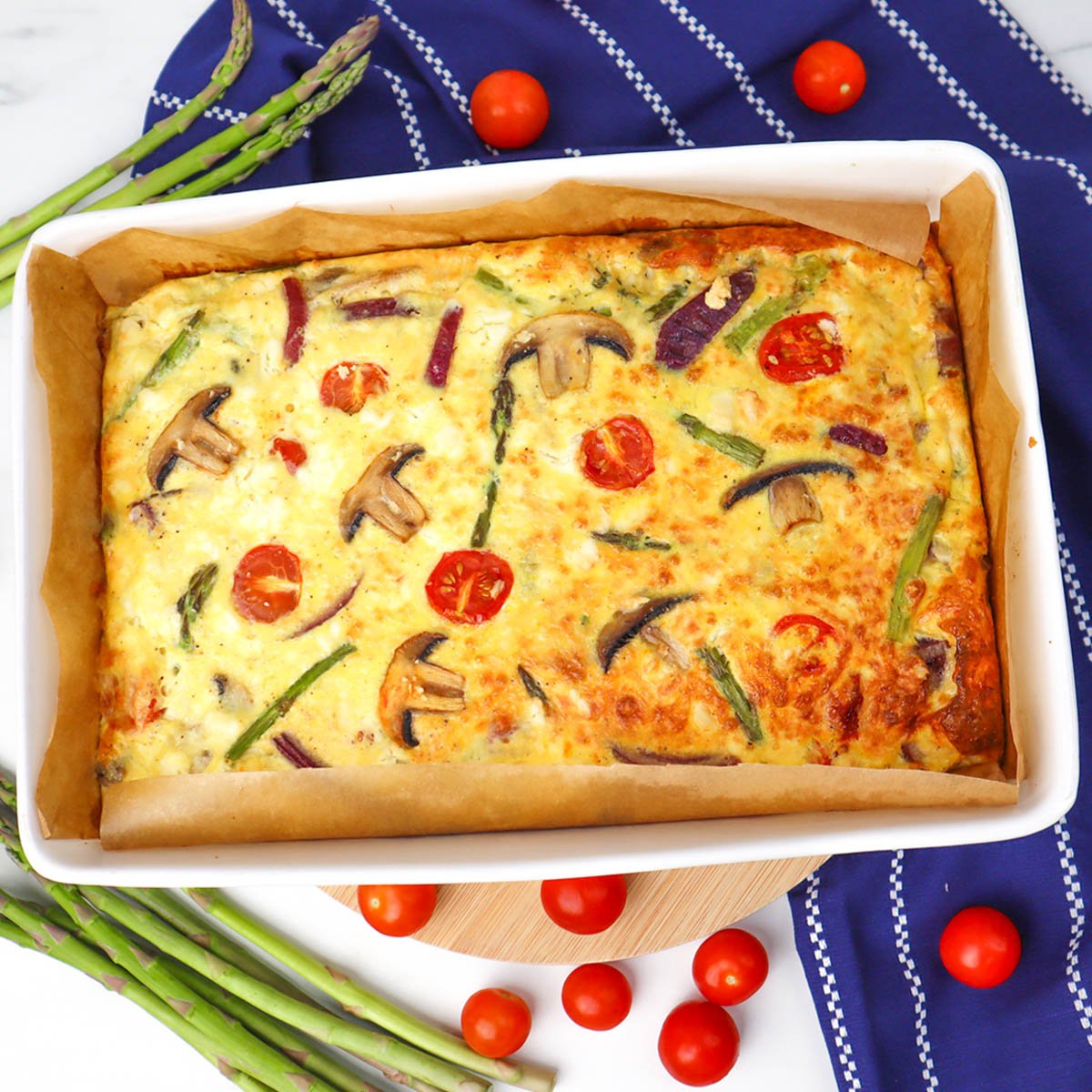
Preparare i muffin inglesi fatti in casa è una di quelle piccole gioie in cucina che non stancano mai. Ogni infornata mi ricorda che le colazioni migliori sono spesso le più semplici, preparate con cura, condivise con la famiglia e gustate lentamente. Se ti è piaciuta questa ricetta, c'è un intero mondo di idee per la colazione che ti aspetta. Prova la mia burritos per la colazione per le mattine impegnative, un sostanzioso colazione con uova e patate per weekend pigri, o un colorato dolce al forno frittata vegetariana per iniziare la giornata in modo sano. E se hai voglia di qualcosa di più dolce, non perderti il mio morbido e umido pane alla banana o appena sfornati fatti in casa pane a lievitazione naturale, ognuno è fatto per portare un po' di calore e conforto alle tue mattine.
Se provate questi muffin inglesi o una qualsiasi delle mie ricette per la colazione, mi piacerebbe vedere le vostre creazioni! Condividetele con me su mezzi di comunicazione sociale e taggate le vostre foto così potrò pubblicare i vostri dolci. Seguitemi per altre ricette facili e fatte in casa che trasformano i pasti quotidiani in qualcosa di speciale.



Semplice e adattabile. Il risultato è stato eccellente.