


Inhaltsverzeichnis
- Ihr Leitfaden zu griechischen Brotklassikern und modernen Varianten
- Pita-Brot (griechisches Fladenbrot)
- Lagana (Fladenbrot für den Reinen Montag)
- Ladenia (Tomaten-Zwiebel-Fladenbrot aus Kimolos)
- Tsoureki (griechisches süßes Osterbrot)
- Christopsomo (griechisches Weihnachtsbrot)
- Vasilopita (Neujahrsglücksbrot)
- Lazarakia (griechische Lazarus-Brötchen)
- Horiatiko Psomi (Dorfbrot)
- Koulouri Thessalonikis (Sesambrotringe)
- Kritsinia (griechische Sesam-Brotstangen)
- Stafidopsomo (Rosinenbrötchen)
- Tiropsomo (Feta-Käse-Brot)
- Eliopsomo (Olivenbrot)
- Paximadi (Gerstenzwieback)
- Tiganopsomo (gebratenes Brot mit Feta)
- Spanakopita-Brot-Twist (Spinat-Feta-Twist)
- Glutenfreies Pita-Brot (moderne Anpassung)
- Loukoumades (Honigsirup-Teigbällchen)
- So bauen Sie eine griechische Brotplatte
- Häufig gestellte Fragen zu griechischem Brot
- Welches ist das beliebteste griechische Brot?
- Welches griechische Brot eignet sich am besten zum Dippen?
- Wie heißt griechisches süßes Brot?
- Kann ich griechisches Brot ohne Küchenmaschine backen?
- Welches Mehl eignet sich am besten für griechisches Brot?
- Authentisches griechisches Pitabrot-Rezept
- Traditionelles Lagana-Fladenbrot
- Ladenia mit alten Tomaten
- Traditionelles griechisches Tsoureki
- Griechisches Christopsomo-Brot
- Vasilopita (griechisches Neujahrsbrot)
- Lazarakia (griechische Oster-Lazarus-Brötchen)
- Dorfbrot (Horiatiko Psomi)
- Koulouri Thessalonikis
- Griechische Sesam-Brotstangen (Kritsinia)
- Rosinenbrot (Stafidopsomo)
- Griechisches Feta-Käsebrot (Tiropsomo)
- Griechisches Olivenbrot (Eliopsomo)
- Authentischer griechischer Gerstenzwieback (Paximadi)
- Tiganopsomo mit Feta
- Spanakopita-Brot-Twist
- Glutenfreies griechisches Pita
- Loukoumades (Honigteigbällchen)
Die griechische Küche blickt auf eine lange Tradition des Brotbackens zurück, von uralten Fladenbroten bis hin zu festlichen Broten. Brot ist ein zentraler Bestandteil der griechischen Kultur – sei es ein einfaches Dorfbrot, das zu jeder Mahlzeit gereicht wird, oder ein süßes, gewürztes Brot für besondere Anlässe. In dieser Übersicht stellen wir Ihnen über zwanzig griechische Brotsorten vor, sowohl traditionelle Klassiker als auch kreative, moderne Variationen.
Ihr Leitfaden zu griechischen Brotklassikern und modernen Varianten
Griechisches Brot ist mehr als nur eine Beilage. Es ist Geschichte auf dem Teller, vom einfachen Dorfbrot bis zum kunstvollen Festtagsbrot, das Familientraditionen trägt. In dieser Übersicht finden Sie über zwanzig Sorten von Griechisches Brot: weiche Fladenbrote, Frühstücksringe mit Sesamkruste, Tomatenbrote nach Inselart und süße Festtagsbrote. Jeder Eintrag enthält einen Link zu einem bewährten, erprobten Rezept und Serviervorschläge, Hinweise zu den Zutaten und einen kulturellen Kontext.
Planen Sie mit diesem Leitfaden einen griechischen Mezze-Abend, backen Sie ein festliches Brot für die Feiertage oder probieren Sie eine moderne Variante mit glutenfreiem Pitabrot oder einer Spanakopita-Variante. Wenn Sie griechisches Brot noch nicht kennen, beginnen Sie mit Pitabrot. Erfahrene Bäcker können sich an Tsoureki, Christopsomo und Gerstenzwieback versuchen.
Pita-Brot (griechisches Fladenbrot)
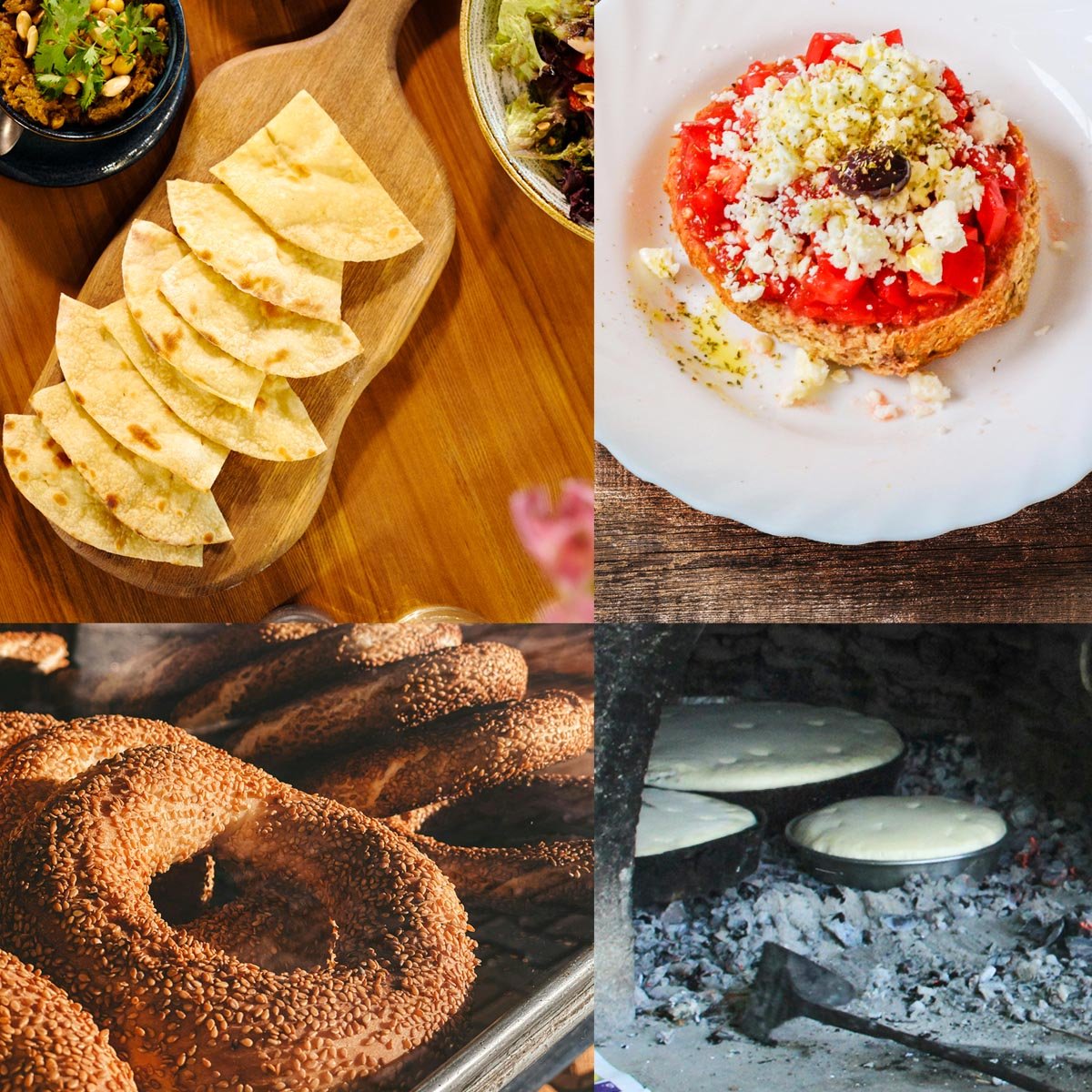
Pita ist das ikonische griechische Fladenbrot, weich und fluffig mit einer charakteristischen Tasche im Inneren. Es ist ein rundes, mit Hefe gebackenes Fladenbrot, das beim Backen aufgeht und so eine Lufttasche bildet, die sich perfekt zum Füllen eignet. Die Griechen servieren Pita mit Dips wie … Tzatziki Und Hummus, oder in Spalten geschnitten zu gegrilltem Fleisch. Dieses Fladenbrot hat antike Ursprünge und ist in Griechenland und im Mittelmeerraum nach wie vor ein Grundnahrungsmittel, beliebt wegen seiner Vielseitigkeit und zähen Konsistenz.
Abseits des Esstisches ist Pita vor allem als Wrap für beliebte Streetfood-Gerichte bekannt. In Athen und ganz Griechenland werden Souvlaki- und Gyros-Sandwiches zubereitet, indem saftiges Grillfleisch, Tomaten, Zwiebeln und Tzatziki in warmes Pitabrot gewickelt werden, oft noch mit ein paar Pommes frites. Pitabrot eignet sich auch hervorragend zum Aufnehmen von herzhaften Gerichten oder zum Einrollen mit verschiedenen Füllungen für schnelle Snacks. Traditionell wird es im heißen Ofen oder auf einer Grillplatte gebacken, wodurch es schön aufgeht und goldbraun wird. Für alle, die Gluten meiden, gibt es sogar glutenfreie Alternativen. glutenfreie Pitabrot-Rezepte die den weichen, kuscheligen Genuss dieses Klassikers nachempfinden.
Authentisches griechisches Pitabrot-Rezept
Wenn Sie Ihr eigenes authentisches griechisches Pitabrot backen möchten, probieren Sie doch mal dieses Rezept von The Greek Foodie aus. Es bietet eine Schritt-für-Schritt-Anleitung für fluffige, perfekte Pitas. Mit einfachen Zutaten und einer heißen Pfanne oder einem heißen Ofen haben Sie im Handumdrehen warme, selbstgemachte Pitabrote zum Einwickeln oder Dippen!
Lagana (Fladenbrot für den Reinen Montag)
Lagana ist ein traditionelles griechisches Fladenbrot, das speziell für den Rosenmontag, den ersten Tag der Fastenzeit im griechisch-orthodoxen Kalender, gebacken wird. Dieses flache, ovale Brot wird normalerweise großzügig mit Sesamkörnern bestreut und ist ein Azym (ungesäuertes) Brot in seiner klassischen Form. Familien backen oder kaufen Lagana nur einmal im Jahr für das Fest am Rosenmontag, begleitet von Meeresfrüchten und Mezze im Geiste der Fastenzeit. Das Brot hat eine leicht knusprige Kruste und ein luftiges Inneres, wenn es frisch ist. Es enthält oft Olivenöl, Dadurch bleibt es trotz des Fehlens von Eiern und Milchprodukten saftig (da es traditionell während der Fastenzeit vegan ist).
Die Geschichte von Lagana reicht bis in die Antike zurück, doch ist es auch heute noch ein beliebter Bestandteil der griechischen Kultur, insbesondere in der Fastenzeit. Das Rezept besteht aus wenigen Zutaten – Mehl, Wasser, Hefe (in modernen Varianten wird oft Hefe verwendet), einer Prise Zucker und Salz –, wodurch der intensive Sesamgeschmack voll zur Geltung kommt. Beim Backen von Lagana erfüllt ein herrlicher Duft die Küche, und das goldbraune Fladenbrot schmeckt köstlich, wenn man es in Taramasalata (Fischrogen-Dip) tunkt oder einfach pur genießt.
Traditionelles Lagana-Fladenbrot
Um sich an dieser einmal im Jahr zubereiteten Leckerei zu versuchen, verwenden Sie ein bewährtes Rezept wie dieses Rezept für traditionelles Lagana-Fladenbrot von Souvlaki for the Soul, das Sie durch die Zubereitung der perfekten Textur und des perfekten Belags führt.
Ladenia (Tomaten-Zwiebel-Fladenbrot aus Kimolos)
Ladenia wird oft als “griechische Pizza” bezeichnet – ein rustikales Fladenbrot mit Olivenöl, reifen Tomaten und Zwiebeln. Das Gericht stammt von der kleinen Kykladeninsel Kimolos und ist rein vegan. Es zeichnet sich durch einfache, hochwertige Zutaten aus. Der Brotteig ähnelt Focaccia: ein weicher, mit Olivenöl angereicherter Teig, der in einer Pfanne gebacken wird. Darauf werden saftige Tomatenscheiben und Zwiebelringe geschichtet und mit etwas nativem Olivenöl extra beträufelt (daher stammt auch der Name). ladi, griechisch für „Öl“). Beim Backen rösten die Tomaten und die Zwiebeln karamellisieren leicht, wodurch das Brot mit ihrem süßen Saft durchdrungen wird.
Dieses traditionelle Inselrezept erfreut sich in letzter Zeit immer größerer Beliebtheit, da immer mehr Menschen seinen Reiz entdecken. Ladenia schmeckt am besten warm oder bei Zimmertemperatur, oft in Quadrate geschnitten als Vorspeise oder Snack. Es ist rein pflanzlich und war in Kimolos traditionell ein Fasten- oder Alltagsgericht, bei dem die frischen Produkte der Insel verwendet wurden.
Ladenia mit alten Tomaten
Ladenia ist sozusagen der griechische Vorfahre der italienischen Pizza – ohne Käse und schwere Soße, aber dennoch unglaublich lecker. Wenn Sie diese ägäische Köstlichkeit probieren möchten, folgen Sie dem Ladenia-Rezept mit alten Tomatensorten aus „Souvlaki for the Soul“. Dank der detaillierten Anleitung gelingt Ihnen das authentische Kimolos-Fladenbrot ganz einfach zu Hause.
Tsoureki (griechisches süßes Osterbrot)
Tsoureki ist ein mild-süßes, weiches Hefebrot, das traditionell in Griechenland zu Ostern gebacken wird. Sein bekanntestes Merkmal ist der geflochtene Laib, in den rot gefärbte, hartgekochte Eier eingebettet sind – ein Symbol für neues Leben und die Auferstehung. Der reichhaltige Teig des Tsoureki wird mit Milch, Butter, Zucker und Eiern zubereitet und mit aromatischen Gewürzen wie Mahlep (Mahaleb) – einem Gewürz aus Kirschkernen – und oft auch Mastixharz oder Orangenschale verfeinert. Das Ergebnis ist ein goldgelbes, fluffiges Brot mit einer feinen Süße und einem herrlichen Duft. In byzantinischer Zeit war es üblich, ringförmige Osterbrote mit einem roten Ei in der Mitte zu backen – eine Tradition, die sich bis heute im Tsoureki fortsetzt.
Dieses geflochtene Osterbrot ähnelt anderen Festtagsbroten wie Brioche oder Challah, hat aber einen unverwechselbar griechischen Geschmack. Familien backen Tsourekia in der Karwoche, und nach dem Mitternachtsgottesdienst am Ostersonntag wird es gebrochen und geteilt. Der Zopf des Brotes symbolisiert die Heilige Dreifaltigkeit, und die roten Eier stehen für das Blut Christi und die Wiedergeburt.
Traditionelles griechisches Tsoureki
Tsoureki ist so beliebt, dass die Griechen es mittlerweile das ganze Jahr über genießen – Variationen wie mit Schokolade gefüllte oder mit Mandeln überzogene Laibe gibt es auch zu Weihnachten oder Neujahr. Wenn Sie ein authentisches Tsoureki mit seinen traditionellen Aromen und der Flechttechnik backen möchten, schauen Sie sich dieses Rezept für traditionelles griechisches Tsoureki von The Mediterranean Dish an. Es bietet eine Schritt-für-Schritt-Anleitung (auch für Backanfänger), um die weiche, fluffige Konsistenz und den schönen Zopf zu erzielen.
Christopsomo (griechisches Weihnachtsbrot)
Christopsomo, was übersetzt “Christi Brot” bedeutet, ist ein reichhaltiges Festtagsbrot, das in Griechenland am Heiligabend gebacken wird. Dieses runde, süße Brot ist tief symbolträchtig – es wird oft mit einem Teigkreuz und anderen kunstvollen Mustern verziert (manchmal formen die Menschen Blumen, Tiere oder Familieninitialen aus dem Teig). Christopsomo wird üblicherweise mit wärmenden Gewürzen wie Zimt, Nelken, Muskatnuss, Anis und Orangenschale gewürzt und kann Nüsse oder … enthalten. Rosinen. Vor dem Weihnachtsessen bekreuzigt das Familienoberhaupt traditionell das Christopsomo und schneidet es an, wobei es ein Gebet für Segen im kommenden Jahr spricht. In vielen Regionen gilt das Brot als Symbol für die Hoffnungen der Familie auf Wohlstand und Gesundheit.
Christopsomo zu backen ist eine Herzensangelegenheit – der Teig wird oft von Hand geknetet und langsam gehen gelassen, wodurch sich das Haus mit einem süßen, würzigen Duft erfüllt. Nach dem Backen hat er eine goldbraune Kruste (oft mit etwas Olivenöl oder Sirup bestrichen) und eine weiche, kuchenartige Krume. Manchmal wird als Dekoration eine ganze Walnuss in der Schale in die Mitte des Laibs gedrückt, als Symbol für Fruchtbarkeit oder die Geburt Christi.
Griechisches Christopsomo-Brot
Jedes Stück Christopsomo soll mit Ehrfurcht genossen werden. Wenn Sie diese bedeutungsvolle griechische Weihnachtstradition selbst erleben möchten, probieren Sie Dimitras Christopsomo-Rezept. Es führt Sie Schritt für Schritt durch die Zubereitung des gewürzten Teigs und der wunderschönen Dekorationen, sodass Sie ein Stück griechisches Weihnachtsfest auf Ihren eigenen Tisch bringen können.
Vasilopita (Neujahrsglücksbrot)
Vasilopita ist das griechische Neujahrsbrot (manchmal auch Kuchen genannt), in dem eine Glücksmünze versteckt ist. Am Neujahrstag (dem Basilius-Tag) schneiden Familien die Vasilopita an, um das Haus zu segnen und zu sehen, wer die darin gebackene Münze findet – dieser Person soll im neuen Jahr Glück gebracht werden. Traditionelles Vasilopita-Brot ist oft ein runder, leicht süßer Laib, ähnlich wie Brioche oder Tsoureki, und wird mit Orange und manchmal Mahlep aromatisiert. Eine andere beliebte Variante ähnelt eher einem festen Rührkuchen. Beiden gemeinsam ist das Ritual: Vor dem Anschneiden wird ein Kreuz in die Unterseite des Laibs geritzt. Das erste Stück ist für Jesus oder den Heiligen Basilius, das zweite für den Haushalt und dann jeweils ein Stück für jedes Familienmitglied der Reihe nach.
Klassische Vasilopita im Brotstil wird mit Milch, Eiern und Butter zubereitet und mit Zitronenschale verfeinert, während die kuchenartige Variante Vanille und Brandy enthalten kann. Typischerweise wird sie mit Puderzucker bestäubt oder mit blanchierten Mandeln verziert, die das neue Jahr bilden (zum Beispiel “2025”). Sie schmeckt köstlich, aber der besondere Reiz liegt in der Suche nach der Münze (die vor dem Backen in Alufolie eingewickelt wird).
Vasilopita (griechisches Neujahrsbrot)
Dieses festliche Brot verbindet Genuss mit festlicher Freude und Segen. Wenn Sie für Ihre Neujahrsfeier eine Vasilopita backen möchten, probieren Sie das Rezept für Vasilopita-Neujahrsbrot von Bowl of Delicious. Es enthält eine Anleitung für eine saftige, nach Orange duftende Vasilopita, eine Mischung aus Kuchen und Brot, inklusive einer Anleitung zum Einlegen der Münze. Machen Sie sich bereit, die griechische Tradition fortzuführen und mit dem Anschneiden ein Jahr voller Glück zu begrüßen!
Lazarakia (griechische Lazarus-Brötchen)
Lazarakia sind kleine, süße Gewürzbrötchen, die zum Gedenken an den Lazarussamstag (den Tag vor Palmsonntag) gebacken werden. Diese originellen Brötchen sehen aus wie kleine Männchen in Leichentüchern – jedes Brötchen ist dem heiligen Lazarus nachempfunden, oft mit Nelken als Augen. Der Tradition zufolge backen griechische Familien Lazarakia, um an das Wunder der Auferweckung des Lazarus durch Jesus zu erinnern. Anders als die meisten Festtagsbrötchen sind Lazarakia vegan (Fastenzeit), da sie keine Eier oder Milchprodukte enthalten. Sie werden typischerweise mit warmen Gewürzen wie Zimt und Nelken verfeinert und manchmal mit Rosinen und Nüssen gefüllt oder garniert.
Lazarakia (griechische Oster-Lazarus-Brötchen)
Das Backen von Lazarakia ist eine vergnügliche Aktivität, an der oft Kinder beteiligt sind, die beim Formen der Teigfiguren helfen. Jedes Brötchen hat eine menschenähnliche Form: Die Arme sind vor der Brust verschränkt (geformt durch das Überkreuzen zweier Teigstränge), und manchmal hat es einen kleinen “Kopf”. Nach dem Backen sind die Brötchen leicht süß, ähnlich wie gewürzte Brötchen, und passen hervorragend zu Tee. Sie werden nicht glasiert oder mit Zuckerguss verziert – Schlichtheit ist hier Trumpf und spiegelt den feierlichen und zugleich hoffnungsvollen Charakter des Tages wider. Wenn Sie diese symbolischen Leckereien zu Ostern probieren möchten, folgen Sie diesem authentischen Lazarakia-Rezept von My Greek Dish. Es erklärt den Formprozess detailliert und verwendet duftende Gewürze, die Ihre Küche himmlisch duften lassen. Das Ergebnis ist nicht nur köstlich, sondern auch eine wunderbare Möglichkeit, die griechisch-orthodoxen Ostertraditionen kennenzulernen.
Horiatiko Psomi (Dorfbrot)
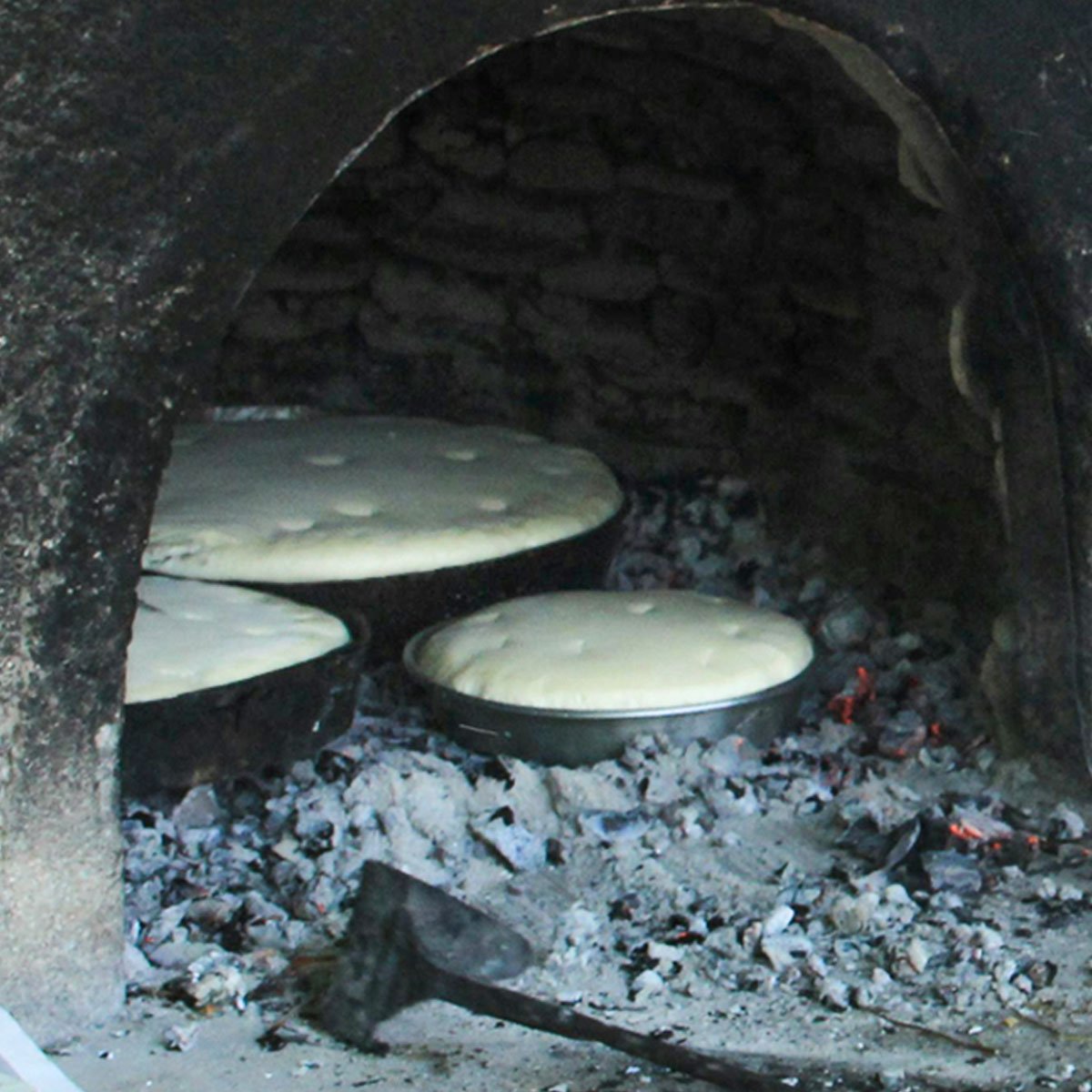
Horiatiko psomi bedeutet wörtlich “Dorfbrot” oder “Landbrot”. Es ist das rustikale Alltagsbrot, das Generationen von Griechen ernährt hat. Es ist ein knuspriges, herzhaftes Brot, das üblicherweise aus einer Mischung aus Weizenmehl und oft etwas Gersten- oder Hartweizengrießmehl hergestellt wird, was ihm eine hellgoldene Farbe und einen kräftigen Geschmack verleiht. Traditionelles Dorfbrot wird oft mit Sauerteig oder mit wenig Hefe und langer Gehzeit zubereitet. Der Teig beginnt möglicherweise mit … Prozymi (Starter), früher manchmal sogar ein Kichererbsenstarter, ergibt einen Laib mit ausgezeichnetem Geschmackstiefe. Nach dem Kneten wird der runde Laib üblicherweise in einem Holzofen gebacken, wodurch er eine dicke, knisternde Kruste erhält.
Die Textur von Horiatiko Psomi ist ideal zum Dippen in Olivenöl oder Saucen – es ist bissfest und sättigend mit einer lockeren Krume. Es ist das Brot, das in Tavernen in Dörfern serviert wird und in herzhaften Scheiben zu Salaten, Suppen und Hauptgerichten gereicht wird. Es ist außerdem gut haltbar; ältere Scheiben werden oft getrocknet, um Zwieback herzustellen, oder in Rezepten wie … verwendet. Panzanella oder der griechische Salat mit Zwieback (Dakos).
Dorfbrot (Horiatiko Psomi)
Dieses Brot ist ein Grundpfeiler der mediterranen Küche – einfach, rustikal und nahrhaft. Wenn Sie zu Hause ein knuspriges Landbrot backen möchten, schauen Sie sich das Rezept für Landbrot von My Greek Dish an. Es zeigt Ihnen Schritt für Schritt, wie Sie diese rustikale Textur erzielen, selbst wenn Sie keinen Holzofen besitzen. Das Ergebnis wird Sie gedanklich in eine griechische Landküche versetzen, wo der Duft von frisch gebackenem Brot in der Luft liegt.
Koulouri Thessalonikis (Sesambrotringe)
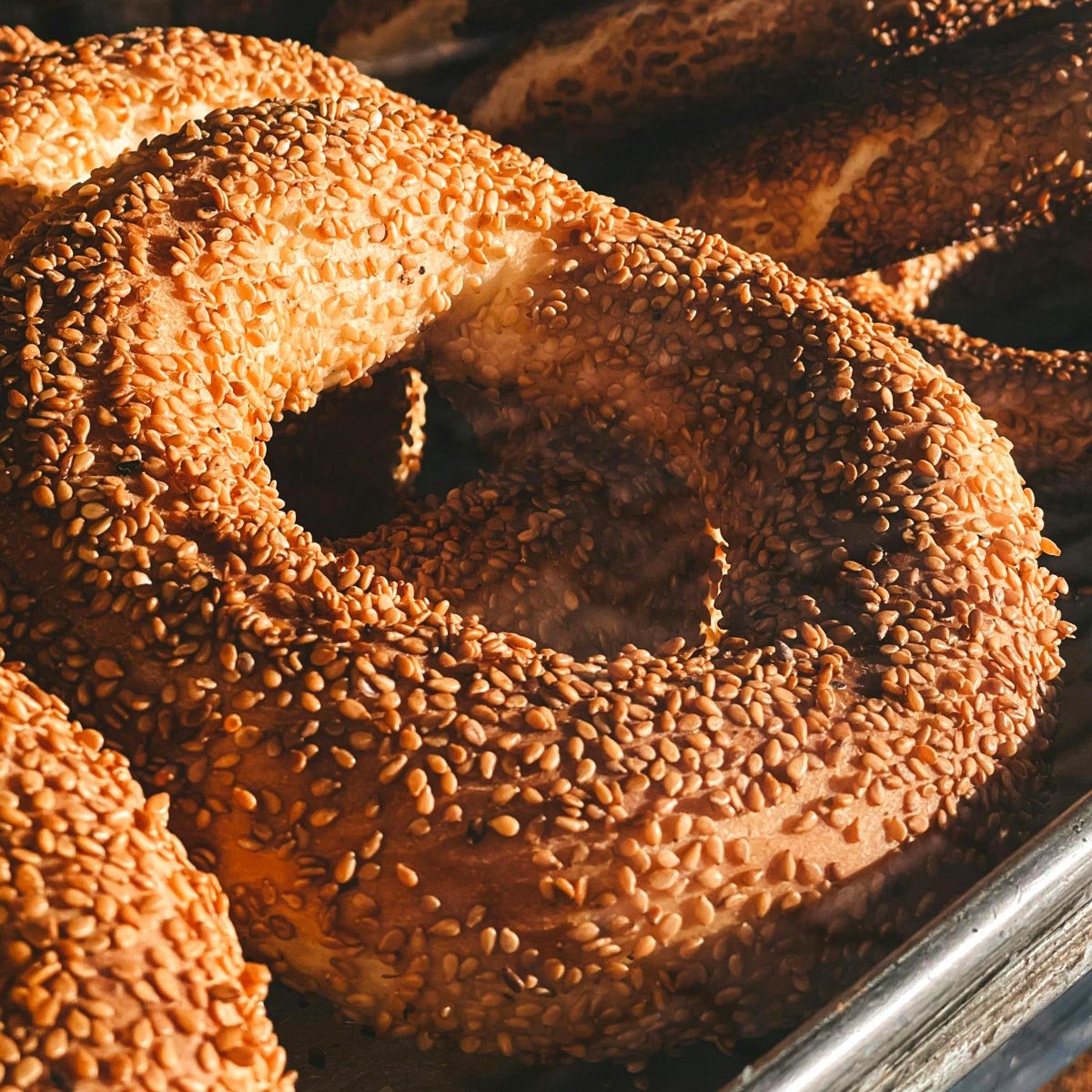
Wenn man morgens durch die Straßen Griechenlands schlendert, insbesondere in Thessaloniki oder Athen, trifft man wahrscheinlich auf Verkäufer, die Waren anbieten. Koulouri Goldbraune, mit Sesam bestreute Brotringe. Koulouri (Plural: Koulouria) ist ein beliebtes griechisches Frühstück für unterwegs: ein rundes Brot, das ein bisschen wie eine Mischung aus Bagel und Brezel aussieht (aber ohne Kochen oder Lauge). Dank einer großzügigen Sesamkruste ist es außen leicht knusprig und innen weich und saftig. Thessaloniki ist besonders berühmt für seine Koulouri, daher der Name “Koulouri Thessalonikis”. Diese Ringe sind nicht sehr dick – meist schmale Schlaufen mit einem Durchmesser von etwa 12–15 cm. Sie haben einen milden, leicht süßlichen und hefigen Geschmack und eignen sich daher perfekt zum Knabbern pur oder zum Kaffee.
Die Einfachheit von Koulouri macht einen Teil seines Charmes aus: Mehl, Wasser, Hefe, eine Prise Zucker und reichlich Sesamsamen. Und doch ist es, wenn es richtig zubereitet wird, unglaublich lecker. Griechen genießen Koulouri oft zum Frühstück oder als Zwischenmahlzeit am Vormittag, und man sieht häufig Menschen, die auf dem Weg zur Arbeit oder Schule ein Stück davon knabbern. Manche moderne Varianten enthalten Gewürze oder werden mit Käse überbacken, aber der Klassiker ist einfach nur Sesam.
Koulouri Thessalonikis
Um diese Leckereien zu Hause zu backen, verwenden Sie am besten ein Rezept, das die richtige Konsistenz garantiert – leicht fest, aber dennoch zart. Probieren Sie zum Beispiel das einfache Koulouri-Rezept von Olive Tomato. Dort wird gezeigt, wie man den Teig zu Ringen formt und die authentische Sesamkruste erzielt. Schon bald genießen Sie frisch gebackene Koulouria, die genauso gut schmecken wie die vom griechischen Straßenhändler!
Kritsinia (griechische Sesam-Brotstangen)
Kritsinia sind knusprige griechische Grissini, meist mit Sesamkörnern oder anderen Samen wie Sonnenblumen-, Leinsamen oder Anis bestreut. Sie sind in Bäckereien und Supermärkten in ganz Griechenland erhältlich und ein beliebter Snack für jede Tageszeit. Die Kritsinia sind etwa fingerdick und zwischen 10 und 25 cm lang. Ihre Konsistenz ist knusprig – ähnlich wie bei italienischen Grissini, aber oft etwas dicker und herzhafter. Manche Varianten werden mit Vollkornmehl zubereitet oder mit etwas Honig oder Olivenöl verfeinert. Da sie keine Milchprodukte oder verderbliche Zutaten enthalten, sind Kritsinia lange haltbar und eignen sich perfekt als Snack für unterwegs.
Griechische Sesam-Brotstangen (Kritsinia)
In Griechenland werden Ihnen Kritsini oft zum Kaffee angeboten oder Sie finden sie als Beilage zu Käseplatten oder Salaten. Kinder essen sie gern als gesunden Snack, und sie eignen sich auch hervorragend zum Dippen in Aufstriche (probieren Sie sie zum Beispiel mit Tzatziki oder Hummus). Das Wort “Kritsini” selbst stammt aus Griechenland. Kritinos Der Name bedeutet auf Griechisch “aus Gerste”, da einige traditionelle Varianten aus Gerste hergestellt wurden. Heute werden sie mit Weizenmehl oder Vollkornmehl zubereitet. Wenn Sie diese knusprigen Leckerbissen selbst backen möchten, probieren Sie doch mal das Rezept für griechische Sesam-Brotstangen (Kritsinia) aus dem Magazin „The Mediterranean Dish“. Es ist ein einfaches Rezept, das wunderbar knusprige Brotstangen ergibt. In weniger als einer Stunde haben Sie Ihre eigenen, mit Sesam bestreuten Stangen, die Sie in Ihren Lieblingsdip tunken oder pur als leichten, unbeschwerten Snack genießen können.
Stafidopsomo (Rosinenbrötchen)
Stafidopsomo bedeutet auf Griechisch “Rosinenbrot” und ist eine leckere und gesunde Köstlichkeit, die man gerne als Zwischenmahlzeit am Vormittag oder als leichtes Frühstück genießt. Typischerweise handelt es sich um kleine, einzeln gebackene Brötchen, die reichlich mit Rosinen (Stafides) gefüllt sind. Griechisches Rosinenbrot ist nur leicht süß – die Süße stammt hauptsächlich von den Rosinen selbst und eventuell von einem Hauch Honig im Teig. Viele Rezepte enthalten auch Zimt, der hervorragend mit der Süße der Rosinen harmoniert. Der Teig kann teilweise aus Vollkornmehl zubereitet werden, was Stafidopsomo zu einem relativ gesunden Gebäck macht. Tatsächlich findet man es häufig in den Pausenbroten griechischer Schulkinder oder es wird in Bäckereiketten als “gesunder Snack” angeboten.
Rosinenbrot (Stafidopsomo)
Stafidopsomo hat eine weiche, fluffige Konsistenz, ähnlich einem klassischen Brötchen, ist aber etwas süßer. Es wird oft in Knotenform oder als einfache runde Brötchen angeboten. Man kann es pur genießen oder mit etwas Butter oder Tahini bestreichen. Diese Rosinenbrote liefern dank des natürlichen Zuckers einen guten Energieschub, und die Ballaststoffe aus Vollkornmehl und Trockenfrüchten machen sie sehr sättigend. Wenn Sie diese Leckereien zu Hause nachbacken möchten (sie sind eine tolle Alternative zu Gebäck oder Muffins am Morgen), probieren Sie doch mal dieses Rezept für griechisches Rosinenbrot (Stafidopsomo) von My Greek Dish. Es erklärt Schritt für Schritt, wie man den leicht süßen Hefeteig zubereitet und zu Brötchen formt. In ein warmes, selbstgebackenes Stafidopsomo mit saftigen Rosinen zu beißen, ist einfach köstlich und vermittelt Ihnen einen authentischen Eindruck von griechischer Hausmannskost.
Tiropsomo (Feta-Käse-Brot)
Tiropsomo ist ein herzhaftes griechisches Käsebrot, das jeder Käseliebhaber lieben wird. Der Name bedeutet wörtlich übersetzt „Käsebrot“ (tiri Bedeutung Käse, psomi Tiropsomo (griechisch für Brot) ist im Grunde ein rustikales Brot, das mit Fetastückchen im Teig angereichert oder manchmal mit einer Fetamischung gefüllt wird. Beim Backen wird der salzige, cremige Feta weich und gibt seinen Geschmack an das Brot ab. So entstehen in jeder Scheibe kleine, geschmolzene Käsetaschen – quasi die griechische Variante einer mit Käse gefüllten Focaccia. Manche Tiropsomo-Rezepte verwenden griechischen Joghurt oder Olivenöl im Teig, um ihn zarter zu machen, und oft findet man auch eine Prise Oregano oder Rosmarin, die den Käsegeschmack abrundet.
Tiropsomo wird häufig als Vorspeise oder Beilage genossen – stellen Sie sich vor, Sie tunken ein Stück in eine herzhafte Suppe oder servieren es mit Oliven und Tomaten zu einem leichten Mittagessen. Am besten schmeckt es warm, wenn der Feta noch weich ist. In griechischen Bäckereien findet man auch einzelne Tiropsomo-Brötchen (ähnlich wie Käsebrötchen). Dieses Brot zeugt von der Vorliebe der Griechen für Feta, der hier direkt in ihre Backwaren einfließt.
Griechisches Feta-Käsebrot (Tiropsomo)
Wenn Sie Tiropsomo selbst backen möchten, schauen Sie sich Dimitras Rezept für griechisches Fetabrot (Tiropsomo) an. Es ergibt ein weiches, fluffiges Brot mit durchzogenem Feta, und sie gibt Tipps, wie der Käse gleichmäßig verteilt wird. Ein Bissen dieses herzhaften Brotes genügt, um zu verstehen, warum Feta und Brot einfach perfekt zusammenpassen.
Eliopsomo (Olivenbrot)
Eliopsomo – wörtlich “Olivenbrot” – ist ein traditionelles griechisches Brot, das zwei Grundnahrungsmittel der griechischen Küche vereint: Brot und Oliven. Dieser duftende Laib wird üblicherweise aus einem einfachen Dorfbrotteig hergestellt, der mit reichlich gehackten Oliven (oft Kalamata- oder schwarzen Oliven) und einem guten Schuss Olivenöl vermengt wird. Die Oliven verleihen der weichen Krume ein salziges Aroma, und das Olivenöl macht das Brot saftig und zart. Viele Varianten enthalten auch Kräuter wie Rosmarin, Thymian oder Oregano, die wunderbar mit den Oliven harmonieren. Der Duft beim Backen eines Eliopsomo ist einfach himmlisch – wie ein ganzer griechischer Olivenhain in der eigenen Küche!
Dieses Brot wird oft als rustikaler, runder Laib oder manchmal als focacciaähnliches Fladenbrot gebacken. Es schmeckt pur, einfach in Scheiben geschnitten, oder mit etwas Käse. Eliopsomo eignet sich auch hervorragend für Sandwiches (stellen Sie sich das mal mit frischen Tomaten und Feta vor – einfach köstlich!). Da die Oliven für die nötige Salzigkeit sorgen, benötigt der Teig selbst kaum zusätzliches Salz. Jeder Bissen bietet ein bissfestes Stück Brot mit einer leicht salzigen Olive – eine perfekte Balance.
Griechisches Olivenbrot (Eliopsomo)
Wenn Sie Oliven lieben, sollten Sie unbedingt Eliopsomo backen. Folgen Sie einfach Dimitras Rezept für griechisches Olivenbrot (Eliopsomo). Es ist unkompliziert und authentisch. Mit ihrem Rezept gelingt Ihnen ein Brot mit knuspriger Kruste, weichem Inneren und vollem Olivengeschmack.
Paximadi (Gerstenzwieback)
Paximadia sind traditionelle griechische, zweimal gebackene Brote oder Zwiebacke – man kann sie sich als sehr harte, trockene Brotscheiben vorstellen, die lange haltbar sind. Aufgrund ihrer ausgezeichneten Haltbarkeit waren sie früher ein Grundnahrungsmittel für griechische Bauern und Seeleute. Eine der bekanntesten Sorten ist der kretische Gerstenzwieback (genannt Paximadia). dakos wenn er mit Tomaten und Feta belegt wird, wie im bekannten kretischen Salat). Diese Zwiebacke werden oft aus Gerste oder einer Mischung aus Gersten- und Weizenmehl hergestellt, was ihnen eine dichte Textur, einen hohen Ballaststoffgehalt und einen unverwechselbaren nussigen Geschmack verleiht. Der Teig wird zuerst zu einem Laib gebacken, dann geschnitten und erneut bei niedriger Temperatur gebacken, um vollständig auszutrocknen.
Paximadia sind zwar im rohen Zustand extrem hart, werden aber durch Befeuchten herrlich weich – oft werden sie vor dem Verzehr kurz in Wasser oder Wein getaucht oder mit saftigen, gehackten Tomaten und Olivenöl beträufelt, wodurch sie ausreichend Feuchtigkeit aufnehmen. Das Ergebnis ist eine angenehm zähe, nahrhafte Grundlage für verschiedene Beläge. Es gibt sie auch in süßer Variante (wie zum Beispiel Zimt-Orangen-Zwieback), am häufigsten sind jedoch die einfachen Gerstenflocken.
Authentischer griechischer Gerstenzwieback (Paximadi)
In der griechischen Küche werden Paximadi anstelle von frischem Brot in Salaten oder Suppen verwendet. Man genießt sie auch gerne zum Kaffee (wie Biscotti). Wer authentische Paximadi selbst zubereiten möchte, findet das Rezept für authentische griechische Gerstenzwiebacke (Paximadi) auf Olive Tomato. Dort wird Schritt für Schritt erklärt, wie man den Teig formt und zweimal backt, um einen steinharten Zwieback voller Vollkorn-Nährstoffe zu erhalten. Sobald man eine Portion gebacken hat, kann man seine eigenen Dakos zubereiten: Die Zwiebacke einweichen, mit frischen Tomaten, zerbröseltem Feta, Olivenöl und Oregano belegen – eine einfache griechische Köstlichkeit!
Tiganopsomo (gebratenes Brot mit Feta)
Tiganopsomo ist ein köstliches griechisches Fladenbrot, das in der Pfanne goldbraun gebraten wird., Tiganopsomo Es bedeutet wörtlich “Pfannenbrot” und wird auch genau so zubereitet: Ein einfacher Brotteig, oft mit etwas Joghurt verfeinert, wird ausgerollt und typischerweise mit zerbröckeltem Feta gefüllt oder bestreut. Anschließend wird er gefaltet und in Olivenöl knusprig und aufgegangen gebraten. Das Ergebnis ist ein herzhaftes, blättriges Brot mit warmem, geschmolzenem Feta im Inneren. Es ist wie eine schnellere, in der Pfanne zubereitete Version eines Käsekuchens. Diese Spezialität stammt aus Nordgriechenland, aber es gibt im ganzen Land verschiedene Varianten (manchmal wird der Teig einfach ohne Füllung gebraten und der Käse erst später darüber gestreut).
Tiganopsomo mit Feta
Tiganopsomo wird üblicherweise als Vorspeise oder Mezze in Spalten geschnitten serviert. Stellen Sie sich eine Mischung aus gefülltem Pita und gegrilltem Käse vor – aber mit dem einzigartigen Geschmack von Feta und dem unwiderstehlichen Knuspern von frittiertem Teig. Am besten schmeckt es frisch, wenn es noch heiß und knusprig ist. Weil es so lecker ist, wird es oft zu Hause zubereitet, um Teigreste zu verwerten oder einfach den Heißhunger auf etwas Herzhaftes zu stillen. Wenn Sie sich etwas Besonderes gönnen möchten, probieren Sie doch mal Tiganopsomo mit Feta nach Mia Kouppas Rezept. Es ist überraschend einfach: einen schnellen Teig zubereiten, Feta unterheben und frittieren. In wenigen Minuten haben Sie einen Teller mit unwiderstehlichem Tiganopsomo – aber Vorsicht, es ist im Nu weg!
Spanakopita-Brot-Twist (Spinat-Feta-Twist)
Diese moderne Kreation vereint zwei griechische Klassiker: Spanakopita (den klassischen Spinat-Feta-Kuchen) und Brot! Der Spanakopita-Teig ist ein wunderschöner Laib oder Ring, gefüllt mit einer herzhaften Spinat-Kräuter-Feta-Mischung, ähnlich der Füllung von Spanakopita. Eine beliebte Variante, die durch Food-Blogger bekannt wurde, ist ein gedrehtes, geflochtenes Brot, bei dem Teigschichten die grüne Füllung umschließen und nach dem Backen die Spinatwirbel freilegen. Im Grunde ist es ein gefülltes Brot, das jedoch optisch beeindruckend präsentiert wird – oft als gedrehter Kranz oder als Zupfbrot, das sich perfekt zum Teilen eignet. Der Brotteig besteht in der Regel aus Hefe, angereichert mit Olivenöl, was ihm eine weiche Textur und einen feinen Geschmack verleiht, der die Füllung perfekt ergänzt.
Spanakopita-Brot-Twist
Diese Fusion aus traditionellem Kuchen und Brot ist der Hit auf Partys und Familienfeiern. Sie ist herzhaft und sättigend und vereint alle Aromen von Spanakopita – viel Spinat, Dill oder Petersilie, Frühlingszwiebeln und würzigen Feta – mit fluffigem Brot statt Filoteig. Der Brotkuchen lässt sich zudem leichter transportieren und servieren als einzelne Spanakopita-Dreiecke und ist daher ideal für Buffets. Um diesen beeindruckenden Kuchen zu backen, folgen Sie einfach dem Rezept für Spanakopita-Brotkuchen von Half Baked Harvest. Es enthält klare Anweisungen zum Zusammensetzen und Drehen des Kuchens. Das Ergebnis ist nicht nur köstlich (wer kann schon Käse und Spinat im Brot widerstehen?), sondern auch ein echter Hingucker auf Ihrem Tisch – ein wunderbares Beispiel für eine moderne Interpretation griechischer Aromen.
Glutenfreies Pita-Brot (moderne Anpassung)
Traditionelles griechisches Pitabrot wird aus Weizenmehl hergestellt. Moderne Küchen haben jedoch glutenfreie Pitabrot-Rezepte für Menschen mit Glutenunverträglichkeit und -vermeidung entwickelt, sodass jeder dieses Grundnahrungsmittel genießen kann. Ein glutenfreies Pitabrot soll die weiche, flexible Textur des Originals nachbilden und verwendet häufig eine Mehlmischung aus Reismehl, Tapioka- oder Kartoffelstärke und gegebenenfalls Sorghum- oder Maismehl. Xanthangummi oder Flohsamenschalen werden üblicherweise hinzugefügt, um die Elastizität des Glutens nachzuahmen und dem Teig zu helfen, Luft zu speichern und aufzugehen. Glutenfreie Pitas haben zwar nicht immer eine große Tasche, lassen sich aber dennoch rollen oder falten und eignen sich wunderbar für Wraps oder zum Servieren mit Dips.
Die Zubereitung von glutenfreiem Pita ist ähnlich: Man knetet einen Teig (er ist meist etwas klebriger und weicher als Weizenteig), lässt ihn gehen, teilt ihn dann und backt ihn in einer heißen Pfanne oder auf einem Pizzastein. Das Ergebnis sind frisch aufgegangene Fladenbrote, die für Menschen mit Zöliakie oder Glutenunverträglichkeit geeignet sind und trotzdem köstlich schmecken. Viele sind positiv überrascht, wie gut diese Alternativen gelingen – weich und sogar leicht zäh, perfekt für Gyros- oder Souvlaki-Füllungen.
Glutenfreies griechisches Pita
Wenn Sie ein zuverlässiges Rezept suchen, probieren Sie doch mal das glutenfreie griechische Pita-Brot-Rezept von The Loopy Whisk. Es wurde gründlich getestet, damit die Pitas schön aufgehen und schön weich bleiben. So können Sie auch mit einer glutenfreien Ernährung ganz einfach selbstgebackenes Pita-Brot zu Ihren griechischen Lieblingsgerichten genießen!
Loukoumades (Honigsirup-Teigbällchen)
Wir schließen mit einer süßen Leckerei ab: Loukoumades, oft auch als griechische Honigkrapfen bezeichnet. Obwohl sie im herkömmlichen Sinne kein Brot sind, gehören diese frittierten Teigbällchen zu den beliebtesten griechischen Süßwaren und wurden in unserer Zusammenstellung gewünscht. Loukoumades sind kleine Hefeteigbällchen, die goldbraun und knusprig frittiert und anschließend sofort in warmen Honigsirup getaucht oder beträufelt werden. Sie werden typischerweise auf einer Platte angerichtet, klebrig vom Honig und oft mit Zimt und gehackten Walnüssen oder Sesamsamen bestreut. Der Kontrast der Texturen ist himmlisch – außen leicht knusprig, innen weich und luftig. Manche sagen, Loukoumades stammen aus dem antiken Griechenland (möglicherweise wurden sie als Preis an Olympiasieger vergeben) und gehören damit zu den ältesten überlieferten Gebäcksorten.
In Griechenland können Sie Loukoumades heute auf Festivals, in Konditoreien oder Zacharoplastie (Süßwarenläden). Am besten schmecken sie frisch und heiß, wenn sie förmlich auf der Zunge zergehen. Moderne Varianten bieten Toppings wie Schokoladensoße oder Eiscreme, aber der Klassiker mit Honig und Zimt ist unübertroffen. Loukoumades selbst zu machen ist ganz einfach: Man bereitet einen lockeren Teig zu, lässt ihn gehen und gibt dann löffelweise oder abgezupfte Stücke in heißes Öl. Sobald sie aufgegangen und goldbraun sind, werden sie in Sirup getaucht und glänzen.
Loukoumades (Honigteigbällchen)
Wenn Sie Lust auf diese unwiderstehlichen Leckereien haben, folgen Sie dem traditionellen Loukoumades-Rezept von My Greek Dish. Es enthält Tipps für die perfekte Konsistenz und die Anleitung für den Honigsirup. Aber Vorsicht: Selbstgemachte Loukoumades sind so lecker, dass sie schneller verschwinden, als Sie denken – jeder wird nach “nur noch einem” dieser köstlichen Honigklößchen greifen!
Von knusprigen Dorfbroten bis hin zu süßen Festtagsbroten bietet griechisches Gebäck für jeden Geschmack etwas. Diese Sammlung zeigt, wie Brot in Griechenland sowohl tägliche Nahrung als auch festlicher Anlass sein kann. Ob Sie ein Familienrezept wie Tsoureki für die Feiertage backen oder ein trendiges Spanakopita-Brot ausprobieren – Sie werden Teil eines köstlichen Erbes. Mit den oben verlinkten Rezepten holen Sie sich ein Stück Griechenland in Ihre eigene Küche. Guten Appetit und viel Spaß beim Backen!
So bauen Sie eine griechische Brotplatte
- Base: ein rustikaler Laib Horiatiko-Psomi oder ein Haufen warmes Pita.
- Akzente: Oliven, Tomatenspalten, Gurke, Feta, Kapern, Oregano.
- Aufstriche: Tzatziki, Melitzanosalata, Taramasalata, Hummus.
- Süße Ecke: Tsoureki-Scheiben mit Honig und Butter; eine Schale Walnüsse.
Häufig gestellte Fragen zu griechischem Brot
Welches ist das beliebteste griechische Brot?
Pita-Brot ist dank Gyros und Souvlaki das bekannteste griechische Brot weltweit. In Griechenland zu Hause, horiatiko psomi (Dorfbrot) ist das alltägliche Tischbrot.

Welches griechische Brot eignet sich am besten zum Dippen?
Warm Pita-Brot und rustikal horiatiko eignen sich ideal für Olivenöl, Dips und Soßeneintöpfe. Paximadi ist perfekt, wenn es angefeuchtet und gekrönt ist für dakos.
Wie heißt griechisches süßes Brot?
Tsoureki ist das klassische süße geflochtene griechische Brot, duftend nach Mahlep und Orange. Suchen Sie während der Weihnachtszeit nach christopsomo, und zu Neujahr Vasilopita.
Kann ich griechisches Brot ohne Küchenmaschine backen?
Ja. Die meisten Rezepte hier lassen sich mit der Hand kneten. Für angereicherte Teige wie Tsoureki sollten Sie kurze Knetzyklen mit Pausen einlegen, um Gluten zu entwickeln.
Welches Mehl eignet sich am besten für griechisches Brot?
Für die meisten Brote und Fladenbrote eignet sich Allzweckmehl. Für horiatiko Grieß für Farbe und Biss hinzufügen. Für paximadi Fügen Sie für Authentizität Gerstenmehl hinzu.
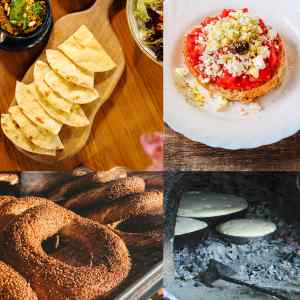
18 traditionelle griechische Brotrezepte

Utensilien
Zutaten
- Authentisches griechisches Pitabrot-Rezept
- Traditionelles Lagana-Fladenbrot
- Ladenia mit alten Tomaten
- Traditionelles griechisches Tsoureki
- Griechisches Christopsomo-Brot
- Vasilopita griechisches Neujahrsbrot
- Lazarakia (griechische Oster-Lazarus-Brötchen)
- Dorfbrot (Horiatiko Psomi)
- Koulouri Thessalonikis
- Griechische Sesam-Brotstangen (Kritsinia)
- Rosinenbrot (Stafidopsomo)
- Griechisches Feta-Käsebrot (Tiropsomo)
- Griechisches Olivenbrot (Eliopsomo)
- Authentischer griechischer Gerstenzwieback (Paximadi)
- Tiganopsomo mit Feta
- Spanakopita-Brot-Twist
- Glutenfreies griechisches Pita
- Loukoumades (Honigteigbällchen)
Zubereitung
- Wählen Sie Ihre Lieblingsrezepte für griechisches Brot!
- Besorgen Sie sich alle benötigten Zutaten für Ihr ausgewähltes griechisches Brot.
- Bereiten Sie Ihr griechisches Brotrezept zu, servieren Sie es und genießen Sie es.