Índice
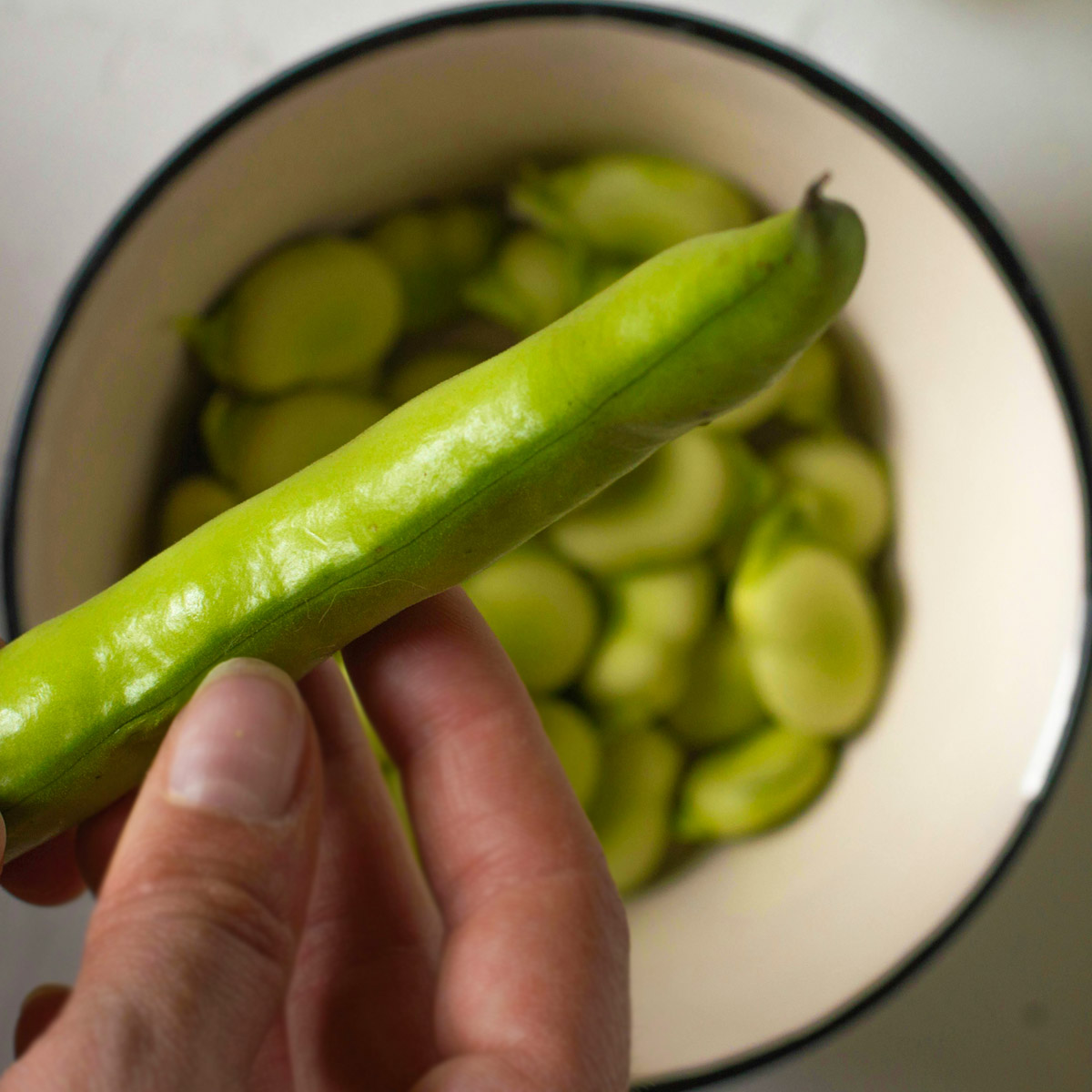
Las habas, también conocidas como habas de jardín, son legumbres grandes y planas que se han cultivado durante miles de años. Envueltas en vainas verdes gruesas y peludas, contienen semillas de color verde pálido que pueden consumirse frescas cuando son jóvenes o secas para su posterior consumo.
Las habas explicadas
Si alguna vez has visto los mercados mediterráneos de principios de primavera, con gente abriendo vainas y comiendo habas crudas con queso, has presenciado una tradición ancestral. En la gastronomía, se aprecian por su sabor intenso y ligeramente a nuez, y su textura tierna y mantecosa al cocinarlas. Son un ingrediente común en platos de Oriente Medio, el norte de África, Europa y Latinoamérica.
Más allá de su sabor, las habas tienen un significado cultural e histórico, e incluso algunas supersticiones curiosas, lo que las convierte en algo más que una simple legumbre en el plato.


La antigua historia de las habas
Las habas se encuentran entre las plantas cultivadas más antiguas de la historia. Hallazgos arqueológicos rastrean su domesticación en Oriente Próximo hasta hace unos 10.200 años, hallados en yacimientos neolíticos de Israel.
Eran alimentos básicos en el antiguo Egipto, Grecia y Roma, ofreciendo una fuente asequible de proteínas mucho antes de que los frijoles del Nuevo Mundo llegaran a Europa. Hasta el siglo XVI, «frijol» solía significar «haba» en muchos contextos europeos.
Culturalmente, están impregnadas de tradición. El filósofo griego Pitágoras y sus seguidores las evitaban, creyendo, según se dice, que albergaban las almas de los muertos o simbolizaban el inframundo. Esta evitación también podría estar relacionada con el favismo, una reacción genética a las habas.
Sin embargo, las habas siguieron siendo un alimento básico en el Viejo Mundo. En Sicilia, se bendicen el día de San José y se distribuyen tradicionalmente para evitar la hambruna. Desde el ful medames egipcio hasta los rituales italianos del Primero de Mayo con habas y pecorino, su importancia culinaria perdura. En la cocina china, también se utilizan en pastas y salsas fermentadas.
Preparación de habas 101
Las habas frescas aparecen en primavera en grandes vainas verdes. Cada vaina contiene varias habas con una piel gruesa y ligeramente cerosa. Cuando son muy jóvenes, se pueden comer enteras si se cocinan. Con mayor frecuencia, es necesario desgranarlas.
Las habas jóvenes se pueden comer crudas con la piel intacta; tienen un sabor sutilmente dulce y herbáceo. A medida que maduran, la piel exterior se engrosa y suele retirarse tras escaldarlas en agua hirviendo y sumergirlas en agua helada. Este método de dos pasos permite obtener las habas interiores de un verde intenso, un verdadero tesoro culinario.
Las habas frescas desgranadas funcionan muy bien en ensaladas, untables brillantes con ajo y menta, salteados con cebolletaso cocinados con arroz y hierbas. Maridan especialmente bien con quesos como el pecorino o el feta, y embutidos.
En Líbano y Egipto, las habas tiernas se consumen crudas con sal o labneh. Las habas secas, ya sean de color tostado o marrón, requieren remojo y cocción, al igual que los garbanzos o las lentejas. Son un ingrediente clave en platos como el ful medames egipcio, los aperitivos tostados latinoamericanos o el doubanjiang fermentado chino.
Su sabor es ligeramente a nuez, mantecoso y terroso, más complejo que el de los guisantes verdes, con una textura firme pero cremosa una vez cocidos por completo.

Cómo las diferentes culturas disfrutan de las habas
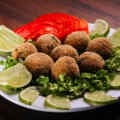
En Oriente Medio y el norte de África, las habas se utilizan en faláfel; El ta'ameya egipcio (falafel hecho con habas) es anterior a las versiones hechas con garbanzos.
En Europa, los italianos disfrutan de las habas de primavera con aceite de oliva y pecorino. Aparecen en sopas toscanas, guisos portugueses y españoles con cerdo o chorizo, y platos catalanes como las faves a la catalana, que llevan judías con butifarra negra, tocino y menta.
En China, las habas fritas y sazonadas con mala se consumen como aperitivo callejero. En Perú se las conoce como habas y se utilizan en platos como el saltado de habas. Su versatilidad abarca desde sencillos guisos campesinos hasta la alta cocina de temporada con estrellas Michelin.
Entre las referencias a la cultura popular se incluye la escalofriante frase de Hannibal Lecter sobre "un buen Chianti con habas" en *El silencio de los corderos*. En agricultura, se valoran tanto como alimento como cultivo de cobertura, ya que fijan nitrógeno en el suelo, una práctica que se remonta a siglos atrás.
Qué saber antes de comer habas
Las habas son ricas en proteínas, fibra, ácido fólico, vitamina K, hierro y magnesio, lo que las convierte en un alimento muy apreciado en las dietas vegetarianas. Además, aportan antioxidantes y favorecen la salud cardiovascular.
Sin embargo, representan un grave riesgo para las personas con deficiencia de G6PD, una afección genética común en las poblaciones mediterráneas, africanas y del sudeste asiático. Para estas personas, consumir habas o incluso inhalar polen puede desencadenar favismo, una forma grave de anemia hemolítica.
Los síntomas desencadenantes incluyen fatiga, ictericia, orina oscura y, en casos extremos, daño renal. El favismo se observó mucho antes de que se comprendiera su relación con la G6PD; ahora sabemos que los frijoles contienen vicina y convicina, que causan daño a los glóbulos rojos en personas susceptibles.
Para la mayoría de las personas, las habas son seguras y nutritivas. No contienen gluten y son excelentes en platos vegetarianos o veganos como el haba. humus, vegetariano hamburguesas, o como sustitutos de la carne en guisos.
Datos sorprendentes sobre las habas
Según la leyenda, Pitágoras murió tras negarse a cruzar un campo de habas, respetando así su propio tabú. En Italia, las galletas de "habas de los muertos" (fave dei morti) se preparan el Día de los Difuntos, en recuerdo de antiguas supersticiones que vinculan las habas con las almas de los difuntos.
Los agricultores llevan mucho tiempo cultivando habas como abono verde, incorporándolas a la tierra bajo las plantas para enriquecerla. Sus flores son fragantes y atraen a las abejas.
Preparar habas frescas, desgranándolas dos veces, puede ser terapéutico, y las vainas sobrantes ayudan a hacer compost. Lingüísticamente, "haba" es redundante (fava significa judía en latín), y en inglés se las llama "broad beans" por su forma ancha y plana.
Sin importar su nombre, estas legumbres ancestrales nos conectan con nuestro pasado culinario común. Siguen deleitándonos con preparaciones sencillas —solo aceite de oliva, ajo y hierbas— y continúan siendo un clásico de la primavera.