





Table of Contents
- Why You'll Love These Homemade Hash Browns
- Why Drying the Mixture and Using the Right Heat Matter
- Easy Ways to Shape and Serve Them
- Make Smaller Patties for Crispier Edges
- Make Larger Patties for a Heartier Portion
- Troubleshooting Texture and Browning
- If They Are Not Crisping Properly
- If They Brown Unevenly
- If They Break When Flipping
- What to Serve Alongside
- Frequently Asked Questions
- Can I make homemade hash browns ahead of time?
- What are the best potatoes for hash browns?
- Why are my hash browns soggy?
- How do I keep hash browns from falling apart?
- How should I store and reheat leftover hash browns?
- Can I freeze homemade hash browns?
- Jump to Recipe
Why You'll Love These Homemade Hash Browns
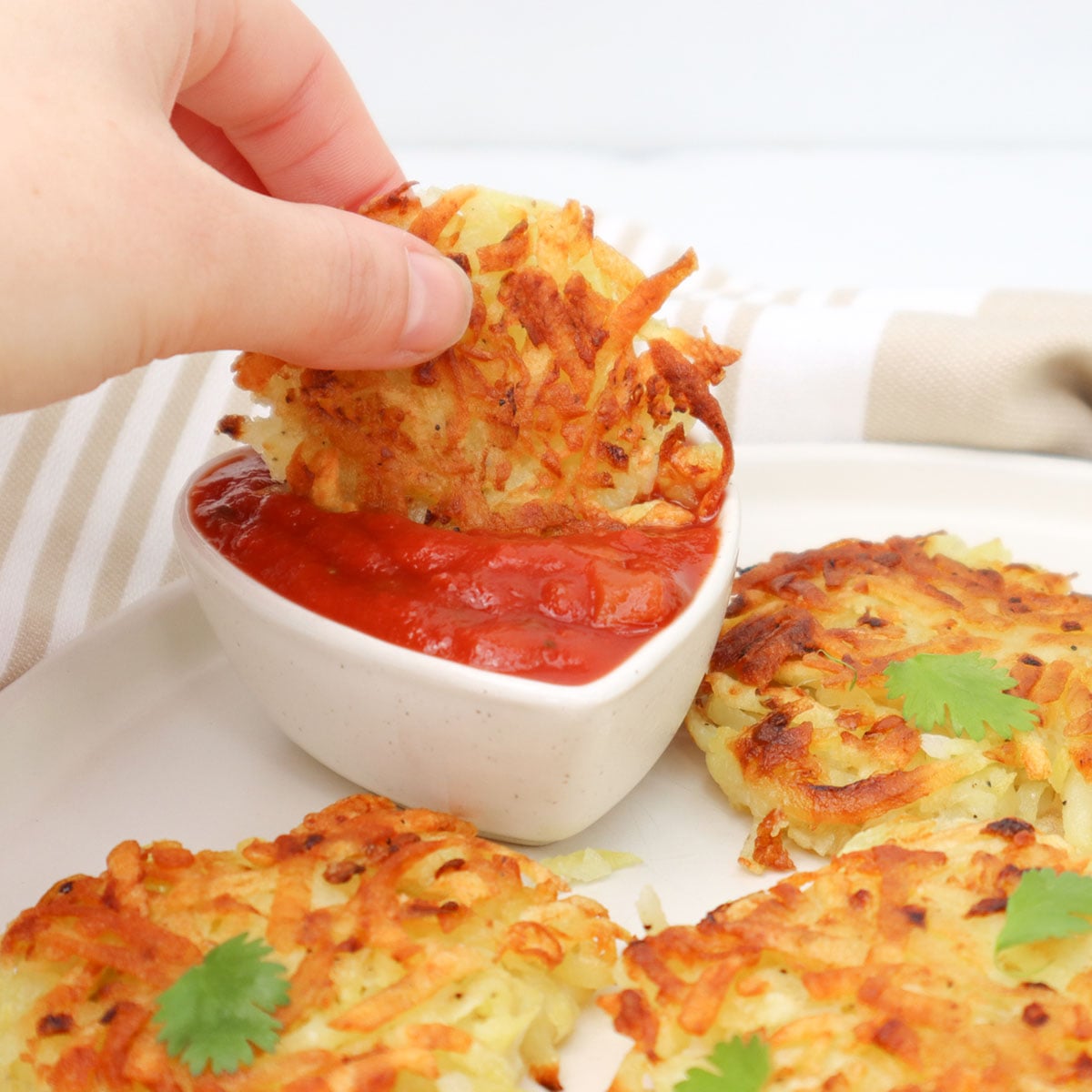
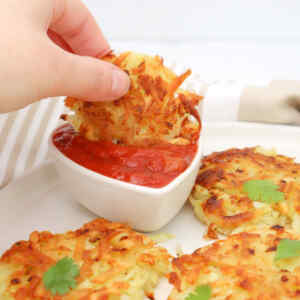
A plate of freshly cooked hash browns brings instant comfort to the breakfast table. These homemade potato patties have crisp, deeply golden edges, tender centers, and plenty of savory flavor from the grated onion. They are made with simple ingredients, but the contrast between the crunchy exterior and soft middle makes them especially satisfying.
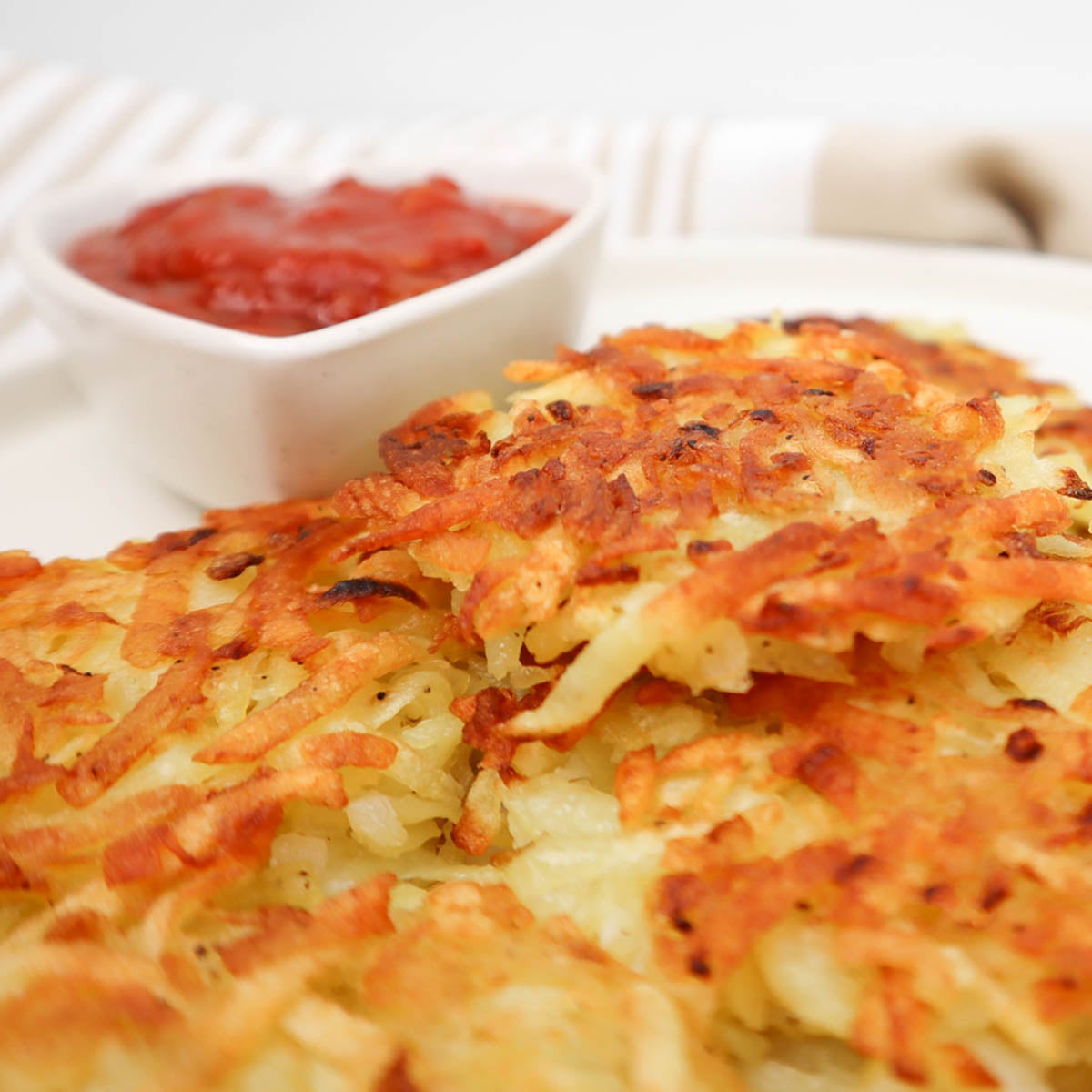
The most important step is squeezing as much liquid as possible from the grated potatoes and onion. Removing that excess moisture helps the hash browns brown properly instead of steaming in the skillet. Once the mixture is shaped into patties, cook them in batches and leave them undisturbed until the bottoms are crisp enough to flip easily.
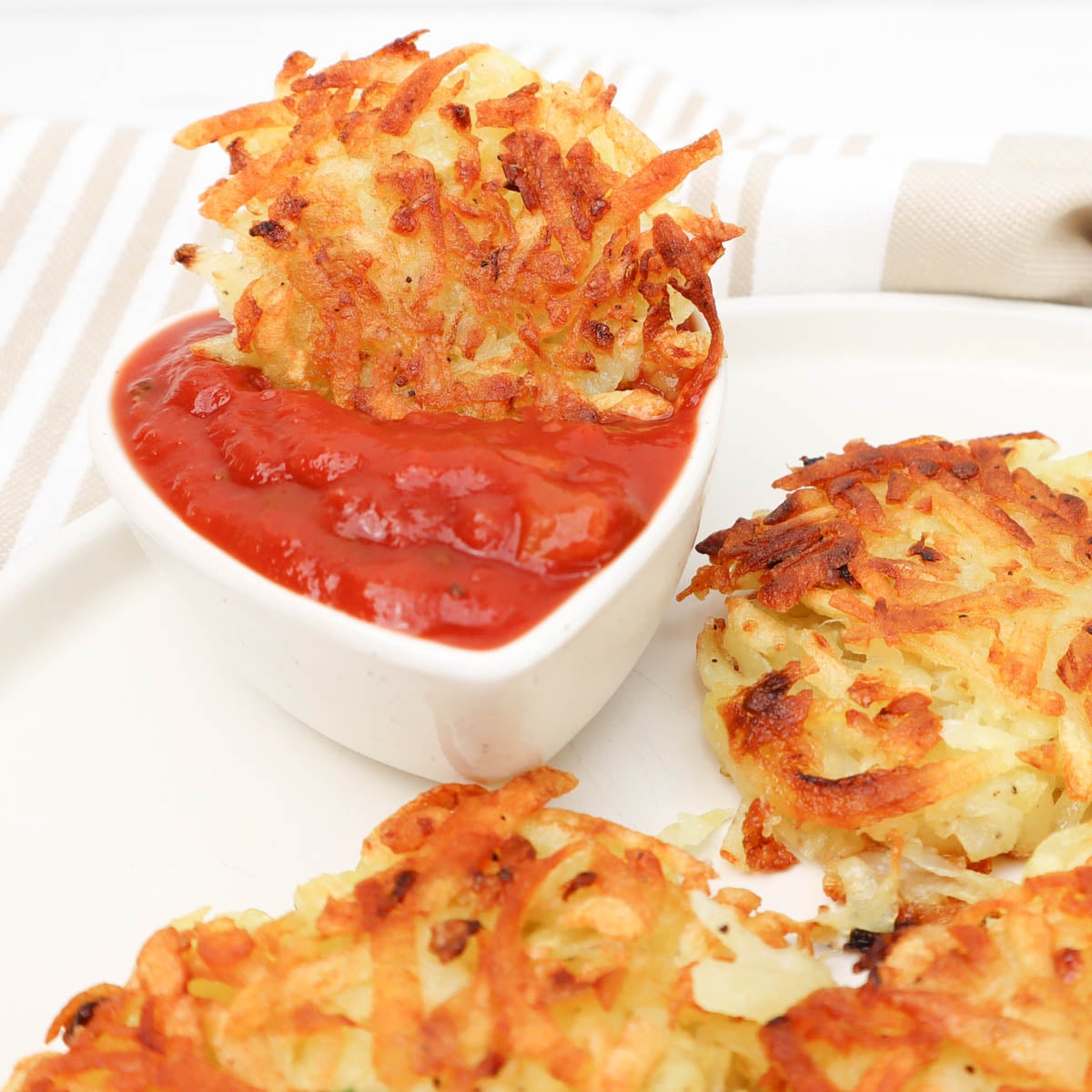
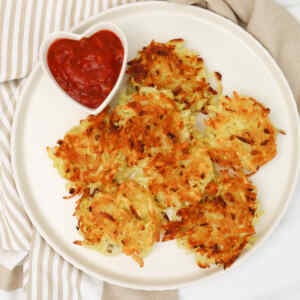
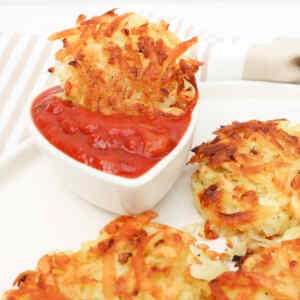
I like to serve these hash browns straight from the skillet while they are still hot. They make a hearty breakfast side without requiring complicated ingredients or preparation, and they pair naturally with eggs, bacon, breakfast sausage, or your favorite dipping sauce.
Why Drying the Mixture and Using the Right Heat Matter
The biggest factor in getting a crisp finish is removing as much liquid as possible from the grated potato and onion. Once they are wrapped in a clean kitchen towel or cheesecloth and squeezed well, the mixture becomes much better suited to frying. Too much moisture can stop the surface from browning properly, while a drier mixture gives you a better chance of a golden, crisp outside.
The second important point is the pan heat. A heavy-based frying pan over medium-high heat helps the patties color properly without falling apart. You want the oil hot before adding the mixture, so the outside starts cooking straight away. Once spooned into the pan, flattening each portion to about ⅜ inch (1 cm) thick helps them cook evenly and makes flipping them easier with a spatula.
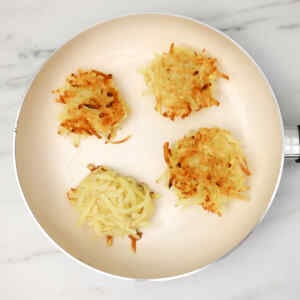
The visual cues are very useful here. The underside should look golden brown and crisp before you turn them. If you try to flip too early, they are more likely to break. It also helps not to overcrowd the pan. Cooking in batches gives each one more space, and that makes the browning more even. If needed, you can keep the cooked ones warm in a low oven while you finish the rest.
Easy Ways to Shape and Serve Them
Make Smaller Patties for Crispier Edges
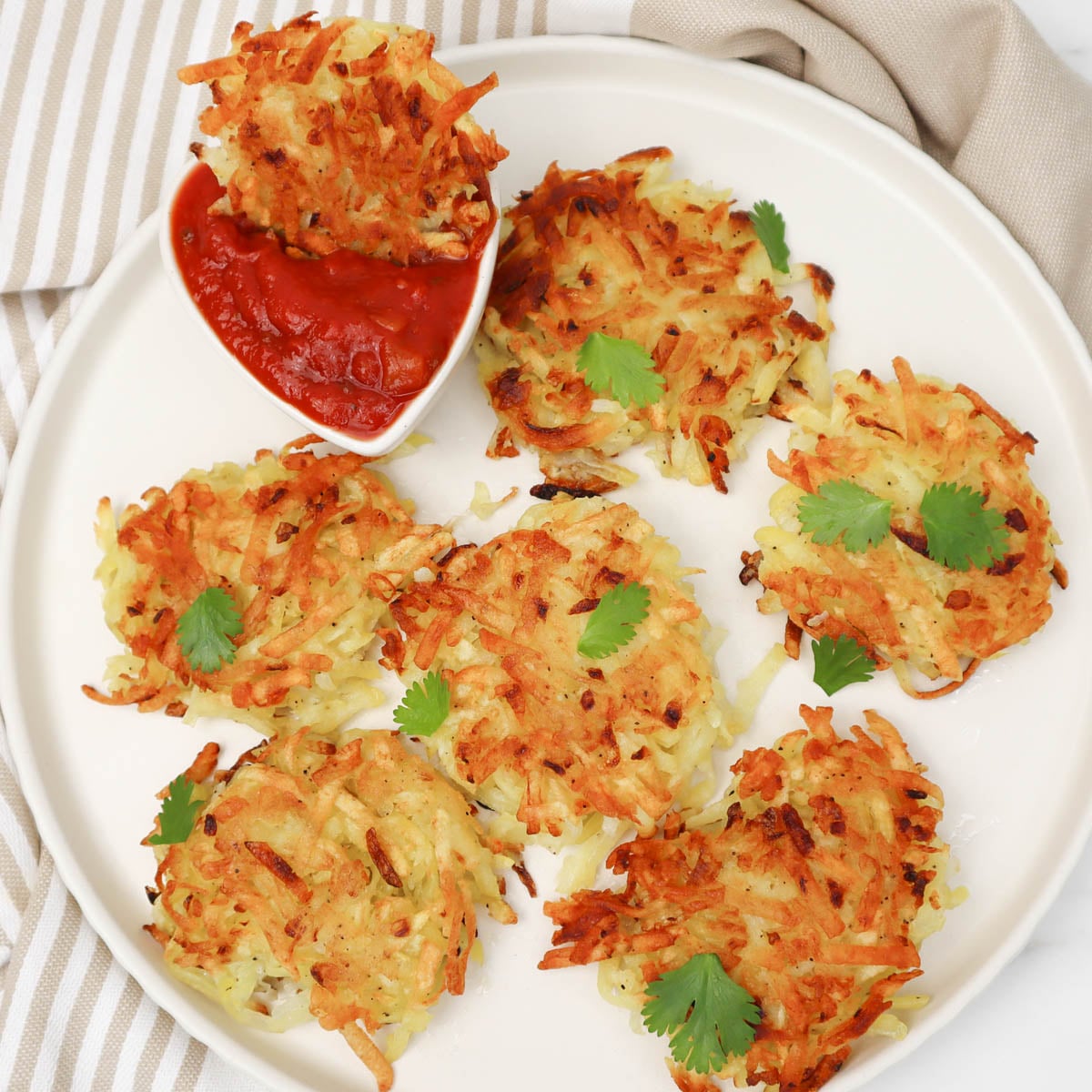
If you want more crispness in each bite, shape the mixture into smaller patties. This gives you a little more browned surface on each one while keeping the same flavor and texture.
Make Larger Patties for a Heartier Portion
For a more substantial breakfast side, make slightly larger rounds. They still cook the same way, but they feel a little fuller on the plate.
Troubleshooting Texture and Browning
If They Are Not Crisping Properly
The mixture may still be too wet. Squeeze out as much liquid as possible before adding the egg, salt, and pepper. This step is key to the final texture.
If They Brown Unevenly
Do not overcrowd the frying pan. Give each patty enough space so the heat can work evenly around the edges.
If They Break When Flipping
Wait until the underside looks golden brown and crisp before turning. A spatula also helps support the shape more cleanly.
What to Serve Alongside
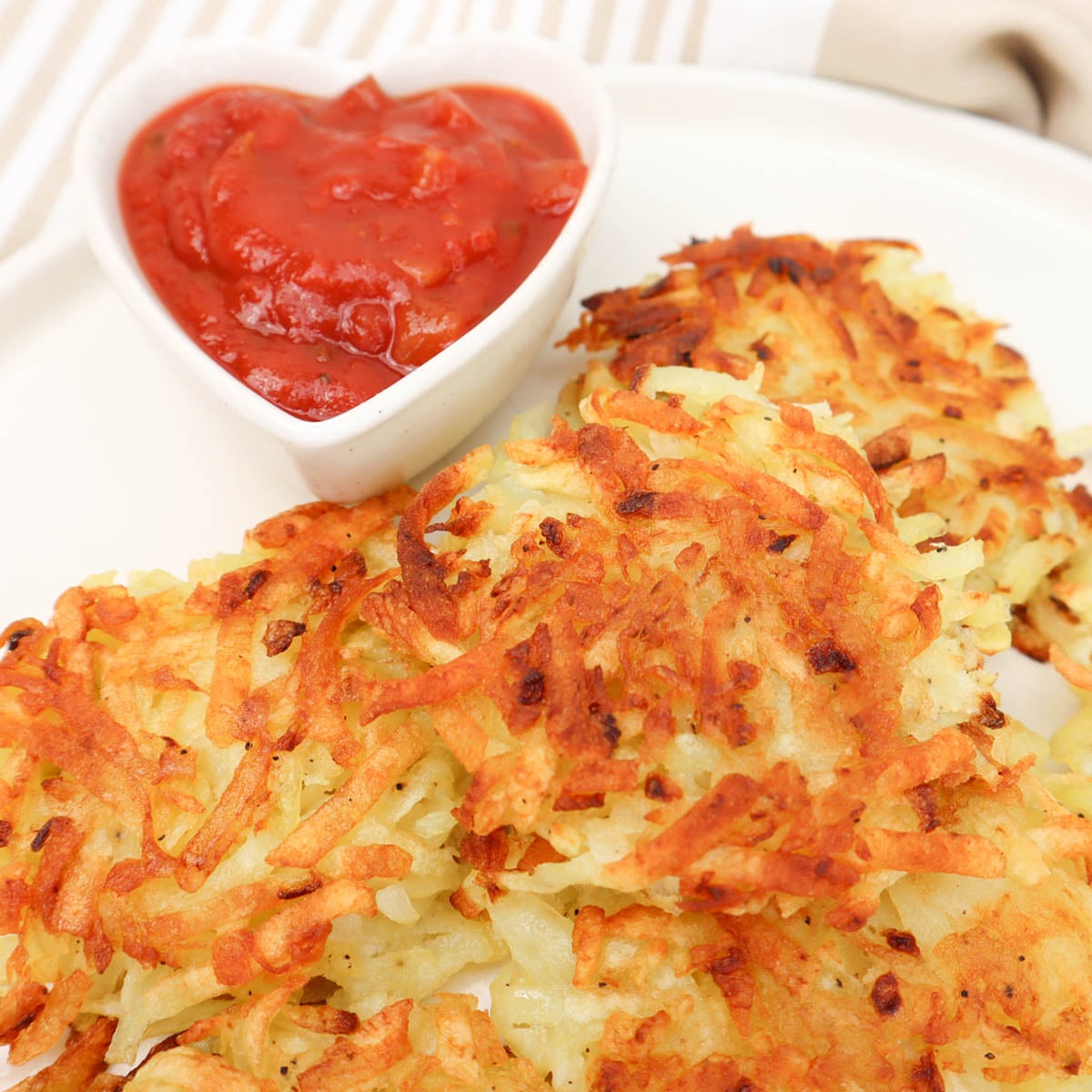
These are especially good with poached eggs, crispy bacon, or as part of a full breakfast. I like serving them straight from the pan while they are still hot and crisp, with the rest of breakfast already on the table. Their savory flavor and crisp texture make them a very easy addition to a plate that needs something warm and satisfying.
Hash Browns

Equipment
- Box grater or food processor
- Kitchen towel or cheesecloth (Clean)
- Frying pan (heavy-based)
Ingredients
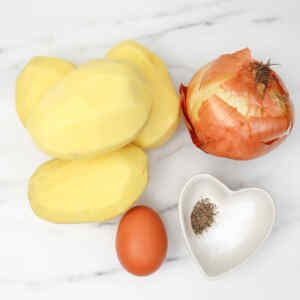
- 4 medium Maris Piper potatoes any floury potatoes will do
- 1 medium yellow onion
- 1 egg
- pinch Salt
- pinch ground black pepper
- 1 tablespoon vegetable oil
Instructions
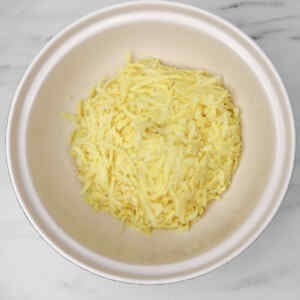
- Peel the potatoes and onion, then coarsely grate them into a mixing bowl.4 medium Maris Piper potatoes, 1 medium yellow onion

- Transfer the grated mixture into a clean kitchen towel or cheesecloth. Twist tightly and squeeze out as much excess liquid as possible; this step is key for crispy hash browns. Place the drained mixture back into a large bowl.
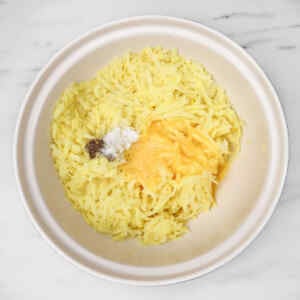
- In a small bowl, whisk the egg, then add it to the potato mixture along with salt and black pepper. Mix everything together until well combined.1 egg, pinch Salt, pinch ground black pepper
- Heat the vegetable oil in a heavy-based frying pan over medium-high heat.1 tablespoon vegetable oil
- Once the oil is hot, spoon portions of the mixture into the pan. Flatten each portion into a patty about ⅜ inch (1 cm) thick.
- Cook for 2-3 minutes per side, or until golden brown and crispy. Flip carefully using a spatula.
- Remove from the pan and serve immediately while hot and crispy.
Notes
- Remove as much moisture as possible. This is the secret to crispy hash browns.
- Don’t overcrowd the pan. Cook in batches if needed for even browning.
- Use the right potatoes. Floury potatoes like Maris Piper give the best texture.
- Season well. Proper seasoning makes a big difference in flavor.
- Keep warm. Place cooked hash browns in a low oven while finishing batches.
- Extra crisp tip. Add a little extra oil or butter for a richer, crispier finish.
- Serving idea. Perfect with eggs, bacon, or as part of a full breakfast.
Nutrition
Frequently Asked Questions
Can I make homemade hash browns ahead of time?
It is best to grate and squeeze the potatoes shortly before cooking because the uncooked mixture can discolor and release more moisture as it sits. For easier meal prep, cook the hash browns completely, let them cool, and refrigerate or freeze them. Reheat them just before serving to restore their crisp texture.
What are the best potatoes for hash browns?
Russet potatoes are the best choice because their high starch content and relatively dry texture help the hash browns develop crisp, golden edges and fluffy centers. Yukon Gold potatoes can also be used, but the finished hash browns may be slightly creamier and less crisp.
Why are my hash browns soggy?
Hash browns usually turn soggy when the grated potatoes contain too much moisture, the skillet is not hot enough, or too many patties are cooked at once. Squeeze the potatoes thoroughly, preheat the skillet before adding the mixture, and cook the hash browns in batches without overcrowding the pan.
How do I keep hash browns from falling apart?
Squeeze as much liquid as possible from the grated potatoes and onion, mix the egg evenly through the mixture, and firmly shape each portion into a compact patty. Let the first side become crisp and deeply golden before sliding a wide spatula underneath and flipping it.
How should I store and reheat leftover hash browns?
Let the hash browns cool, then place them in an airtight container and refrigerate them within two hours of cooking. Use them within 3 to 4 days. Reheat them in a skillet, oven, or air fryer until crisp and heated to 165°F throughout. The microwave will warm them, but it will not restore the same crisp texture.
Can I freeze homemade hash browns?
Yes. Let the cooked hash browns cool completely, then freeze them in a single layer on a parchment-lined baking sheet. Once firm, transfer them to a freezer-safe container or bag with parchment between the layers. Reheat them from frozen in the oven or air fryer until hot and crisp.


