







Indice
- Perché adoro queste palline di impasto all'aglio
- Preparazione in anticipo e consigli per il congelamento
- Perché la doppia cottura funziona
- Consigli per un impasto morbido e una copertura al burro all'aglio
- Varianti semplici
- Aggiungere il formaggio
- Aggiungere una nota piccante
- Risoluzione dei problemi delle palline di impasto all'aglio
- Con cosa servirli
- Domande frequenti
- Posso dimezzare questa ricetta delle palline di impasto all'aglio?
- Posso congelare le palline di impasto all'aglio?
- Perché devo cuocere le palline di impasto prima di aggiungere il burro all'aglio?
- Come faccio a sapere quando le palline di impasto sono completamente cotte?
- Perché usare una pirofila dai bordi alti per la cottura con il burro all'aglio?
- Come devo conservare le palline di impasto all'aglio avanzate?
- Le palline di impasto all'aglio sono uguali ai nodini all'aglio?
- Vai alla ricetta
Perché adoro queste palline di impasto all'aglio
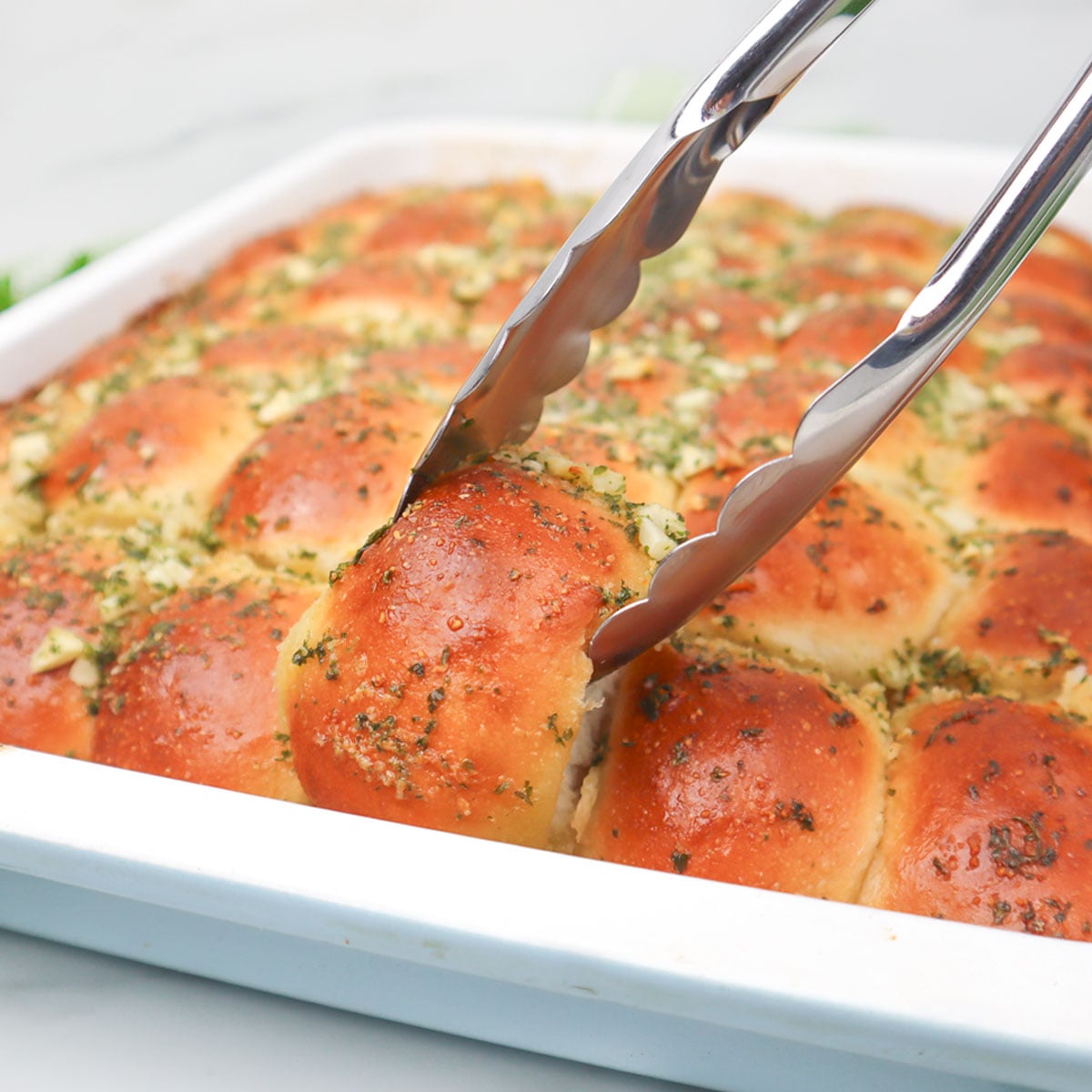
Queste palline di impasto all'aglio sono la ricetta che preparo quando desidero un contorno caldo e ricco di burro, sufficiente per un piccolo gruppo di persone. In forno l'impasto diventa dorato all'esterno e morbido al centro, poi viene completato con una ricca copertura di burro all'aglio che si scioglie su ogni pezzo.
Preparazione in anticipo e consigli per il congelamento
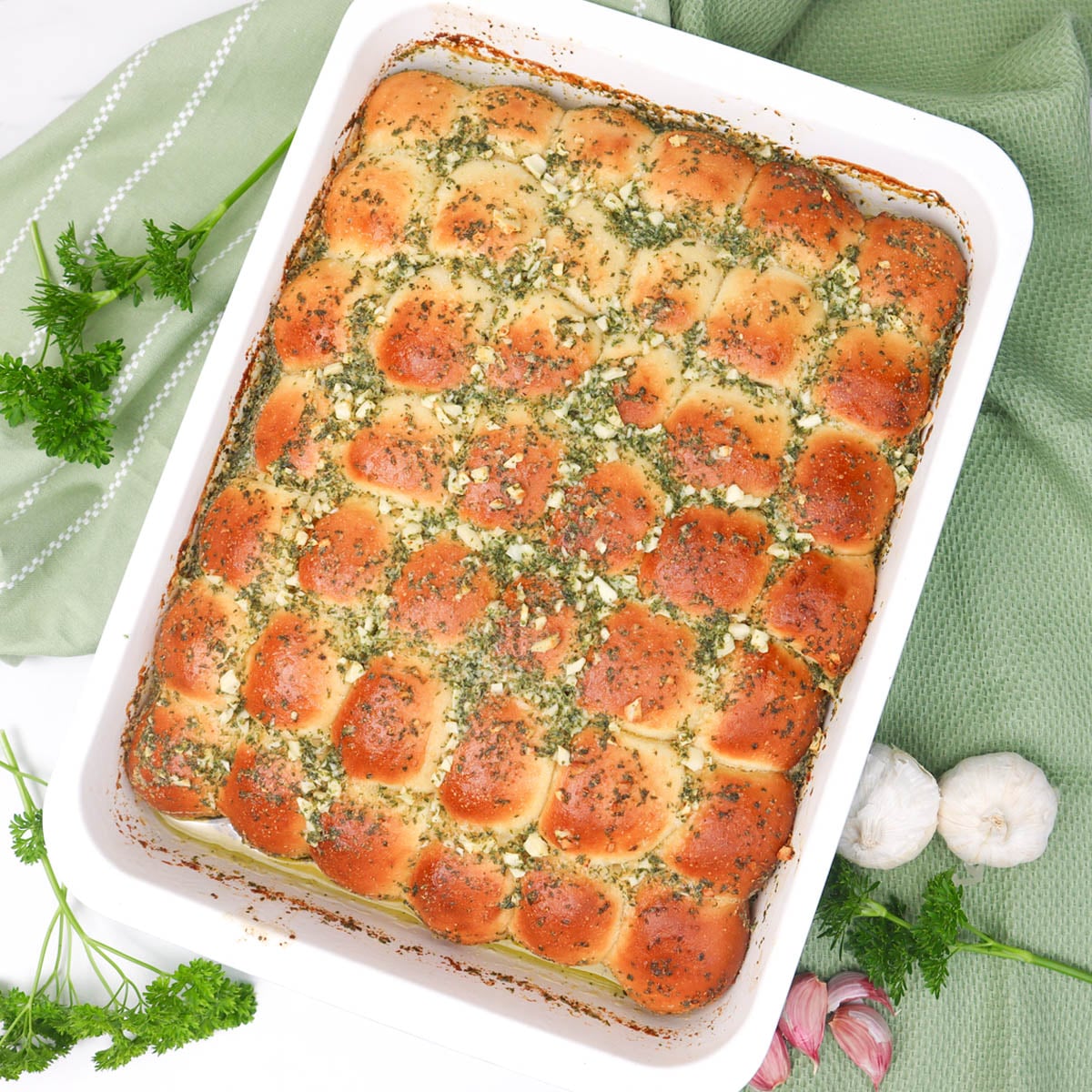
Questa ricetta permette di preparare circa 42 palline di impasto all'aglio, ma potete facilmente dimezzare tutti gli ingredienti se vi serve una quantità minore. Di solito preparo la dose intera perché sono ottime per i pasti da preparare in anticipo e, a volte, raddoppio persino la ricetta per averne altre già pronte per cene future.
Le palline di impasto si congelano molto bene. Lasciatele raffreddare completamente dopo la prima cottura, quindi congelatele prima di aggiungere il burro all'aglio. Quando siete pronti a servirle, fatele scongelare in frigorifero, aggiungete la copertura di burro all'aglio e cuocetele in forno finché saranno calde, dorate e fragranti.
Perché la doppia cottura funziona
È la doppia cottura a conferire a queste palline di impasto all'aglio la loro consistenza morbida e una ricca finitura al burro all'aglio. Prima si cuociono su una teglia finché sono dorate e completamente cotte. Quando si sono raffreddate abbastanza da poterle maneggiare, trasferitele in una pirofila dai bordi alti, distribuitevi sopra il burro all'aglio e rimettetele in forno. I bordi alti trattengono il burro all'aglio fuso intorno alle palline, evitando che fuoriesca dalla pirofila.
Adoro servirle con la pizza fatta in casa o con i tradizionali spaghetti alla bolognese. Sono morbide, saporite, facili da condividere e perfette per raccogliere il sugo o per aggiungere un contorno caldo e ricco di burro a un pasto in famiglia.
Consigli per un impasto morbido e una copertura al burro all'aglio
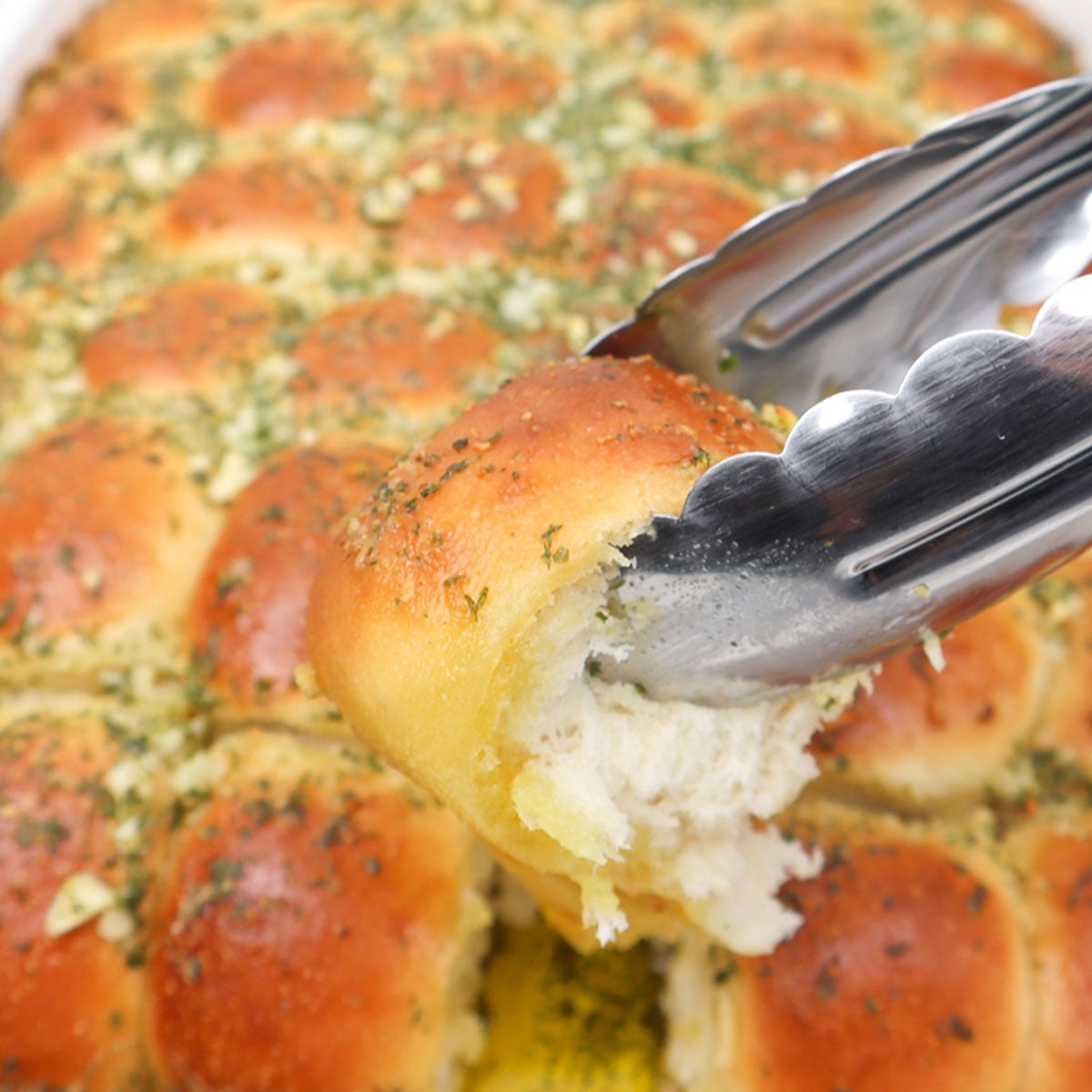
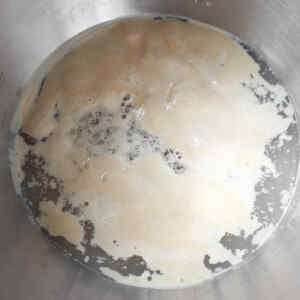
La prima cosa da controllare è la miscela di lievito. Dopo aver lasciato riposare insieme l'acqua tiepida, il lievito istantaneo e lo zucchero, la miscela dovrebbe avere un leggero odore di lievito e apparire attiva. È un segnale utile per capire che si può procedere con l'impasto.
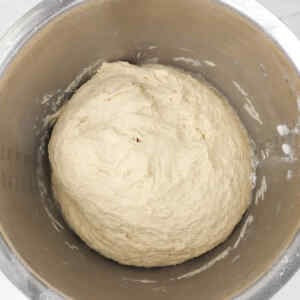
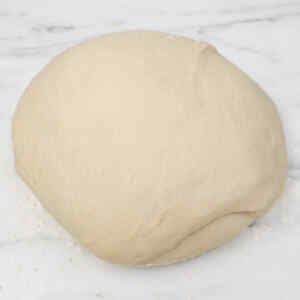
Aggiungete gradualmente la farina per pane mentre il gancio impastatore gira a bassa velocità. L'impasto dovrebbe staccarsi dalle pareti della ciotola, ma non risultare asciutto. Quando ne staccate un pezzetto e lo arrotolate formando una pallina, dovrebbe essere morbido e lasciare sulle dita soltanto un leggero residuo appiccicoso.
Se l'impasto risulta troppo appiccicoso, aggiungete lentamente altra farina. Bastano pochi cucchiai alla volta. Troppa farina può rendere meno morbide le palline di impasto.
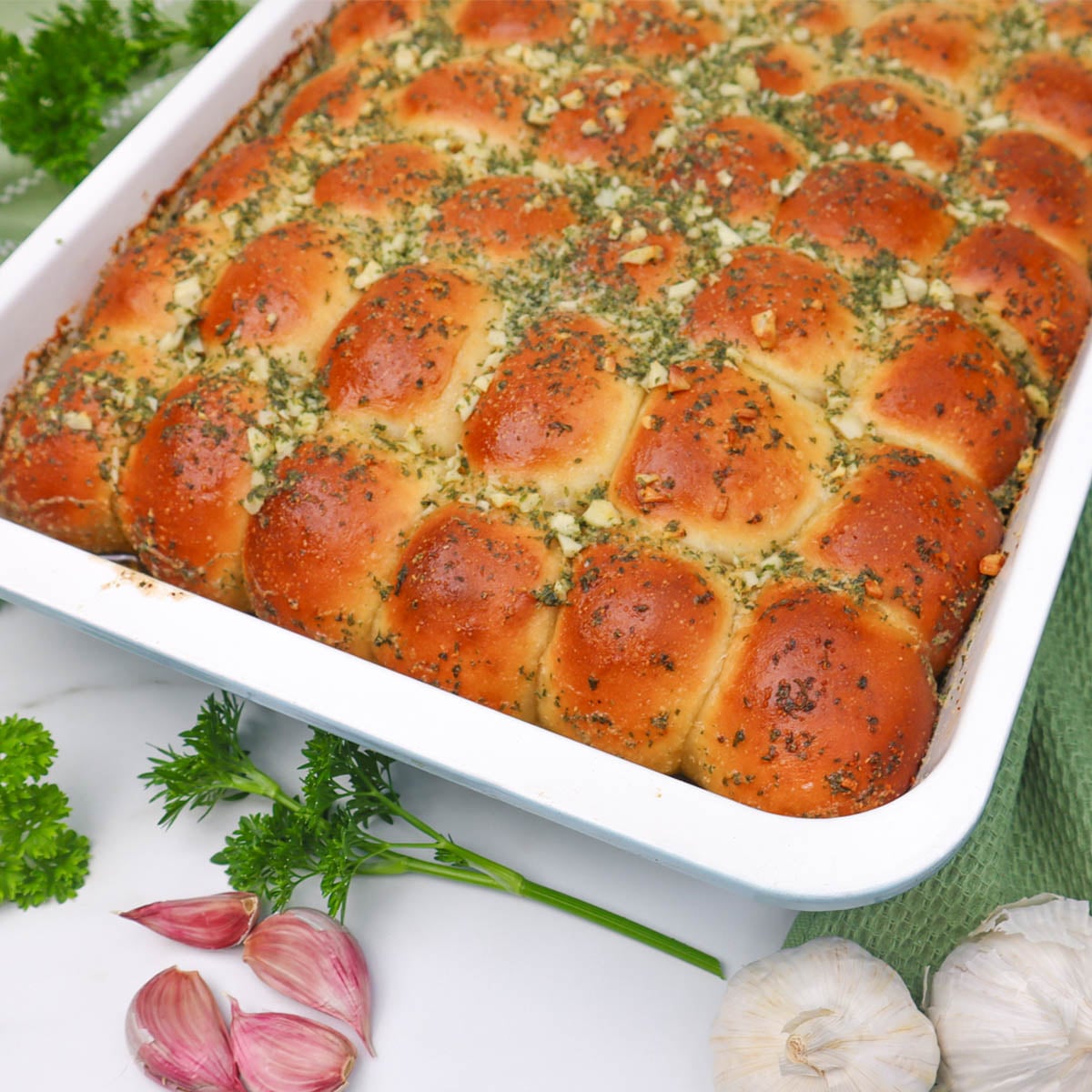
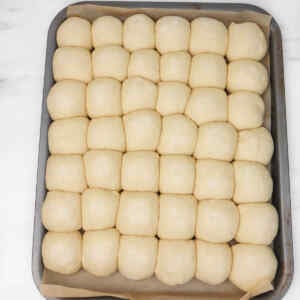
Lasciate lievitare le palline di impasto già formate finché appariranno gonfie. Questo segnale visivo è importante perché contribuisce a ottenere una consistenza più leggera dopo la cottura. Se desiderate pezzi di dimensioni più uniformi, usate una bilancia da cucina.
La pirofila dai bordi alti è importante per la copertura: trattiene il burro all'aglio fuso intorno alle palline, evitando che fuoriesca. Lasciate raffreddare le palline cotte prima di aggiungere la copertura, così sarà più facile trasferirle e ricoprirle.
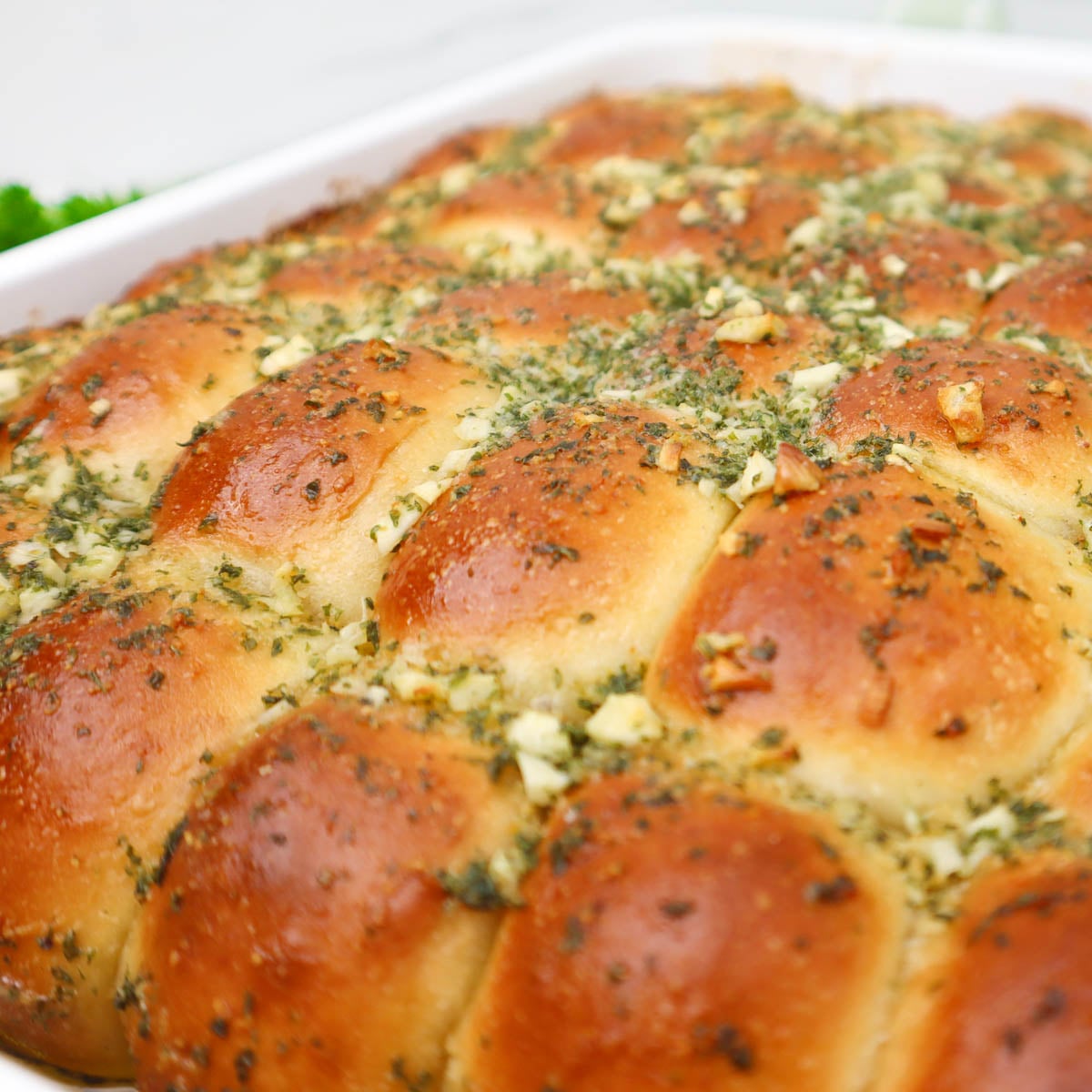
Varianti semplici
Aggiungere il formaggio
Per ottenere palline di impasto all'aglio e formaggio, inserite un cubetto di mozzarella al centro di ogni pallina prima della cottura. Potete anche cospargere la copertura di burro all'aglio con del parmigiano grattugiato prima della cottura finale, per una finitura sapida e gustosa.
Aggiungere una nota piccante
Incorporate un pizzico di peperoncino in fiocchi alla copertura di burro all'aglio prima di distribuirla sulle palline di impasto. Aggiungerà una lieve nota piccante che si abbina bene ad aglio, prezzemolo e sale marino.
Risoluzione dei problemi delle palline di impasto all'aglio
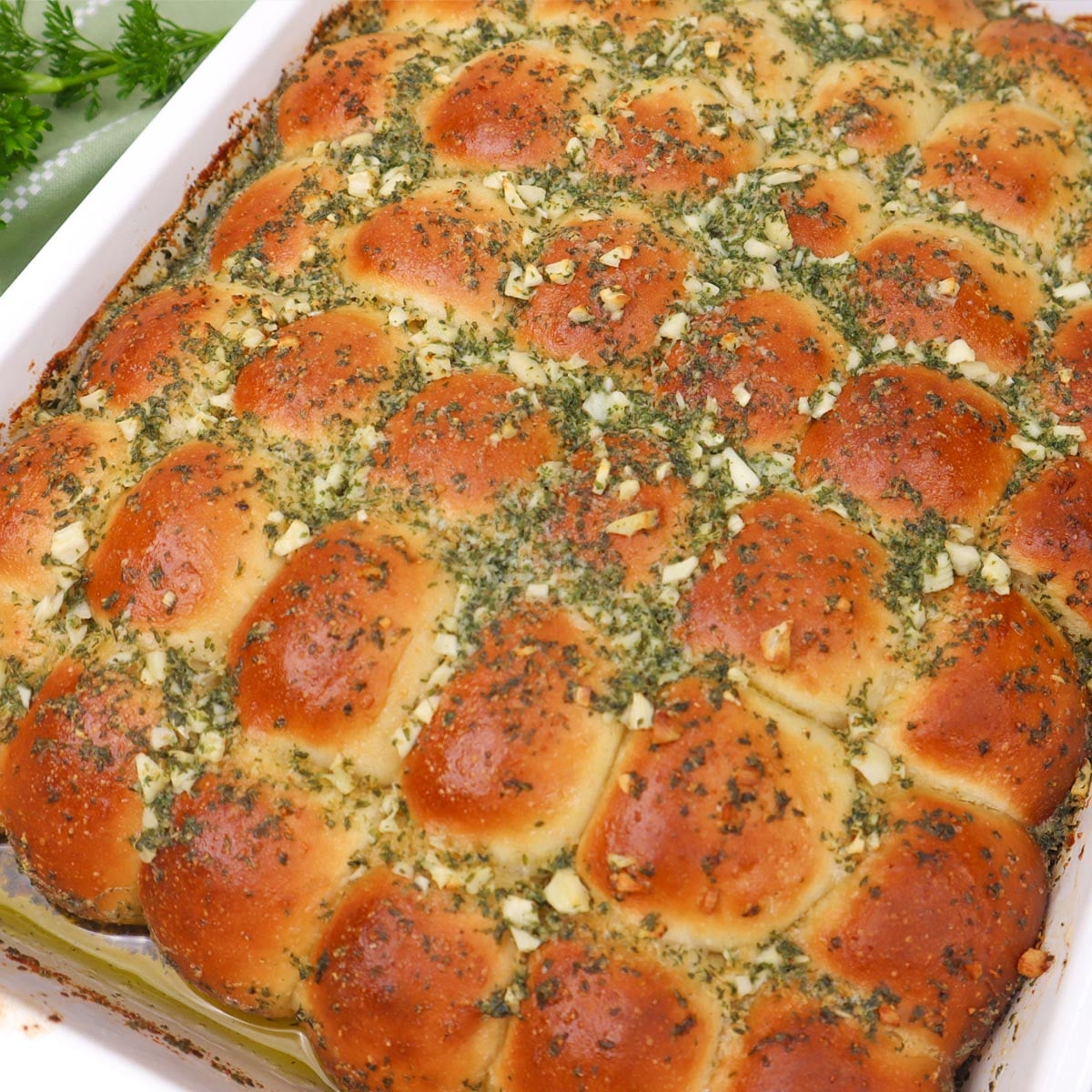
Se l'impasto risulta troppo appiccicoso, aggiungete qualche cucchiaio di farina alla volta finché sarà morbido e leggermente appiccicoso. Se le palline cuociono in modo non uniforme, usate una bilancia da cucina per renderle di dimensioni simili. Se non lievitano bene, controllate che il lievito abbia un odore che ne indichi l'attività prima di preparare l'impasto. Se il burro all'aglio comincia a fuoriuscire, usate una pirofila dai bordi alti. Cuocete le palline finché saranno dorate e avranno raggiunto una temperatura interna di 190-195°F.
Con cosa servirli
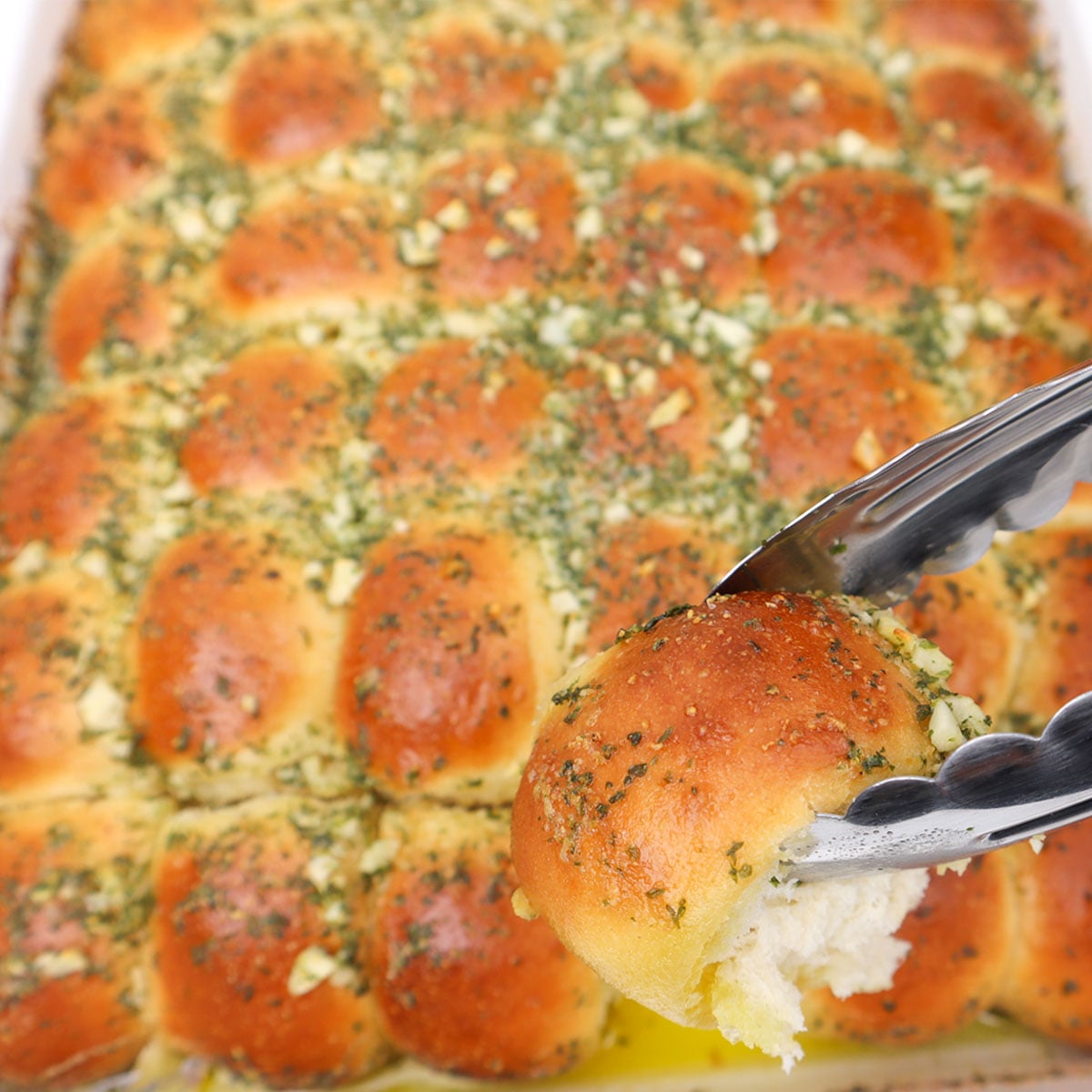
Servite queste palline di impasto all'aglio calde, mentre il burro all'aglio è ancora fuso e fragrante. Sono perfette con la pizza fatta in casa, i tradizionali spaghetti alla bolognese o qualsiasi piatto di pasta che richieda un contorno morbido e ricco di burro con cui raccogliere il sugo.
Sono ottime anche come antipasto prima della portata principale. Mettetele al centro della tavola quando sono ancora calde e lasciate che ciascuno le stacchi con le mani. Sono particolarmente buone con un fresco bicchiere di vino bianco.
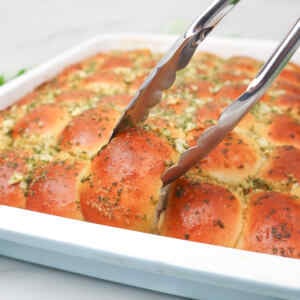
Palline di impasto all'aglio

Attrezzatura
- Planetaria (con gancio impastatore)
- Bilancia da cucina (facoltativo)
- Canovaccio pulito o pellicola alimentare
- teglia da forno dai bordi altio teglia da arrosto
Ingredienti
Per le palline di impasto
- 2 tazze d'acqua tiepida circa 100°F
- 2 cucchiai di lievito istantaneo
- ¼ di tazza di zucchero semolato
- 1 cucchiaio di sale
- 1 uovo grande leggermente sbattuto
- ¼ di tazza d'olio d'oliva
- 7 ¾ tazze di farina per pane
- 1 grande uovo per la spennellatura
- 1 goccio d'acqua per la spennellatura all'uovo
Per la copertura di burro all'aglio
- ½ tazza di burro non salato
- 3 spicchi d'aglio tritati
- 1 cucchiaino di prezzemolo essiccato
- 1 cucchiaino d'aglio in polvere
- ½ cucchiaino di sale marino
- 1 cucchiaio d'olio d'oliva
Istruzioni
- Versa l'acqua tiepida, il lievito istantaneo e lo zucchero nella ciotola di una planetaria.2 tazze d'acqua tiepida, 2 cucchiai di lievito istantaneo, ¼ di tazza di zucchero semolato

- Lasciate riposare la miscela per qualche minuto, finché avrà un leggero odore di lievito e apparirà attiva.
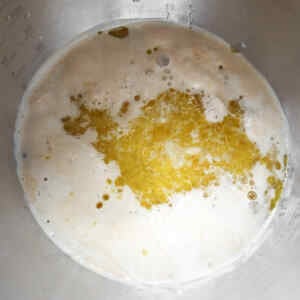
- Aggiungi nella ciotola l'uovo leggermente sbattuto, l'olio d'oliva e il sale.1 cucchiaio di sale, 1 uovo grande, ¼ di tazza d'olio d'oliva
- Con il gancio impastatore in funzione a bassa velocità, aggiungete la farina per pane una tazza alla volta.7 ¾ tazze di farina per pane
- Continua a impastare finché l'impasto non si stacca dalle pareti della ciotola.
- Staccate un pezzetto di impasto e arrotolatelo formando una pallina. Dovrebbe risultare morbido e lasciare sulle dita soltanto un leggero residuo appiccicoso. Se l'impasto risulta troppo appiccicoso, aggiungete un po' di farina, qualche cucchiaio alla volta.
- Impastate per circa 8 minuti, finché l'impasto sarà liscio, morbido e leggermente appiccicoso.
- Lasciate riposare l'impasto per 5 minuti affinché si rilassi.
- Infarina leggermente il piano di lavoro e trasferiscici l'impasto.
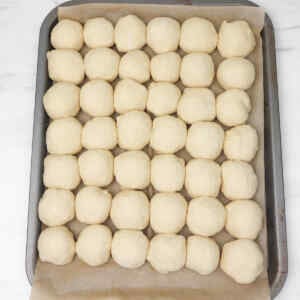
- Dividete l'impasto in circa 42 pezzi uguali, a seconda della dimensione desiderata. Per ottenere palline più uniformi, usate una bilancia da cucina.
- Forma ogni pezzo in una palla liscia portando i bordi verso il centro.
- Disponete le palline di impasto su una teglia rivestita di carta da forno.
- Coprite con un canovaccio pulito o con pellicola trasparente.
- Lasciate lievitare le palline di impasto in un luogo caldo per circa 30 minuti, o finché saranno gonfie.
- Preriscaldate il forno a 400°F / 200°C. Se il vostro forno tende a scaldare molto, riducete la temperatura a 375°F / 190°C.
- In una ciotolina, sbatti insieme l'uovo e un goccio d'acqua per preparare la spennellatura.1 uovo grande, 1 goccio d'acqua
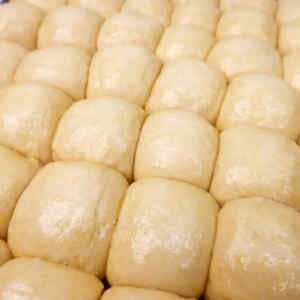
- Spennellate leggermente la superficie delle palline di impasto con l'uovo sbattuto.
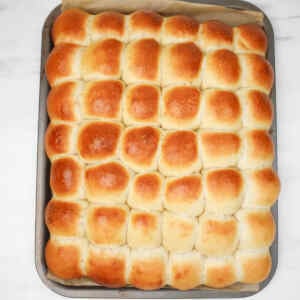
- Cuocete in forno per circa 20 minuti, o finché saranno ben dorate.
- A cottura completa, la temperatura interna dovrebbe raggiungere 190-195°F.
- Trasferite le palline di impasto su una gratella e lasciatele raffreddare prima di aggiungere la copertura.
- Preriscaldate nuovamente il forno a 400°F / 200°C.
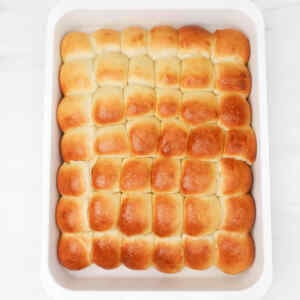
- Trasferite le palline di impasto cotte in una pirofila dai bordi alti o in una teglia da arrosto. In questo modo il burro all'aglio non fuoriuscirà durante la cottura.
- In una ciotolina, mescolate il burro non salato, l'aglio tritato, il prezzemolo essiccato, l'aglio in polvere, il sale marino e l'olio d'oliva fino ad amalgamarli bene.½ tazza di burro non salato, 3 spicchi d'aglio, 1 cucchiaino di prezzemolo essiccato, 1 cucchiaino d'aglio in polvere, ½ cucchiaino di sale marino, 1 cucchiaio d'olio d'oliva
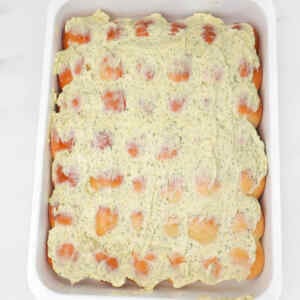
- Distribuite la miscela di burro all'aglio sulle palline di impasto cotte.
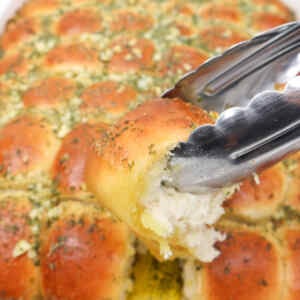
- Cuocete in forno per 10 minuti, finché il burro all'aglio si sarà sciolto sulle palline di impasto.
- Servi caldo.
Note
- Controllate il lievito prima di preparare l'impasto. Dopo aver riposato con l'acqua tiepida e lo zucchero, dovrebbe avere odore di lievito e apparire attivo.
- L'impasto dovrebbe essere morbido e leggermente appiccicoso, non asciutto. Se necessario, aggiungete altra farina soltanto pochi cucchiai alla volta.
- Se desiderate palline di impasto di dimensioni uniformi, usate una bilancia da cucina. In questo modo cuoceranno alla stessa velocità.
- Prima della cottura, lasciate lievitare le palline di impasto finché saranno gonfie. In questo modo avranno una consistenza più morbida.
- Per la cottura con il burro all'aglio, usate una pirofila dai bordi alti. Aiuta a trattenere il burro fuso nella pirofila, evitando che fuoriesca.
- Lasciate raffreddare le palline di impasto prima di aggiungere la copertura, così sarà più facile trasferirle e ricoprirle.
- Servite calde le palline di impasto all'aglio per ottenere la consistenza e il sapore migliori.
Valori nutrizionali
Domande frequenti
Posso dimezzare questa ricetta delle palline di impasto all'aglio?
Sì. La ricetta completa permette di preparare circa 42 palline di impasto, ma potete dimezzare tutti gli ingredienti per ottenere una quantità minore. Cercate di mantenere i singoli pezzi di dimensioni simili, affinché cuociano in modo uniforme.
Posso congelare le palline di impasto all'aglio?
Sì. Cuocete le palline di impasto e lasciatele raffreddare completamente, quindi congelatele prima di aggiungere il burro all'aglio. Fatele scongelare in frigorifero, aggiungete la copertura e cuocetele in forno finché saranno calde e dorate.
Perché devo cuocere le palline di impasto prima di aggiungere il burro all'aglio?
Cuocere prima le palline di impasto le aiuta a cuocersi completamente e a diventare dorate prima di aggiungere la copertura al burro. La seconda cottura scioglie il burro all'aglio sulle palline già cotte senza rendere l'impasto troppo umido.
Come faccio a sapere quando le palline di impasto sono completamente cotte?
Le palline di impasto dovrebbero essere ben dorate all'esterno. Per un controllo più accurato, la temperatura interna dovrebbe raggiungere 190-195°F.
Perché usare una pirofila dai bordi alti per la cottura con il burro all'aglio?
Una pirofila dai bordi alti o una teglia da arrosto aiuta a trattenere il burro all'aglio fuso intorno alle palline di impasto. In questo modo il burro non fuoriesce dalla teglia durante la cottura.
Come devo conservare le palline di impasto all'aglio avanzate?
Lasciate raffreddare le palline di impasto, trasferitele in un contenitore ermetico e riponetele subito in frigorifero. Consumate gli avanzi conservati in frigorifero entro tre o quattro giorni e riscaldate soltanto la quantità che intendete servire.
Le palline di impasto all'aglio sono uguali ai nodini all'aglio?
Si preparano con molti degli stessi ingredienti, ma le palline di impasto all'aglio vengono modellate in bocconcini di pane rotondi anziché essere annodate. Questa ricetta prevede inoltre una seconda cottura per sciogliere il burro all'aglio sul pane già cotto.


