Inhaltsverzeichnis
Ein Vorratsartikel, den Sie wahrscheinlich noch nie bemerkt haben
Es ist in Salatdressings, Soßen, glutenfreiem Gebäck und sogar in Zahnpasta enthalten. Und doch haben die meisten Menschen noch nie davon gehört. Als ich Xanthangummi zum ersten Mal beim Backen eines glutenfreien Kuchens entdeckte, … Bananenbrot, Ich gebe zu, ich musste es nachschlagen. Was ist Xanthan? Wie sich herausstellte, ist es ein gängiger Lebensmittelzusatzstoff, der aus Einfachzuckern gewonnen wird und aufgrund seiner beeindruckenden Verdickungs- und Stabilisierungseigenschaften sowohl von Lebensmittelwissenschaftlern als auch von Hobbyköchen geschätzt wird.

Wie Xanthangummi hergestellt wird
Die Herstellung von Xanthan klingt eher nach Labor als nach Landwirtschaft. Sie beginnt mit der Fermentation von Zucker (oft aus Mais, Weizen oder Soja) mithilfe des Bakteriums Xanthomonas campestris. Dieses Bakterium erzeugt eine klebrige, gummiartige Substanz, die anschließend getrocknet und zu dem feinen weißen Pulver vermahlen wird, das wir im Handel finden. Obwohl es industriell hergestellt wird, gilt es allgemein als sicher und ist von Lebensmittelbehörden weltweit zugelassen.


Warum es in so vielen Lebensmitteln enthalten ist
Haben Sie sich jemals gefragt, warum manche Soßen so schön cremig bleiben oder warum glutenfreies Brot nicht zerfällt? Xanthan spielt dabei wahrscheinlich eine Rolle. Es bindet Feuchtigkeit und sorgt für Elastizität und Struktur, auch ohne Gluten. Außerdem verhindert es die Trennung von Emulsionen wie Vinaigrettes und hilft Tiefkühlkost, ihre Textur bei Temperaturschwankungen zu bewahren. Schon eine kleine Menge reicht aus – ein halber Teelöffel kann ein ganzes Rezept verändern.

Xanthangummi zu Hause verwenden
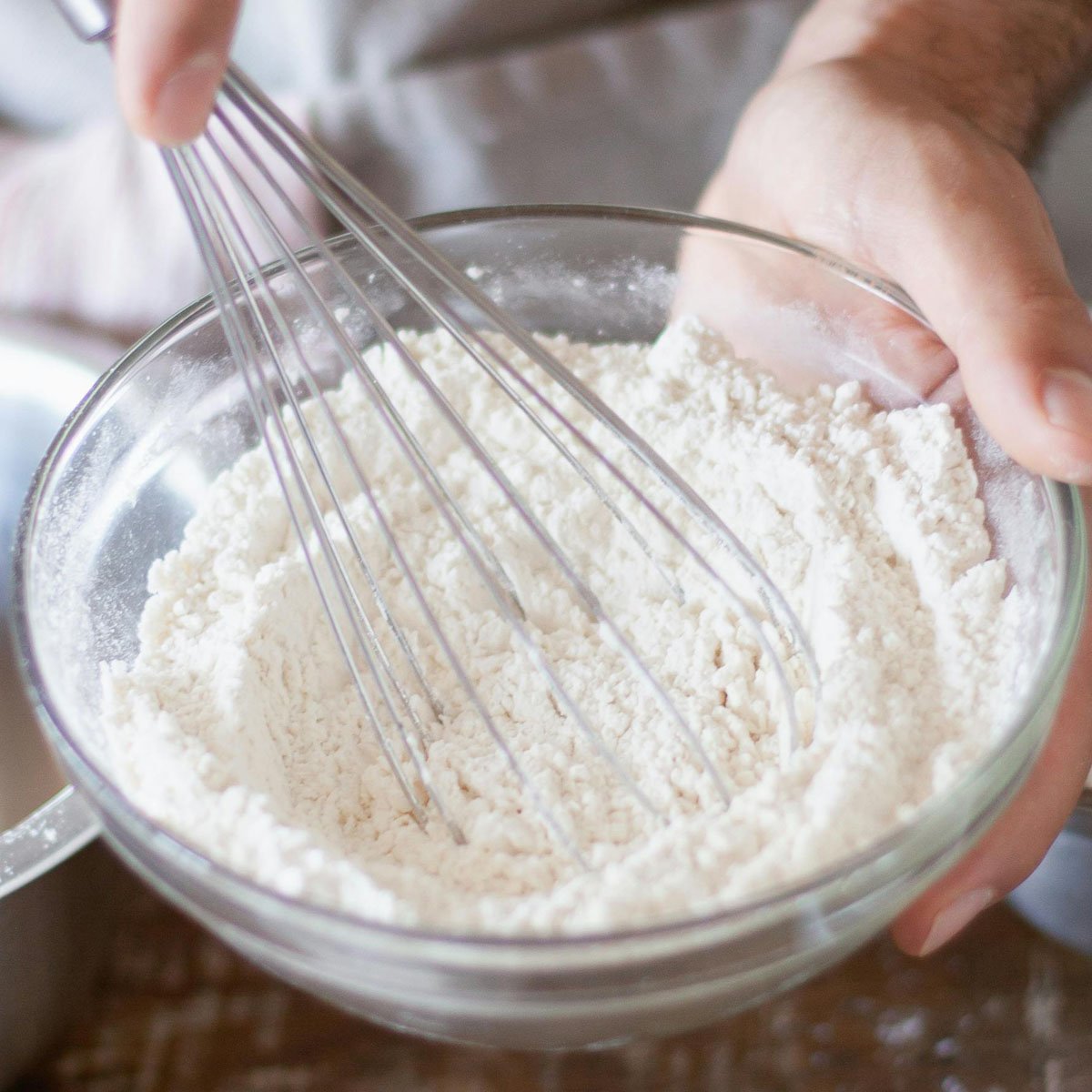
Hobbyköche stoßen beim glutenfreien oder veganen Backen oft auf Xanthan. Ich habe immer ein kleines Glas davon im Schrank, wenn ich mit glutenfreien Brownies experimentiere oder die zähe Konsistenz klassischer Kekse nachahmen möchte. Wichtig ist die richtige Dosierung: Zu viel Xanthan kann das Gebäck klebrig machen. Am besten gibt man es zu den trockenen Zutaten, bevor man sie vermischt, und rührt oder püriert alles gut durch, damit keine Klümpchen entstehen.
Wofür Sie Xanthangummi verwenden können
Xanthan ist unglaublich vielseitig und findet sich in einer Vielzahl von Rezepten wieder – insbesondere in solchen, die etwas Unterstützung in Sachen Textur oder Struktur benötigen. Ob Sie glutenfrei kochen oder einfach nur cremigere Saucen zubereiten möchten, es ist ein nützliches Grundnahrungsmittel. Hier sind einige beliebte Anwendungsgebiete:
- Glutenfreies Backen - Hilft dabei, die Struktur nachzuahmen, die Gluten in Brot, Keksen und Kuchen vorgibt.
- Salatdressings - Hält Öl und Essig vor der Trennung.
- Smoothies - Verleiht Cremigkeit ohne zusätzliche Milchprodukte oder Bananen.
- Bratensoßen und Saucen - Verdickt ohne Klumpenbildung und ohne dass Mehl oder Maisstärke benötigt werden.
- Eiscreme - Verhindert Eiskristalle und verbessert die Textur.
- Low-Carb-Rezepte - Wirkt als Bindemittel oder Verdickungsmittel, wenn keine herkömmlichen Stärken verwendet werden.
Schon mit wenig lässt sich viel erreichen, also fangen Sie mit einer kleinen Menge an und passen Sie diese nach Bedarf an!
So lagern Sie Xanthangummi
Um Xanthangummi frisch und wirksam zu halten, bewahren Sie es in einem luftdichten Behälter an einem kühlen, trockenen Ort, geschützt vor Feuchtigkeit und direkter Sonneneinstrahlung, auf. Ihre Speisekammer oder ein Küchenschrank eignen sich gut – solange es nicht in der Nähe von Herd oder Geschirrspüler steht, da Hitze und Feuchtigkeit die Qualität beeinträchtigen können. Xanthangummi ist zwar lange haltbar, dennoch sollten Sie es nach längerer Lagerung auf Verklumpungen oder unangenehme Gerüche überprüfen. Richtig gelagert, kann es mehrere Jahre lang seine Bindekraft behalten.
Wo erhältlich
Xanthan ist in den meisten Supermärkten im Backwarenregal, insbesondere im glutenfreien Bereich, leicht erhältlich. Auch online ist es problemlos zu finden. Dank seiner langen Haltbarkeit eignet es sich hervorragend für den gelegentlichen Gebrauch und vermeidet so Lebensmittelverschwendung.
Möchten Sie mehr erfahren?
Folge uns auf sozialen Medien, Hier finden Sie hilfreiche Küchentipps, Inspirationen für glutenfreie Rezepte und spannende Produktvorstellungen wie diese. Wir möchten Ihr Kochen intelligenter, einfacher und sogar ein bisschen wissenschaftlicher gestalten.