




Table of Contents
- The Comfort of a Perfect Pasta Sauce
- What Makes a Great Pasta Sauce?
- Are You Choosing the Right Tomatoes?
- Why Does the Base Matter So Much?
- Are You Using Herbs Effectively?
- How Do You Balance Flavour in Pasta Sauce?
- Why Is Simmering So Important?
- Should You Blend Your Pasta Sauce?
- How Can You Make This Pasta Sauce Your Own?
- Can You Make Pasta Sauce Ahead of Time?
- What Can You Serve With Pasta Sauce?
- Jump to Recipe
The Comfort of a Perfect Pasta Sauce
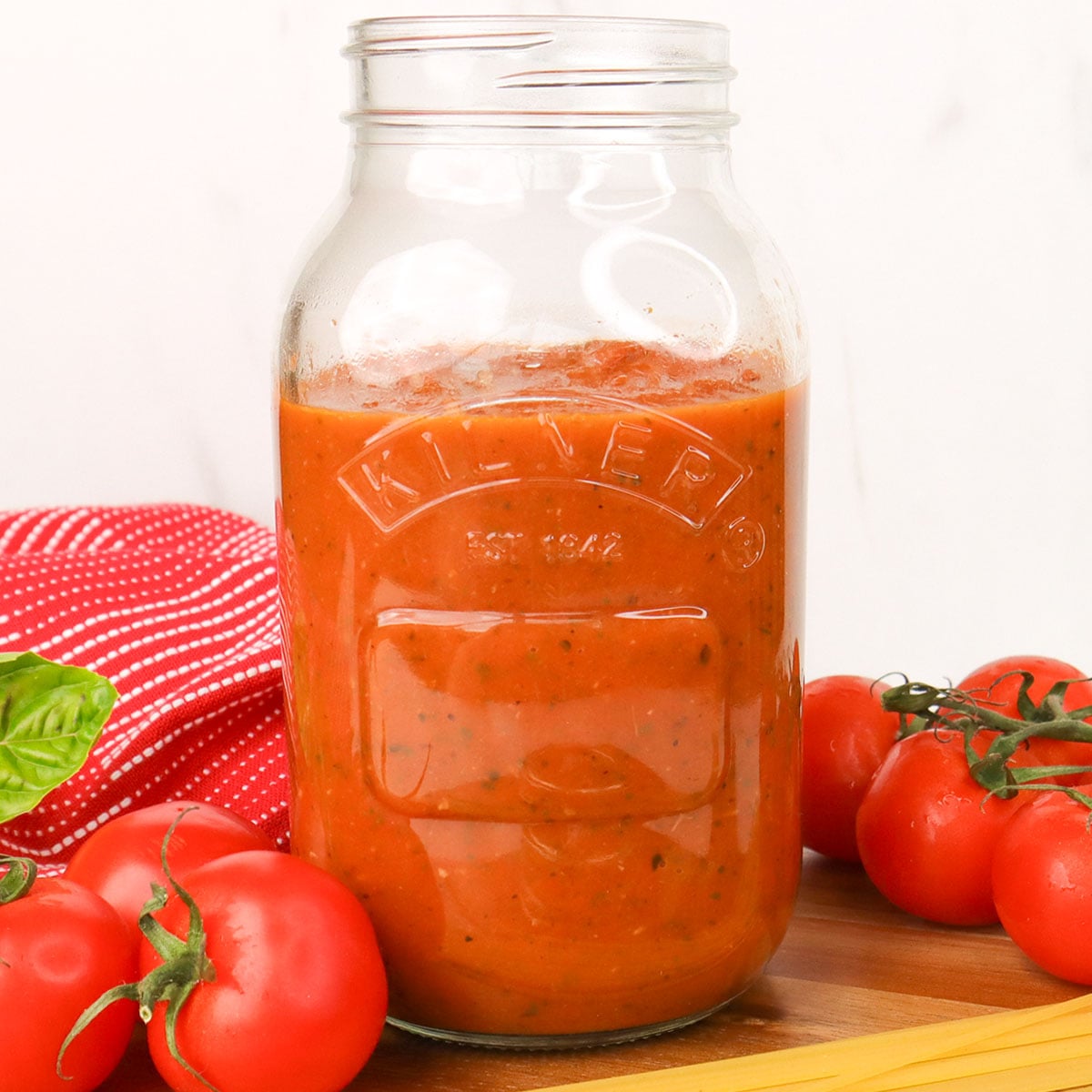
There is something deeply reassuring about a pot of pasta sauce simmering on the stove. The gentle bubbling, the aroma of garlic and herbs, the way the kitchen slowly fills with warmth, it's a ritual as much as it is a recipe.
I've made this pasta sauce countless times, and what continues to surprise me is how something so simple can feel so complete. It doesn't rely on complicated techniques or hard-to-find ingredients. Instead, it leans on balance, patience, and a few thoughtful choices.
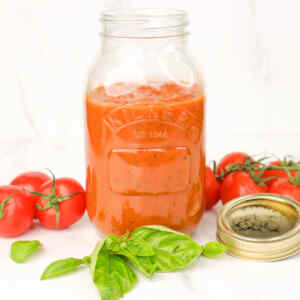
It was actually my sister Emily who first encouraged me to start making pasta sauce from scratch. She had just moved to Spain and was completely taken by the abundance of fresh, vibrant produce there was. I remember her calling me, excited, telling me how incredible her homemade sauce tasted and insisting I had to try making it for myself. I did, and from that moment on, I was hooked. Since then, I've found myself making batch after batch, filling jars with homemade pasta sauce and wondering why I hadn't started sooner.
Whether you're cooking for a busy weeknight or preparing a meal to share, this is the kind of recipe that quietly delivers every time.
What Makes a Great Pasta Sauce?
What are you really looking for in a pasta sauce? Is it richness, simplicity, or versatility?
For me, the answer is all three. A great pasta sauce should coat pasta effortlessly, cling just enough to carry flavour in every bite, and taste as though it has been simmering for hours, even when it hasn't.
The key lies in layering flavour. Starting with a base of onion, garlic, and olive oil creates depth. Adding herbs at the right moment enhances aroma. And allowing the sauce to simmer, even briefly, brings everything together.
This isn't about reinventing the wheel. It's about getting the fundamentals exactly right.
Are You Choosing the Right Tomatoes?
Have you ever considered how much your choice of tomatoes affects your pasta sauce?
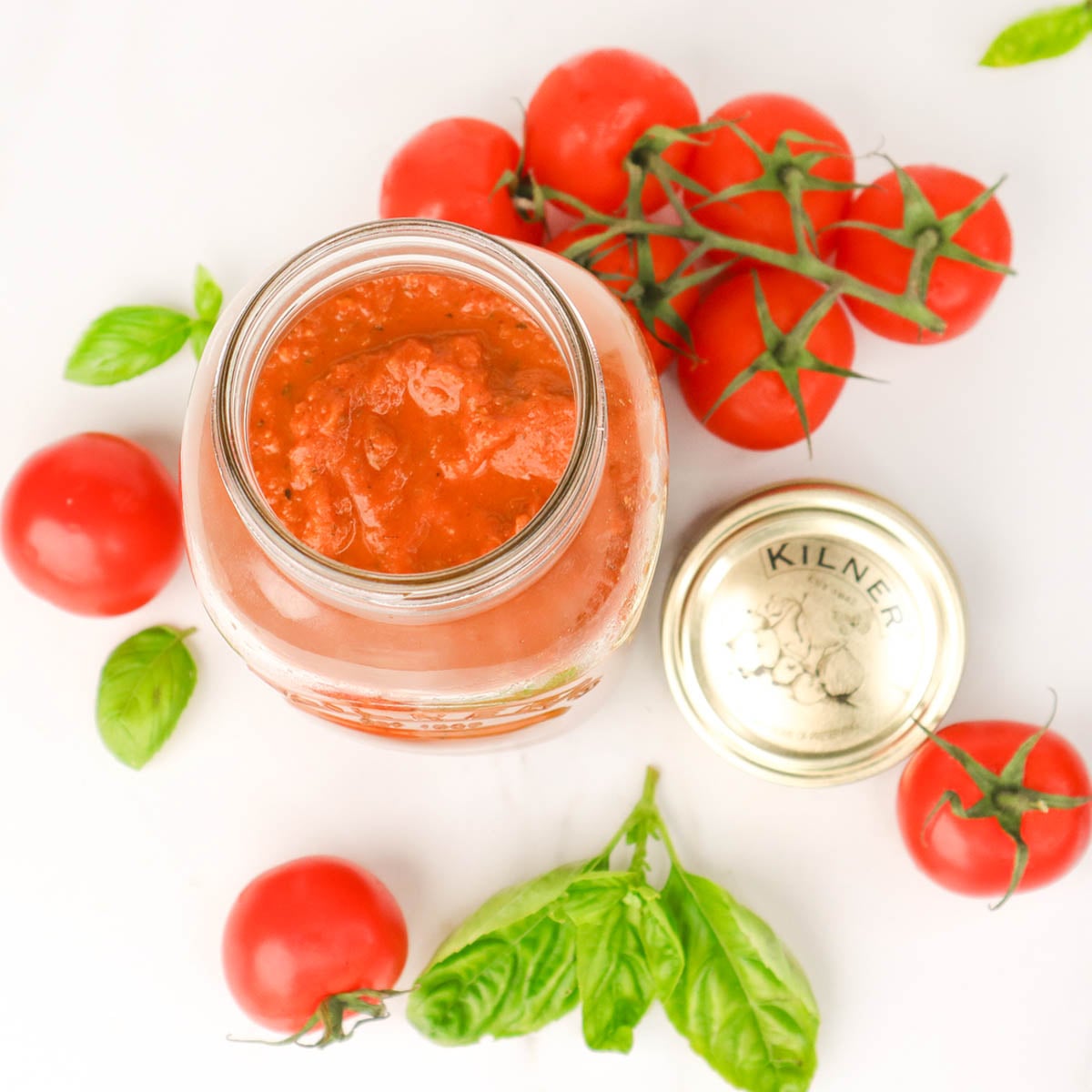
Tomatoes are, without question, the heart of the dish. In this recipe, canned plum tomatoes offer consistency, sweetness, and a richness that fresh tomatoes sometimes struggle to match, especially out of season.
When you break them up in the pan, you're not just adding texture; you're controlling how the sauce will feel when it's finished. Chunky or smooth, rustic or refined, it starts here.
So before you begin, ask yourself, do you want your sauce silky and blended, or slightly textured and rustic?
Why Does the Base Matter So Much?
Do you take the time to build flavour at the very beginning of your pasta sauce?
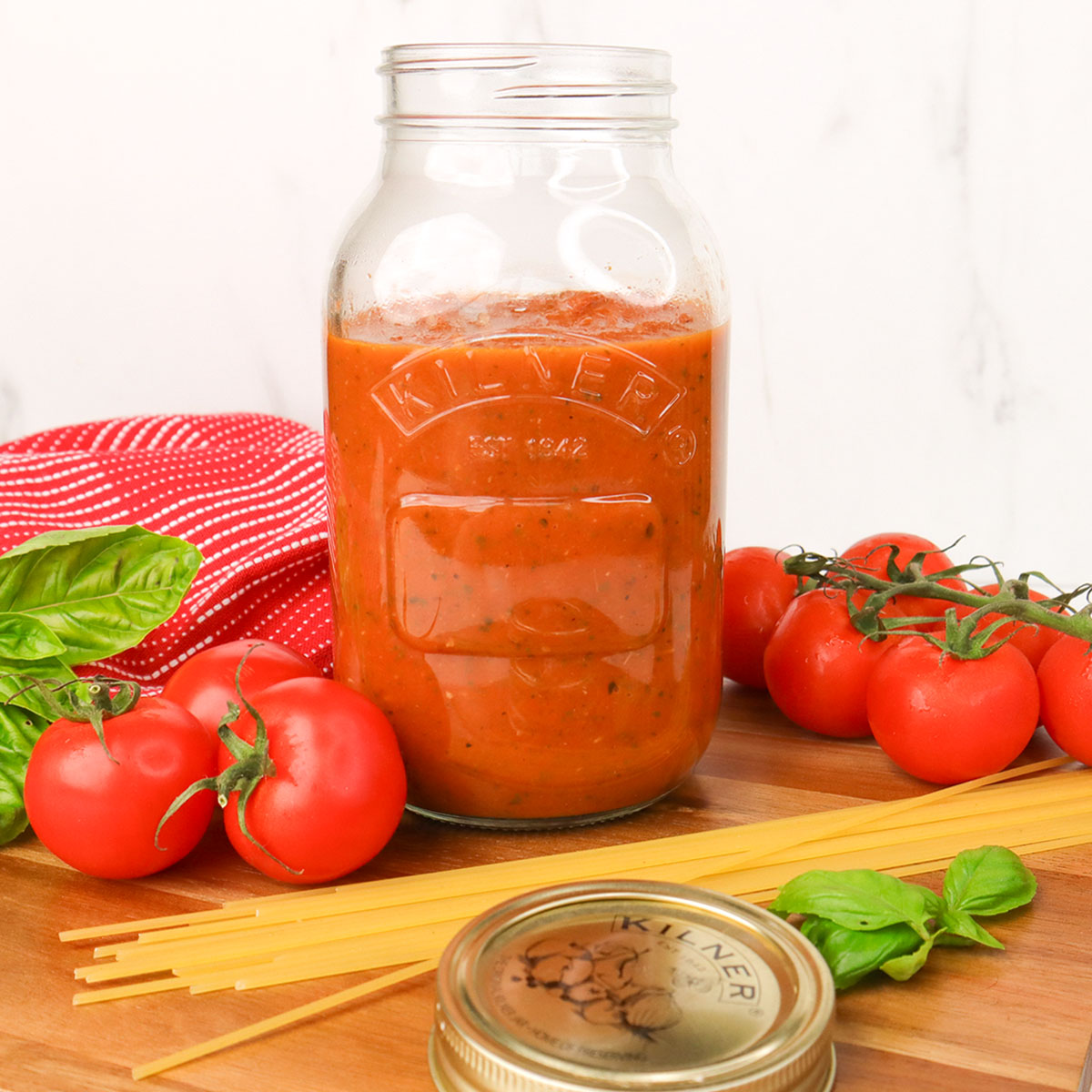
The base, olive oil, onion, garlic, and carrot, is where the transformation begins. Cooking the onion slowly until translucent releases its natural sweetness. Garlic adds depth, but only if it's handled gently and not allowed to burn.
The carrot may seem like a small addition, but it plays an important role. It softens the acidity of the tomatoes and adds a subtle sweetness that balances the entire sauce.
This stage isn't about rushing. It's about setting the tone for everything that follows.
Are You Using Herbs Effectively?
When do you add herbs to your pasta sauce, and why does it matter?
Dried oregano and Italian seasoning are added early in this recipe, allowing their flavours to bloom in the heat of the oil and vegetables. This brief moment, just 30 seconds makes a noticeable difference.
It's a small step, but it's one that transforms the sauce from something flat into something layered and aromatic.
How Do You Balance Flavour in Pasta Sauce?
Have you ever tasted your pasta sauce and felt like something was missing?
Balance is everything. Tomatoes bring acidity, so a small amount of sugar helps round out the flavour. Salt enhances, pepper adds warmth, and the herbs tie everything together.
This is where cooking becomes intuitive. Taste as you go. Adjust gently. Trust your palate.
A good pasta sauce isn't about strict measurements, it's about knowing when everything feels just right.
Why Is Simmering So Important?
Do you give your pasta sauce enough time to come together?
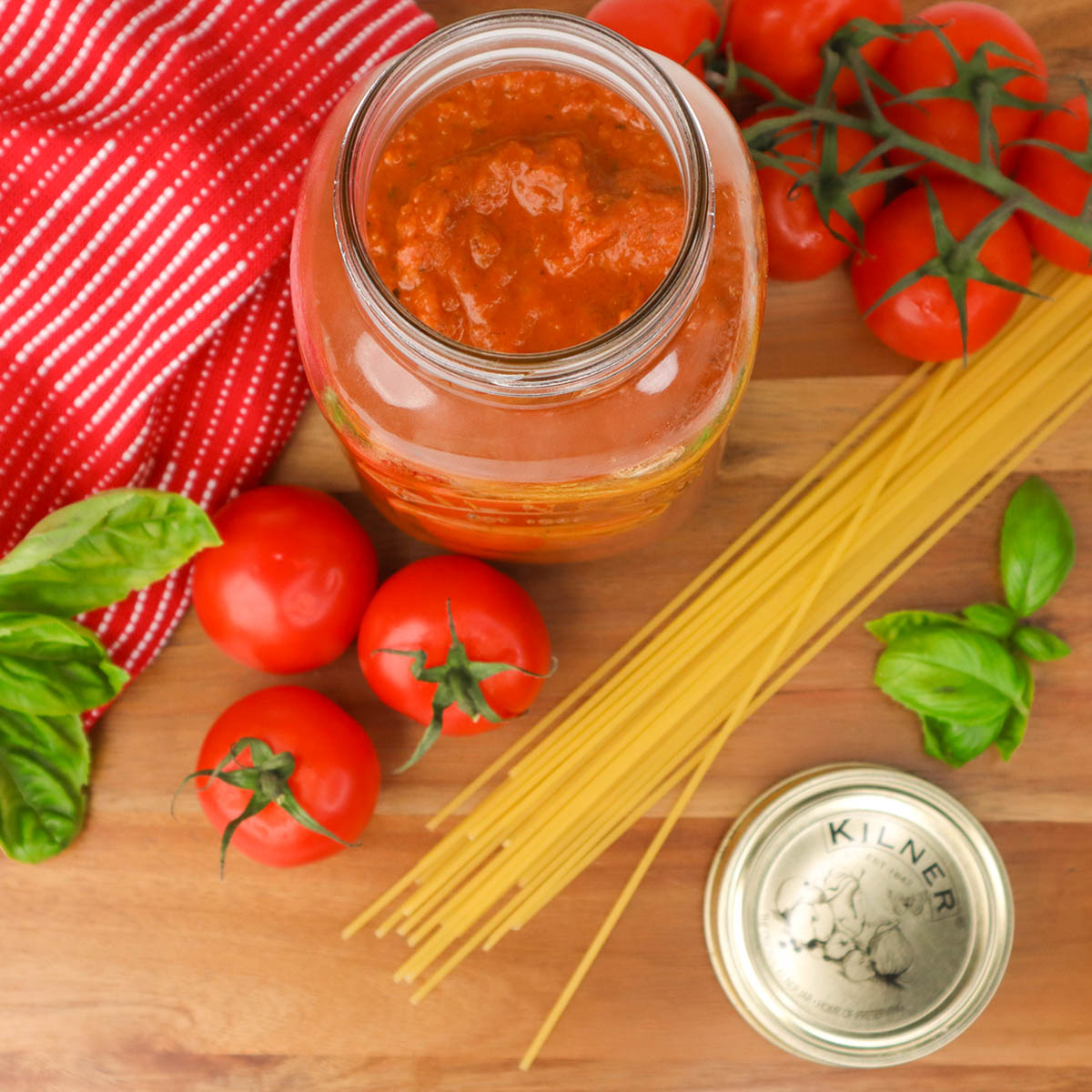
Simmering is where the magic happens. As the sauce cooks, the flavours deepen, the tomatoes break down, and the texture begins to thicken naturally.
Even 15-20 minutes can make a remarkable difference. The sauce becomes more cohesive, more rounded, more satisfying.
It's tempting to rush this step, especially on a busy day, but it's often the difference between a good sauce and a great one.
Should You Blend Your Pasta Sauce?
Do you prefer your pasta sauce smooth or slightly chunky?
Blending is a matter of personal preference, but it also changes how the sauce feels. A smooth sauce is elegant and velvety, perfect for coating pasta evenly. A chunkier version feels more rustic and hearty.
Using an immersion blender makes this step effortless, allowing you to control the texture directly in the pan.
Just ask yourself, what kind of experience do you want from your sauce?
How Can You Make This Pasta Sauce Your Own?
Are you treating your pasta sauce as a fixed recipe, or a starting point?
This sauce is wonderfully adaptable. A pinch of chili flakes can add heat. A splash of balsamic vinegar introduces depth. Smoked paprika brings a subtle richness.
Once you understand the base, you can begin to experiment with confidence.
Cooking, after all, is not just about following instructions, it's about making something your own.
Can You Make Pasta Sauce Ahead of Time?
Would your week feel easier if your pasta sauce was already prepared?
One of the greatest strengths of this recipe is how well it stores. In the fridge, it keeps beautifully for up to five days. In the freezer, it can last for months.
This makes it ideal for meal prep. You can make a batch ahead of time and have a reliable, homemade option ready whenever you need it.
It's a small investment of time that pays off repeatedly.
What Can You Serve With Pasta Sauce?
Are you thinking beyond just pasta when it comes to your pasta sauce?
Of course, it pairs perfectly with spaghetti, penne, or rigatoni. But its uses go far beyond that. Spread it over pizza dough, layer it into lasagne, or use it as a base for baked dishes.
It's a versatile foundation, one that can adapt to whatever you're cooking.
So consider: how many meals could this one sauce become?
Pasta Sauce Recipe

Equipment
- Wooden spoon or spatula
- Cutting board
- Measuring spoons and cups
- Immersion blender (or standard blender)
Ingredients
- 2 Tablespoons Olive oil
- 1 Large Red onion diced
- 3 Teaspoons Minced garlic
- 1 Carrot diced
- 2 Tablespoons Dried oregano
- 2 Tablespoons Italian seasoning
- 1 Teaspoon Sugar
- 1/2 Teaspoon Salt
- 1/2 Teaspoon Ground black pepper
- 800 Grams Plum tomatoes 2 tins
- 2 Tablespoons Tomato puree
- 250 Milliliters Water
Instructions
- Heat the olive oil in a large saucepan over medium heat. Add the diced red onion and cook for about 5 minutes until soft and translucent.2 Tablespoons Olive oil, 1 Large Red onion
- Stir in the minced garlic and cook for 1 minute until fragrant. Add the diced carrot and cook for 2-3 minutes until slightly softened.3 Teaspoons Minced garlic, 1 Carrot
- Sprinkle in the oregano, Italian seasoning, sugar, salt, and black pepper, stirring for about 30 seconds to release the flavors.2 Tablespoons Dried oregano, 2 Tablespoons Italian seasoning, 1 Teaspoon Sugar, 1/2 Teaspoon Salt, 1/2 Teaspoon Ground black pepper
- Pour in the canned plum tomatoes, breaking them up gently with a spoon. Add the tomato puree and water, then mix everything together.800 Grams Plum tomatoes, 2 Tablespoons Tomato puree, 250 Milliliters Water
- Bring the sauce to a gentle simmer and cook uncovered for 15-20 minutes, stirring occasionally, until it thickens slightly.
- Use an immersion blender to puree the sauce directly in the pan, or carefully transfer to a blender and blend until smooth. Taste and adjust seasoning with extra salt, or pepper if desired.

- Your pasta or pizza sauce is ready! Use it immediately, stir into pasta, spread on pizza dough, or store in an airtight container in the fridge for up to 5 days.
Notes
- Dice the onion and carrot uniformly so they cook evenly.
- For a chunkier sauce, blend only half the tomatoes and leave the rest chunky.
- Add a splash of balsamic vinegar or smoked paprika for extra depth of flavor.
- The sauce keeps in the fridge for up to 5 days and can be frozen for 2-3 months.
- Add crushed red pepper or fresh chili for a spicy kick.
- For a thicker sauce, simmer a few minutes longer; for a thinner sauce, add a splash more water.
Nutrition
If you've been searching for a reliable, flavorful pasta sauce that fits easily into your routine, this is the one to keep close. It's quick enough for busy evenings, yet rich enough to feel like something special.
Once you've made it, you'll find yourself coming back to it again and again, adjusting, refining, and making it your own. If you're in the mood to switch things up, be sure to try our spicy pasta sauce for a little extra heat or pair this with our homemade pepperoni pizza for the ultimate comfort meal.
And if you're looking for even more inspiration, explore the other recipes on the site and follow along on social media for simple, delicious ideas you'll want to make again and again.


