


Table des matières
- Convertisseur de mesure Quick Shot
- Comment la Prohibition a consolidé la norme américaine de 1,5 once
- Maîtriser les proportions : pourquoi 42 g est crucial pour les recettes classiques
- Du vin au whisky : comprendre la boisson standard universelle
- Pourquoi parle-t-on de ‘ shot ' ? Légendes, mythes et véritables origines
- Dimensionner votre verre à liqueur : du standard au spécial
- Guide international des doses : comparaison des tailles de dose dans le monde
- Calculateur international de mesures de tir
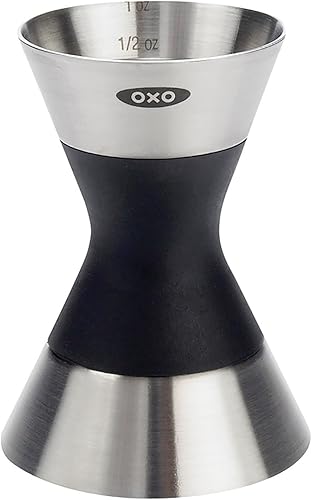
Si vous préparez des cocktails chez vous ou si vous en commandez un au bar, vous constaterez qu'aux États-Unis, une dose standard tir de l'alcool est généralement 1,5 once liquide (à propos 44 millilitresLes barmans utilisent souvent un doseur pour mesurer cette quantité, et c'est la base d'une dose standard lorsqu'on calcule la quantité d'alcool dans les recettes ou les portions. Ainsi, que vous prépariez un whisky pur ou un shot de vodka, comptez environ 4,5 cl dans ce petit verre.

Bien sûr, la quantité de café servie n'est pas la même partout. Il n'y a pas de règle universelle, et même les bars américains en mettent parfois un peu plus ou un peu moins. Voici comment cela se passe lorsque vous voyagez ou suivez des recettes de différents pays :
- États-Unis: Environ 44 ml (1,5 oz) est le plus courant. Certaines barres utilisent 1,25 oz ou monter jusqu'à 2 oz Pour une dose plus généreuse, utilisez 45 ml (1,5 oz), mais la contenance standard est de 45 ml (1,5 oz) et se retrouve dans la plupart des recettes et des doseurs. De nombreux verres à liqueur vendus ici contiennent exactement 45 ml (1,5 oz), vous pouvez donc doser à l'œil.
- Royaume-Uni: Selon la loi, les pubs versent 25 ml (0,85 oz) ou 35 ml Un “ double ” contient généralement 50 ml (1,7 oz) si les doses sont de 25 ml, ou 70 ml (2,4 oz) si elles sont de 35 ml. En résumé, un shot britannique paraît souvent plus petit qu'un shot américain.
- Canada: La plupart des barres canadiennes égalent celles des États-Unis à 1,5 oz (43 ml) pour une dose. Quelques provinces utilisent 1 oz (28 ml) comme base, en particulier dans les cocktails, mais 1,5 oz est la valeur idéale pour une boisson standard.
- Australie: En Australie, un seul verre, appelé “ nip ”, est 30 ml (environ 1,0 oz). Cela correspond à la norme australienne de 30 ml de spiritueux 40% ; les recettes australiennes supposent donc souvent 30 ml par verre.
- Europe (général) : Dans la plupart des bars européens, tout est en système métrique :
20 ml en Italie (souvent pour de la grappa ou un « doppio » à 40 ml),
40 ml en Allemagne et en Pologne,
50 ml en Russie et en Bulgarie (une bonne dose),
et la Scandinavie utilise généralement 40 ml (~1,35 oz). En bref, un shot européen peut contenir entre 20 et 50 ml selon l'endroit où vous vous trouvez.
En raison de ces différences, si vous suivez une recette de cocktail internationale ou si vous voyagez, vérifiez bien ce que signifie “ 1 dose ” dans ce contexte : un barman londonien pourrait s'attendre à 25 ml, tandis qu'un barman new-yorkais supposera 1,5 oz (44 ml).
Convertisseur de mesure Quick Shot
Mesures équivalentes :
| Unité | Valeur |
|---|---|
| Onces | - |
| millilitres | - |
Comment la Prohibition a consolidé la norme américaine de 1,5 once
Aux États-Unis, cela 1,5 once la mesure provient de l'utilisation d'un double côté jigger: le grand côté fait 42,5 g et le petit côté (le « pony ») fait 28,5 g. Au XIXe siècle, « jigger » désignait déjà environ 42,5 g d'alcool ; il s'agit peut-être d'un terme d'argot marin ou d'un dérivé de « thingamajig ». Après la Prohibition, les bars ont standardisé les verres à shot et les jiggers, faisant de 42,5 g la norme pour les cuisines et les bars.
Durant l'âge d'or du cocktail (fin du XIXe siècle - début du XXe siècle), les barmans parlaient d'un “ jigger de gin ” (4,5 cl) ou d'un “ pony de brandy ” (3 cl). Aujourd'hui encore, les guides de mixologie et les livres de recettes utilisent ces mesures : la plupart des recettes de cocktails indiquent les ingrédients en onces, et un “ shot ” correspond généralement à 4,5 cl, sauf indication contraire.
Il n'a jamais existé de norme universelle concernant la contenance d'un verre d'alcool, contrairement à la pinte de bière, dont la contenance reste relativement constante (malgré des différences entre le système américain et le système impérial). Les coutumes locales et les recommandations de santé publique ont façonné la quantité servie dans chaque pays. Aux États-Unis, 4,5 cl d'alcool à 40,1 % vol. sont considérés comme une consommation standard. En Australie, les autorités sanitaires privilégient un verre de 30 ml pour définir une consommation standard. Dans toutes les régions, la quantité servie peut être ajustée afin d'éviter le surdosage.


Maîtriser les proportions : pourquoi 42 g est crucial pour les recettes classiques
Savoir précisément combien d'onces représente un shot est essentiel pour réussir des cocktails équilibrés. Si une recette de margarita indique “ 1 shot de tequila ” et que vous en versez 4,5 cl, vous obtiendrez le profil aromatique recherché. Si vous ne versez que 3 cl par erreur, votre cocktail sera plus léger. À l'inverse, verser 6 cl le rendra nettement plus fort.
L'art du bar allie science et art : des proportions précises sont essentielles lorsqu'on travaille avec peu d'ingrédients. Les barmans professionnels utilisent des doseurs à graduations claires pour garantir la constance de chaque service. coulée standard Aux États-Unis, un verre de whisky pur contient généralement 4,5 cl (1,5 oz), tandis qu'un verre servi avec des glaçons peut contenir 6 cl (2 oz) ou plus pour un verre plus généreux. Cette information est également utile pour déchiffrer les cartes de cocktails : si vous commandez un “ double ” de whisky pur, vous pouvez vous attendre à environ 9 cl (3 oz), soit deux doses de 4,5 cl (1,5 oz), sauf indication contraire du bar.
À la maison, il est judicieux d'utiliser un doseur ou un verre à liqueur gradué en onces. Lorsqu'un livre de cuisine ou un site web indique “ 1 dose ”, il s'agit presque toujours de 1,5 oz, sauf indication contraire. Certains auteurs de recettes le précisent pour éviter toute confusion : “ 1 dose = 1,5 oz ”.”

Du vin au whisky : comprendre la boisson standard universelle
D'un point de vue sanitaire, comprendre un « boisson standard » C'est utile. Aux États-Unis, une consommation standard d'alcool fort correspond à 44 ml (1,5 oz liq.) d'alcool à 40° (80 proof, soit 40,1 % vol.). Cela représente environ la même quantité d'alcool pur (environ 14 grammes) qu'un verre de vin de 15 cl (5 oz liq.) ou une bière de 35 cl (12 oz liq.). Ainsi, si vous surveillez votre consommation d'alcool, chaque dose de 44 ml (1,5 oz liq.) compte pour une consommation. Quatre doses en peu de temps équivalent à quatre consommations standard, ce qui suffit à faire rapidement grimper le taux d'alcoolémie. C'est pourquoi les autorités sanitaires insistent sur l'importance de la modération et du rythme de consommation.
D'autres pays définissent une boisson standard différemment selon les tailles de verres locales. Au Royaume-Uni, une « unité » correspond à 10 ml d'alcool pur. Ainsi, un shot de 25 ml de spiritueux 40% équivaut à une unité. En Australie, une boisson standard correspond à 30 ml de spiritueux 40%. Dans chaque région, les bars et les recettes suivent ces directives pour aider les clients et les mixologues amateurs à évaluer leur consommation de manière cohérente.
Pourquoi parle-t-on de ‘ shot ' ? Légendes, mythes et véritables origines
L'expression “ shot ”, désignant une petite quantité d'alcool, est entourée de légendes pittoresques. Une histoire du Far West raconte qu'un whisky coûtait l'équivalent d'une balle de munition si l'on était à court d'argent, d'où l'expression “ shot ” son verre. Si cette histoire est charmante, elle n'est étayée par aucune preuve. Il est plus probable que “ shot ”, au sens de petite dose, provienne d'un sens plus ancien, signifiant une petite quantité (comme une injection de médicament). À la fin du XIXe siècle, les journaux mentionnaient parfois “ prenons un shot de vieux seigle ”, l'expression était donc déjà courante pour désigner le fait de boire un verre rapidement.
Vous verrez également le mot poney pour désigner un verre de 28 ml. Un « pony shot » est simplement une mesure d'une once. Un « double » signifie généralement deux verres, soit environ 85 ml aux États-Unis. Et à l'ancienne branchies (prononcé « jil ») équivaut à 4 oz (~ 118 ml) mais est en grande partie tombé en désuétude dans les bars.
Dimensionner votre verre à liqueur : du standard au spécial
Les verres à shot se déclinent en une multitude de formes et de contenances. Aux États-Unis, un verre à shot standard contient environ 45 à 60 ml, souvent avec un peu de marge pour pouvoir le remplir jusqu'au repère des 45 ml sans déborder. Les verres à shot hauts et fins (parfois appelés “ shooters ”) peuvent contenir 60 ml ou plus et sont parfaits pour les shooters à étages ou les cocktails festifs. En Europe, on trouve des verres gradués en centilitres (par exemple, 2 cl ou 4 cl) pour respecter les quantités légales. Anecdote amusante : le record du monde Guinness de la plus grande collection de verres à shot inclut de nombreux verres publicitaires dont le volume diffère en réalité de quelques millilitres.
Quand une recette de cocktail indique “ 1 dose ” (comme pour un B-52 ou un Jägerbomb), la plupart des barmans pensent qu'il s'agit de 4,5 cl. Certains shooters festifs peuvent contenir moins d'alcool (par exemple 3 cl) pour en atténuer la force. Si vos amis vous préparent un verre, il est toujours judicieux de vérifier quelle dose ils utilisent, surtout si vous recherchez un équilibre précis des saveurs.

Guide international des doses : comparaison des tailles de dose dans le monde
Pour récapituler les tailles de prises de vue courantes dans le monde :
- 1 coup (US) = 1,5 oz liq.
- 1 coup (Royaume-Uni) = 0,85 fl oz (25 ml) ou 1,2 fl oz (35 ml), selon le lieu
- 1 coup (UE) = varie : souvent 20 ml, 30 ml, 40 ml ou 50 ml
- 1 coup (Australie) = 30 ml (1,0 fl oz)
- 1 coup (Allemagne/Scandinavie) = ~1,35 fl oz (40 ml)
- 1 coup (Europe de l'Est/Russie) = ~1,7 fl oz (50 ml)
Ainsi, où que vous serviez ou commandiez un shot, vous pourriez être surpris par sa taille, petite ou généreuse, comparée à celle de votre bar. Un voyageur américain à Londres pourrait trouver sa boisson plus légère, car un shot britannique pourrait contenir 25 ml (0,85 oz) au lieu de 44 ml (1,5 oz). À l'inverse, un voyage en Europe de l'Est pourrait se traduire par une stout de 50 ml (1,7 oz), ce qui modifiera le goût des cocktails et la rapidité avec laquelle vous ressentirez l'effet.
Calculateur international de mesures de tir
Total équivalent :
| Nombre de coups | Total (ml) | Total (fl oz) |
|---|---|---|
| - | - | - |
En résumé, le cliché « standard » aux États-Unis est 1,5 once, Et c'est la mesure utilisée par la plupart des recettes et des barmans, sauf indication contraire. Que vous prépariez des cocktails chez vous, suiviez une recette d'un mixologue londonien ou sirotiez de la tequila au Mexique, connaître la quantité d'alcool dans un verre vous garantit des cocktails réussis. Et n'oubliez pas : où que vous le serviez, un verre rassemble toujours les gens autour d'un bon verre et d'un bon moment. Suivez-nous sur les réseaux sociaux Pour plus de conseils, d'astuces de service et de savoir-faire en mixologie. Et ne manquez pas notre délicieuse collection de recettes de cocktails pour mettre à l'épreuve vos compétences en matière de coulée de shots.


