





Índice
- Por qué me encantan estas bolitas de masa al ajo
- Consejos para prepararlas con antelación y congelarlas
- Por qué funciona el horneado en dos fases
- Consejos para una masa tierna y una cobertura mantecosa de ajo
- Variaciones sencillas
- Añadir queso
- Añadir un toque picante
- Solución de problemas con las bolitas de masa al ajo
- Con qué acompañarlas
- Preguntas frecuentes
- ¿Puedo preparar la mitad de esta receta de bolitas de masa al ajo?
- ¿Puedo congelar las bolitas de masa al ajo?
- ¿Por qué horneo las bolitas de masa antes de añadir la mantequilla de ajo?
- ¿Cómo sé si las bolitas de masa están completamente horneadas?
- ¿Por qué se utiliza una fuente alta para hornearlas con la mantequilla de ajo?
- ¿Cómo debo conservar las bolitas de masa al ajo sobrantes?
- ¿Las bolitas de masa al ajo son lo mismo que los nudos de ajo?
- Ir a la receta
Por qué me encantan estas bolitas de masa al ajo
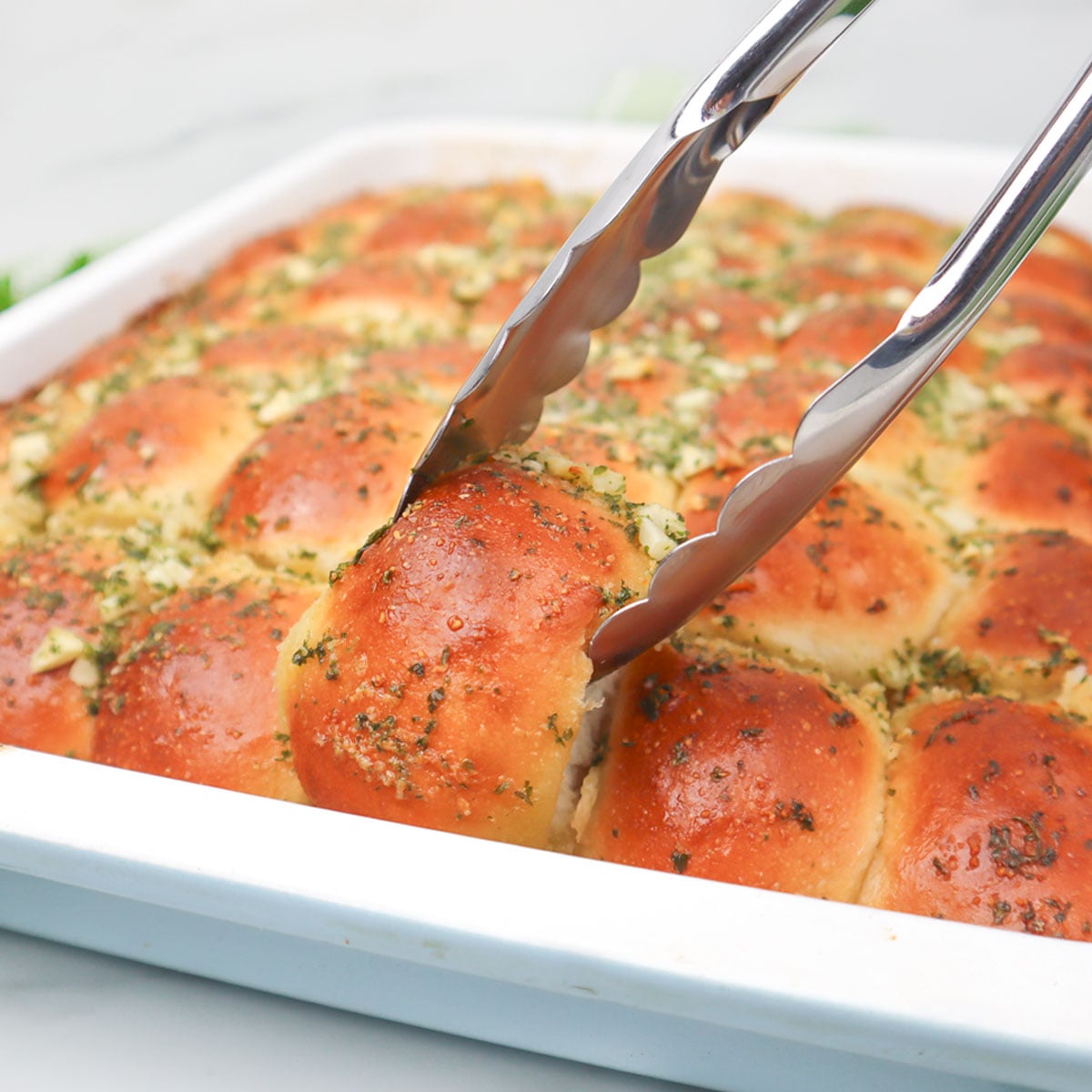
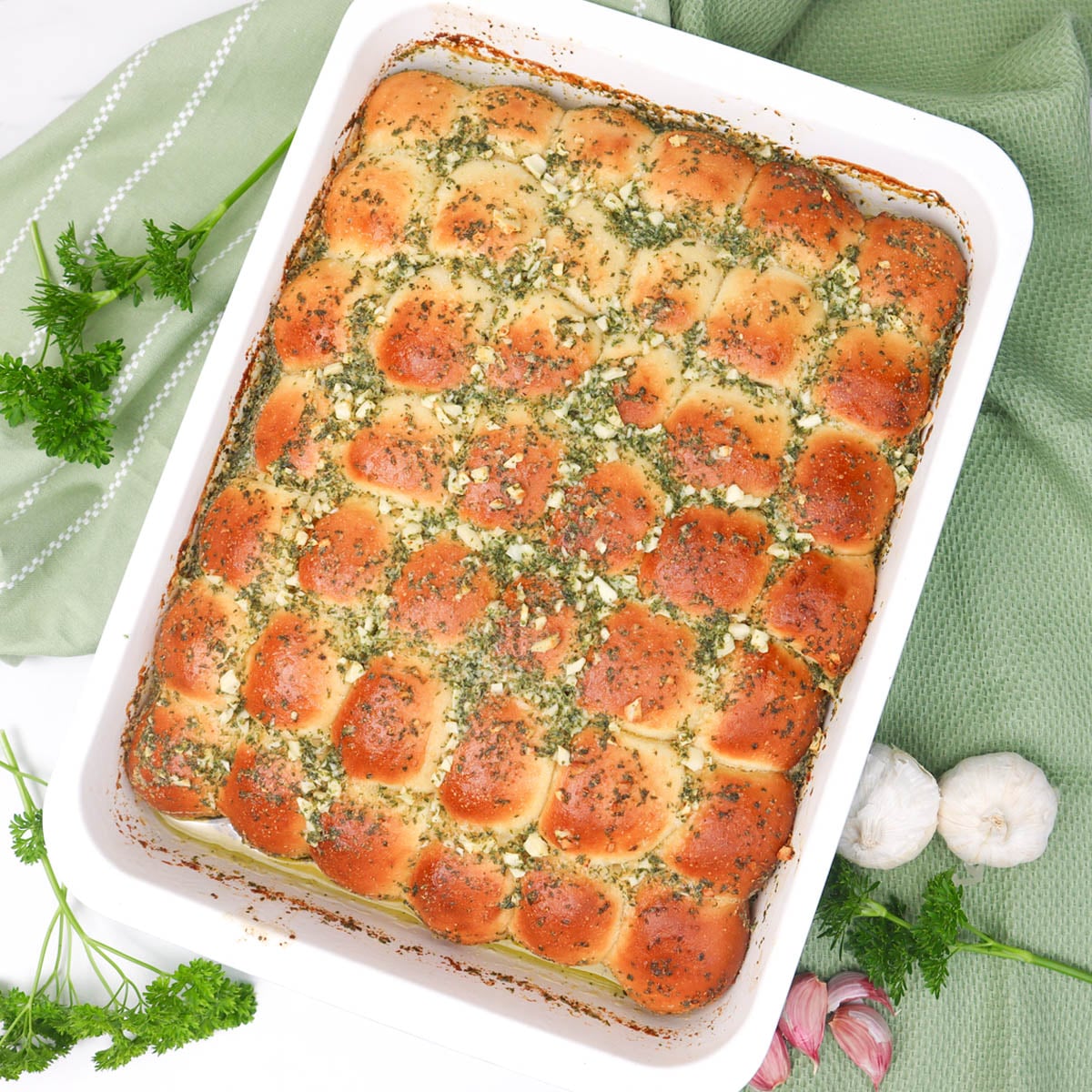
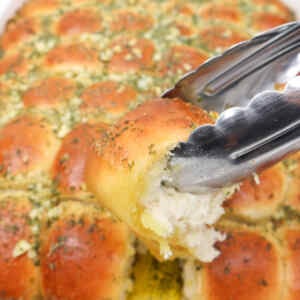
Estas bolitas de masa al ajo son el tipo de receta que preparo cuando quiero una guarnición caliente y mantecosa para un grupo pequeño. La masa queda dorada por fuera y tierna por dentro al hornearse, y después se remata con una sabrosa cobertura de mantequilla de ajo que se funde sobre cada pieza.
Consejos para prepararlas con antelación y congelarlas
Con esta receta salen unas 42 bolitas de masa al ajo, pero puedes reducir fácilmente a la mitad todos los ingredientes si necesitas una tanda más pequeña. Yo suelo preparar la cantidad completa porque son estupendas para dejar comidas preparadas con antelación y, a veces, incluso duplico la receta para tener bolitas de sobra listas para futuras cenas.
Las bolitas de masa también se congelan muy bien. Déjalas enfriar por completo tras el primer horneado y congélalas antes de añadir la mantequilla de ajo. Cuando vayas a servirlas, descongélalas en el frigorífico, añade la cobertura de mantequilla de ajo y hornéalas hasta que estén calientes, doradas y desprendan aroma.
Por qué funciona el horneado en dos fases
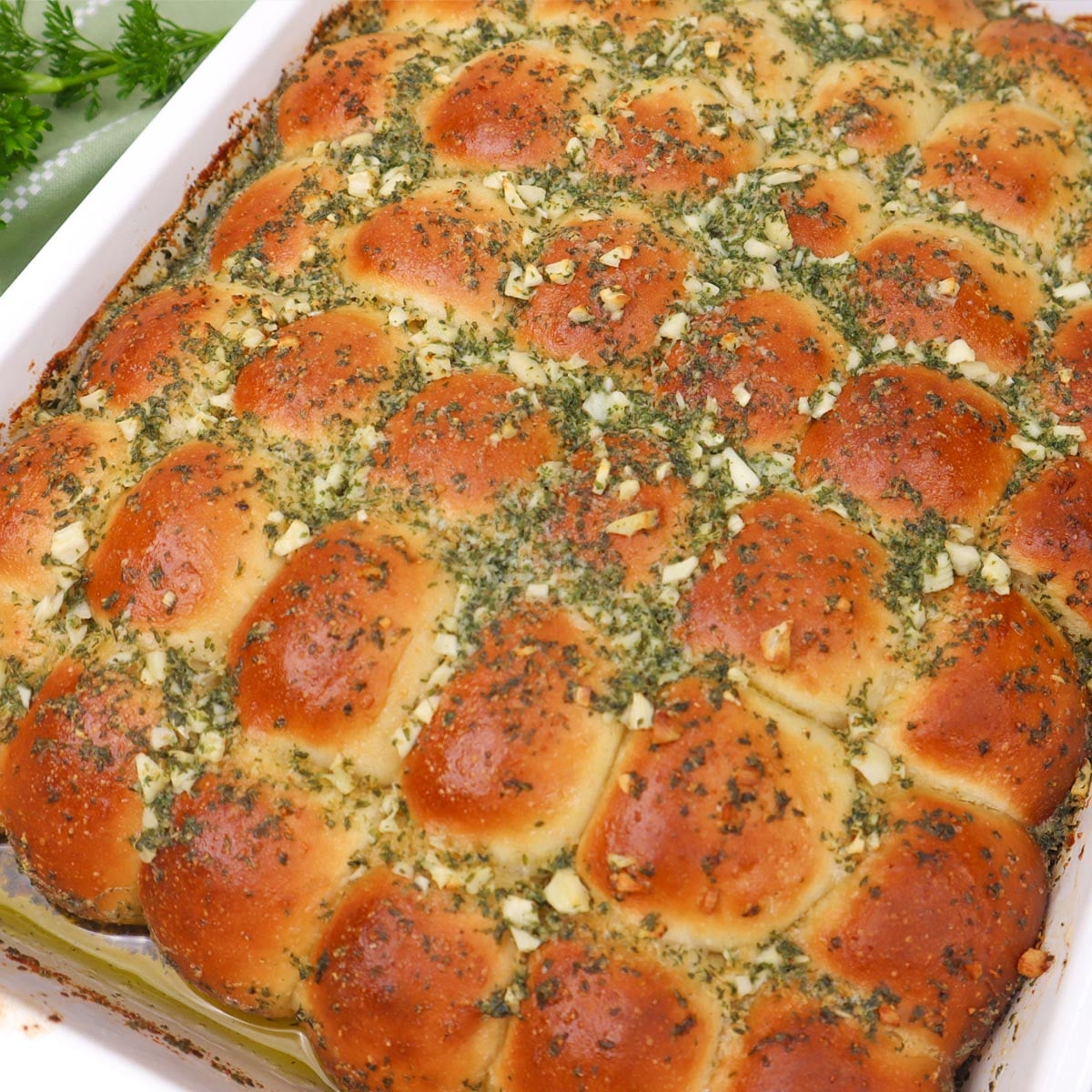
El horneado en dos fases es lo que aporta a estas bolitas de masa al ajo su textura tierna y su sabroso acabado de mantequilla de ajo. Primero se hornean en una bandeja hasta que estén doradas y completamente cocidas. Cuando se hayan enfriado lo suficiente para poder manipularlas, pásalas a una fuente de horno alta, extiende la mantequilla de ajo por encima y vuelve a meterlas en el horno. Los bordes altos mantienen la mantequilla de ajo fundida alrededor de las bolitas en vez de dejar que se derrame fuera de la fuente.
Me encanta servirlas con pizza casera o espaguetis a la boloñesa tradicionales. Son tiernas, sabrosas, fáciles de compartir y perfectas para mojar en la salsa o añadir una guarnición caliente y mantecosa a una comida familiar.
Consejos para una masa tierna y una cobertura mantecosa de ajo
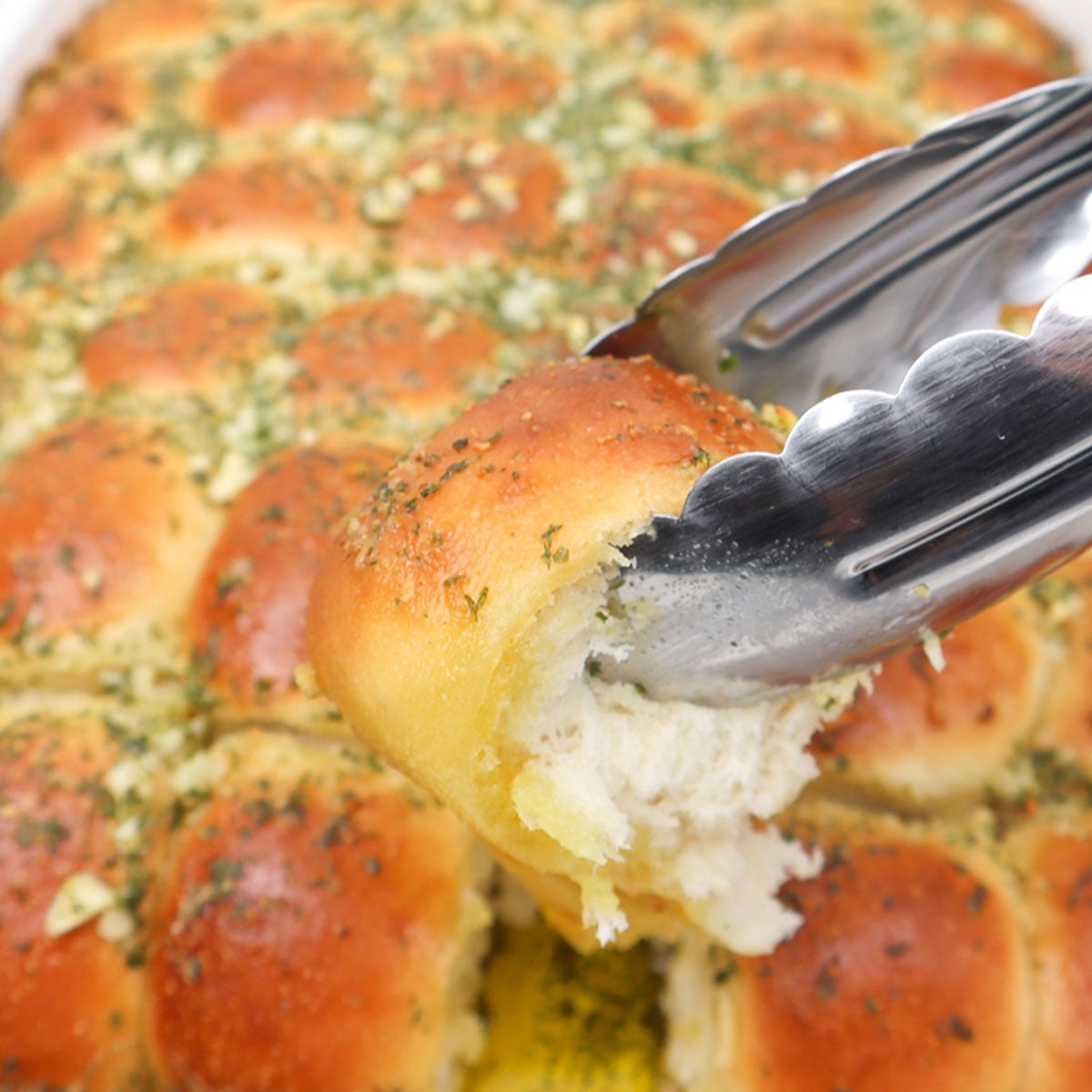
Lo primero que debes vigilar es la mezcla de levadura. Después de dejar reposar juntos el agua templada, la levadura instantánea y el azúcar, la mezcla debe oler ligeramente a levadura y mostrar actividad. Es una señal útil de que se puede continuar preparando la masa.
Añade la harina de fuerza poco a poco mientras el gancho amasador funciona a velocidad baja. La masa debe separarse de las paredes del bol, pero no debe estar seca. Cuando pellizques un trocito y formes una bola, debe notarse tierna y dejar solo un ligero residuo pegajoso en los dedos.
Si la masa está demasiado pegajosa, añade más harina poco a poco. Basta con unas cucharadas cada vez. Demasiada harina puede hacer que las bolitas de masa queden menos tiernas.
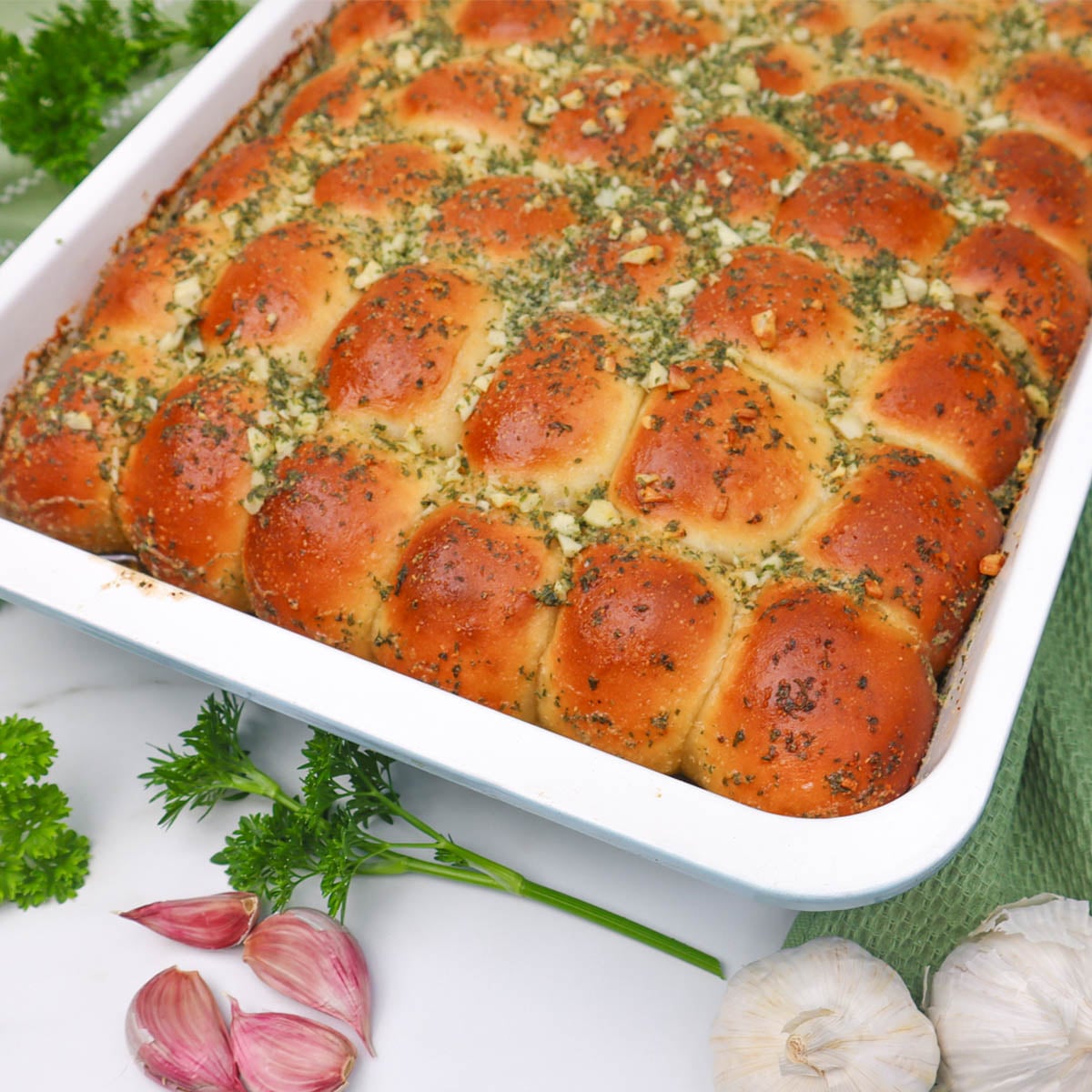
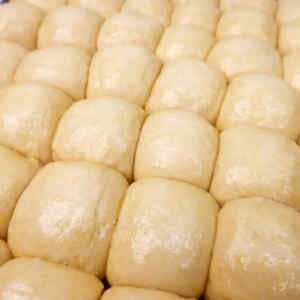
Deja levar las bolitas de masa ya formadas hasta que se vean hinchadas. Esta señal visual es importante porque ayuda a conseguir una textura más ligera después del horneado. Utiliza una báscula de cocina si quieres que las piezas tengan un tamaño más uniforme.
La fuente de horno alta es importante para la cobertura. Mantiene la mantequilla de ajo fundida alrededor de las bolitas de masa en vez de dejar que se salga. Deja enfriar las bolitas horneadas antes de añadir la cobertura para que sea más fácil pasarlas a la fuente y cubrirlas.
Variaciones sencillas
Añadir queso
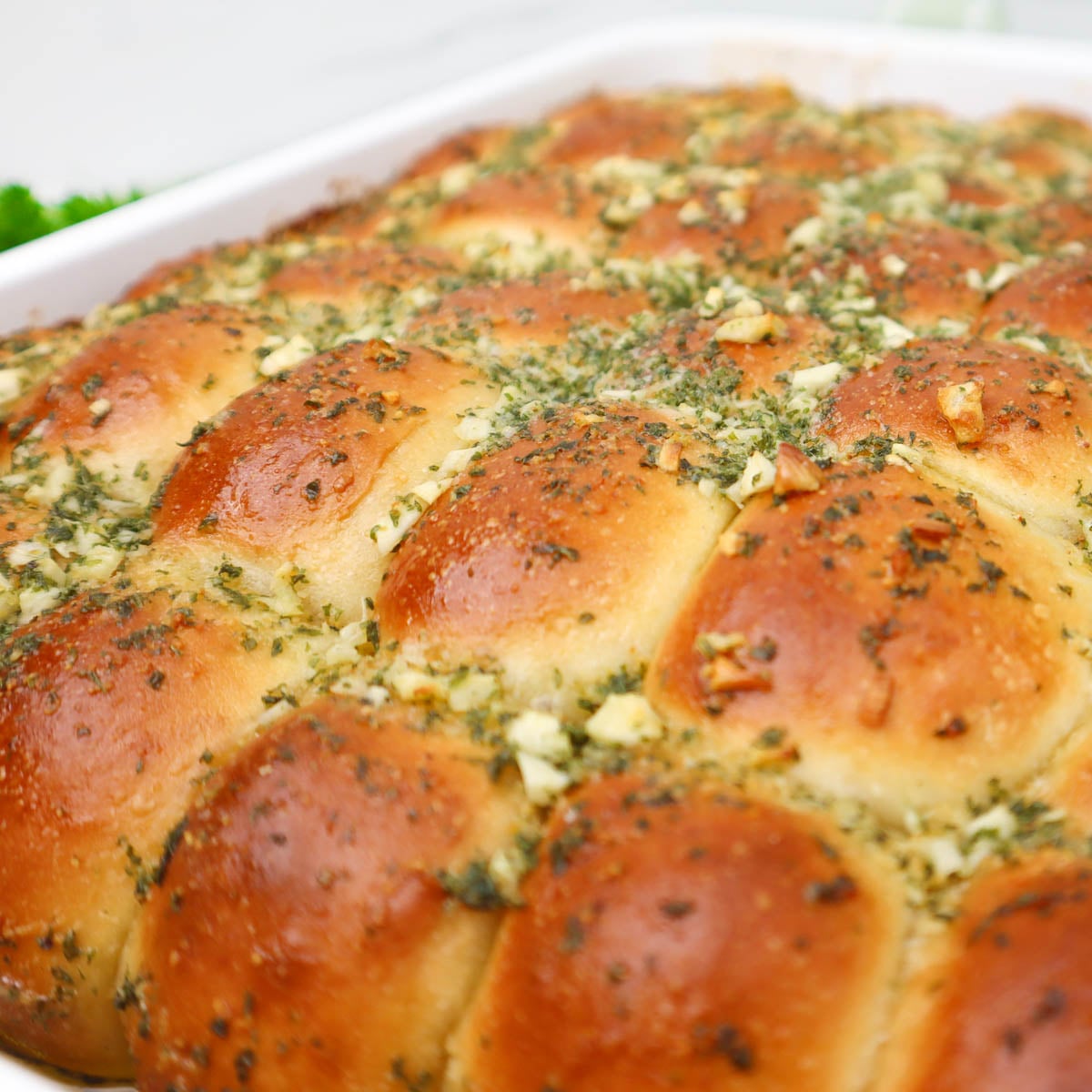
Para preparar bolitas de masa al ajo con queso, introduce un dadito de mozzarella en el centro de cada bolita antes de hornearlas. También puedes espolvorear parmesano rallado sobre la cobertura de mantequilla de ajo antes del horneado final para conseguir un acabado salado y sabroso.
Añadir un toque picante
Mezcla una pizca de copos de guindilla con la cobertura de mantequilla de ajo antes de extenderla sobre las bolitas de masa. Así se añade un picante suave que combina bien con el ajo, el perejil y la sal marina.
Solución de problemas con las bolitas de masa al ajo
Si la masa está demasiado pegajosa, añade harina unas cucharadas cada vez hasta que esté tierna y ligeramente adherente. Si las bolitas se hornean de manera desigual, utiliza una báscula de cocina para que tengan un tamaño parecido. Si no están levando bien, comprueba que la levadura huela activa antes de preparar la masa. Si la mantequilla de ajo empieza a salirse, utiliza una fuente de horno alta. Hornea las bolitas hasta que estén doradas y alcancen una temperatura interna de 190-195°F.
Con qué acompañarlas
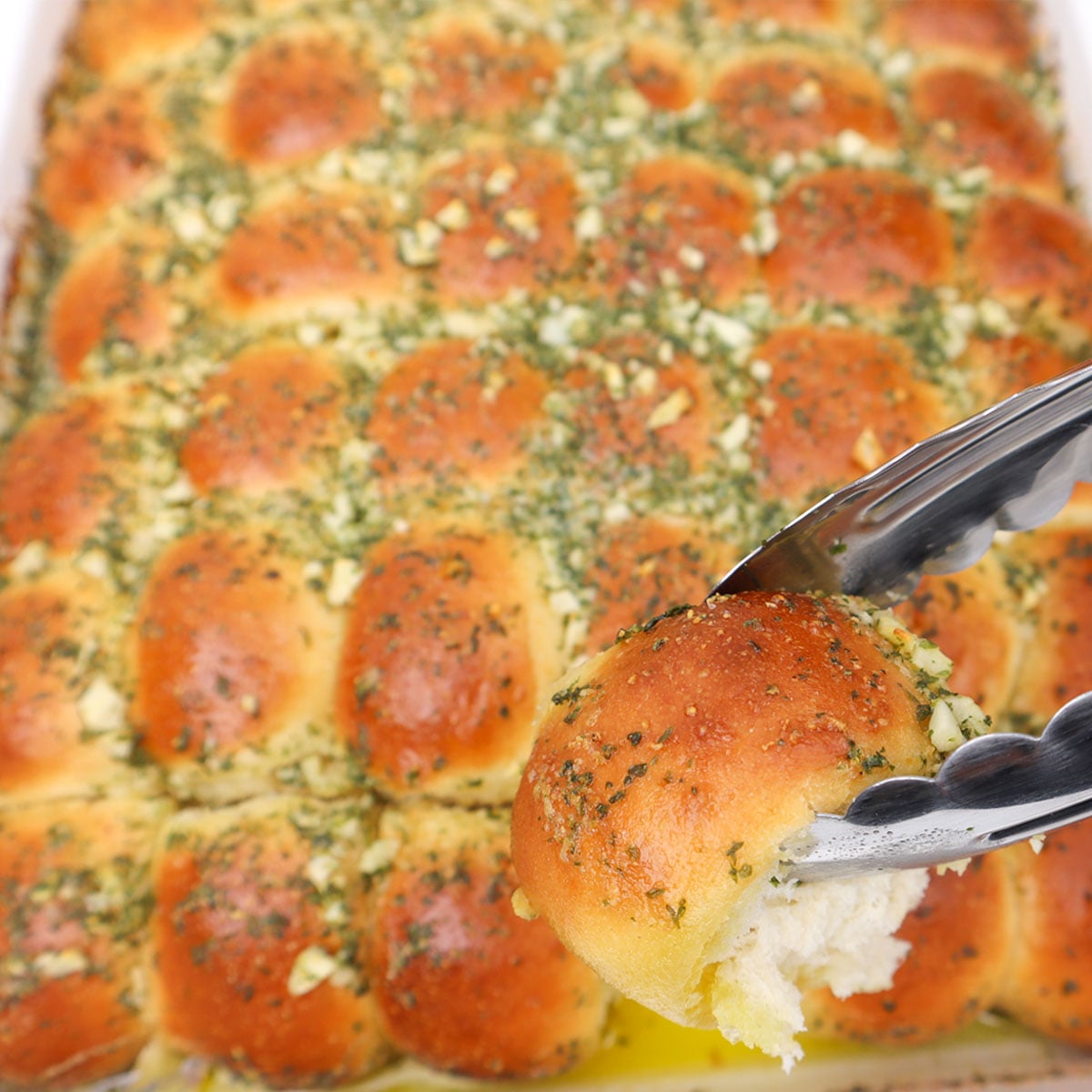
Sirve estas bolitas de masa al ajo calientes, mientras la mantequilla de ajo esté fundida y desprenda aroma. Son perfectas con pizzas caseras, espaguetis a la boloñesa tradicionales o cualquier cena de pasta que necesite una guarnición tierna y mantecosa para mojar en la salsa.
También funcionan estupendamente como aperitivo antes del plato principal. Colócalas en el centro de la mesa mientras aún estén calientes y deja que todos las separen. Están especialmente buenas con una copa de vino blanco fresco.
Bolitas de masa al ajo

Utensilios
- Amasadora (con gancho amasador)
- Báscula de cocina (opcional)
- Paño de cocina limpio o film transparente
- Fuente para hornear con bordes altoso fuente para asar
Ingredientes
Para las bolitas de masa
- 2 tazas de agua templada a unos 100 °F
- 2 cucharadas de levadura instantánea
- ¼ taza de azúcar granulado
- 1 cucharada de sal
- 1 huevo grande ligeramente batido
- ¼ taza de aceite de oliva
- 7 ¾ tazas de harina de fuerza
- 1 grande huevo para pincelar
- 1 chorrito de agua para el huevo batido
Para la cobertura de mantequilla de ajo
- ½ taza de mantequilla sin sal
- 3 dientes de ajo picados
- 1 cucharadita de perejil seco
- 1 cucharadita de ajo en polvo
- ½ cucharadita de sal marina
- 1 cucharada de aceite de oliva
Instrucciones
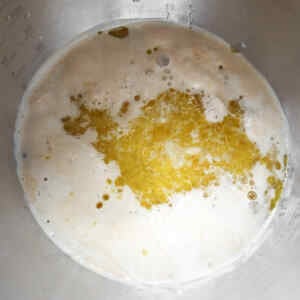
- Añade el agua templada, la levadura instantánea y el azúcar al bol de una amasadora.2 tazas de agua templada, 2 cucharadas de levadura instantánea, ¼ de taza de azúcar granulado

- Deja reposar la mezcla durante unos minutos, hasta que huela ligeramente a levadura y muestre actividad.
- Añade al bol el huevo ligeramente batido, el aceite de oliva y la sal.1 cucharada de sal, 1 huevo grande, ¼ de taza de aceite de oliva
- Con el gancho amasador funcionando a velocidad baja, añade la harina de fuerza, una taza cada vez.7 ¾ tazas de harina de fuerza
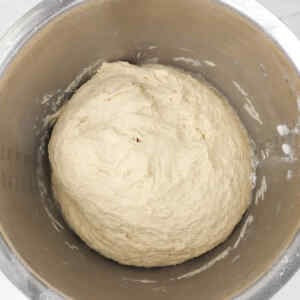
- Sigue mezclando hasta que la masa se despegue de las paredes del bol.
- Pellizca un trocito de masa y forma una bola. Debe notarse tierna y dejar solo un ligero residuo pegajoso en los dedos. Si está demasiado pegajosa, añade un poco más de harina, unas cucharadas cada vez.
- Amasa durante unos 8 minutos, hasta que la masa esté lisa, tierna y ligeramente adherente.
- Deja reposar la masa durante 5 minutos para que se relaje.
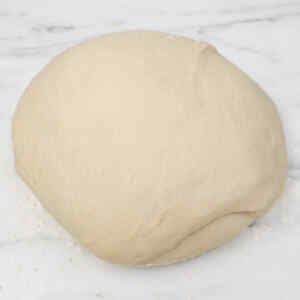
- Enharina ligeramente la superficie de trabajo y vuelca la masa sobre ella.
- Divide la masa en unas 42 piezas iguales, según el tamaño que quieras. Para conseguir bolitas más uniformes, utiliza una báscula de cocina.
- Forma una bola lisa con cada porción llevando los bordes hacia el centro.
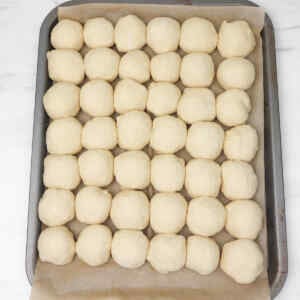
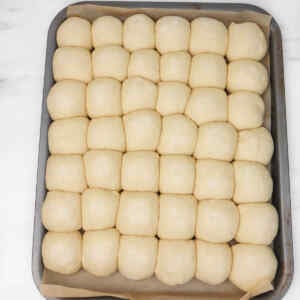
- Coloca las bolitas de masa en una bandeja de horno forrada con papel de horno.
- Cúbrelas con un paño de cocina limpio o film transparente.
- Deja levar las bolitas de masa en un lugar cálido durante unos 30 minutos o hasta que estén hinchadas.
- Precalienta el horno a 400°F / 200°C. Si tu horno calienta mucho, reduce la temperatura a 375°F / 190°C.
- En un bol pequeño, bate el huevo con un chorrito de agua para preparar la mezcla con la que se pincelarán los panecillos.1 huevo grande, 1 chorrito de agua
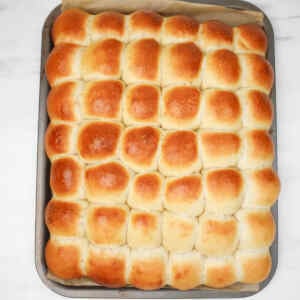
- Pincela ligeramente la parte superior de las bolitas de masa con el huevo batido.
- Hornea durante unos 20 minutos o hasta que estén doradas.
- Cuando estén completamente horneadas, la temperatura interna debe alcanzar 190-195°F.
- Pasa las bolitas de masa a una rejilla y déjalas enfriar antes de añadir la cobertura.
- Vuelve a precalentar el horno a 400°F / 200°C.
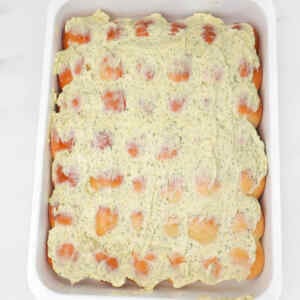
- Pasa las bolitas de masa horneadas a una fuente de horno alta o una fuente para asar. Esto ayuda a evitar que la mantequilla de ajo se salga mientras se hornean.
- En un bol pequeño, mezcla la mantequilla sin sal, el ajo picado, el perejil seco, el ajo en polvo, la sal marina y el aceite de oliva hasta que queden bien integrados.½ taza de mantequilla sin sal, 3 dientes de ajo, 1 cucharadita de perejil seco, 1 cucharadita de ajo en polvo, ½ cucharadita de sal marina, 1 cucharada de aceite de oliva
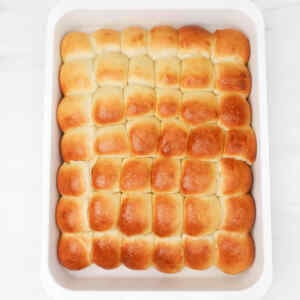
- Extiende la mezcla de mantequilla de ajo sobre las bolitas de masa horneadas.
- Hornea durante 10 minutos, hasta que la mantequilla de ajo se haya fundido sobre las bolitas de masa.
- Sírvelo caliente.
Notas
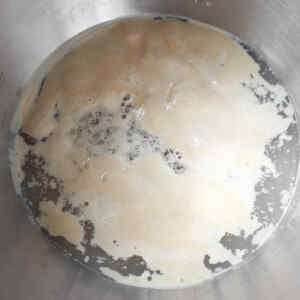
- Comprueba la levadura antes de preparar la masa. Debe oler a levadura y mostrar actividad después de reposar con el agua templada y el azúcar.
- La masa debe estar tierna y ligeramente adherente, no seca. Si es necesario, añade más harina, pero solo unas cucharadas cada vez.
- Utiliza una báscula de cocina si quieres que las bolitas de masa tengan un tamaño uniforme. Esto ayuda a que se horneen al mismo ritmo.
- Deja levar las bolitas de masa hasta que estén hinchadas antes de hornearlas. Así tendrán una textura más tierna.
- Utiliza una fuente alta para hornearlas con la mantequilla de ajo. Ayuda a mantener la mantequilla fundida dentro de la fuente en vez de dejar que se derrame.
- Deja enfriar las bolitas de masa antes de añadir la cobertura para que sea más fácil pasarlas a la fuente y cubrirlas.
- Sirve las bolitas de masa al ajo calientes para disfrutar de la mejor textura y sabor.
Información nutricional
Preguntas frecuentes
¿Puedo preparar la mitad de esta receta de bolitas de masa al ajo?
Sí. Con la receta completa salen unas 42 bolitas de masa, pero puedes reducir a la mitad todos los ingredientes para preparar una tanda más pequeña. Procura que las piezas tengan un tamaño parecido para que se horneen de manera uniforme.
¿Puedo congelar las bolitas de masa al ajo?
Sí. Hornea las bolitas de masa y déjalas enfriar por completo; después, congélalas antes de añadir la mantequilla de ajo. Descongélalas en el frigorífico, añade la cobertura y hornéalas hasta que estén calientes y doradas.
¿Por qué horneo las bolitas de masa antes de añadir la mantequilla de ajo?
Hornear primero las bolitas de masa ayuda a que se cocinen por completo y se doren antes de añadir la cobertura de mantequilla. El segundo horneado funde la mantequilla de ajo sobre las bolitas ya hechas sin humedecer demasiado la masa.
¿Cómo sé si las bolitas de masa están completamente horneadas?
Las bolitas de masa deben estar doradas por fuera. Para comprobarlo con la máxima precisión, la temperatura interna debe alcanzar 190-195°F.
¿Por qué se utiliza una fuente alta para hornearlas con la mantequilla de ajo?
Una fuente de horno alta o una fuente para asar ayuda a mantener la mantequilla de ajo fundida alrededor de las bolitas de masa. Así se evita que la mantequilla se salga de la fuente mientras se hornean.
¿Cómo debo conservar las bolitas de masa al ajo sobrantes?
Deja enfriar las bolitas de masa, pásalas a un recipiente hermético y refrigéralas cuanto antes. Consume las sobras refrigeradas en un plazo de tres a cuatro días y recalienta únicamente la cantidad que vayas a servir.
¿Las bolitas de masa al ajo son lo mismo que los nudos de ajo?
Utilizan muchos de los mismos ingredientes, pero las bolitas de masa al ajo se forman como bocaditos de pan redondos en vez de anudarse. Esta receta también utiliza un segundo horneado para fundir la mantequilla de ajo sobre el pan ya hecho.


