Índice
Un producto básico de la despensa que probablemente nunca hayas notado
Está presente en aderezos para ensaladas, salsas, productos horneados sin gluten e incluso en la pasta de dientes. Y, sin embargo, la mayoría de la gente nunca ha oído hablar de ella. La primera vez que me topé con la goma xantana fue mientras horneaba un producto sin gluten. pan de plátano, Confieso que tuve que buscarlo. ¿Qué es la goma xantana? Resulta que es un aditivo alimentario común derivado de azúcares simples y muy apreciado tanto por científicos de la alimentación como por cocineros caseros por sus impresionantes propiedades espesantes y estabilizantes.

Cómo se fabrica la goma xantana
El proceso de producción de la goma xantana se asemeja más a un laboratorio que a una granja. Comienza con la fermentación de azúcar (generalmente de maíz, trigo o soja) mediante una bacteria llamada Xanthomonas campestris. Esta bacteria crea una sustancia pegajosa y gomosa que luego se seca y se muele hasta obtener el fino polvo blanco que vemos en los supermercados. Si bien se produce industrialmente, generalmente se considera segura y está aprobada por organismos reguladores de alimentos de todo el mundo.


¿Por qué está presente en tantos alimentos?
Si alguna vez te has preguntado por qué ciertas salsas se mantienen perfectamente suaves o por qué los panes sin gluten no se deshacen, es probable que la goma xantana tenga algo que ver. Retiene la humedad y proporciona elasticidad y estructura en ausencia de gluten. También evita la separación en emulsiones como las vinagretas y ayuda a que los alimentos congelados mantengan su textura durante los cambios de temperatura. Con una pequeña cantidad es suficiente: solo media cucharadita puede transformar una receta entera.

Uso de goma xantana en casa
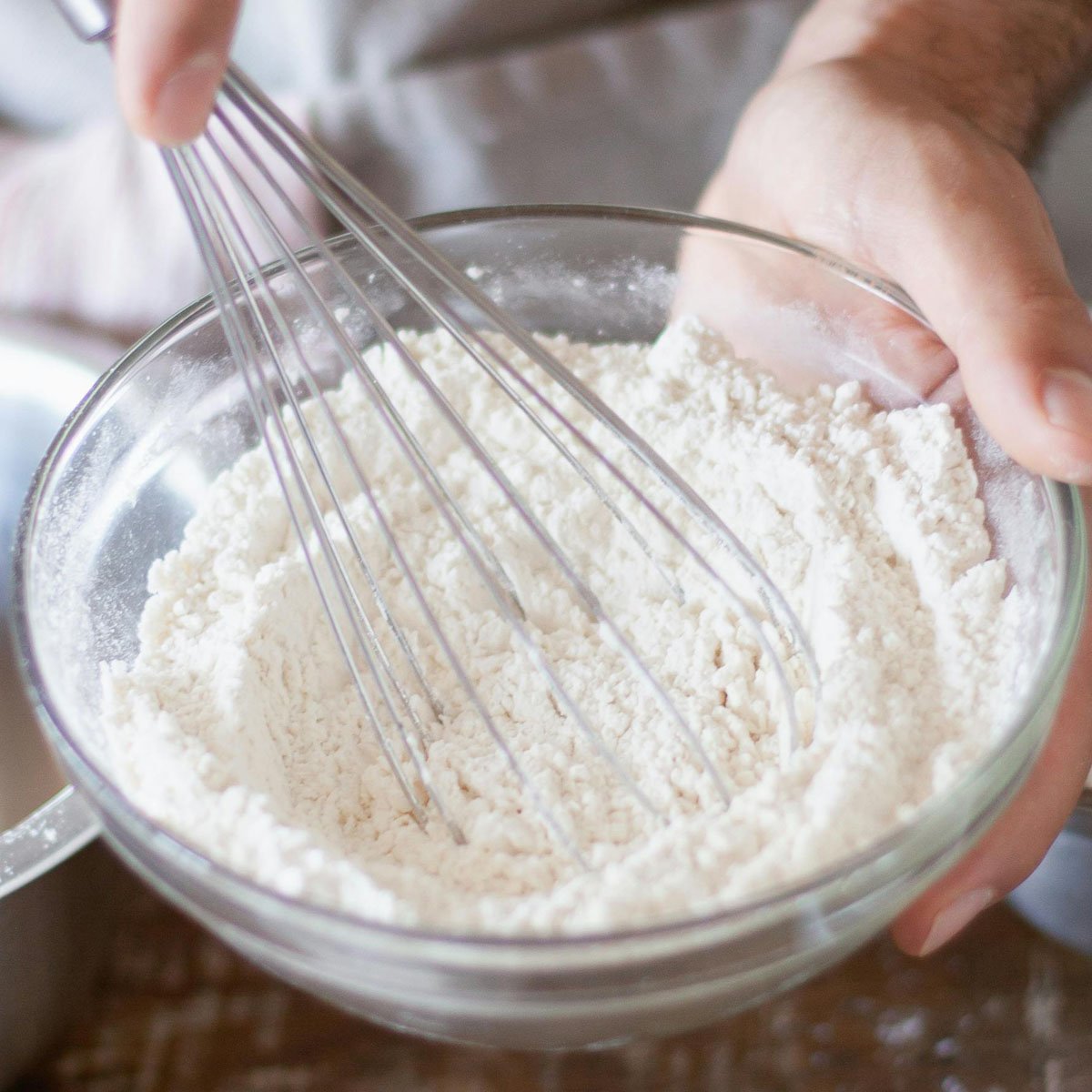
Los cocineros caseros suelen encontrarse con la goma xantana al adentrarse en la repostería sin gluten o vegana. Ahora guardo un pequeño frasco en la despensa para cuando experimento con brownies sin harina o intento replicar la textura masticable de las galletas clásicas. La clave está en la moderación: si se usa en exceso, la comida puede quedar demasiado pegajosa. Es mejor añadirla a los ingredientes secos antes de mezclarlos, y siempre batir o licuar bien para evitar grumos.
¿En qué puedes usar la goma xantana?
La goma xantana es increíblemente versátil y se utiliza en una gran variedad de recetas, especialmente en aquellas que necesitan mejorar la textura o la estructura. Tanto si cocinas sin gluten como si simplemente quieres salsas más suaves, es un ingrediente básico muy útil en la despensa. Aquí te mostramos algunos usos populares:
- Horneado sin gluten - Ayuda a imitar la estructura que proporciona el gluten en panes, galletas y pasteles.
- Aderezos para ensaladas - Conserva el aceite y vinagre de separarse.
- batidos - Aporta cremosidad sin necesidad de añadir lácteos ni plátano.
- Salsas y salsas - Espesa sin grumos y sin necesidad de añadir harina ni maicena.
- Helado - Previene la formación de cristales de hielo y mejora la textura.
- Recetas bajas en carbohidratos - Actúa como aglutinante o espesante cuando no se utilizan almidones tradicionales.
¡Un poco rinde mucho, así que comience con poco y ajuste según sea necesario!
Cómo almacenar la goma xantana
Para mantener la goma xantana fresca y eficaz, guárdela en un recipiente hermético en un lugar fresco y seco, alejado de la humedad y la luz solar directa. La despensa o un armario son ideales, siempre y cuando no esté cerca de la estufa ni del lavavajillas, ya que el calor y la humedad pueden deteriorarla. Si bien la goma xantana tiene una larga vida útil, compruebe que no se apelmace ni desprenda olores extraños si ha estado almacenada durante un tiempo. Si se almacena correctamente, puede durar varios años sin perder su poder espesante.
Dónde comprar
La goma xantana se encuentra fácilmente en la sección de repostería de la mayoría de los supermercados, especialmente en la sección de productos sin gluten. También es fácil de encontrar en línea. Tiene una larga vida útil, lo que la convierte en un ingrediente práctico para usar ocasionalmente sin desperdiciar producto.
¿Quieres saber más?
Siga con nosotros redes sociales, Para consejos útiles de cocina, inspiración para recetas sin gluten y artículos destacados sobre ingredientes como este. Estamos aquí para que cocinar sea más inteligente, más sencillo e incluso un poco más científico.