


Inhaltsverzeichnis
- Quick Shot-Messwertkonverter
- Wie die Prohibition den amerikanischen 1,5-Unzen-Standard festigte
- Die Proportionen beherrschen: Warum 1,5 Unzen für klassische Rezepte entscheidend sind
- Von Wein bis Whisky: Das universelle Standardgetränk verstehen
- Warum wir es einen ‘Schuss' nennen: Legenden, Mythen und wahre Ursprünge
- Die richtige Größe für Ihr Schnapsglas: Von Standard bis Spezial
- Internationaler Shot-Leitfaden: Vergleich der Gießgrößen auf der ganzen Welt
- Internationaler Schussmaßrechner
Wenn Sie zu Hause Cocktails mixen oder einen an der Bar bestellen, werden Sie feststellen, dass in den Vereinigten Staaten ein Standard Schuss von Alkohol ist in der Regel 1,5 Flüssigunzen (um 44 MilliliterBarkeeper messen dies oft mit einem Jigger ab, und es ist die Grundlage für ein “Standardgetränk”, wenn man den Alkoholgehalt in Rezepten oder Portionen angibt. Egal, ob Sie einen Whiskey pur oder einen Wodka-Shot einschenken, rechnen Sie mit etwa 45 ml in dem kleinen Glas.

Natürlich sind die Portionsgrößen nicht überall gleich. Es gibt keine allgemeingültige Regel, und selbst in US-amerikanischen Bars wird manchmal etwas mehr oder weniger ausgeschenkt. So sieht es aus, wenn man reist oder Rezepte aus anderen Ländern befolgt:
- Vereinigte Staaten: ~1,5 oz (44 ml) ist am häufigsten. Einige Bars verwenden 1,25 Unzen oder gehen Sie bis zu 2 Unzen Für eine größere Menge können Sie die Menge anpassen, aber 1,5 oz (ca. 44 ml) ist der Standard, den Sie in den meisten Rezepten und Messbechern finden. Viele hier verkaufte Schnapsgläser fassen genau 1,5 oz, sodass Sie die Menge nach Augenmaß abmessen können.
- Vereinigtes Königreich: Laut Gesetz gießen Pubs 25 ml (0,85 oz) oder 35 ml Ein britischer Espresso (1,2 oz) wird nach Wahl des Barkeepers serviert. Ein “doppelter” Espresso entspricht in der Regel 50 ml (1,7 oz), wenn 25-ml-Shots verwendet werden, oder 70 ml (2,4 oz), wenn 35-ml-Shots serviert werden. Kurz gesagt: Ein britischer Espresso wirkt oft kleiner als ein amerikanischer.
- Kanada: Die meisten kanadischen Barren entsprechen denen der USA bei 1,5 Unzen (43 ml) für einen Schuss. Einige Provinzen verwenden 1 Unze (28 ml) als Basis, insbesondere in Cocktails, aber 1,5 oz sind die richtige Menge für ein Standardgetränk.
- Australien: In Australien ist ein einzelner Schuss – genannt “Nip” – 30 ml (ca. 1,0 oz). Das entspricht dem australischen Standardgetränk von 30 ml Spirituosen der Klasse 40%, daher gehen Rezepte dort oft von 30 ml pro Schluck aus.
- Europa (allgemein): In den meisten europäischen Bars ist alles metrisch:
20 ml in Italien (oft für Grappa oder einen „doppio“ mit 40 ml),
40 ml in Deutschland und Polen,
50 ml in Russland und Bulgarien (ein kräftiger Guss),
und Skandinavien verwendet typischerweise 40 ml (~1,35 oz). Kurz gesagt, ein europäischer „Shot“ kann je nach Standort zwischen 20 ml und 50 ml enthalten.
Aufgrund dieser Unterschiede sollten Sie, wenn Sie ein internationales Cocktailrezept befolgen oder auf Reisen sind, genau prüfen, was “1 Shot” in diesem Kontext bedeutet: Ein Londoner Barkeeper erwartet möglicherweise 25 ml, während ein New Yorker Barkeeper von 1,5 oz (44 ml) ausgeht.
Quick Shot-Messwertkonverter
Äquivalente Maße:
| Einheit | Wert |
|---|---|
| Unzen | - |
| Milliliter | - |
Wie die Prohibition den amerikanischen 1,5-Unzen-Standard festigte
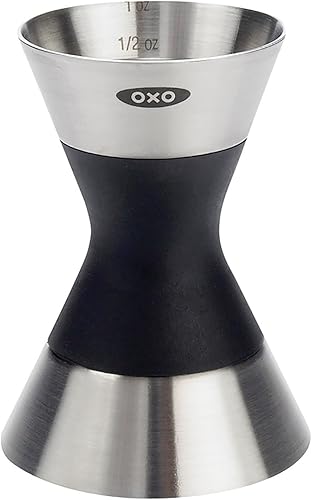
In den USA 1,5 Unzen Maß ergibt sich aus der Verwendung eines zweiseitigen Messbecher: Die größere Seite ist 1,5 oz und die kleinere Seite (das „Pony“) ist 1 oz. Bereits im 19. Jahrhundert bezeichnete „Jigger“ etwa 1,5 oz Alkohol; dies ist möglicherweise Seemannsjargon oder leitet sich von „Dingsbums“ ab. Nach der Prohibition standardisierten Bars Schnapsgläser und Jigger, wodurch 1,5 oz zur küchen- und barfreundlichen Norm wurde.
In der Blütezeit der Cocktails (Ende des 19. bis Anfang des 20. Jahrhunderts) sprachen Barkeeper von einem “Jigger Gin” (44 ml) oder einem “Pony Brandy” (30 ml). Auch heute noch verwenden Mixologie-Ratgeber und Rezeptbücher diese Maßeinheiten: Die meisten Cocktailrezepte geben die Zutaten in Unzen an, und ein “Shot” entspricht in der Regel 44 ml, sofern nicht anders angegeben.
Anders als beim Bier, dessen Standardgröße weitgehend konstant bleibt (wenn auch mit Unterschieden zwischen US-amerikanischen und britischen Maßeinheiten), gab es nie eine weltweit einheitliche Vorgabe für die Größe eines Schnapsglases. Lokale Trinkgewohnheiten und die Richtlinien der Gesundheitsbehörden prägten die jeweilige Portionsgröße. In den USA gelten 44 ml Spirituosen mit 40,13 µg Alkoholgehalt als Standardgetränk. In Australien bevorzugten die Gesundheitsbehörden hingegen 30 ml als Standardgetränk. In jeder Region können die Portionsgrößen angepasst werden, um übermäßiges Servieren zu verhindern.


Die Proportionen beherrschen: Warum 1,5 Unzen für klassische Rezepte entscheidend sind
Zu wissen, wie viel Tequila in einem Shot genau benötigt wird, ist für ausgewogene Drinks unerlässlich. Wenn in einem Margarita-Rezept “1 Shot Tequila” angegeben ist und Sie 1,5 oz (ca. 45 ml) einschenken, erhalten Sie das gewünschte Geschmacksprofil. Gießen Sie versehentlich nur 1 oz (ca. 30 ml) ein, wird der Cocktail schwächer. Umgekehrt macht ein Einschenken von 2 oz (ca. 60 ml) den Drink deutlich stärker.
Beim Barkeeping ist es wichtig, Wissenschaft und Kunst zu vereinen – präzise Verhältnisse sind entscheidend, wenn man nur mit wenigen Zutaten arbeitet. Professionelle Barkeeper verwenden Jigger mit klaren Markierungen, um bei jedem Ausgießen ein gleichbleibendes Ergebnis zu erzielen. Standardguss Ein purer Whiskey entspricht in den USA üblicherweise 1,5 oz (ca. 44 ml), während ein “Whiskey Pot” auf Eis 2 oz (ca. 60 ml) oder mehr enthalten kann, wenn man eine kräftigere Portion bevorzugt. Dieses Wissen ist auch beim Lesen von Cocktailkarten hilfreich, denn bestellt man einen Whiskey Pur „Double“, kann man mit etwa 3 oz (ca. 90 ml) rechnen (zwei Shots à 1,5 oz), sofern die Bar nichts anderes angibt.
Für zu Hause empfiehlt sich ein Messbecher oder ein Schnapsglas mit Unzenmarkierungen. Wenn in einem Kochbuch oder auf einer Website “1 Shot” steht, sind damit fast immer 1,5 Unzen gemeint, sofern keine andere Maßeinheit angegeben ist. Manche Rezeptautoren schreiben es zur Sicherheit aus: “1 Shot = 1,5 Unzen”.”

Von Wein bis Whisky: Das universelle Standardgetränk verstehen
Aus gesundheitlicher Sicht ist das Verständnis einer „Standardgetränk“ ist hilfreich. In den USA entspricht ein Standardgetränk (Standard Drink) Spirituosen mit 44 ml (1,5 fl oz) Alkoholgehalt (40,13 vol.). Das ist ungefähr die gleiche Menge reinen Alkohols (rund 14 Gramm) wie in einem 150-ml-Glas Wein oder einem 350-ml-Bier. Wenn Sie also Ihren Alkoholkonsum erfassen, zählt jeder 44-ml-Shot als ein Getränk. Vier Shots in kurzer Zeit entsprechen vier Standardgetränken – genug, um den Blutalkoholspiegel schnell ansteigen zu lassen. Daher betonen Gesundheitsbehörden, wie wichtig Mäßigung und ein kontrolliertes Trinktempo sind.
Andere Länder definieren ein Standardgetränk je nach lokaler Maßeinheit anders. In Großbritannien entspricht eine „Unit“ 10 ml reinem Alkohol. Ein 25-ml-Shot 40% entspricht also einer Unit. In Australien entspricht ein Standardgetränk 30 ml 40%. In jeder Region folgen Bars und Rezepte diesen Richtlinien, um Gästen und Hobby-Barkeepern eine einheitliche Dosierung zu ermöglichen.
Warum wir es einen ‘Schuss' nennen: Legenden, Mythen und wahre Ursprünge
Der Begriff “Shot” für einen kleinen Schluck Alkohol ist mit einigen Legenden umwoben. Eine Geschichte aus dem Wilden Westen besagt, dass ein Whiskey damals so viel kostete wie ein Schuss Munition (eine Kugel), wenn man knapp bei Kasse war – daher der Ausdruck “Shot”. So charmant diese Geschichte auch ist, gibt es kaum Beweise dafür. Wahrscheinlicher ist, dass “Shot” als kleine Dosis von einer älteren Bedeutung des Wortes “Shot” stammt, die eine geringe Menge (wie eine medizinische Spritze) bezeichnete. Ende des 19. Jahrhunderts erwähnten Zeitungen gelegentlich “Lasst uns einen Shot vom alten Roggen trinken”, sodass die Redewendung für einen schnellen Schluck bereits gebräuchlich war.
Sie werden auch das Wort sehen Pony bedeutet 1 oz. Ein „Pony Shot“ ist einfach eine Unze. Ein „Double“ bedeutet typischerweise zwei Shots, also etwa 3 oz in den USA. Und die altmodische Kieme (ausgesprochen „Jil“) entspricht 4 oz (~118 ml), wird aber in Bars kaum noch verwendet.
Die richtige Größe für Ihr Schnapsglas: Von Standard bis Spezial
Schnapsgläser gibt es in allen möglichen Formen und Größen. Ein typisches US-Schnapsglas fasst etwa 45 bis 60 ml, oft mit etwas mehr Platz, sodass man es bis zur 45-ml-Markierung füllen kann, ohne etwas zu verschütten. Hohe, schlanke Schnapsgläser (manchmal auch “Shooter” genannt) fassen 60 ml oder mehr und eignen sich perfekt für geschichtete Shots oder Partydrinks. In Europa findet man Gläser mit Zentiliter-Markierungen (z. B. 2 cl oder 4 cl), um den gesetzlichen Ausschankvorschriften zu entsprechen. Interessant: Der Guinness-Weltrekord für die größte Schnapsglassammlung umfasst viele Werbegläser, deren Volumen sich tatsächlich um einige Milliliter unterscheidet.
Wenn in einem Cocktailrezept “1 Shot” steht (wie bei einem B-52 oder Jägerbomb), gehen die meisten Barkeeper von 44 ml aus. Manche Party-Shots sind kleiner (z. B. 30 ml), um den Alkoholgehalt etwas zu reduzieren. Wenn Freunde deinen Drink mixen, ist es immer ratsam, nachzufragen, welche “Shot”-Angabe sie verwenden – besonders, wenn du eine präzise Geschmacksbalance anstrebst.

Internationaler Shot-Leitfaden: Vergleich der Gießgrößen auf der ganzen Welt
Um die weltweit üblichen Schussgrößen noch einmal zusammenzufassen:
- 1 Schuss (USA) = 1,5 fl oz
- 1 Schuss (UK) = 0,85 fl oz (25 ml) oder 1,2 fl oz (35 ml), je nach Veranstaltungsort
- 1 Schuss (EU) = variiert: oft 20 ml, 30 ml, 40 ml oder 50 ml
- 1 Schuss (Australien) = 1,0 fl oz (30 ml)
- 1 Schuss (Deutschland/Skandinavien) = ~40 ml
- 1 Schuss (Osteuropa/Russland) = ~1,7 fl oz (50 ml)
Egal, wo Sie einen Shot einschenken oder bestellen, Sie werden überrascht sein, wie klein oder großzügig er im Vergleich zu Ihrer Hausbar ist. Ein amerikanischer Reisender in London könnte sein Getränk als schwächer empfinden, da ein britischer Shot 25 ml (0,85 oz) statt 44 ml (1,5 oz) enthalten kann. Umgekehrt kann ein Besuch in Osteuropa bedeuten, dass Sie einen kräftigen 50-ml-Shot (1,7 oz) bestellen, was den Geschmack von Cocktails und die Geschwindigkeit, mit der Sie den Rausch verspüren, verändert.
Internationaler Schussmaßrechner
Äquivalenter Gesamtbetrag:
| Anzahl der Schüsse | Gesamt (ml) | Gesamt (fl oz) |
|---|---|---|
| - | - | - |
Zusammenfassend ist der „Standard“-Schlag in den Vereinigten Staaten 1,5 Unzen, Und genau dieses Maß verwenden die meisten Rezepte und Barkeeper, sofern nicht anders angegeben. Egal, ob Sie zu Hause Drinks mixen, ein Rezept eines Londoner Mixologen befolgen oder in Mexiko Tequila genießen – zu wissen, wie viele Unzen ein Shot hat, sorgt dafür, dass Ihre Cocktails genauso gelingen, wie Sie es sich vorstellen. Und denken Sie daran: Egal wo Sie ihn servieren, ein Shot bringt Menschen immer zusammen – bei guten Drinks und in geselliger Runde. Folgen Sie uns auf sozialen Medien, Weitere Tipps, Tricks zum Einschenken und Mixologie-Know-how finden Sie hier. Und verpassen Sie nicht unsere köstliche Auswahl an Cocktailrezepte um Ihre Fähigkeiten beim Einschenken von Shots auf die Probe zu stellen.


