


Table of Contents
- How to Get Tender, Crisp Scottish Shortbread
- Press the dough firmly into the pan
- Watch the color and slice while warm
- Scottish Shortbread Variations
- Add lemon zest
- Add mini chocolate chips
- Troubleshooting
- The dough is difficult to press into the pan
- The shortbread breaks while slicing
- Pairing Suggestions
- Frequently Asked Questions
- What makes Scottish shortbread different from regular cookies?
- How do I know when Scottish shortbread is done baking?
- Should I cut Scottish shortbread while it is warm or cold?
- What should I do if my shortbread sticks in the pan?
- How long does homemade shortbread keep, and can I freeze it?
- Do I need a shortbread mold to make Scottish shortbread?
- Should I prick or score Scottish shortbread before baking?
- Why is my shortbread hard instead of tender and crumbly?
- Jump to Recipe
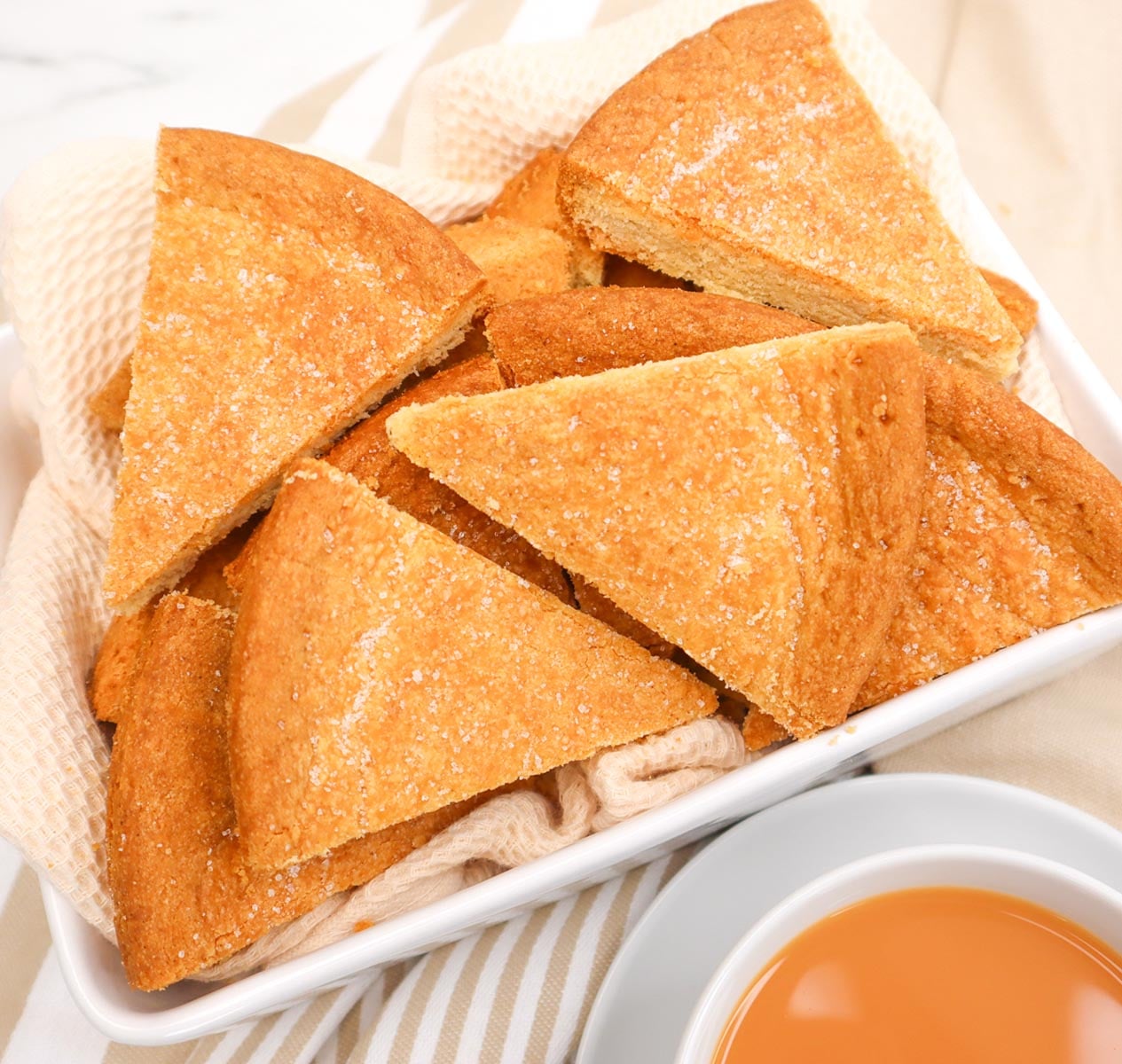
There is something wonderfully comforting about making homemade shortbread. With just a handful of pantry staples, this recipe bakes into buttery cookies with a delicate crumb, lightly crisp edges, and a sweet finish from the sprinkle of granulated sugar. It is simple baking at its best.
I originally borrowed my mum's shortbread mold, but I could never get the baked shortbread to release cleanly. It kept sticking, no matter how carefully I tried to remove it. I switched to an 8-inch round cake pan lined with parchment paper, and it has worked perfectly every time. It is now my favorite way to bake this recipe because the shortbread lifts out easily and slices beautifully.
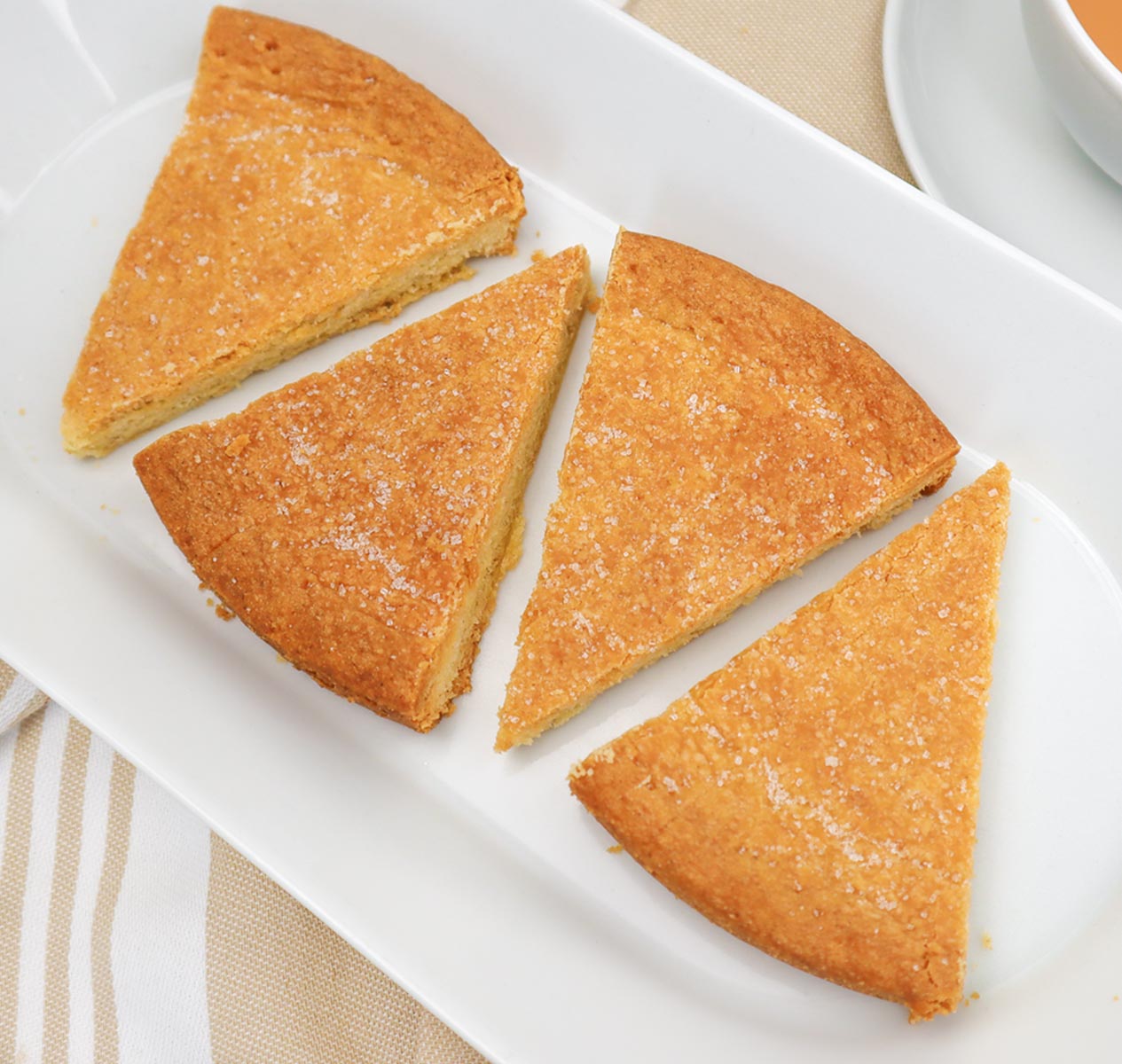
Whether you use a traditional mold or a simple cake pan, the dough comes together quickly with just flour, butter, confectioners' sugar, and a little vanilla or almond extract. The buttery aroma fills the kitchen as it bakes, and the finished shortbread has a tender texture that gently melts with each bite. One tip I always follow is using room temperature butter, which makes the dough much easier to mix and press evenly into the pan.
How to Get Tender, Crisp Scottish Shortbread
Press the dough firmly into the pan
Once the dough has clumped together with no dry flour remaining, press it firmly and evenly into the pan. If you are using a shortbread mold, packing the dough well helps the decorative pattern bake more clearly. An offset spatula smooths the surface, and covering the dough with plastic wrap before gently pressing with your hand creates an even neater finish without sticking.
Watch the color and slice while warm
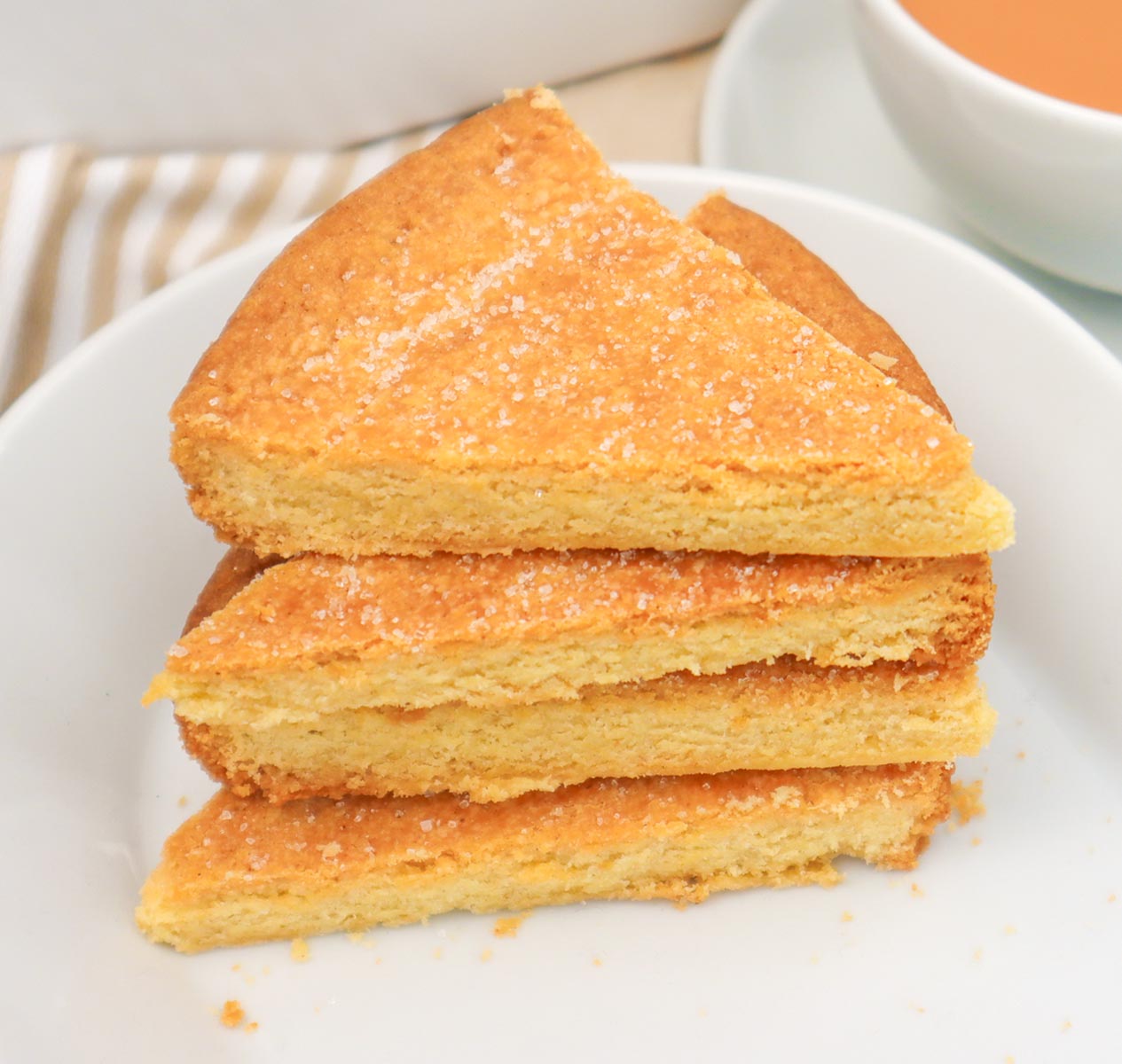
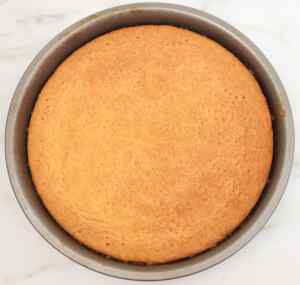
Bake the shortbread until the edges are just beginning to turn golden. If the center still looks shiny, return it to the oven for a few more minutes. The color gives you a good indication of the finished texture. A paler bake produces a softer shortbread, while a deeper golden color creates a crunchier bite.
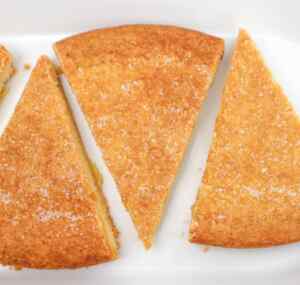
After baking, let the shortbread cool in the pan for about 10 minutes before removing it. Sprinkle it with granulated sugar while it is still warm, then slice it before it cools completely. Cutting it while it is still soft helps create clean, neat pieces without cracking.
Scottish Shortbread Variations
Add lemon zest
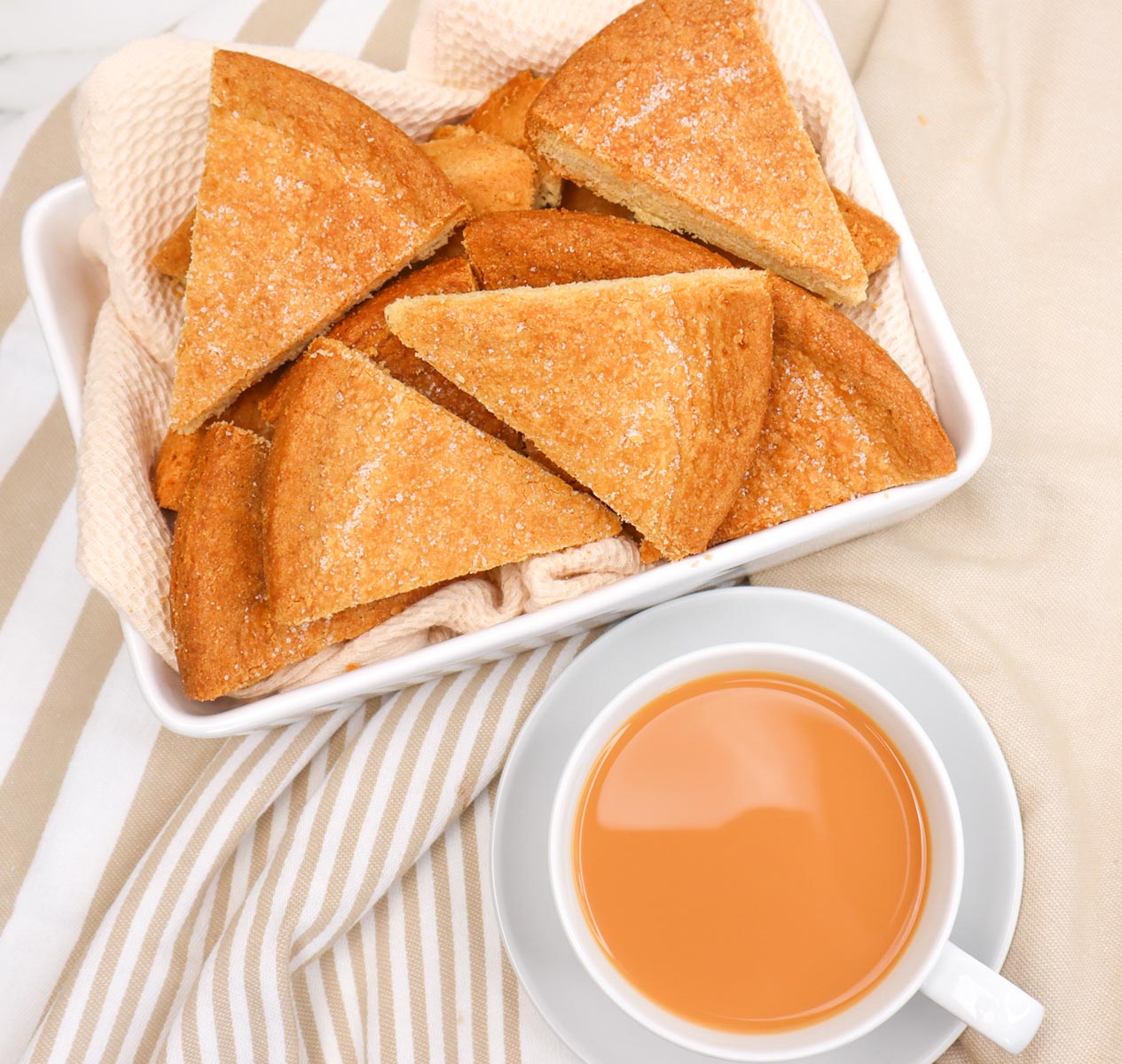
Mix a little finely grated lemon zest into the dough for a brighter, citrusy flavor. Keep the rest of the method the same.
Add mini chocolate chips
Fold a small handful of mini chocolate chips into the finished dough before pressing it into the pan. Distribute them evenly so each slice contains a little chocolate.
Troubleshooting
The dough is difficult to press into the pan
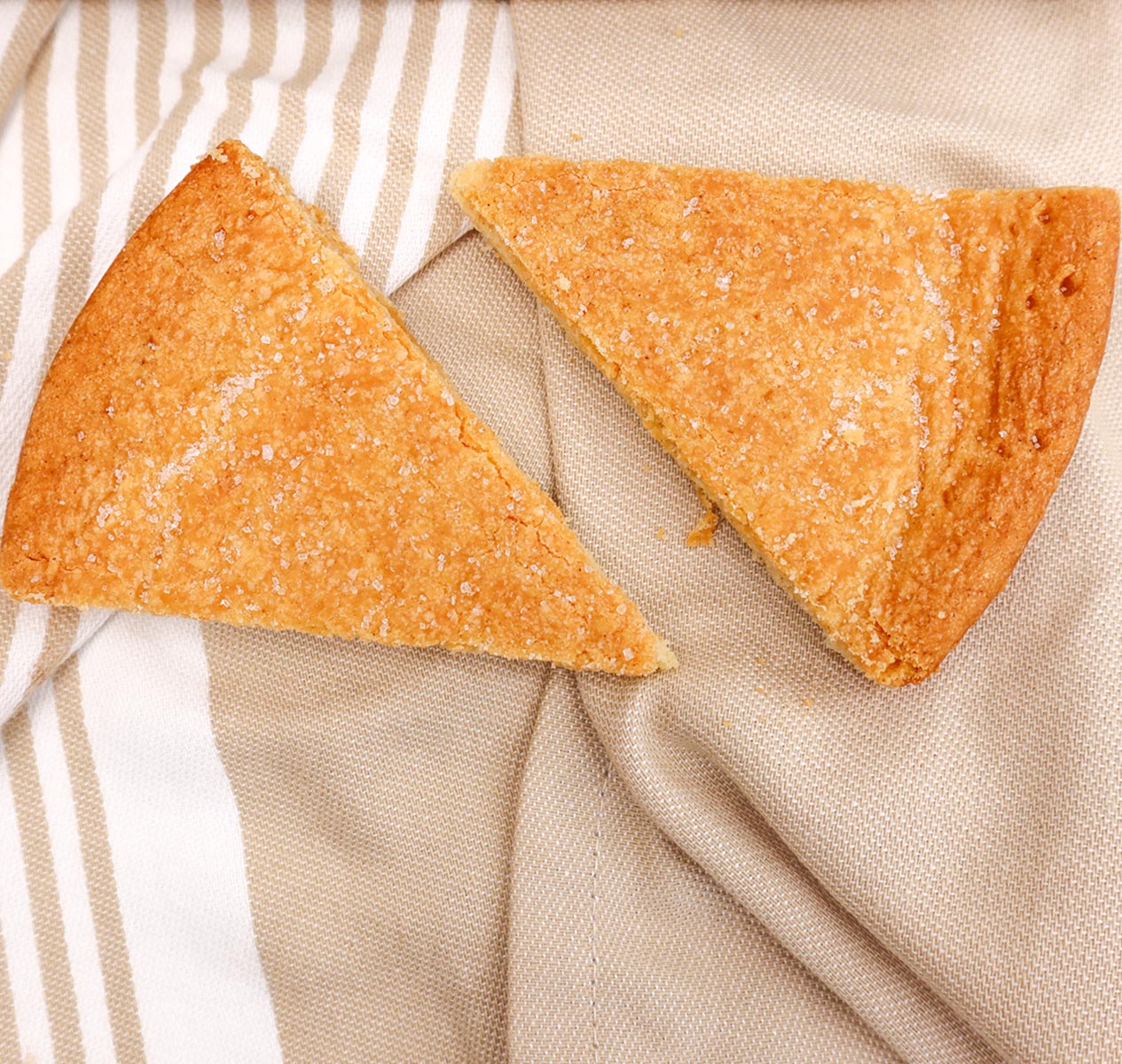
Room temperature butter makes the dough much easier to mix and press evenly. If the dough has come together and there is no dry flour remaining, continue pressing it firmly into the pan until it forms an even layer.
The shortbread breaks while slicing
Allow the shortbread to cool for about 10 minutes, then slice it while it is still warm and soft. Waiting until it has cooled completely can make it more difficult to cut neatly.
Pairing Suggestions
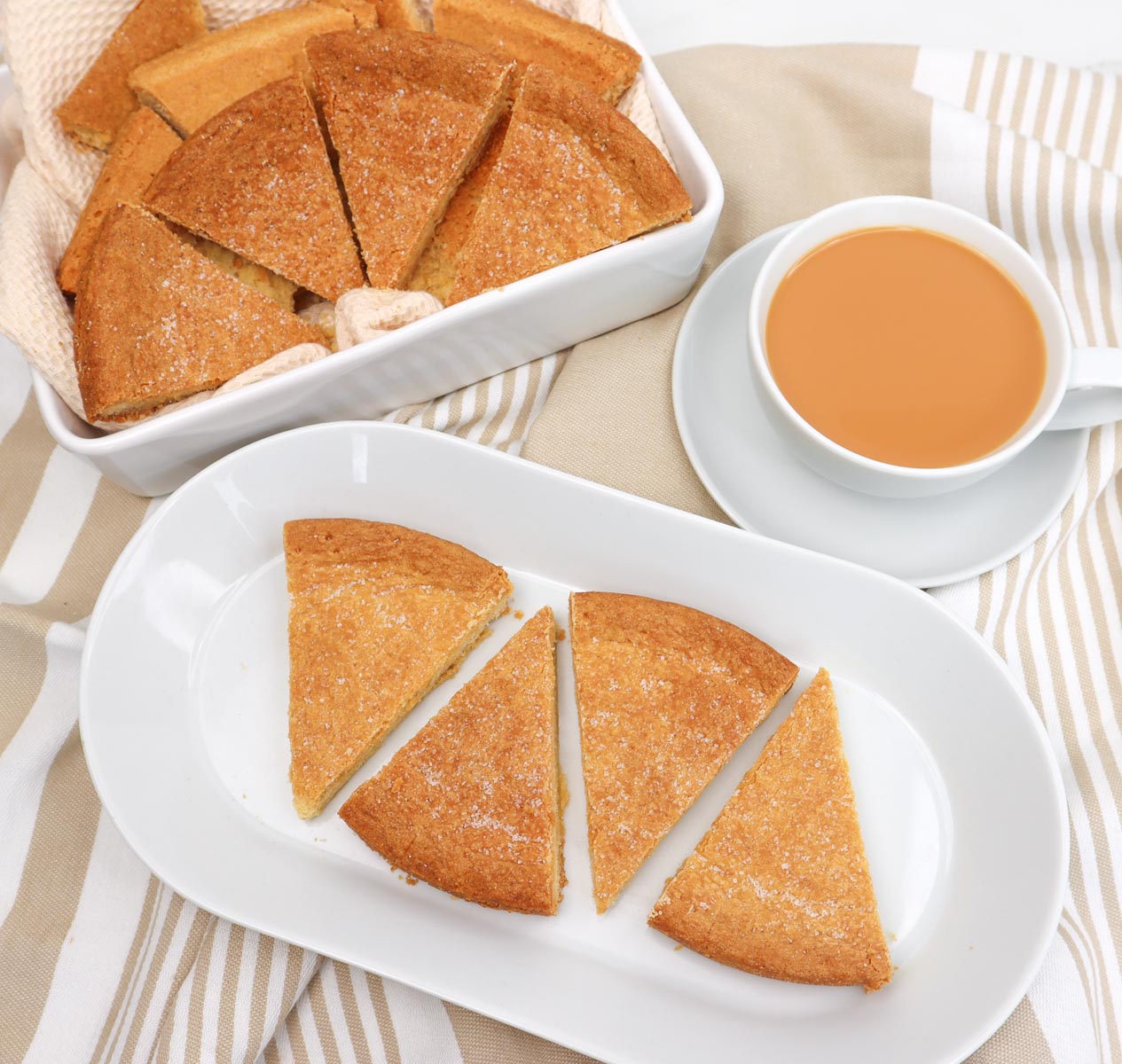
This buttery shortbread is delicious with a hot cup of coffee or tea. Its delicate crumb and lightly sweet finish also make it a simple treat to enjoy as an afternoon snack or to share with family and friends. Because it stores well in an airtight container, it is easy to keep on hand whenever you want something homemade with your favorite warm drink.
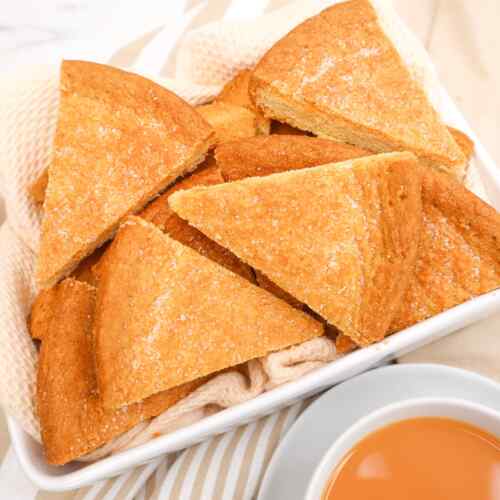
Scottish shortbread

Equipment
- Shortbread mold or shortbread pan
- Stand Mixer with paddle attachment
- Cutting board for turning out the shortbread
- Airtight container for storage
Ingredients
- 1 cup all purpose flour plain flour
- 1/2 cup butter at room temperature
- 1/3 cup confectioner's sugar icing sugar
- 1/2 teaspoon vanilla extract or almond extract
- 1/2 teaspoon granulated sugar for sprinkling on the shortbread after baking
Instructions
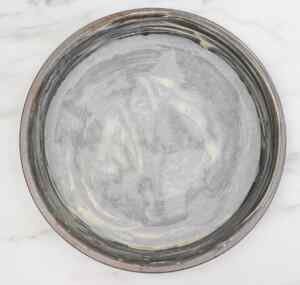
- Preheat the oven to 325°F / 165°C. Grease an 8-inch round cake pan and line the bottom with parchment paper. Alternatively, lightly grease a shortbread mold with baking spray or a little butter.

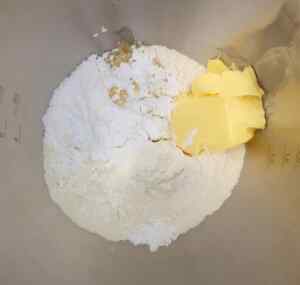
- Add the flour, butter, confectioners’ sugar, and vanilla or almond extract to the bowl of a stand mixer fitted with the paddle attachment.1 cup all purpose flour, 1/2 cup butter, 1/3 cup confectioner's sugar, 1/2 teaspoon vanilla extract
- Mix until no dry flour remains and the dough starts to clump together.
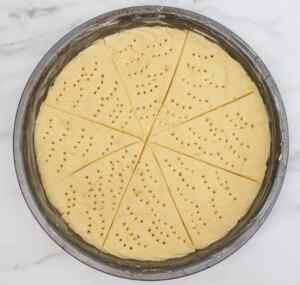
- Press the dough evenly into the shortbread pan. Pack it down well so it fills the details of the mold. Lightly prick the surface of the dough with a fork. If using a round cake pan, lightly score the dough into 8 wedges to make it easier to slice after baking.
- Smooth the surface with an offset spatula. For an extra smooth finish, place a piece of plastic wrap over the dough and gently smooth it with your hand.
- Bake for 30 minutes, or until the edges are just starting to turn golden.
- If the center still looks shiny or underbaked, return it to the oven for a few more minutes.
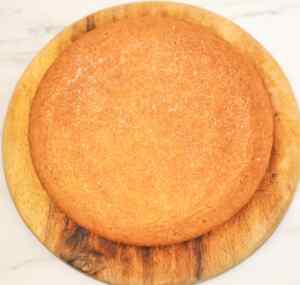
- Let the shortbread cool in the pan for 10 minutes.
- Gently loosen the edges with a thin offset spatula.
- Place a baking sheet or board over the pan. Flip everything over in one quick motion, then carefully lift off the pan.
- If the shortbread does not release right away, gently tap the side of the mold against a hard surface.
- While the shortbread is still warm, sprinkle it lightly with granulated sugar.1/2 teaspoon granulated sugar
- Slice along the lines of the mold while the shortbread is still soft.
- Let it cool completely, then store in an airtight container.
Notes
- Room temperature butter makes the dough easier to mix and press into the mold.
- Mix only until the dough clumps together and no dry flour remains.
- Pack the dough firmly into the pan so the pattern comes out clearly.
- Plastic wrap helps smooth the surface without the dough sticking to your hand.
- Pale shortbread will be softer, while darker shortbread will be crunchier.
- Slice the shortbread while it is still warm and soft.
- Store the cooled shortbread in an airtight container.
Nutrition
Frequently Asked Questions
What makes Scottish shortbread different from regular cookies?
Scottish shortbread is known for its simple, butter-rich dough and tender, crumbly texture. Unlike many cookies, traditional shortbread does not rely on eggs or baking powder for structure. Butter provides the richness and helps create the delicate, melt-in-the-mouth crumb that shortbread is known for.
How do I know when Scottish shortbread is done baking?
The edges should be just beginning to turn golden and the surface should no longer look wet or shiny in the center. If the middle still appears underbaked, return the shortbread to the oven for a few more minutes. A paler bake gives you softer shortbread, while allowing it to become more golden creates a crisper texture.
Should I cut Scottish shortbread while it is warm or cold?
Cut shortbread while it is still warm. Let it cool in the pan for about 10 minutes first, then slice it while it is still soft enough to cut cleanly. Waiting until the shortbread has cooled completely can make it more likely to crack or crumble when sliced.
What should I do if my shortbread sticks in the pan?
Let the shortbread cool in the pan for about 10 minutes, then gently loosen the edges with a thin offset spatula. If you are using a shortbread mold and it does not release straight away, lightly tapping the side of the mold against a firm surface can help. For easier removal, I prefer an 8-inch round cake pan with parchment paper lining the bottom.
How long does homemade shortbread keep, and can I freeze it?
Once completely cool, store the shortbread in an airtight container at room temperature. For the best texture and flavor, enjoy it within about one week. Baked shortbread also freezes well: place it in an airtight freezer-safe container and freeze for up to three months, then allow it to thaw at room temperature before serving.
Do I need a shortbread mold to make Scottish shortbread?
No. A traditional shortbread mold can create a decorative pattern, but you do not need one for this recipe. I actually prefer using an 8-inch round cake pan lined with parchment paper because the shortbread releases more easily and is simple to lift out and slice into wedges.
Should I prick or score Scottish shortbread before baking?
Yes. Lightly pricking the dough with a fork allows steam to escape as the shortbread bakes and helps prevent the surface from bubbling. If you are baking the shortbread in a round cake pan, you can also lightly score it into wedges before baking to give yourself guides for cutting it later.
Why is my shortbread hard instead of tender and crumbly?
Shortbread can become hard if the dough is overmixed or worked too much after the flour is added. Mix only until no dry flour remains and the dough begins to clump together. Once it reaches that stage, stop mixing and press it into the pan rather than continuing to knead or beat the dough.


