


Table of Contents
- Why Do Peanut Butter Crinkle Cookies Feel Both Nostalgic and New?
- What Makes Peanut Butter the Star Ingredient You Can't Compromise On?
- How Do Butter and Sugar Work Together to Shape the Perfect Texture?
- Why Is Chilling the Dough the Secret Step Many Bakers Skip?
- How Do Flour and Leavening Agents Create Structure Without Losing Softness?
- What Role Does Technique Play in Creating That Iconic Crinkle Look?
- How Do You Know When Peanut Butter Crinkle Cookies Are Perfectly Baked?
- Peanut Butter Crinkle Cookies Keep You Coming Back For More
- Jump to Recipe
Why Do Peanut Butter Crinkle Cookies Feel Both Nostalgic and New?
There's something quietly comforting about baking a batch of peanut butter crinkle cookies. The smell alone carries a sense of familiarity, warm, nutty, slightly sweet, the kind that turns an ordinary afternoon into something memorable. I've baked countless cookies over the years, but these peanut butter crinkle cookies hold a special place in my kitchen because they balance simplicity with personality.
Unlike overly complicated desserts, this recipe relies on straightforward ingredients and thoughtful technique. The crinkled tops form naturally as the dough spreads and settles, creating a rustic, bakery-style finish that feels both effortless and impressive. When I make these cookies, I'm not chasing perfection; I'm creating something dependable, comforting, and easy enough to return to again and again.
If you're someone who values recipes that deliver consistent results without unnecessary stress, peanut butter crinkle cookies might just become your new go-to bake.
What Makes Peanut Butter the Star Ingredient You Can't Compromise On?
Peanut butter isn't just another addition here, it's the backbone of the entire recipe. Every bite of peanut butter crinkle cookies depends on the richness and depth that a good peanut butter brings. I always recommend using a smooth, balanced peanut butter that isn't overly oily or overly sweet. Too much added sugar can throw off the texture, while overly dry peanut butter can make the dough crumbly.
When you mix peanut butter with softened butter, something interesting happens. The fats combine to create a dough that's both structured and tender. The peanut butter adds flavor, yes, but it also contributes to the cookies' signature chewiness. That's why even a small change in the type of peanut butter you use can subtly shift the outcome.
Have you ever noticed how certain cookies taste better the next day? Peanut butter crinkle cookies are like that, the peanut flavor deepens as they rest, making them ideal for baking ahead.
How Do Butter and Sugar Work Together to Shape the Perfect Texture?
In many cookie recipes, butter and sugar are simply seen as sweetness and fat. But in peanut butter crinkle cookies, they serve a much more strategic role. Creaming softened butter with granulated and brown sugar introduces tiny air pockets into the dough. Those pockets expand in the oven, giving the cookies lift without making them cakey.
Granulated sugar encourages crisp edges, the part of the cookie that gives that satisfying bite. Brown sugar, on the other hand, brings moisture and softness. I often describe it as the ingredient that keeps peanut butter crinkle cookies feeling cozy rather than crunchy.
When the mixture turns pale and fluffy during mixing, that's your sign that the foundation of the cookies is ready. It's a small moment in the process, but it sets the stage for everything that follows.
Why Is Chilling the Dough the Secret Step Many Bakers Skip?
If there's one step I never rush when making peanut butter crinkle cookies, it's chilling the dough. It might seem like an inconvenience at first, especially when you're eager to bake, but it transforms the final result.
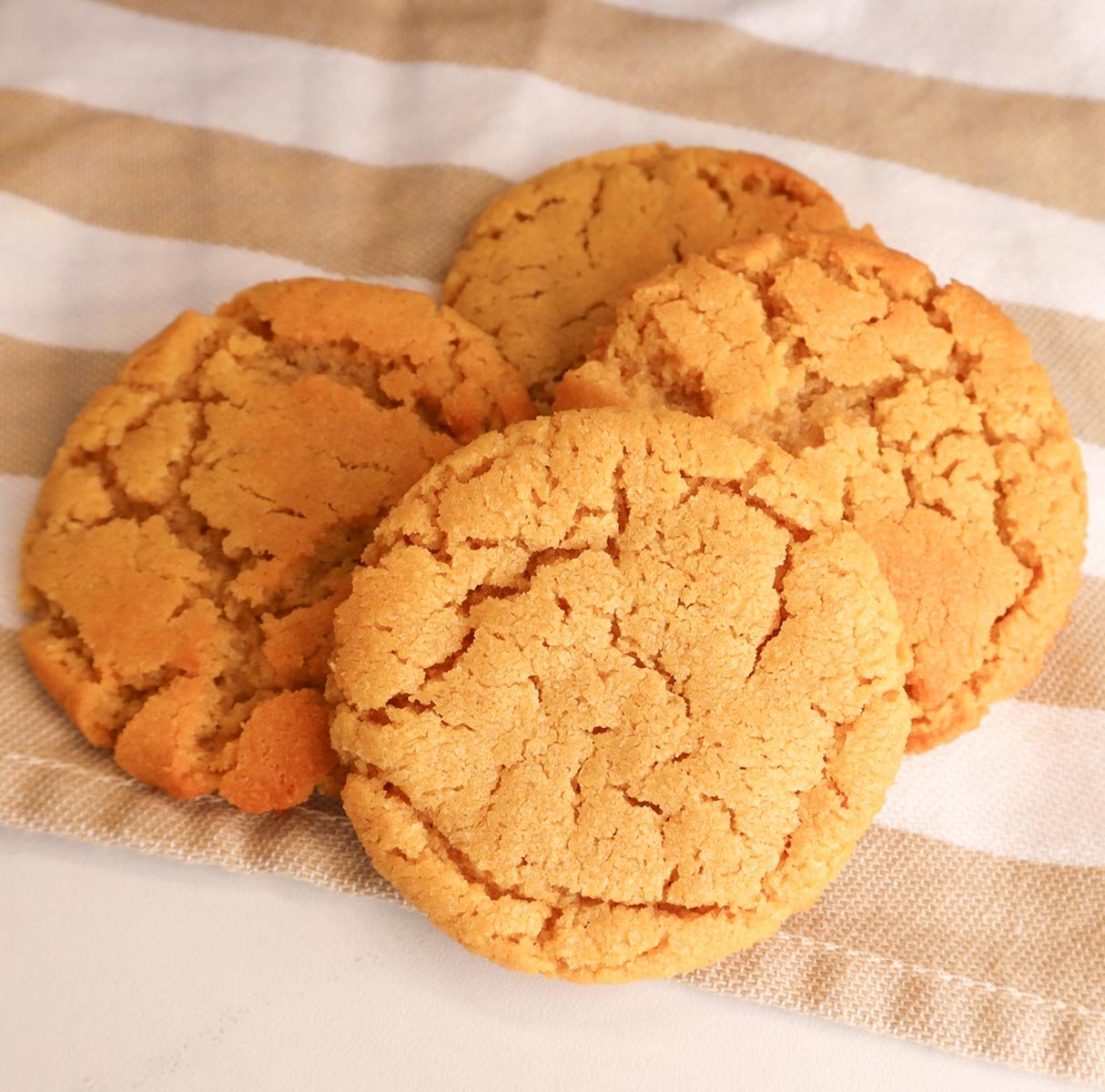
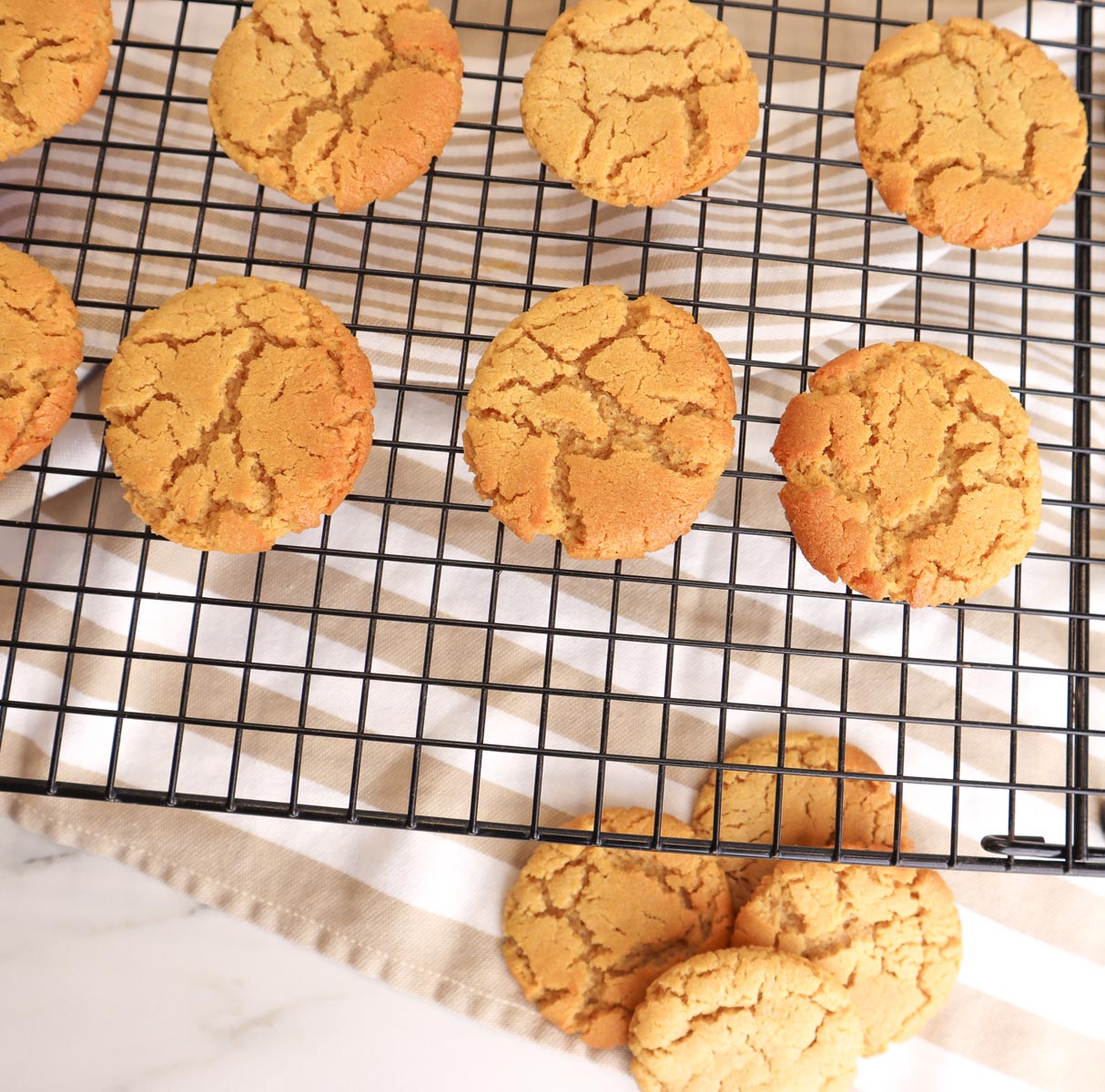
Cold dough spreads more slowly in the oven. That slower spread allows the tops to wrinkle and crack naturally, creating the signature crinkle effect. It also deepens the flavor, giving the ingredients time to meld together.
Have you ever baked cookies that flattened too much or lost their shape? Often, skipping the chill time is the culprit. Even two hours in the fridge makes a noticeable difference, while an overnight rest produces cookies with an even richer taste and thicker texture.
How Do Flour and Leavening Agents Create Structure Without Losing Softness?
Peanut butter crinkle cookies are a study in balance. Too much flour and they become dry; too little and they spread too thin. The goal is a dough that holds its shape while staying tender.
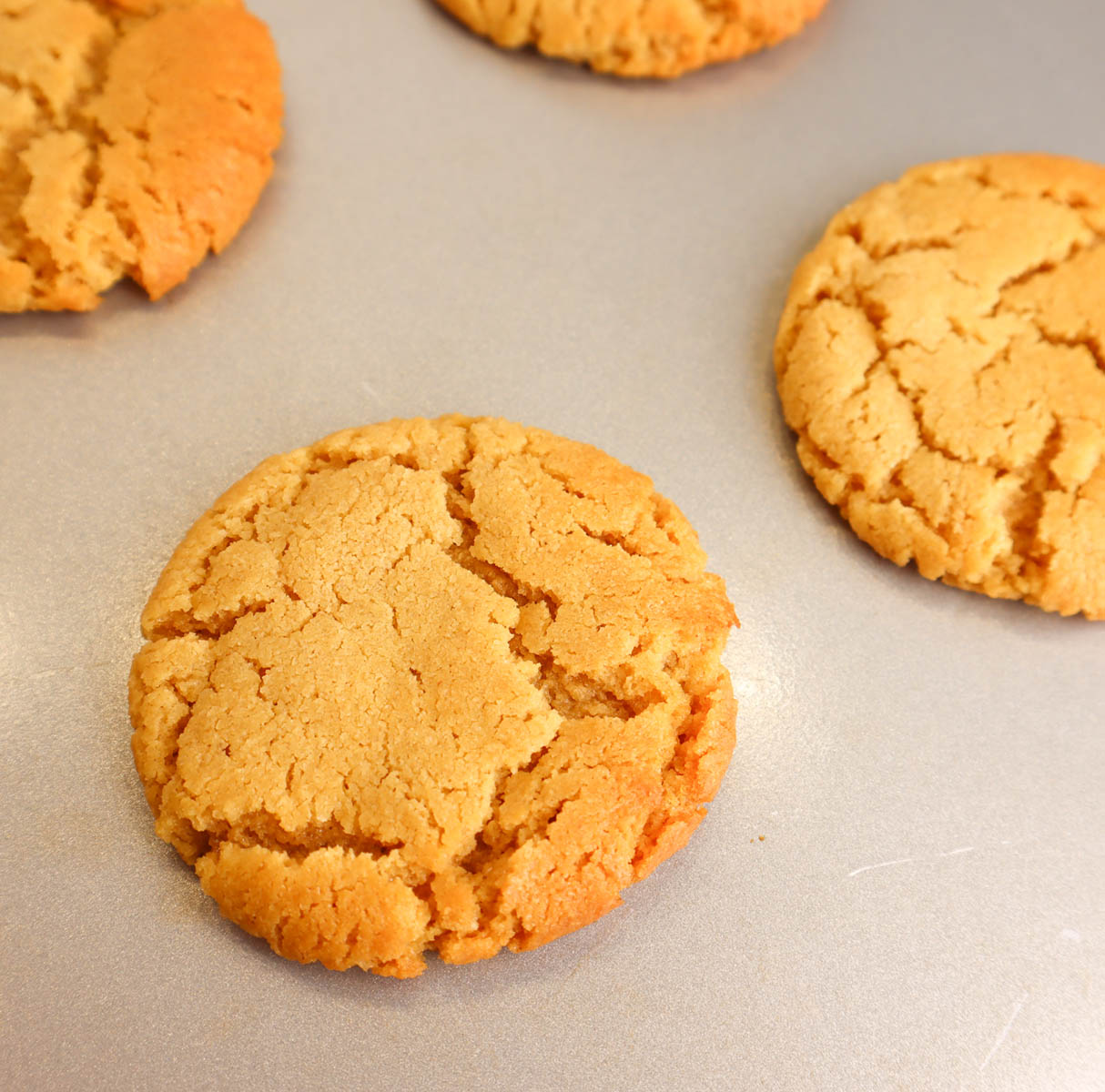
Plain flour provides the structure that keeps the cookies from collapsing, but it's the combination of baking soda and baking powder that gives them lift. Baking soda helps with browning and encourages those subtle cracks on top, while baking powder adds just enough rise to keep the centers soft.
I often remind bakers to mix the dry ingredients gently into the wet mixture. Overmixing develops gluten, which can make cookies tough, the opposite of what we want here. A light hand keeps the dough soft and forgiving.
What Role Does Technique Play in Creating That Iconic Crinkle Look?
The beauty of peanut butter crinkle cookies is that the crinkle effect isn't forced, it happens naturally when the dough is handled correctly. Rolling the dough into small balls ensures even baking, while leaving space between cookies allows them to spread without merging together.
Unlike traditional peanut butter cookies with fork marks, these cookies rely on heat and timing to create texture. As the dough bakes, the edges set first while the center continues to expand. That gentle tension creates delicate cracks across the surface.
I always bake one tray at a time on the center rack. It's a small detail, but it ensures consistent heat circulation, which helps every cookie bake evenly and develop that perfect golden edge.
How Do You Know When Peanut Butter Crinkle Cookies Are Perfectly Baked?
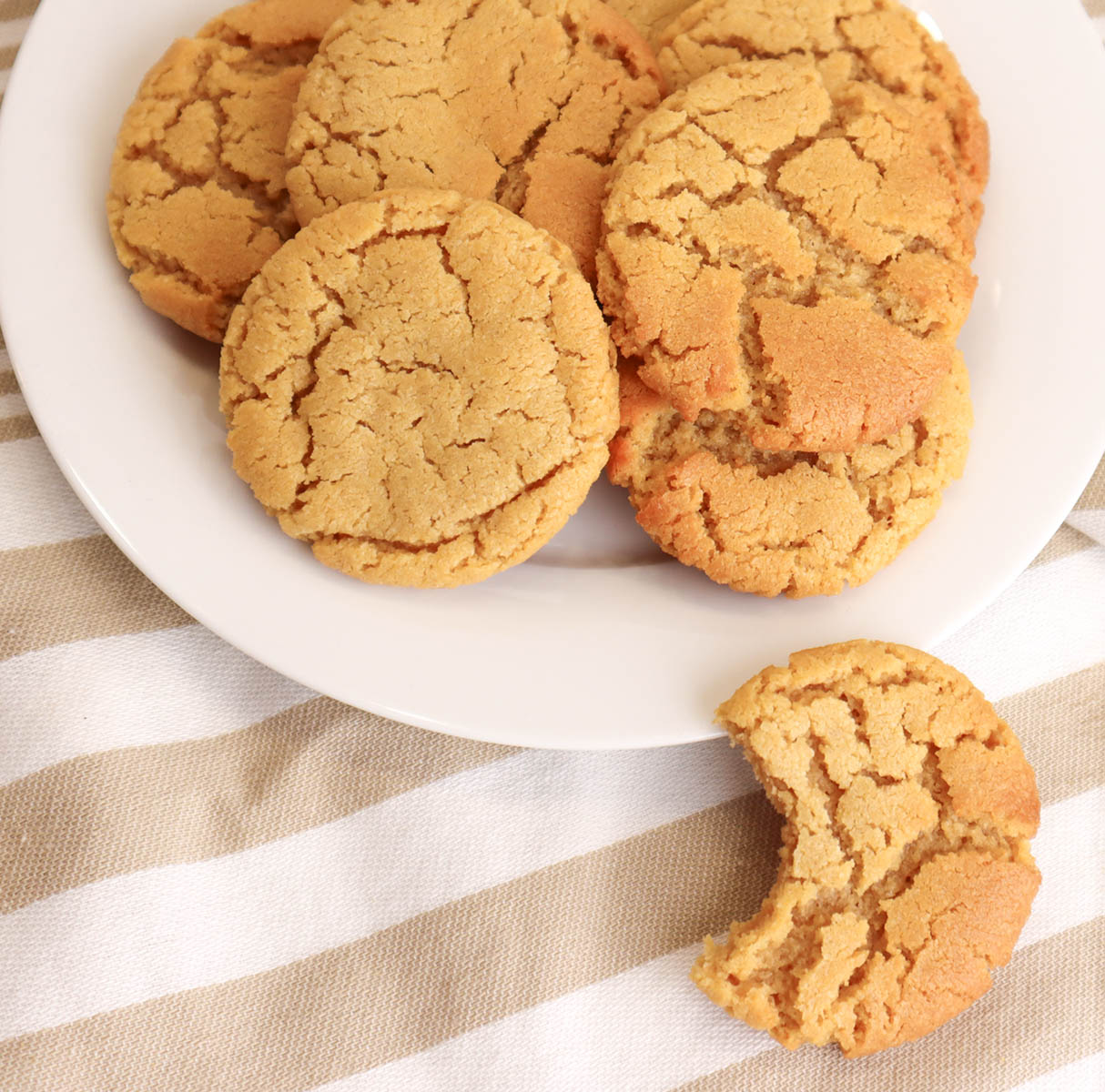
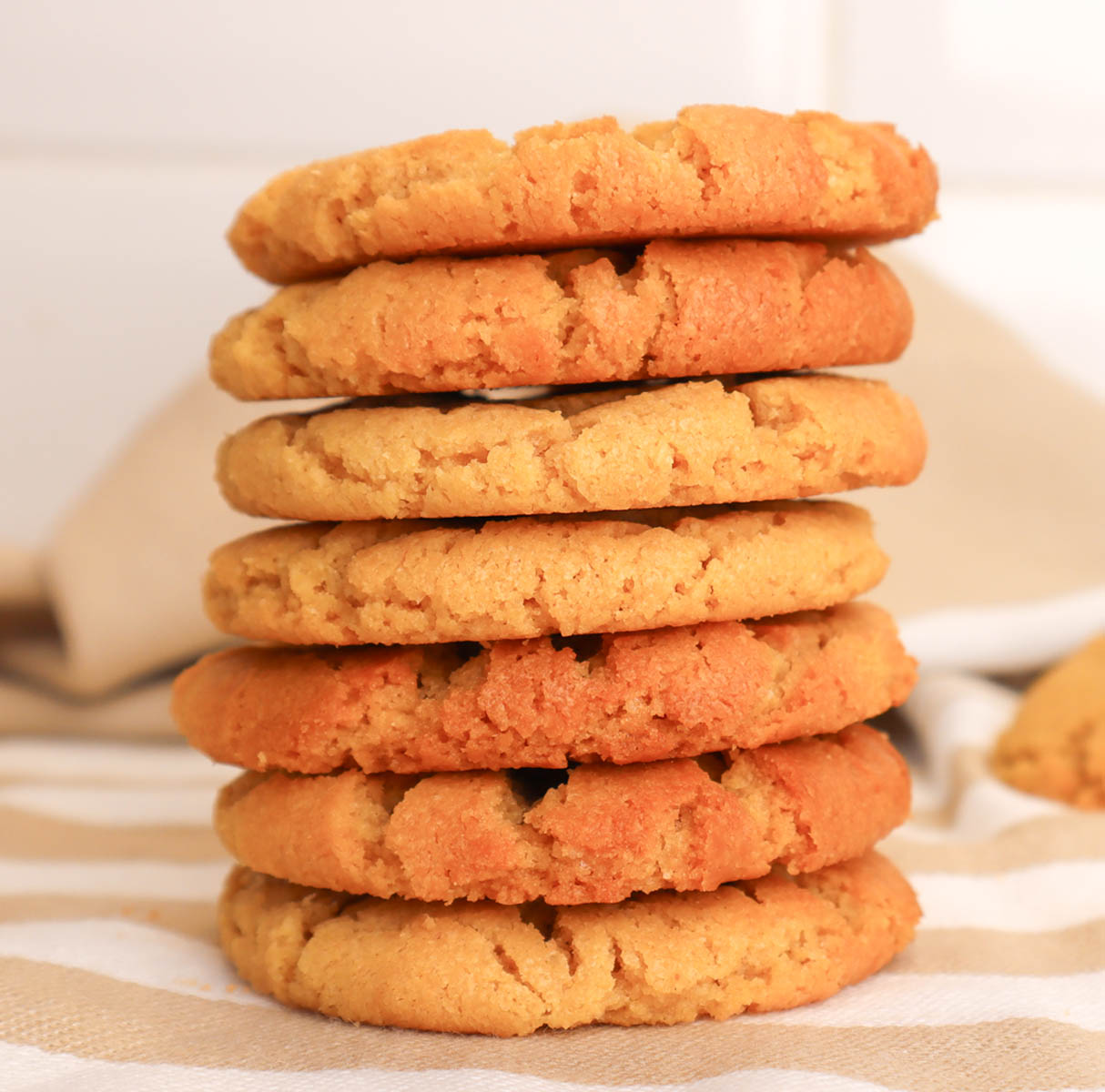
Timing can make or break cookies, and peanut butter crinkle cookies are no exception. I look for lightly golden edges while the centers still appear soft. The cookies will continue to firm up as they cool, so pulling them from the oven at just the right moment keeps them tender.
Allowing them to rest briefly on the tray before transferring to a rack is another small but important step. That minute of resting time helps them set without becoming dry. It's one of those quiet techniques that experienced bakers rely on, even if it doesn't always get mentioned in recipes.
Have you ever taken cookies out too late and wished they were softer? Trust the visual cues more than the clock, the edges should be set, but the middle should still look slightly underbaked.
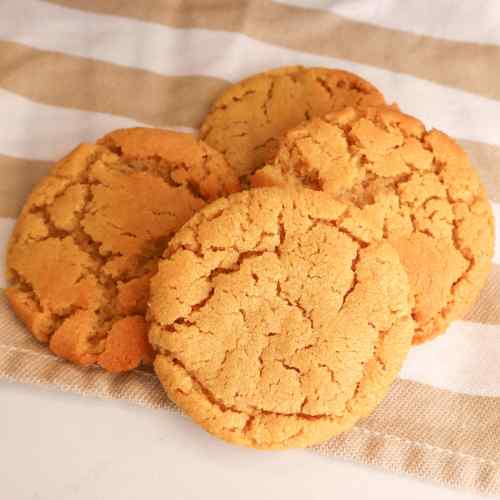
Peanut Butter Crinkle Cookies

Equipment
- Cookie sheets
Ingredients
- 112 Grams Salted butter room temperature
- 100 Grams Granulated sugar
- 110 Grams Light brown sugar
- 130 Grams Smooth peanut butter
- 1 Large Egg
- 160 Grams Plain flour all‑purpose flour
- ¾ Teaspoon Baking soda
- ½ Teaspoon Baking powder
- Pinch Salt
Instructions
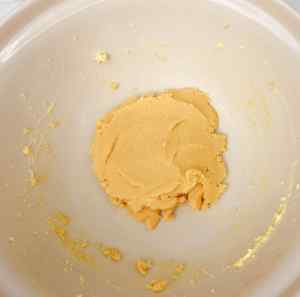
- Beat the softened butter in a large mixing bowl until smooth and creamy. Add the granulated sugar and light brown sugar, then mix until the texture becomes light, fluffy, and well combined.112 Grams Salted butter, 100 Grams Granulated sugar, 110 Grams Light brown sugar

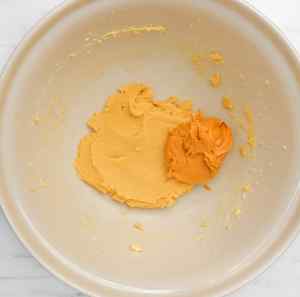
- Stir in the peanut butter until smooth, then add the egg and mix again until fully incorporated and glossy.130 Grams Smooth peanut butter, 1 Large Egg
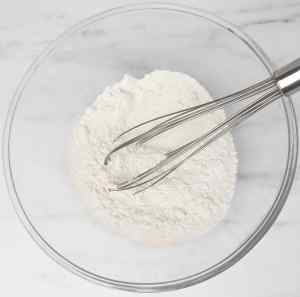
- In a separate bowl, whisk together the plain flour, baking soda, baking powder, and salt. Gradually add the dry ingredients to the wet mixture, gently folding until a soft dough forms. Mix only until combined to keep the cookies tender.160 Grams Plain flour, ¾ Teaspoon Baking soda, ½ Teaspoon Baking powder, Pinch Salt
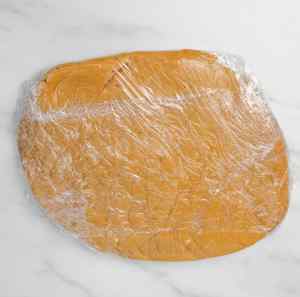
- Shape the dough into a flat disc, wrap well, and chill in the refrigerator for at least 2-4 hours, or up to 24 hours. This step helps develop flavor and gives the cookies their signature crinkle texture.
- Preheat the oven to 190°C (375°F) and line or prepare your cookie sheets.

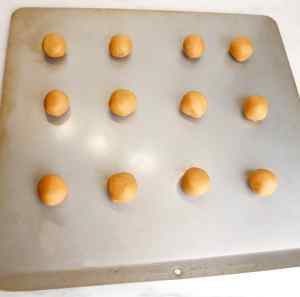
- Roll the chilled dough into small balls about 3 cm (1¼ inch) wide and place them on the baking trays, leaving space between each cookie for spreading.
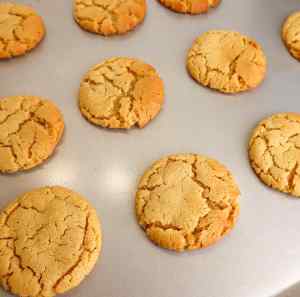
- Bake one tray at a time on the centre rack for 9-11 minutes, until the edges are lightly golden and the tops look soft with natural cracks.
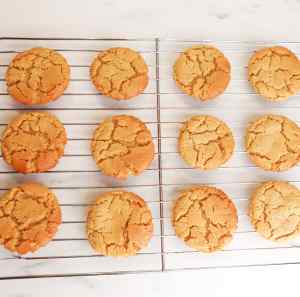
- Let the cookies rest on the tray for about 1 minute, then transfer them to a wire rack to cool completely before serving. Repeat with the remaining dough.

Notes
- Chill time matters: Cold dough helps create thicker cookies with a beautiful crinkle finish.
- Don’t overmix: Mixing too much after adding flour can make the cookies dense instead of soft.
- Even sizing: Use a small scoop or weigh the dough balls so they bake evenly.
- Watch the bake time: The centres should look slightly soft when removed from the oven, they will firm up as they cool.
- Extra texture: Roll the dough balls lightly in sugar before baking for a slightly crisp exterior.
- Storage: Keep cooled cookies in an airtight container for up to 4 days or freeze for longer freshness.
Nutrition
Peanut Butter Crinkle Cookies Keep You Coming Back For More
If baking these peanut butter crinkle cookies leaves you wanting to keep the oven on just a little longer, there's plenty more to explore. Our white chocolate cashew and cranberry cookies offer a softer, festive contrast, while lemon drizzle sugar cookies bring brightness and balance. For something classic and endlessly reliable, our chocolate chip cookies are always worth returning to. You'll find all of these recipes on the site, along with plenty of inspiration on our social media, where we share new bakes, seasonal ideas, and the small kitchen moments that make home baking feel personal.