




Table of Contents
- Why I Love This Chicken Fajitas Freezer Meal Prep
- Tips for Better Freezer Fajitas
- Easy Variations
- Add Extra Freezer-Friendly Vegetables
- Add Corn or Black Beans
- Troubleshooting Freezer Fajitas
- Pairing Suggestions
- Frequently Asked Questions
- Do I need to thaw the fajita mixture before cooking?
- Why are my freezer fajitas watery?
- How do I know when the chicken fajitas are cooked?
- Can I refreeze the raw fajita mixture after thawing?
- Can I make several freezer bags at once?
- Can I use chicken thighs instead of chicken breast?
- How long can chicken fajita freezer bags stay in the freezer?
- Jump to Recipe
Why I Love This Chicken Fajitas Freezer Meal Prep
As a mom of six kids, life is always busy. Between work, school, sports clubs, and everything else that needs doing, I need meals that are easy to prepare and even easier to cook. That is why Chicken Fajitas Freezer Meal Prep is such a helpful recipe in my house.
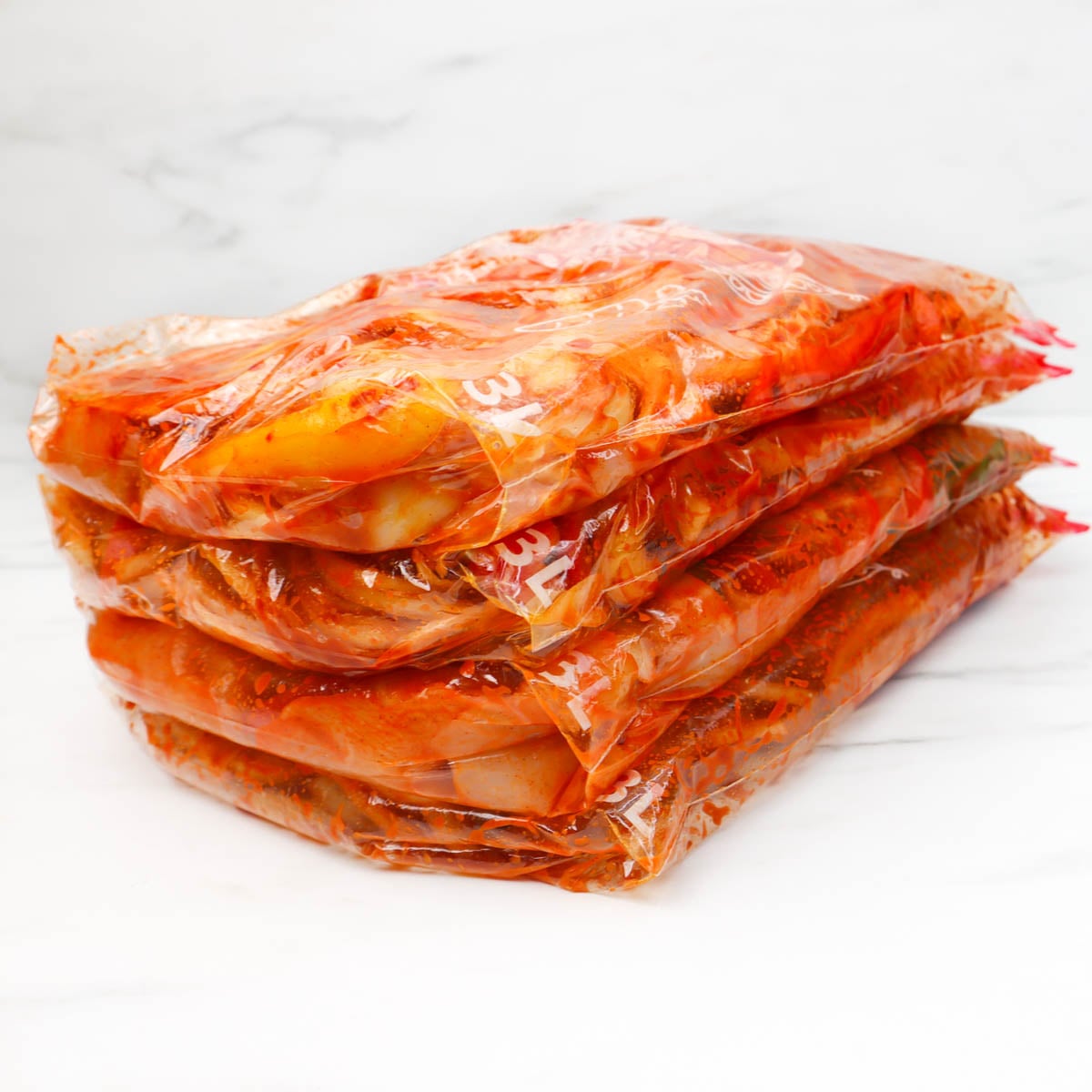
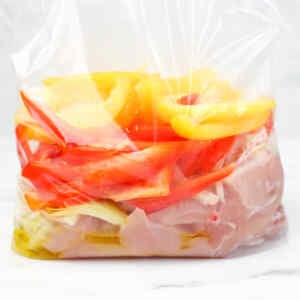
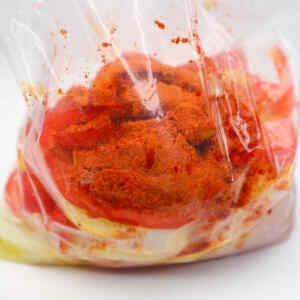
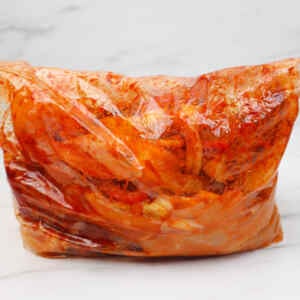
I can make 4-6 batches at once, knowing I have dinners ready for the weeks ahead. Everything goes into a large freezer-safe bag, including the thinly sliced chicken, peppers, onion, garlic, lime juice, honey, olive oil, and smoky fajita seasoning. Once the bag is sealed, I gently massage everything together, lay it flat, and freeze it.
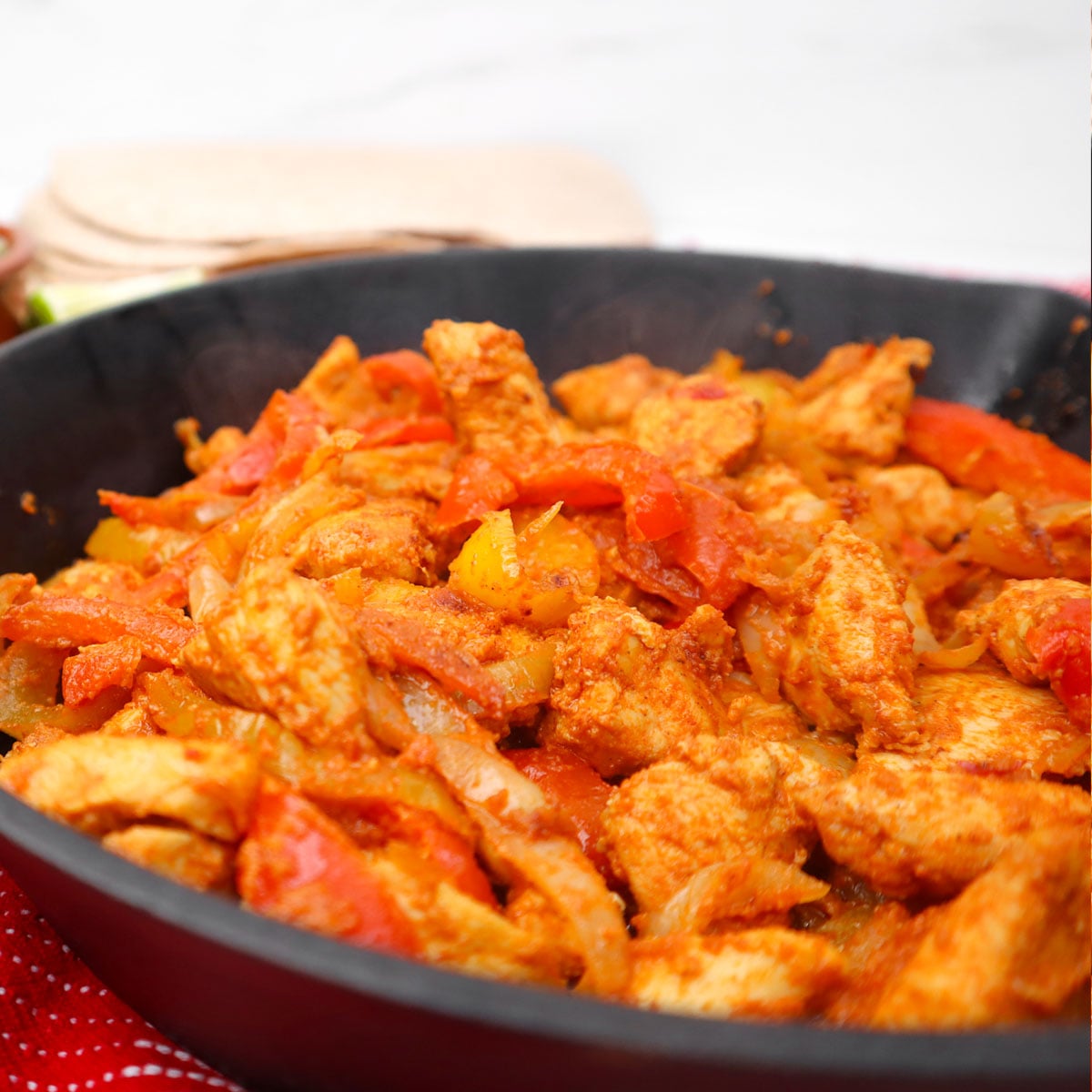
When I need a quick dinner, all I have to do is take a bag out the night before to defrost. The next day, I dump the mixture into a hot skillet, cook it, and serve. No chopping, weighing, or extra prep.
People often ask how I manage to get everything done and still serve delicious meals. This is definitely one of the cheats I use. The chicken cooks quickly, the vegetables soften, and the warm fajita seasoning makes the whole kitchen smell amazing.
Tips for Better Freezer Fajitas
The most important part of this recipe is thin slicing. The chicken breast tenders, red onion, and bell peppers should all be sliced thinly so they cook quickly in the skillet. This helps the chicken cook through while the vegetables soften at the same time.
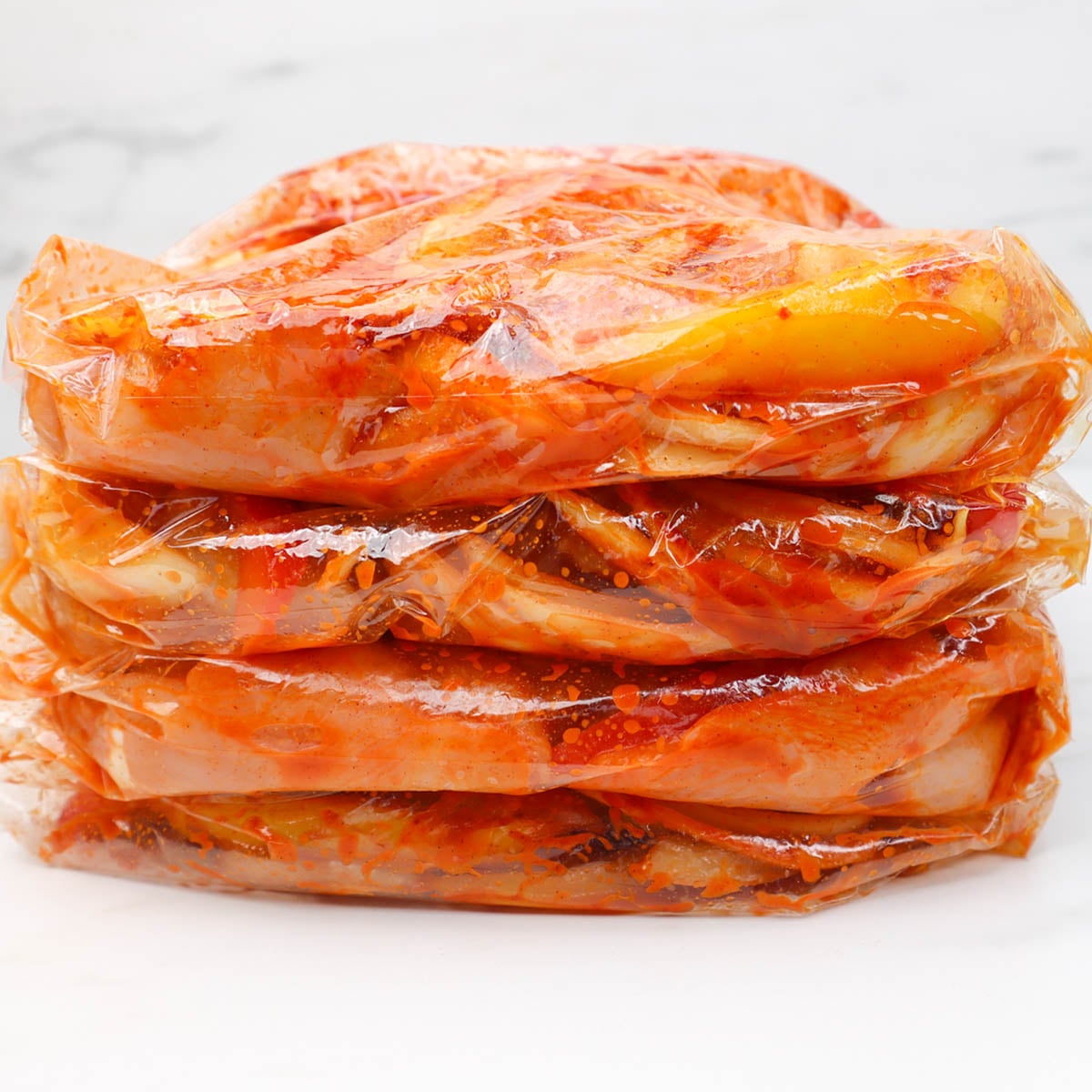
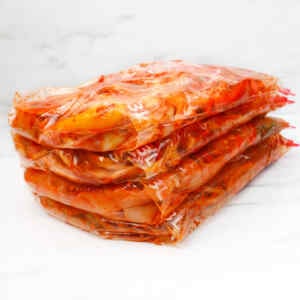
Laying the freezer bag flat is also useful. It saves space, but it also helps the mixture thaw more evenly. A thick, uneven frozen bag can take longer to defrost, which makes cooking less predictable.
Thaw the fajita mix fully in the refrigerator overnight before cooking. This gives the chicken and vegetables a better texture in the skillet. Cooking from partially frozen can make the mixture release more liquid.
High heat matters here. The skillet should be hot before the thawed fajita mixture goes in. This helps the chicken and vegetables cook quickly instead of turning watery.
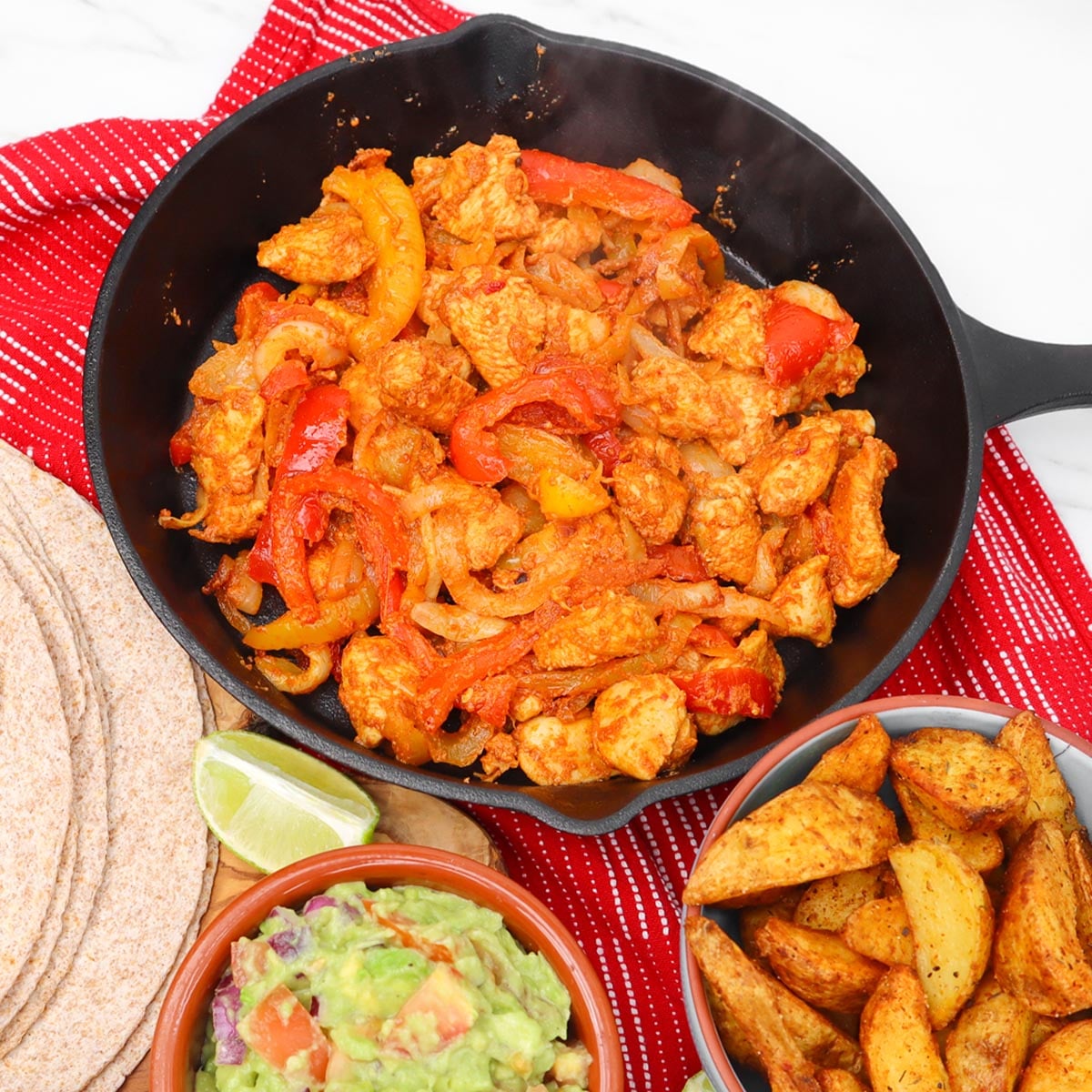
Use tongs or a spatula to toss everything often as it cooks. The mixture is ready when the chicken is cooked through with no pink in the center, and the vegetables have softened. For accuracy, the chicken should reach 165°F / 74°C before serving.
Easy Variations
Add Extra Freezer-Friendly Vegetables
Add sliced mushrooms, extra bell peppers, or sliced jalapeños to the freezer bag before sealing. These freeze well with the chicken and fajita seasoning, then cook straight in the skillet with the rest of the mixture.
Add Corn or Black Beans
For a heartier fajita filling, add drained corn or drained black beans to the freezer bag. They make the cooked mixture more filling and work well with the smoky fajita seasoning, lime juice, and honey.
Troubleshooting Freezer Fajitas
If the fajita mixture seems watery, check that it was fully thawed before cooking. Use high heat and toss often so the chicken and vegetables cook quickly. If the chicken pieces are too thick, they may take longer to cook than the vegetables. Slice everything thinly during prep for the best result. Do not refreeze the raw thawed mixture once it has been defrosted. Always cook until the chicken is fully cooked through and reaches 165°F / 74°C.
Pairing Suggestions
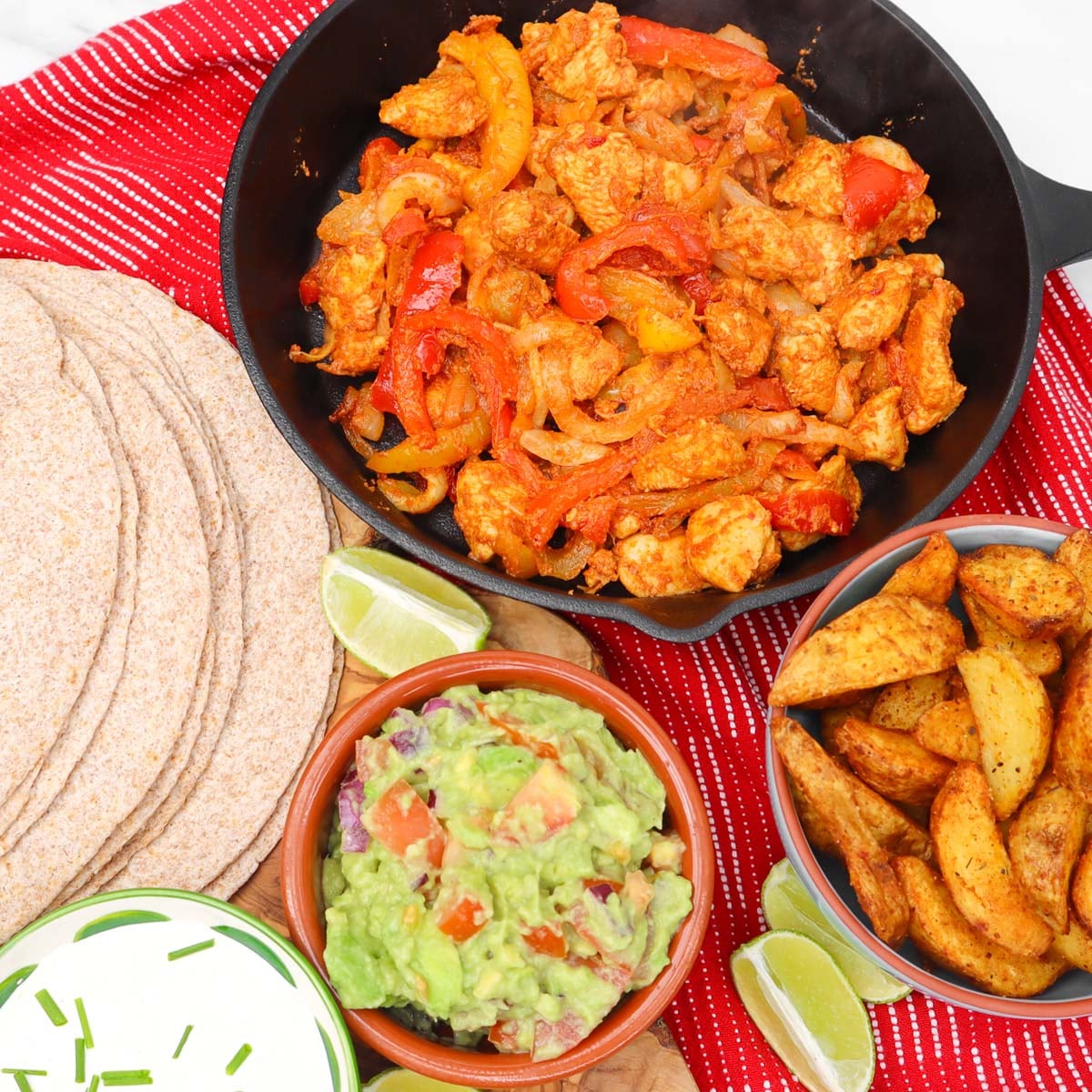
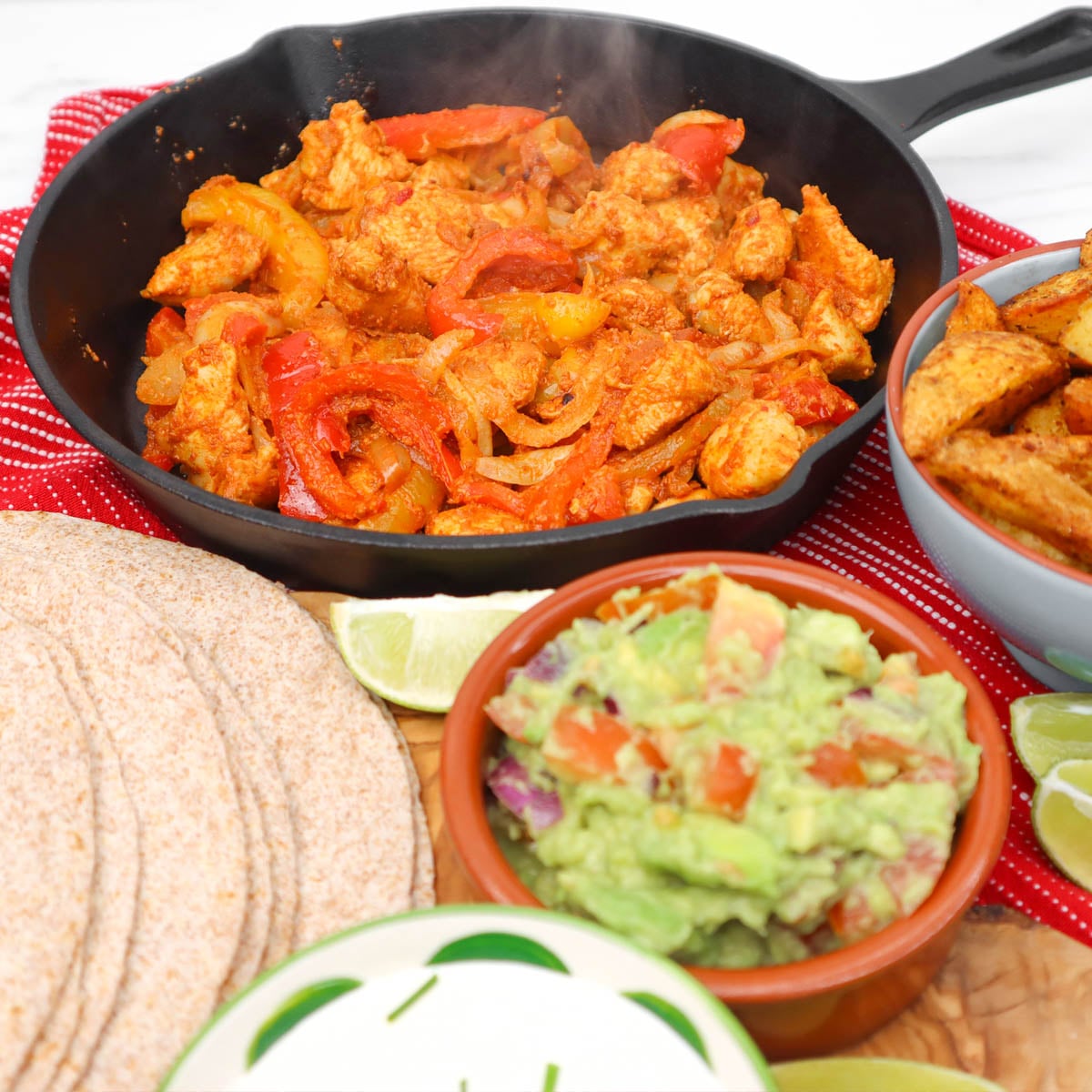
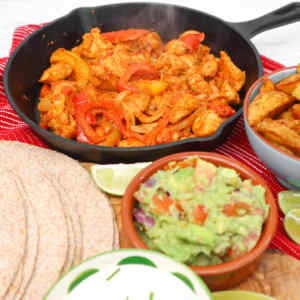
Serve the cooked chicken fajita mixture in warm tortilla wraps while the filling is hot. Add sliced avocado, sour cream, grated sharp cheddar, and fresh cilantro, if using. The soft tortillas make the filling easy to wrap, while the toppings add creamy, savory, and fresh flavors to the finished fajitas.
Chicken fajitas Freezer Meal Prep

Equipment
- Garlic Crusher or fine grater
- Large skillet or frying pan
- Tongs or spatula
Ingredients
- 1 large red onion thinly sliced
- 1 red bell pepper seeded and thinly sliced
- 1 green bell pepper seeded and thinly sliced
- 3 large garlic cloves finely crushed
- 1 lb chicken breast tenders thinly sliced about 450 grams
- 1 tablespoon extra virgin olive oil
- 2 tablespoons fresh lime juice from 1 lime
- 1 ounce smoky fajita seasoning 30 grams, 1 sachet
- 1 tablespoon honey
To Serve
- 1 tablespoon vegetable oil
- 6 tortilla wraps
- avocado sliced for serving
- ⅔ cup sour cream
- ¾ cup sharp cheddar cheese coarsely grated
- ¼ cup fresh cilantro chopped optional
Instructions
- Add the sliced onion, bell peppers, crushed garlic, chicken, fajita seasoning, olive oil, lime juice, and honey to a large freezer-safe bag.1 large red onion, 1 red bell pepper, 1 green bell pepper, 3 large garlic cloves, 1 lb chicken breast tenders, 1 tablespoon extra virgin olive oil, 2 tablespoons fresh lime juice, 1 ounce smoky fajita seasoning, 1 tablespoon honey

- Seal the bag tightly, then gently shake and massage everything together until the chicken and vegetables are evenly coated.
- Lay the bag flat and freeze for up to 3 months.
- When ready to cook, thaw the fajita mixture fully in the refrigerator overnight.
- Heat 1 tablespoon vegetable oil in a large skillet over high heat.1 tablespoon vegetable oil
- Add the thawed fajita mixture to the hot skillet.
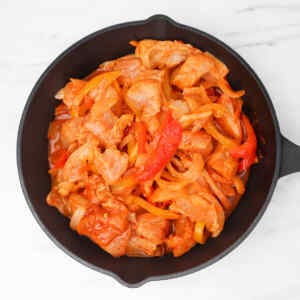
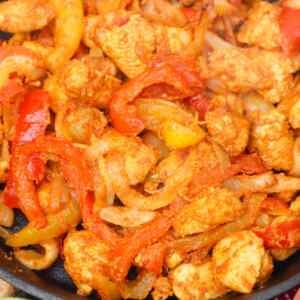
- Cook for 8 to 10 minutes, tossing often, until the chicken is fully cooked and the vegetables have softened.
- The chicken should be cooked through with no pink in the center. For accuracy, it should reach 165°F / 74°C.
- Warm the tortilla wraps until soft and flexible.6 tortilla wraps
- Fill each tortilla with the cooked chicken fajita mixture.
- Serve with sliced avocado, sour cream, grated sharp cheddar, and fresh cilantro, if using.avocado, ⅔ cup sour cream, ¾ cup sharp cheddar cheese, ¼ cup fresh cilantro
Notes
- Lay the freezer bag flat before freezing. It saves space and helps the mixture thaw more evenly.
- Slice the chicken and vegetables thinly so they cook quickly in the skillet.
- Thaw the fajita mix fully before cooking for the best texture.
- Use high heat so the chicken and vegetables cook quickly without becoming watery.
- Toss often while cooking so everything cooks evenly.
- Do not refreeze the raw thawed mixture once it has been defrosted.
Nutrition
Frequently Asked Questions
Do I need to thaw the fajita mixture before cooking?
Yes. Thaw the fajita mixture fully in the refrigerator overnight before cooking. This gives the chicken and vegetables the best texture and helps them cook evenly in the skillet.
Why are my freezer fajitas watery?
The mixture may become watery if it is not fully thawed or if the skillet is not hot enough. Cook over high heat and toss often so the chicken and vegetables cook quickly instead of steaming.
How do I know when the chicken fajitas are cooked?
The chicken should be fully cooked with no pink in the center. For the most accurate result, check that the chicken reaches 165°F / 74°C before serving.
Can I refreeze the raw fajita mixture after thawing?
No. Do not refreeze the raw fajita mixture once it has been defrosted. Thaw it overnight in the refrigerator, then cook it fully before serving.
Can I make several freezer bags at once?
Yes. You can prep several bags at the same time by adding the sliced chicken, vegetables, seasoning, olive oil, lime juice, and honey to each freezer-safe bag. Lay each bag flat before freezing so they stack neatly and thaw more evenly.
Can I use chicken thighs instead of chicken breast?
Yes. Boneless, skinless chicken thighs work well and stay juicy. Slice them thinly so they cook evenly with the peppers and onion.
How long can chicken fajita freezer bags stay in the freezer?
For the best flavor and texture, use the freezer bags within 3 months. Freeze them flat, then thaw overnight in the refrigerator before cooking.


